
Last updated November 16, 2026
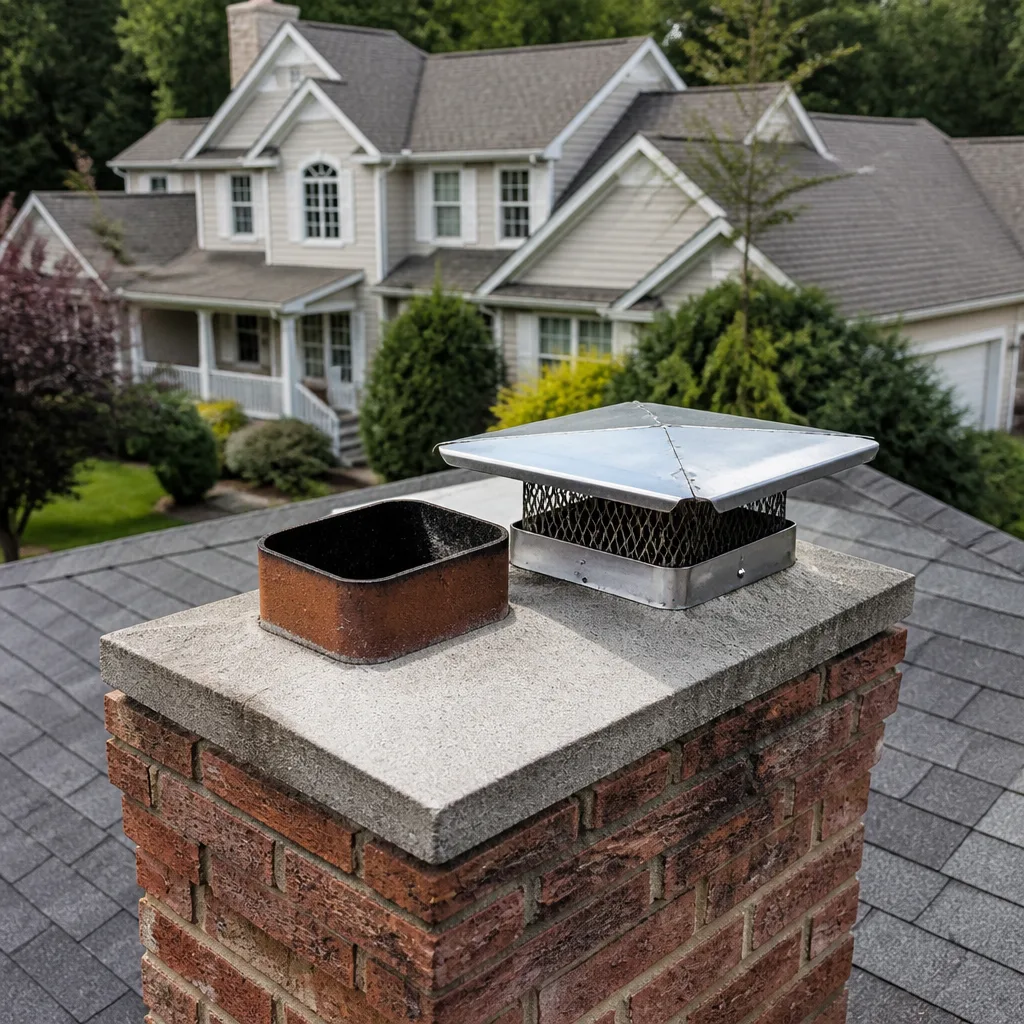 Sweep & inspection
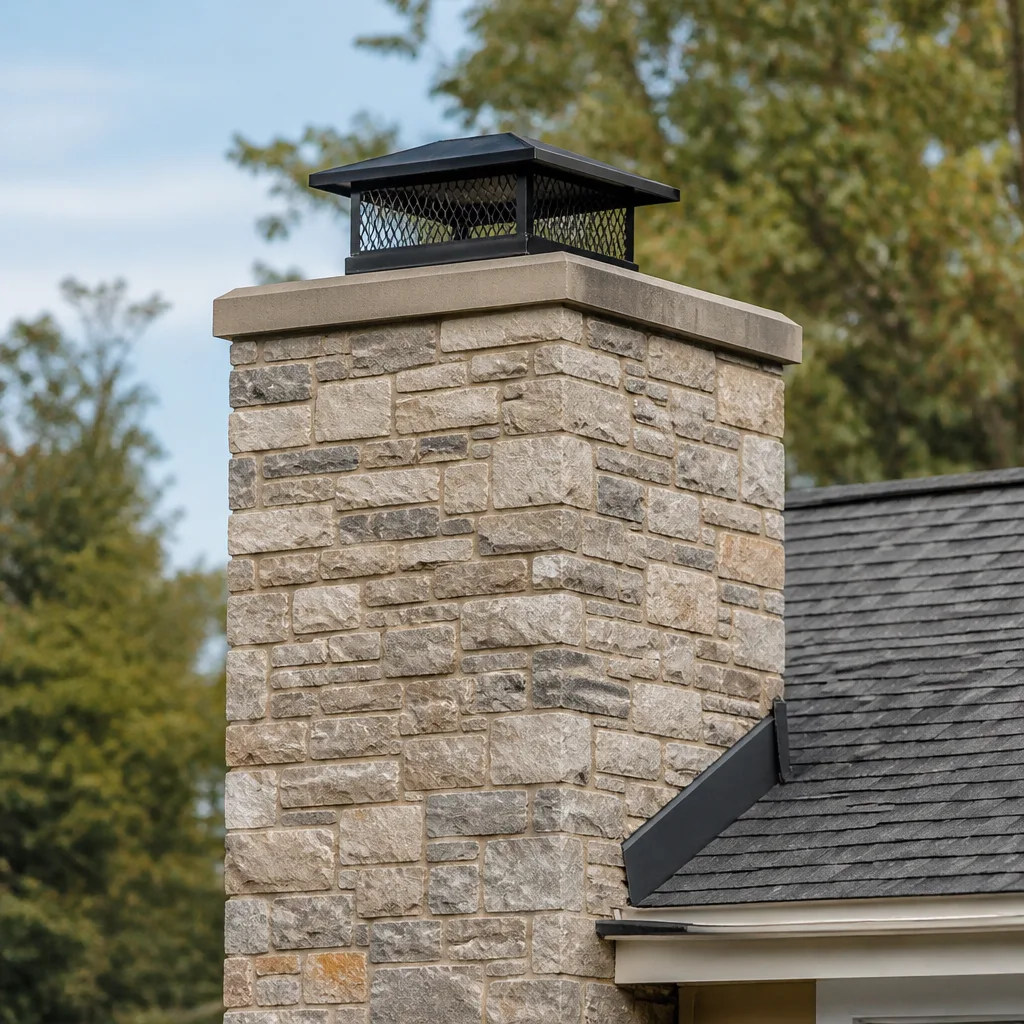 Caps & crowns
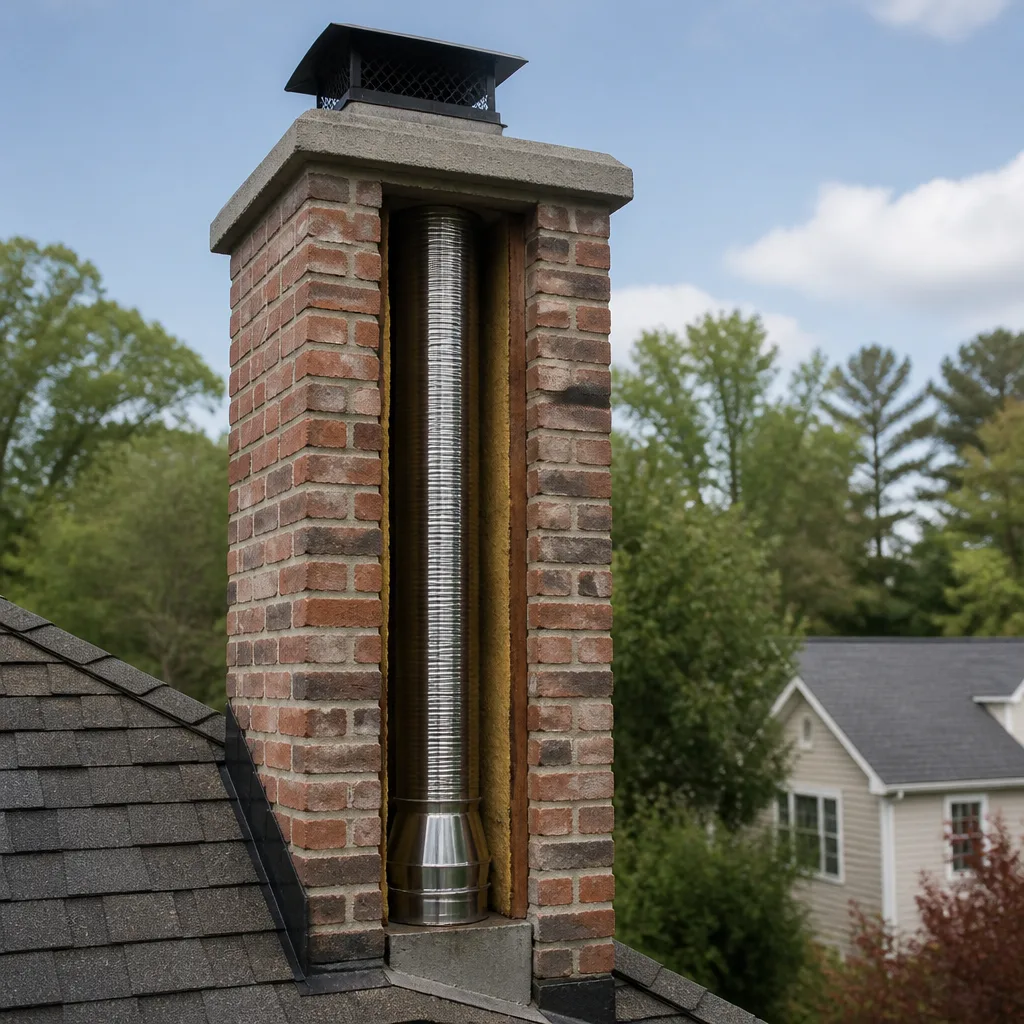 Flue relining
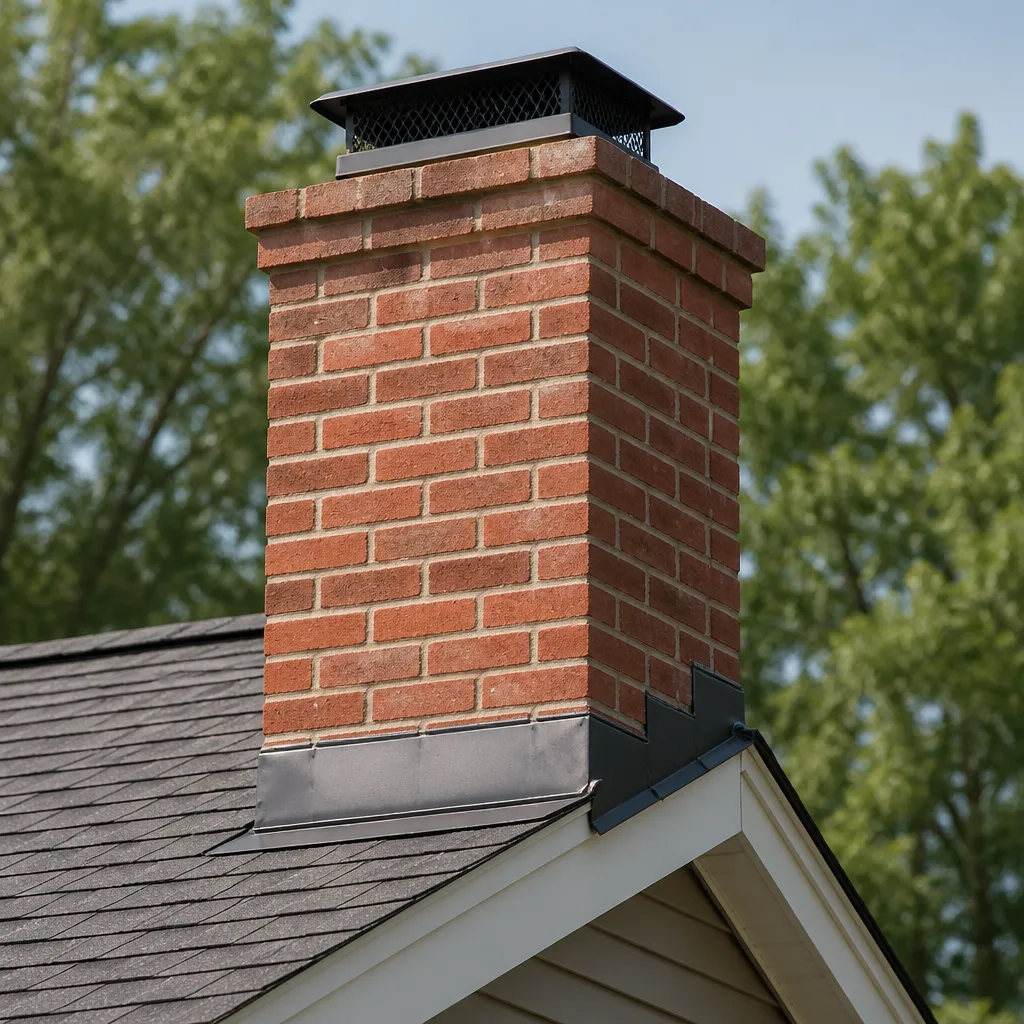 Masonry repair
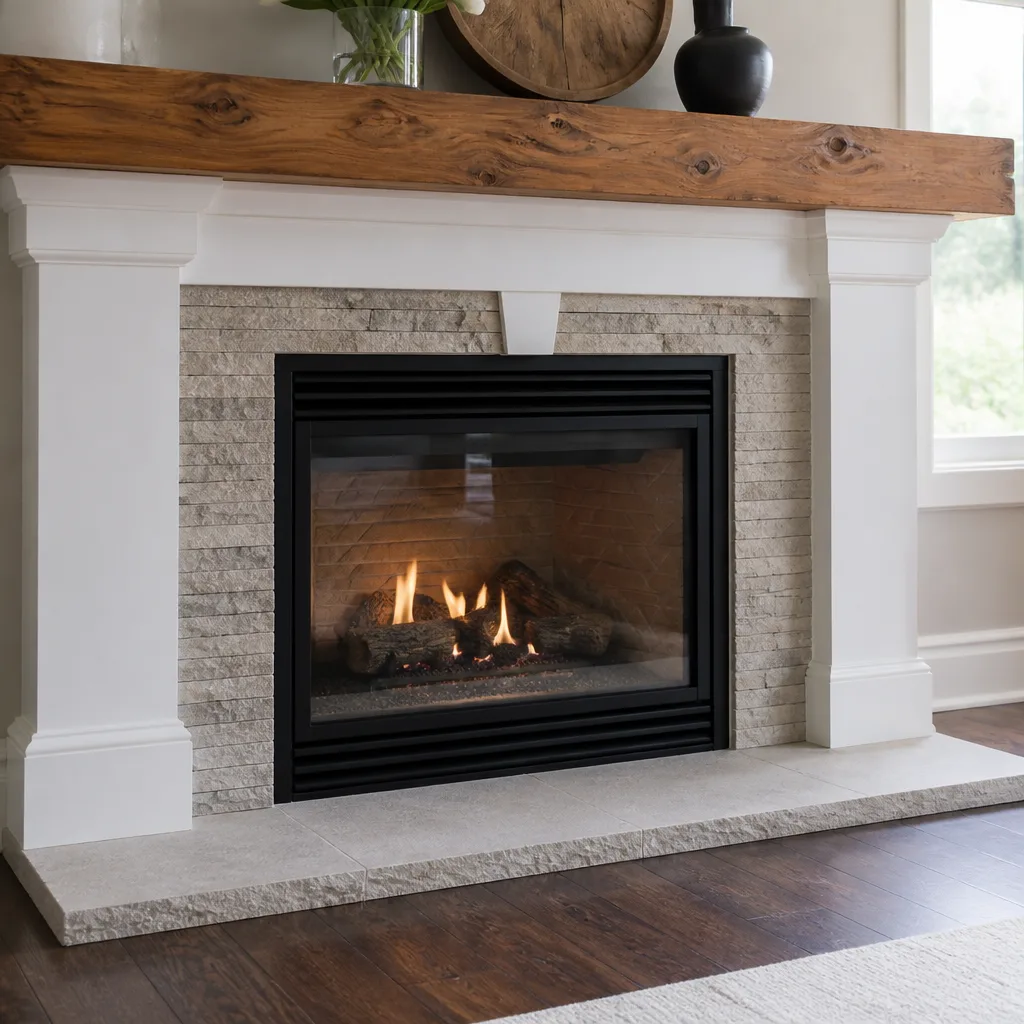 Gas fireplace service
Level 1 sweep and inspection to the NFPA 211 annual standard - flue, crown, cap, and flashing checked and photographed
Chimney sweep logs do not sweep chimneys. They loosen some creosote - which then falls where a brush and vacuum still have to collect it.
Chimney Cleaning Permits, Codes & Inspections in West Jordan, UT: What You Need to Know
A chimney cleaning visit that turns up a cracked liner or a crumbling crown sounds like a simple repair conversation. It isn’t always. Depending on the scope, that repair may cross into work that requires a building permit from the city, and the contractor who never brings it up is telling you something about how they operate. Most West Jordan homeowners assume cleaning and repair fall under the same loose rules. They don’t. Cleaning is maintenance with no permit attached. Structural repair and relining can be a different story under Utah’s adopted building codes. This guide walks through where the line sits, what a Level II inspection actually is, when a property transfer triggers one, and how permit records follow a house long after the work is done.
Quick Answer
Chimney cleaning alone does not require a permit in West Jordan, but chimney repair, relining, and any modification to the fireplace or venting system may require one under Utah’s adopted building codes. A Level II inspection is required by NFPA 211 any time you change fuel type, after a chimney fire or other event, and during many property transfers. Keeping permit and inspection records protects you at resale and during an insurance claim.
Styles & brands we work with
- Sweep & inspection
- Caps & crowns
- Flue relining
- Masonry repair
- Gas fireplace service
Table of Contents
- Cleaning vs. Repair: Where the Permit Line Sits
- How Utah’s Adoption of the IRC Affects Your Fireplace
- What a Level II Inspection Is and When West Jordan Homeowners Trigger One
- How Permit History Affects Insurance Claims After a Chimney Fire
- The Role of the Jordan Valley Fire District in Chimney Incidents
- What Documentation to Keep (and For How Long)
- Why West Jordan’s Climate and Housing Stock Shorten Chimney Life
- How to Hire a Chimney Professional Who Respects the Code
Cleaning vs. Repair: Where the Permit Line Sits
Routine sweeping is maintenance. Nobody pulls a permit to run a brush down a flue. The moment the work changes the structure of the chimney or the venting system, the picture changes. That distinction catches West Jordan homeowners off guard because a single visit can involve both. A sweep uncovers a problem, and the same crew offers to fix it. The homeowner hears “repair” and assumes it’s the same category of work. It usually isn’t.
Here’s a practical way to think about the split:
- No permit typically involved: sweeping, creosote removal, a visual check of the firebox, cap replacement, and general maintenance.
- May require a permit: relining, firebox reconstruction, crown replacement, changes to the flue’s size or configuration, installing a new appliance or insert, and any modification to the chimney’s structural components.
- Almost always requires a permit: new chimney construction, converting a wood-burning fireplace to gas or the reverse, and any work that changes the fuel type the system was built for.
Utah adopts the International Residential Code with state amendments, and West Jordan enforces it through its building department. When a liner is replaced or a firebox is rebuilt, the work is a structural alteration to a building component. That’s what permits exist for. A contractor who skips the permit isn’t saving you hassle. They’re leaving you with unpermitted work on record, which surfaces at the worst possible time: inspection, appraisal, or a claim.
We treat every visit as a safety evaluation, not just a cleaning. That means we tell you what your chimney actually needs, including whether a repair is big enough that it should go through the permit process. If you want the routine side handled first, a standard chimney sweep is the place to start. If the sweep finds something structural, the conversation shifts to chimney repair and the permitting questions that come with it.
Why the Line Matters More Than the Paperwork
Unpermitted work doesn’t announce itself. The repair may look fine, draw fine, and pass a visual glance. But there’s no inspection record, no sign-off, and no paper trail connecting a qualified professional to the change. When you sell the house, a buyer’s inspector flags the relined chimney as unverified. When you file a claim after a chimney fire, the adjuster asks who did the work and whether it was permitted. Those are the moments that cost real time and money, and they’re both avoidable.
How Utah’s Adoption of the IRC Affects Your Fireplace
Utah builds on the International Residential Code, and the IRC has a dedicated chapter governing chimneys and vents. That chapter sets clearance-to-combustibles requirements, flue sizing rules, liner standards, and the conditions under which an existing system can be modified. When West Jordan’s building department reviews a permit application for chimney work, this is the standard the work gets measured against.
For homeowners, the important takeaway is what the code actually controls:
- Clearances. The gap between the chimney and any combustible material is specified, and it’s not negotiable. A liner system installed without the right clearance or insulation fails the standard even if it looks neat.
- Flue sizing. The flue has to match the appliance. A wood stove connected to an oversized flue draws poorly and builds creosote faster. A reline done without calculating the correct size is a common shortcut that shows up later.
- Liner standards. Relining isn’t a matter of picking a flexible tube from a hardware store shelf. The material and construction have to meet a recognized standard for the appliance and fuel type. We work with professional-grade brands like DuraFlex and HeatShield because they’re engineered to those standards, not because they’re the cheapest thing that fits.
- Modifications. Changing an appliance, converting fuel type, or altering the flue configuration all fall under code review. This is where the permit question lives.
These rules aren’t arbitrary. They exist because a chimney is a building system with fire on one side and living space on the other. Treated that way, the code starts to read less like bureaucracy and more like the instruction sheet for doing the job right.
One more point in this section: the code doesn’t care whether the chimney is in a new build or a 1970s West Jordan rambler. Existing construction gets some allowances for what was legal when it was built, but any new modification is measured against current requirements. That’s the part homeowners miss when they assume “it’s an old house, so the old rules apply to the new work.”
What a Level II Inspection Is and When West Jordan Homeowners Trigger One
A Level I inspection is a visual check of the accessible portions of the system during a normal service visit. A Level II inspection goes further: it examines accessible parts of the chimney and venting, including areas that require tools to reach, and it’s often paired with camera imaging of the flue interior. NFPA 211, the national standard for chimneys, fireplaces, vents, and solid fuel appliances, specifies when a Level II is required.
West Jordan homeowners trigger that requirement in a few common situations:
- Change of fuel type. Converting from wood to gas, or adding a wood insert to an existing fireplace, changes what the flue was designed for.
- After a chimney event. A chimney fire, a flue collapse, a sudden draft problem, or any event that may have damaged the system calls for a Level II before you light another fire.
- Property transfer. A home sale or major transaction is a standard trigger. Buyers and their inspectors want documented condition, not a verbal reassurance.
- Post-repair verification. After relining or significant repair, a Level II confirms the work performs as intended.
The reason a Level II matters for the permit question is simple: it’s the diagnostic that tells you whether a repair is needed at all, and how big it is. You can’t know whether you need a permit for a repair until you know the repair’s scope. A camera-based inspection gives you that scope with evidence, not guesswork. We position inspection as a safety diagnostic for exactly this reason. Nothing gets recommended without images you can see for yourself.
Camera Evidence vs. a Sales Pitch
When someone tells you the liner is failing, the honest next question is “show me.” A Level II inspection with photo documentation answers that. You see the spalling, the crack, the gap, or the missing section yourself. We include photo documentation with our inspections so the conversation about repair is grounded in what’s actually visible. It also means if the chimney can safely wait a season, we can say so plainly and you’ll believe it, because you’ve seen the same pictures we have.
For a fuller look at how we approach that diagnostic, the main Chimney Sweep West Jordan page lays out the three services we handle: sweep, repair, and inspection, all from one specialist company. There’s no coordinating between a cleaner and a mason who never talk to each other.
How Permit History Affects Insurance Claims After a Chimney Fire
Here’s the part almost no one explains until it matters. When a chimney fire damages a home, the insurance adjuster investigates cause and looks at the history of the system. Was the chimney maintained? Who did the last repair? Was that repair permitted and inspected? A reline performed without a permit can complicate the claim, because the insurer has every right to ask whether the work that contributed to the loss met code.
That doesn’t mean an unpermitted repair automatically voids coverage. Insurance law is more nuanced than that, and a claim’s outcome depends on the policy terms, the cause, and the facts. What it does mean is that documentation changes the conversation from a dispute into a routine review. And documentation is something you can build before the fire, not after.
What the adjuster typically wants to see:
- Records of routine sweeping and when it happened.
- The inspection reports, especially any Level II with camera images.
- Permit records and inspection sign-offs for structural work or relining.
- The appliance’s installation documentation if it was added or changed.
This is also where a low bid gets expensive. The contractor who never mentions a permit for a reline is the contractor whose work has no paper trail. Saving on that invoice can cost far more when a claim gets reviewed. It’s not a scare tactic; it’s simply how claims work. The follow-up questions arrive whether you have answers or not.
Insurance aside, permit history also matters at resale. A buyer’s inspector finding an unpermitted chimney repair puts you in the position of proving the work is safe after the fact. That’s harder, slower, and pricier than having the permit from the beginning.
The Role of the Jordan Valley Fire District in Chimney Incidents
Fire protection in much of this part of the Salt Lake Valley is handled by the Jordan Valley Fire District, and its crews respond to chimney and flue incidents when they escalate. That response is a reminder of what the code and inspection rules are trying to prevent. A fire district’s involvement after an incident also produces records, and those records become part of the property’s history alongside the permit file.
What this means for a West Jordan homeowner is practical, not administrative. When a fire district responds to a chimney fire, the event is documented. That documentation exists whether or not the homeowner was planning to sell, and it surfaces during any later inspection or claim. Compliance isn’t just about passing a review; it’s about keeping the system from becoming the reason the fire district was called in the first place.
The fire district’s role also highlights why the maintenance-and-inspection routine matters at the household level. Creosote accumulates with every fire, and a flue that isn’t swept carries more of it. A Level II inspection catches the warning signs, a sweep removes the buildup, and a permitted repair addresses the structural problems a cleaning can’t fix. Each step reduces the chance of the kind of event the fire district responds to. The West Jordan area’s fire-safety approach rests on the same premise: prevent the call, don’t just survive it.
What Documentation to Keep (and For How Long)
This is the least glamorous part of chimney ownership and the one that pays off most reliably. A simple folder, physical or digital, holding the right records removes most of the friction at resale and at claim time. West Jordan homeowners with wood-burning appliances, wood stoves, or older homes get the most value from it, but it applies to any homeowner with a chimney.
Keep these, and keep them for the life of the property:
- Sweeping records. Date and outcome of each sweep. A short note is enough; the value is in the continuity.
- Inspection reports. Especially the Level II with images. If you had one at purchase, keep it.
- Permit records and inspection sign-offs. For any relining, firebox repair, or appliance change.
- Appliance documentation. Manufacturer paperwork for any insert, stove, or new appliance.
- Repair invoices. Who did the work, what was installed, and which materials. Liner brands like Gelco and Olympia Chimney come with material specifications that support the work later.
A good service record is also a diagnostic tool. We can look at a documented history of sweeps and see how fast creosote builds in a particular flue, which tells us how often a specific chimney needs attention. Without records, every visit starts from zero.
Why West Jordan’s Climate and Housing Stock Shorten Chimney Life
West Jordan sits in the Salt Lake Valley, where winters are cold and long enough that a fireplace sees real use. That’s a good thing for a homeowner who loves a fire. It’s harder on the chimney. Freeze-thaw cycles in the valley stress mortar, crowns, and the exterior of the masonry. A crown with a hairline crack lets water in, and water that freezes and expands widens the crack each winter. What looks like a cosmetic issue in October becomes a structural problem by spring.
The area’s housing stock adds to the picture. Many homes in West Jordan were built in the decades when wood-burning fireplaces were standard, and those fireplaces have original masonry liners that have been stressed by decades of heating cycles. Clay tile liners crack. Mortar joints erode. The system still draws, so the homeowner doesn’t notice, but the condition has changed. That’s the kind of thing a Level II inspection finds and a visual glance misses.
Air quality also matters in this valley. On the days when wood burning is restricted or discouraged, a chimney that was sized correctly and is in good condition still performs, while one with a drafting problem tends to smoke back into the room. A flue that’s properly lined and matched to the appliance handles those restricted days without the draft issues that send smoke into living space. The condition of the system and the comfort of the home are connected.
How to Hire a Chimney Professional Who Respects the Code
Given all of this, the choice of contractor becomes a code question as much as a price question. A chimney specialist who knows when a permit is required will tell you before the work starts. A generalist who handles chimneys alongside other trades usually won’t. The distinction is worth asking about directly, and here’s what to listen for:
- Ask whether the work requires a permit and who pulls it. A straight answer is a good sign. A shrug or a “we never bother with that” is a warning.
- Ask for the inspection findings before the repair is recommended. If they can’t show you images, you’re being sold a repair without a diagnosis.
- Ask which materials they use and why. The liner material and construction matter, and the answer should reference recognized standards, not store brands.
- Ask for a written estimate that names the scope. The written estimate sets the final price, and a scope that’s clear on paper is easier to permit and inspect.
- Ask what happens after the work is done. Who inspects it, who signs it off, and what records you get.
We work with the brands professionals trust: DuraFlex and HeatShield for relining and restoration, Gelco and Olympia Chimney for liner systems, and Famco and Copperfield for the venting, capping, and accessory details that protect the full system. That’s not a sales line; it’s the reason a complex reline or firebox restoration can be handled properly rather than patched over. Your fireplace is a heating appliance, and the materials should be the ones the code and the trade standards call for.
Our technicians have up to 8 years of experience, and every visit is treated as a safety evaluation. One call covers sweep, repair, and inspection, which means the person who finds the problem is the same company that documents it and makes it right.
Common Mistakes to Avoid
- Assuming cleaning and repair share the same permit rules. They don’t. A sweep needs no permit; a reline or firebox repair may. Treat them as separate questions and ask about the permit before a structural repair starts.
- Skipping the Level II when you buy a home in West Jordan. A standard home inspection isn’t a chimney inspection. Ask for a Level II with camera images during the transaction, not after.
- Taking the lowest reline bid without checking the materials. A liner is engineered to a standard. If the bid can’t name the material or the standard it meets, the price is telling you something.
- Letting a contractor perform structural work without a permit “to save time.” The unpermitted repair becomes a problem at resale and at claim time, and untangling it later costs more than the permit.
- Ignoring the exterior while focusing on the flue. The crown and masonry take the freeze-thaw beating in this valley. A cracked crown lets water in and the damage compounds each winter.
- Treating a chimney fire as a one-time event. After any chimney fire, a Level II inspection is the standard response, even if the fire seemed minor. Damage isn’t always visible from the firebox.
- Discarding the records. The folder of sweep, inspection, and permit records is what makes resale and insurance reviews routine instead of adversarial.
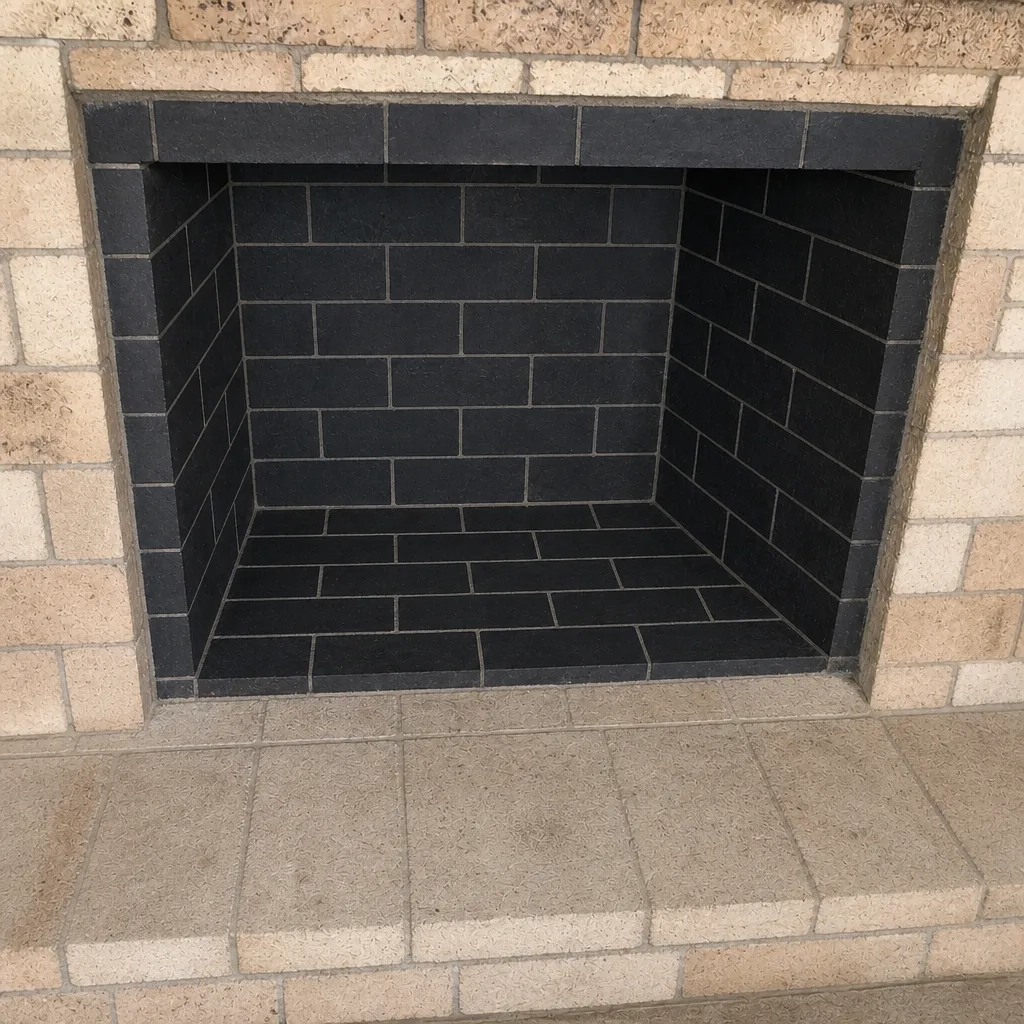
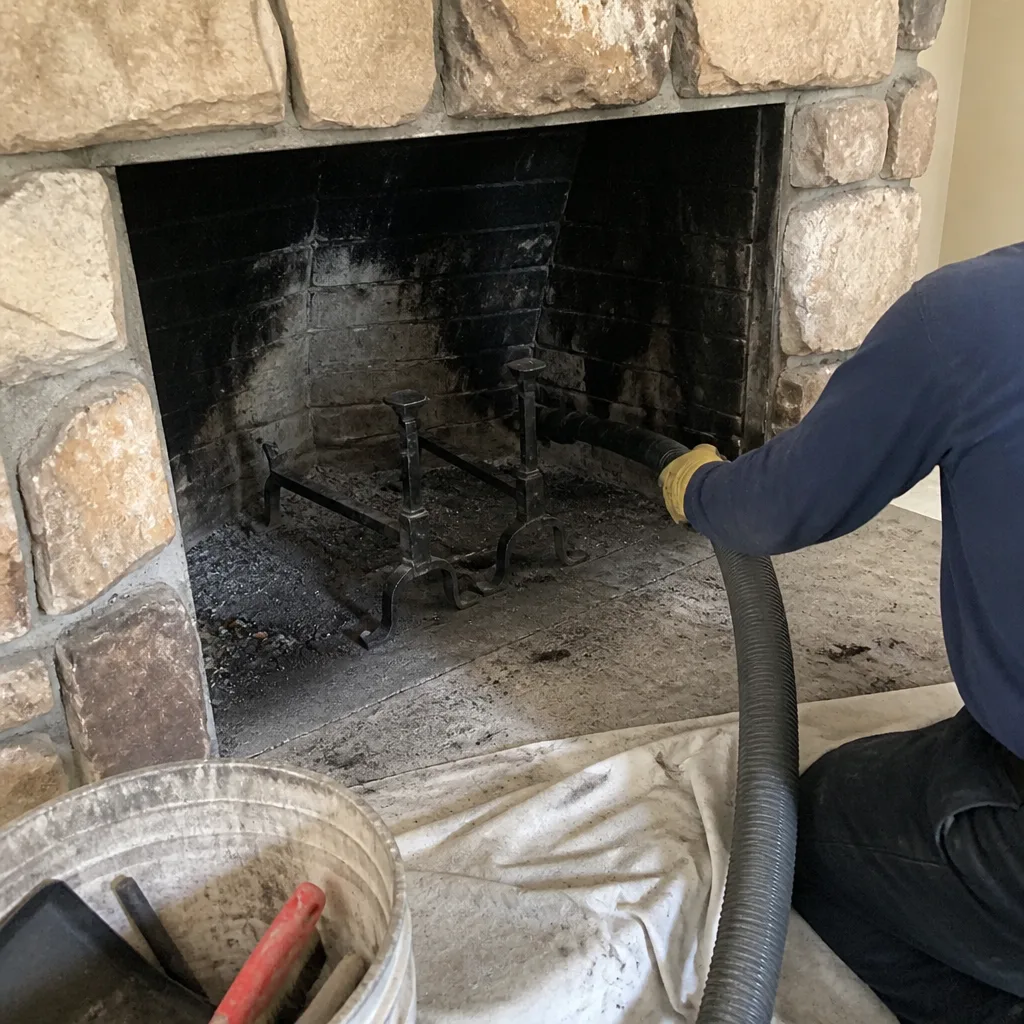
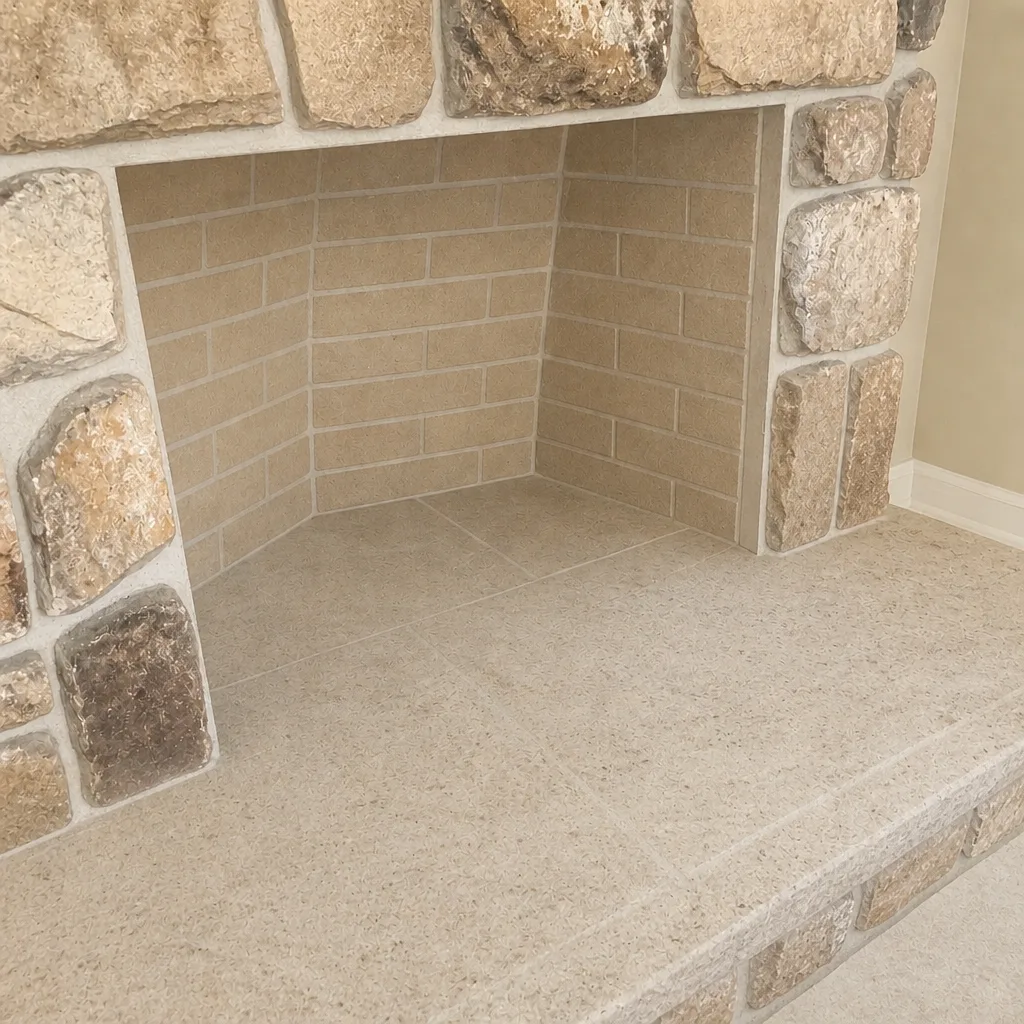
See the difference
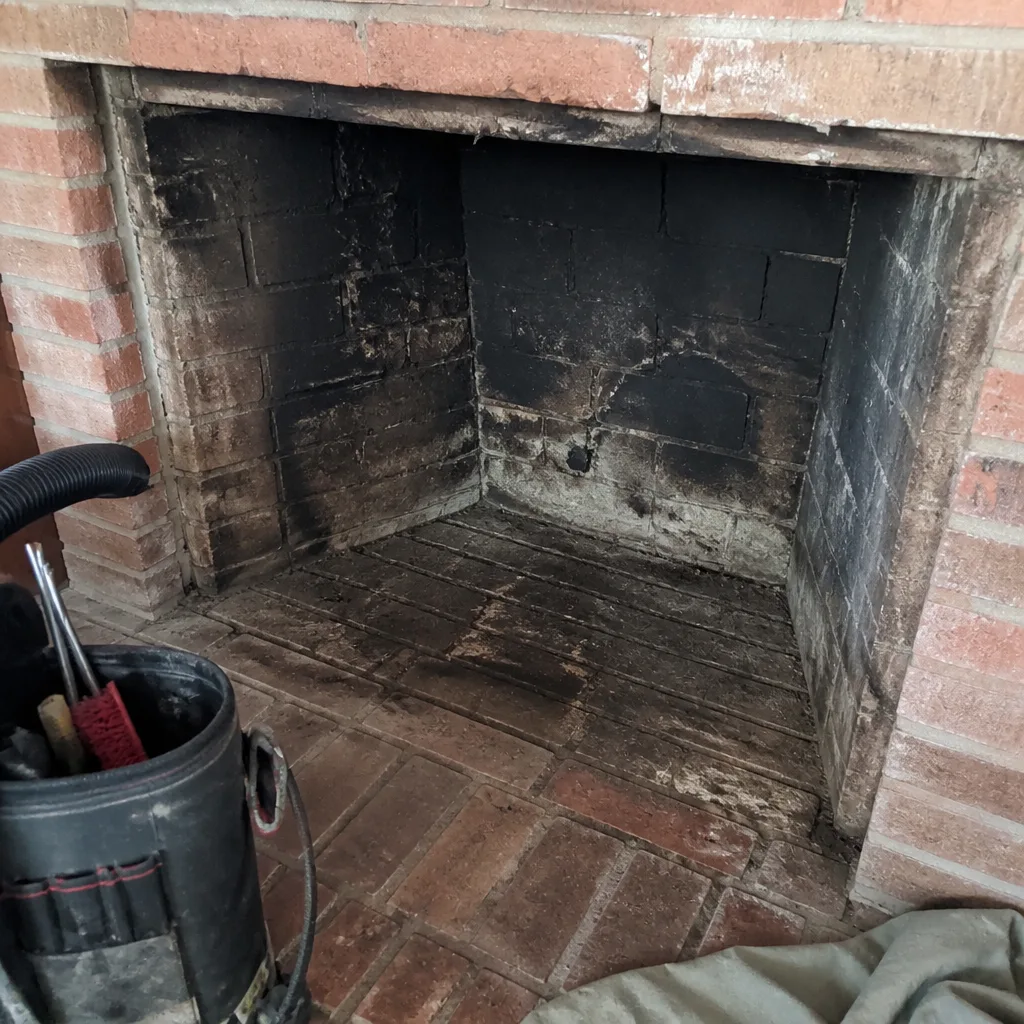 Before
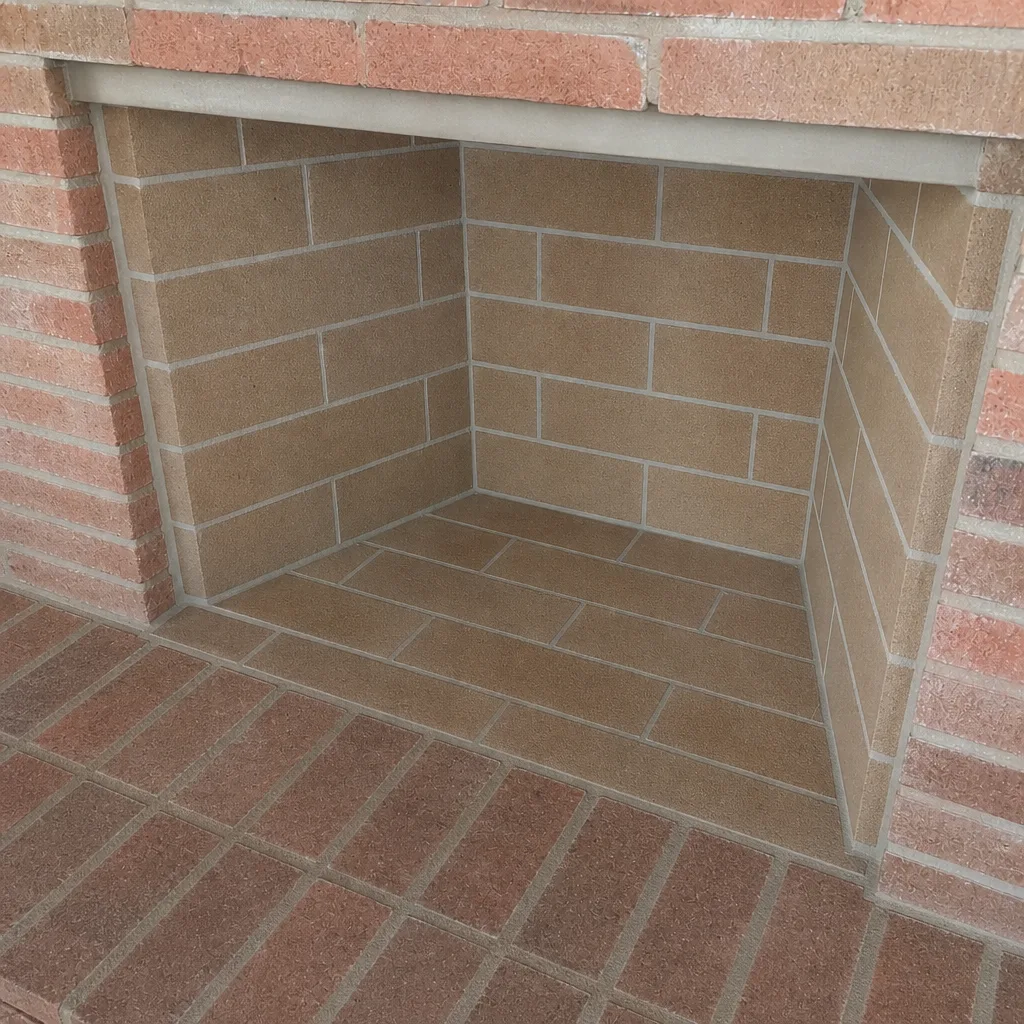 After
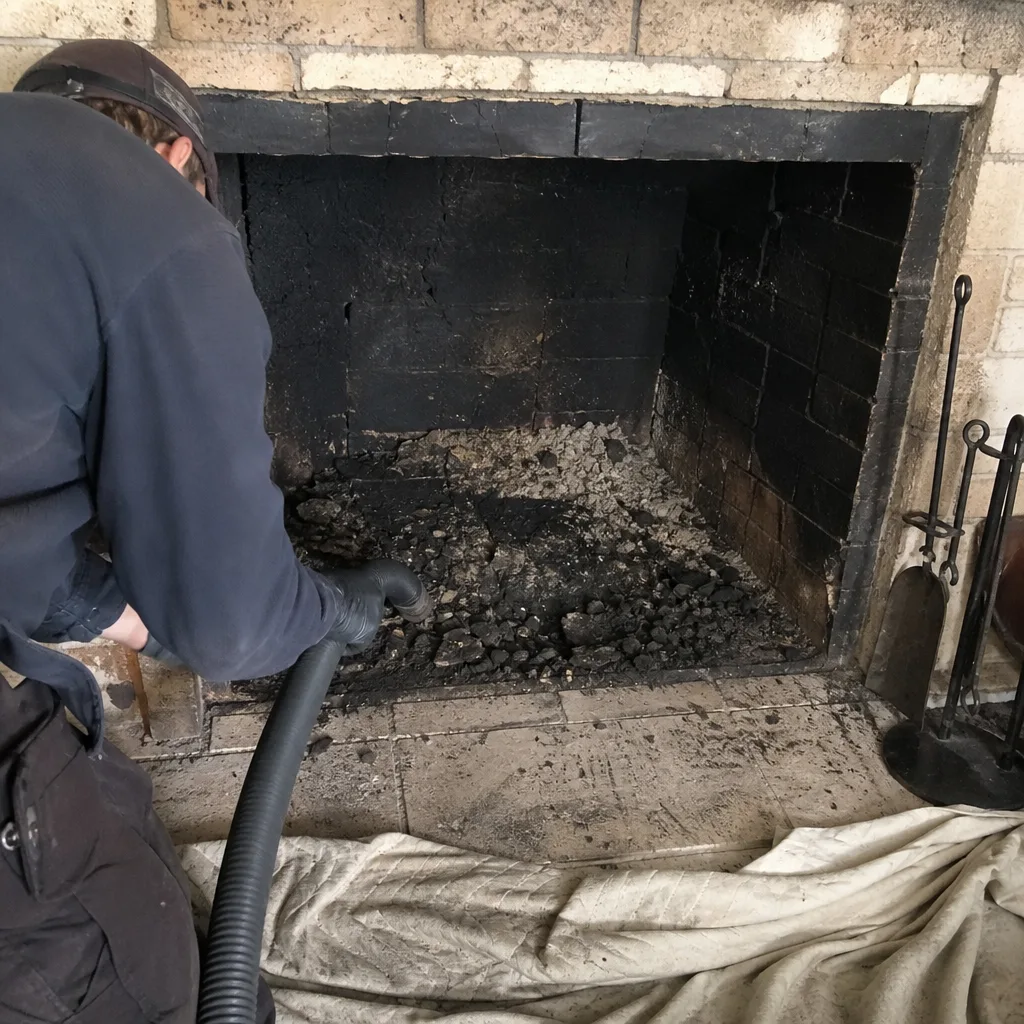 Before
 After
 Before
 After
When to Call a Professional
Some situations clearly call for a trained professional rather than a homeowner’s look. After any chimney fire, even a small one, a Level II inspection belongs on the calendar before the next fire is lit. If you’ve just bought a home or you’re preparing to sell, the same applies. A change of appliance or fuel type is another trigger. Persistent smoke-back into the room, a strong odor from the firebox, visible cracks in the firebox or liner, or a crown that’s crumbling are all reasons to get a professional evaluation rather than guess. And if a sweep uncovers enough creosote or structural damage that the scope is unclear, don’t let that sit through a heating season. Chimney Sweep West Jordan offers free estimates in West Jordan. Call (877) 404-8451. We answer 24/7, with fast dispatch from 7am to 7pm, Sunday through Friday. Estimates are free, and the written estimate sets the final price.
Frequently Asked Questions
No. A chimney cleaning is routine maintenance and does not require a permit in West Jordan. A permit question only enters the picture when the work changes the structure of the chimney or the venting system, such as relining, firebox repair, or an appliance change. Call (877) 404-8451 for an exact quote on a sweep or an inspection; estimates are free.
It may. Structural repair, relining, and any modification to the fireplace or venting system may require a permit under the building codes West Jordan enforces through its building department. The scope of the repair determines whether one is needed. Ask the contractor directly, and get a written scope before work starts. Call (877) 404-8451 to talk through your repair; estimates are free.
A Level II inspection is required by NFPA 211 any time the fuel type changes, after a chimney fire or other event that may have damaged the system, and during many property transfers. It’s also the right check after a reline or significant repair is complete. Call (877) 404-8451 to schedule one; estimates are free.
It depends on how much you burn, but the general rule is to sweep when creosote has built up enough to warrant it, and to have the system inspected at least once a year while it’s in use. West Jordan’s cold winters and long heating season mean a wood-burning fireplace can build creosote faster than a homeowner expects. Call (877) 404-8451 for an exact quote; estimates are free.
Creosote keeps accumulating, and the structural problems a cleaning would have caught go unaddressed until they’re bigger. The risks are chimney fire from creosote buildup and carbon monoxide from a flue that no longer vents correctly. Skipping isn’t a free choice; it’s a choice to defer a known risk. Call (877) 404-8451 to get on the schedule; estimates are free.
It can. An unpermitted reline or structural repair complicates an insurance claim review and raises questions during a home sale, because there’s no inspection record connecting qualified work to the change. Getting the permit and keeping the records keeps those reviews routine. Call (877) 404-8451 for an exact quote on the work you’re considering; estimates are free.
The Bottom Line
The permit line in West Jordan runs through the type of work, not the visit. Cleaning is maintenance; structural repair and relining may require a permit under the codes the city enforces, and knowing which is which protects you at resale and during an insurance claim. A Level II inspection with camera images is the diagnostic that tells you the scope before the repair is decided. Keep the records. Choose a contractor who names the materials, shows you the evidence, and respects the permit process. The chimney is a heating appliance, and treating it that way is the whole point.
Contact
If you’re ready for a straight answer about your chimney’s condition, get one before the next heating season starts. Chimney Sweep West Jordan handles sweeping, repair, and inspection under one roof, working with the materials professionals trust. Call (877) 404-8451 for a free estimate. We answer 24/7, with fast dispatch from 7am to 7pm, Sunday through Friday. Estimates are free, and the written estimate sets the final price.
Written by the team at Chimney Sweep West Jordan.