
Last updated November 16, 2026
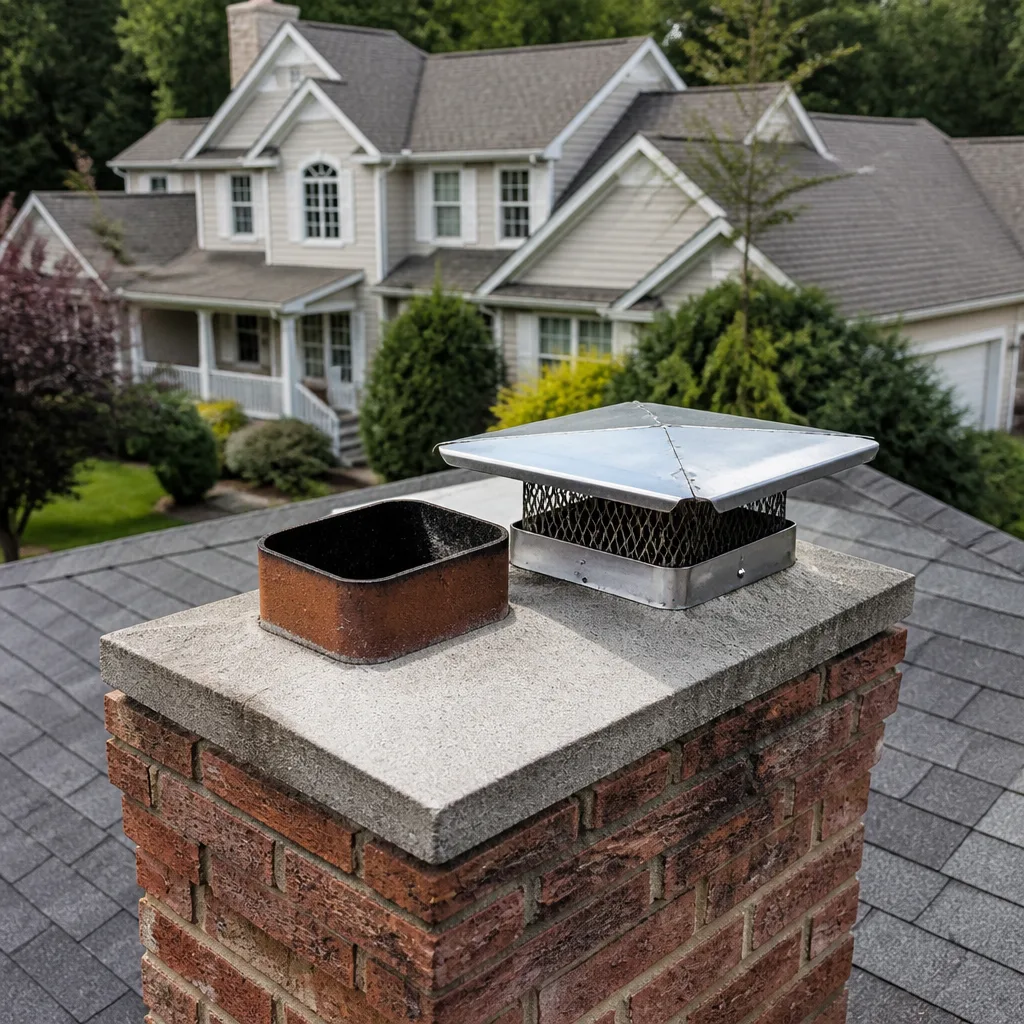 Sweep & inspection
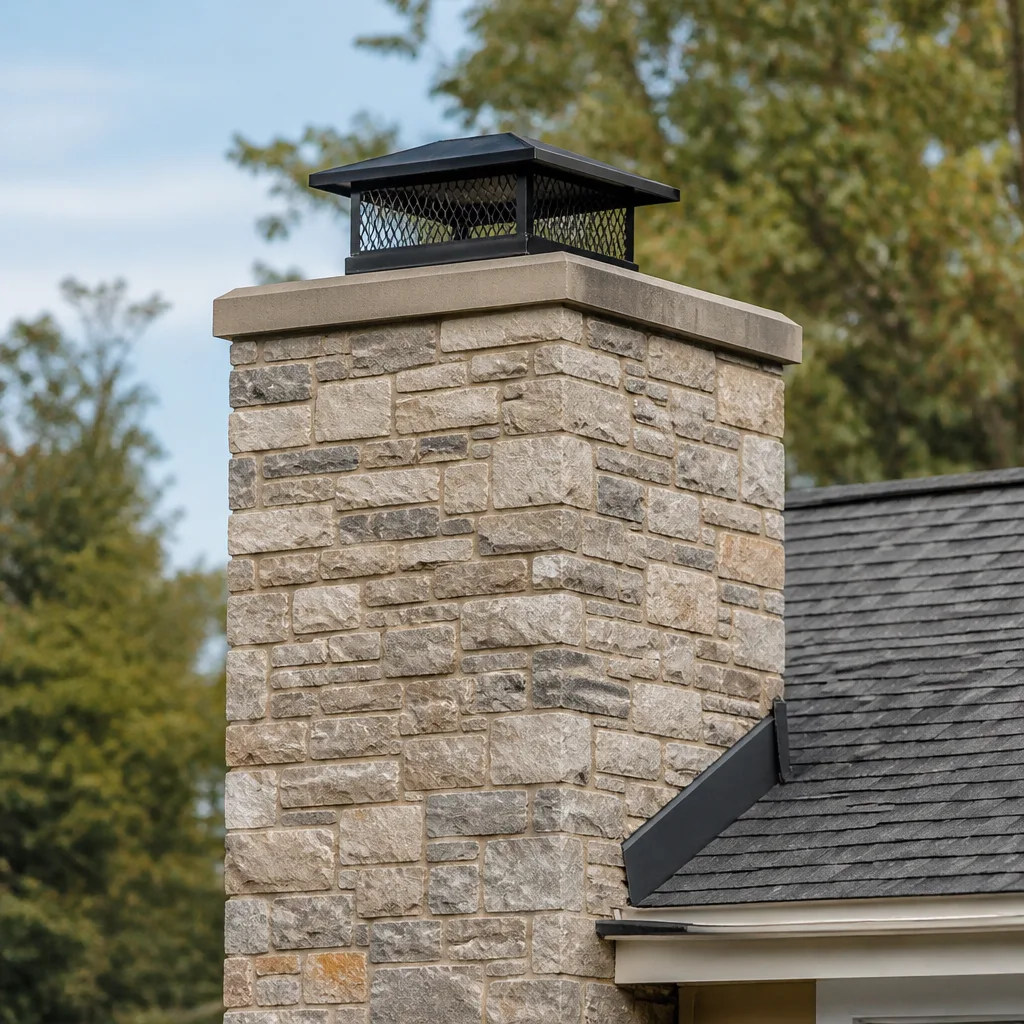 Caps & crowns
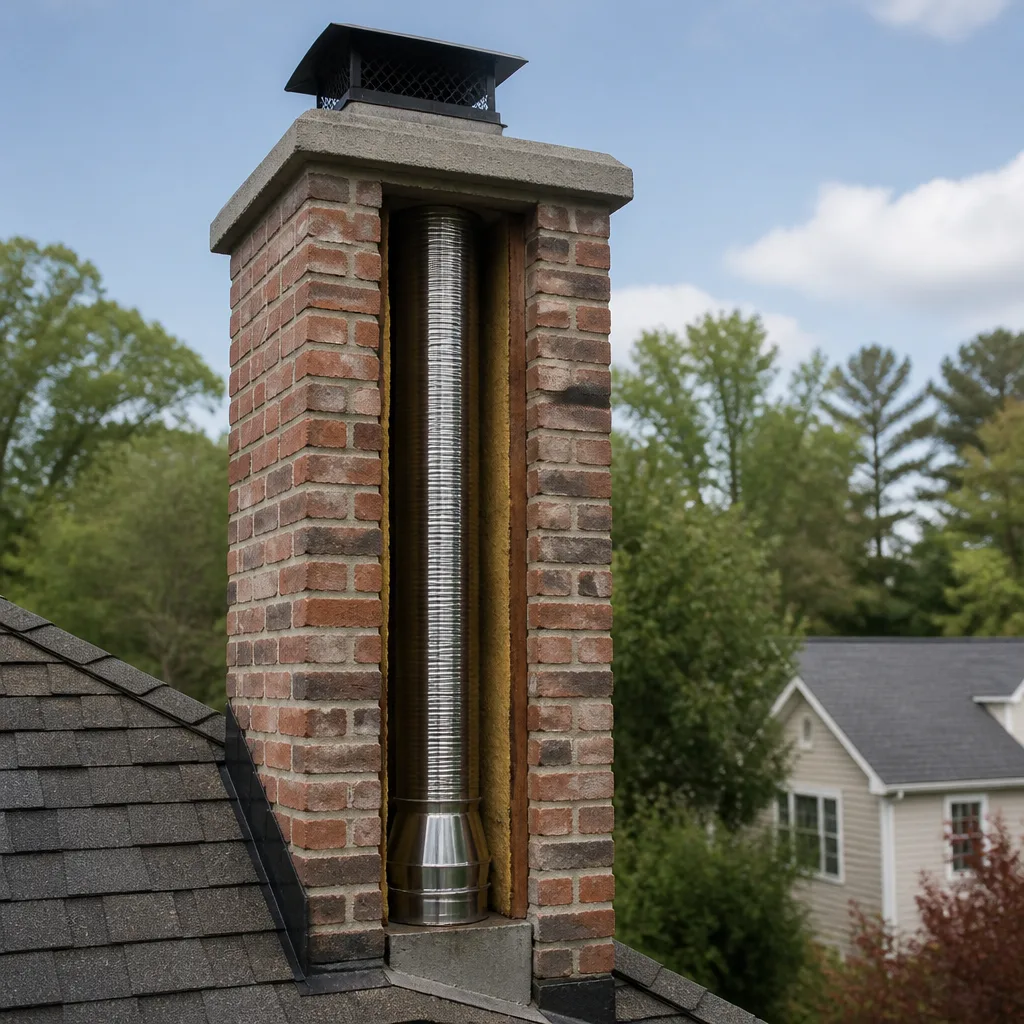 Flue relining
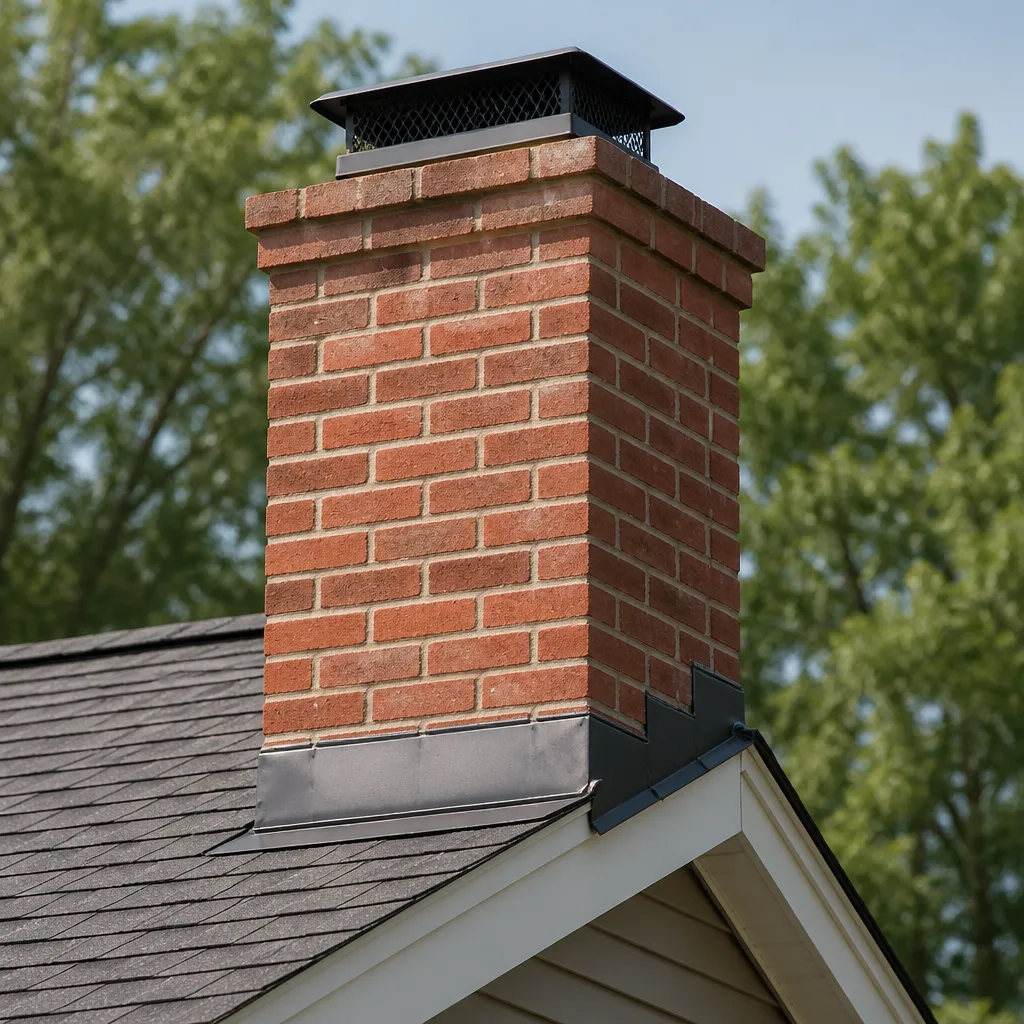 Masonry repair
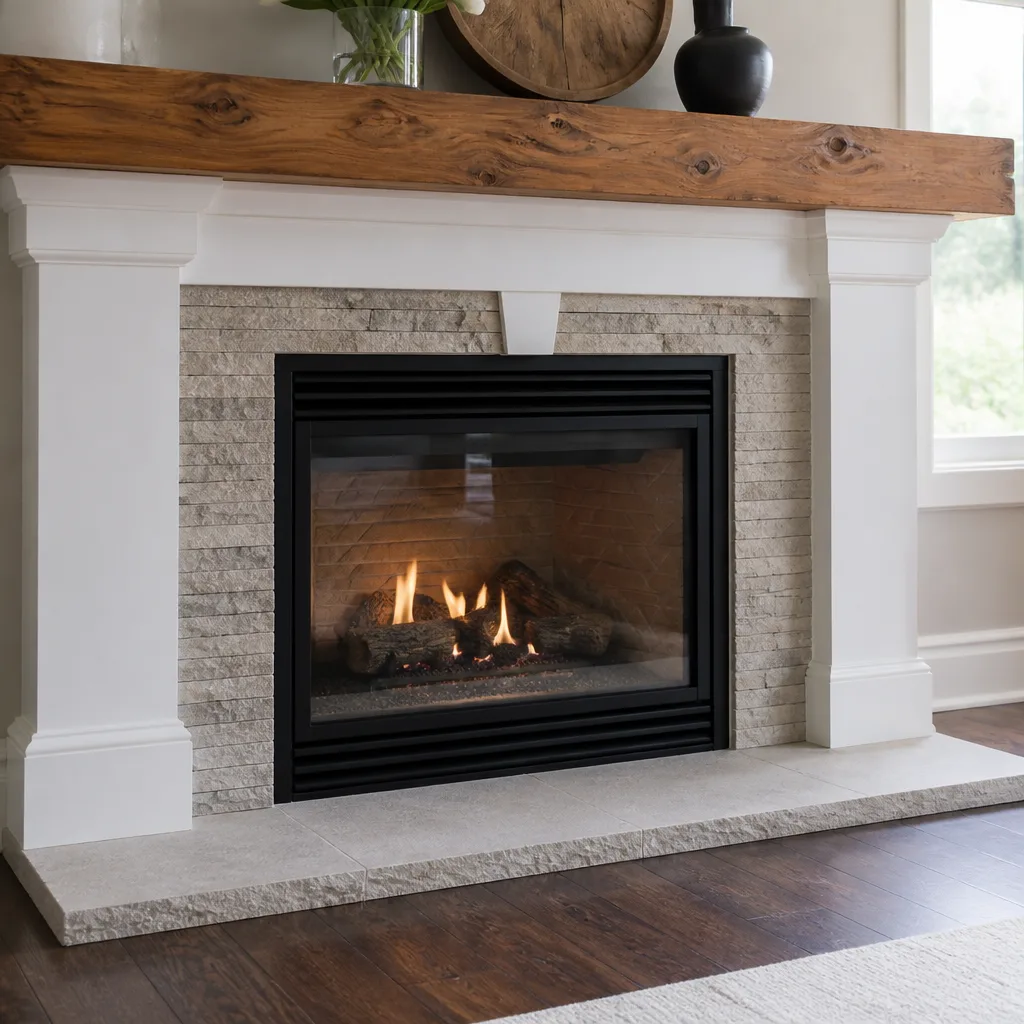 Gas fireplace service
Level 1 sweep and inspection to the NFPA 211 annual standard - flue, crown, cap, and flashing checked and photographed
Chimney sweep logs do not sweep chimneys. They loosen some creosote - which then falls where a brush and vacuum still have to collect it.
Chimney Sweep Maintenance Checklist for West Jordan Homeowners
The damper is the most-used moving part in your entire chimney system, and it’s the one almost nobody inspects. Homeowners who check the firebox every fall, who sweep ash off the hearth, who know exactly where the flue handle sits in the dark, often can’t remember the last time they looked up at the damper plate itself. It rusts, it warps, it stops sealing, and the first sign is usually smoke backing into the room or heat leaking straight up the flue all winter.
That gap says something about chimney care in general. Most checklists are built around what’s easy to see rather than how a chimney actually fails. What follows is a priority-ordered checklist for West Jordan homeowners, organized by what you can honestly assess yourself and what needs a technician’s camera and tools.
Quick Answer
A working chimney maintenance checklist for a West Jordan home covers four things in order: annual sweeping and inspection by a qualified technician, a homeowner walk-around of the exterior (crown, flashing, cap, mortar joints), a burn log that tracks how often and how hot you fire, and a look at the two components most guides skip entirely, the liner and the smoke chamber. The exterior and burn-log items you can do yourself. The liner, smoke chamber, and flue interior need a camera and the judgment that comes with doing it every day.
Styles & brands we work with
- Sweep & inspection
- Caps & crowns
- Flue relining
- Masonry repair
- Gas fireplace service
Table of Contents
- Why a Chimney Checklist Should Follow Failure Points, Not the Calendar
- What West Jordan Homeowners Can Self-Assess
- The Freeze-Thaw Problem: Reading Your Crown and Flashing
- Build a Burn Log: The Simplest Tool You’re Not Using
- What “Chimney Cap Condition” Actually Means
- The Two Components Missing From Most Checklists: Liner and Smoke Chamber
- How Often Should You Book a Sweep?
- A Season-by-Season Schedule for West Jordan
Why a Chimney Checklist Should Follow Failure Points, Not the Calendar
Most chimney checklists you’ll find online are organized by season. Clean in fall, inspect in spring, cap it before winter. That’s not wrong, exactly. But it treats every part of the chimney as equally likely to fail, and that’s not how chimneys work. A checklist that spends equal words on “look at the firebox” and “inspect the crown” is spending most of its energy on the parts that rarely go wrong.
The parts that actually fail, in our experience, split into two groups. The first is anything that sits outside in the weather: the crown, the flashing where the chimney meets the roof, mortar joints, and the cap. The second is anything that builds up or cracks where nobody looks: creosote inside the flue, a cracked liner tile, gaps in the smoke chamber above the damper. Everything else is maintenance. Those two groups are safety.
There’s a reason for that split. West Jordan homes get a genuinely wide swing between seasons. Summers push triple digits, winters drop below freezing, and the freeze-thaw cycle runs dozens of times a year. Materials that expand and contract that often tend to fail at the seams and joints first. Meanwhile, every fire you burn deposits creosote inside the flue, and that creosote doesn’t care whether anyone looked.
So the checklist below is ordered by failure point, not by month. The seasonal schedule comes at the end, once you know what actually matters enough to schedule. If you’d rather skip straight to the service, our chimney sweep page covers what a visit involves.
What West Jordan Homeowners Can Self-Assess
You don’t need to reline a chimney to know something’s off. A homeowner who knows what to look for can catch real problems early, and can describe them accurately when they call, which makes the first visit faster and more targeted. Three things you can honestly assess yourself.
Smoke Behavior
Smoke is the chimney telling you something. Watch what happens when you first light a fire. A brief puff of smoke into the room when you open the damper is normal in many homes. Smoke that lingers, that rolls out over the hearth while the fire is burning, or that comes back down after the fire is going is not. That points to a draft problem, which can come from a cold flue, a partial blockage, an oversized flue for the appliance, or a damper that isn’t opening fully.
Note when it happens: on cold starts only, throughout the burn, or when a particular wind hits the house. That detail helps a technician diagnose faster than any description of the fire itself.
Odor
A chimney that smells strongly of creosote, especially on warm, humid days when there’s no fire, is telling you there’s buildup inside it. The smell is stronger when the air pressure inside the house changes, which is why it’s often worst on a humid summer afternoon. Any persistent odor from the firebox with no fire burning is worth mentioning at your next visit.
Draft Pull
With the damper open and no fire lit, hold a lit match or a thin piece of tissue near the damper opening. A steady pull toward the flue is what you want. No pull, or a reverse pull toward the room, means something is interfering. Do this test with a fireplace, not with a wood stove door propped open, and don’t do it while any appliance is running. If you’re unsure what you’re seeing, say so when you call and the technician can check it as part of the inspection.
Those three tests cost nothing and require no tools. What they can’t tell you is what’s happening inside the flue, which is why the camera comes next.
The Freeze-Thaw Problem: Reading Your Crown and Flashing
The chimney crown is the concrete slab on top of the chimney that sheds water away from the flue. It’s the most exposed part of the structure, and in West Jordan it takes a beating. Water gets into a hairline crack, freezes overnight, expands, and widens the crack. Thaw it the next day and repeat. Over a season that cycle turns a hairline into a real opening.
Here’s how to read it from the ground, with binoculars if your roof is steep.
- Visible cracking on the crown surface. Hairline cracks are common and not automatically serious. Cracks wide enough to catch a fingernail, or cracks that run in a line from the flue out to the edge, are the ones to report.
- Crumbling or flaking at the crown edges. That’s spalling, and it usually means water has been getting in for a while. A crown that has lost material at the edge is no longer shedding water the way it should.
- Rust stains or dark streaking on the chimney sides below the crown. Water is escaping the crown and running down the masonry. The stain is the evidence.
- Rusted or missing flashing where the chimney meets the roof. Flashing is the metal that seals the roof-to-chimney joint. Look for lifted edges, visible gaps, cracked sealant, or rust bleeding onto surrounding shingles.
- White, chalky staining on the brick. That’s efflorescence, and it means moisture is moving through the masonry and evaporating on the surface. It doesn’t tell you where the water is entering, but it confirms that it is.
What you cannot assess from the ground is whether water has already reached the framing inside the chimney chase. That’s a job for a technician with a camera and a moisture meter. If you see any of the five indicators above, a chimney repair inspection is worth booking before the next freeze.
Build a Burn Log: The Simplest Tool You’re Not Using
A burn log is exactly what it sounds like: a short record of each fire you burn. Not a diary, not a journal. A line or two, kept on the hearth or on a notepad by the woodpile. It takes ten seconds per fire, and it makes every future sweep visit more accurate.
Here’s why it works. Creosote buildup is a function of three things: how often you burn, how hot the fire runs, and how dry your wood is. A technician arriving at a chimney has no way to know any of those without asking, and homeowners are unreliable narrators of their own burning habits. “A few fires a month” could mean six or sixty. A log turns a guess into a number.
What to record for each fire:
- The date.
- Roughly how long the fire burned, in hours.
- How hot it ran, in plain terms: a hot fire with the damper open, a moderate fire, or a smoldering overnight burn with the draft closed down.
- The wood. Species if you know it, and whether it was seasoned or green.
- Anything unusual: smoke spilling into the room, a smell, a draft you haven’t noticed before.
The last two items matter more than they look. A log that records green wood and smoldering overnight burns tells a technician to expect heavier creosote before the camera even goes up. A log with notes like “smoked on a windy day in January” gives them a specific condition to reproduce.
On the sweep side, the log tells you when you’re actually due. A household burning two cords of seasoned wood a year with hot fires is on a different schedule than one burning a face cord of mixed wood in smoldering overnight burns. Same chimney, different rate of buildup.
What “Chimney Cap Condition” Actually Means
Most guides reduce the cap to one question: is it still on the chimney? That’s the least interesting answer. A cap that’s still attached but has lost its screen, has a rusted top plate, or sits loose on the flue can be a bigger problem than one that’s missing entirely, because it looks fine from a distance and quietly fails.
A proper chimney cap does three jobs. It keeps rain out of the flue. It blocks animals and nesting debris. And it helps the flue draft correctly by breaking the wind across the top of the chimney.
When a technician evaluates cap condition, they’re checking:
- The screen or mesh. Intact, rusted through, or missing. A rusted screen blocks airflow and can shed fragments into the flue. A missing screen invites birds and squirrels, whose nests are a fire hazard and a blockage.
- The top plate. Solid, dented, rusted through, or missing. A rusted-through plate lets water straight into the flue.
- The fit on the flue. Seated properly, or loose enough to rattle and shift in wind. A loose cap can be knocked off by wind, and can also allow water to enter around the gap.
- The attachment to the masonry. Legs or brackets anchored into the crown, or corroded and barely holding.
The brand matters here more than most homeowners realize. We work with Famco and Copperfield for capping and venting accessories because the fit and material quality hold up better than big-box substitutes. A properly fitted cap on a West Jordan chimney can last a long time. A cheap one can rust out in a couple of seasons.
The Two Components Missing From Most Checklists: Liner and Smoke Chamber
Search “chimney maintenance checklist” and you’ll find firebox cleaning, creosote sweeping, and cap inspection. All useful. What almost none of them mention is the liner and the smoke chamber, and those are the two components where a chimney actually fails in a way that matters for safety.
The Liner
The liner is the flue surface the smoke travels against on its way up. In older homes it’s often clay tile. In newer ones it may be a stainless steel system. Either way, its job is to contain combustion gases and keep them from reaching the framing of the house. A cracked clay tile, a separated joint, or a deteriorated liner allows heat and gases into places they should never reach.
A camera inspection is the only way to see a liner’s true condition. From the firebox it looks fine. From the top it looks fine. Ten feet up it can be cracked in a way that will only be found with a flue camera and an honest description of what the footage shows. When a liner does need replacement, the material matters: we work with DuraFlex stainless systems and HeatShield for resurfacing in cases where that’s appropriate, and both are professional-grade products rather than the big-box alternative. The right liner, installed right, is the whole point.
The Smoke Chamber
The smoke chamber is the tapered space directly above the damper and below the flue. Smoke collects there before it funnels into the flue, and the surfaces inside it are often rough, corbelled brick that catches creosote and ash. A smoke chamber with heavy buildup or rough surfaces can slow the draft and turn a well-functioning fireplace into a smoky one. It’s also one of the harder areas to inspect without the right equipment.
Both of these should be on the checklist. Both require a technician. If you’ve been told before that your chimney “looked fine,” ask specifically whether the liner and smoke chamber were inspected with a camera. If they weren’t, the answer wasn’t complete.
How Often Should You Book a Sweep?
Once a year is the standard recommendation for a wood-burning chimney in active use, and it holds up well for most West Jordan homes. But the standard assumes a typical burn pattern. Your burn log is a better guide than a general rule.
Schedule a sweep sooner if any of these apply:
- You burn more than a typical household, or burn green or unseasoned wood.
- You’ve had a chimney fire, even a small one you put out yourself.
- You’ve noticed smoke backing into the room or persistent odors.
- It’s been more than a year since the last visit, or you don’t remember when it was.
- You’ve moved into a home where the chimney’s history is unknown.
A sweep isn’t just a cleaning. In our view it’s a safety evaluation, and it should be treated as one. The camera goes up, the technician reports what’s actually there, and you get an honest picture of condition before any recommendation is made. If the chimney doesn’t need repair work yet, that’s a valid answer, and we’ll say so. Getting a Chimney Sweep West Jordan booked ahead of the burning season is the simplest way to know where your chimney stands.
A Season-by-Season Schedule for West Jordan
The failure points above translate into a schedule that tracks the local climate. Here’s the working version.
Spring. After the last fire of the season, walk the exterior and look at the crown and flashing with the five indicators above in mind. Spring is the best time to catch winter damage, because the freeze-thaw cycle has just finished and any new cracking is fresh. If a repair is needed, it can be scheduled ahead of the next burning season instead of squeezed into the fall rush.
Summer. This is when a sweep and camera inspection is easiest to book and when the findings can be acted on without pressure. West Jordan summers are dry and hot, and a chimney that’s had damage all winter is only getting older. If you have a wood stove, this is also the time to check the stovepipe joints and the cap while no fire is running.
Early fall. Fire up the first small fire of the season and practice the smoke-behavior test. Open the damper and check it moves through its full range freely. Start or continue the burn log. If you haven’t had a sweep and inspection yet, this is the last comfortable window before burning season.
Winter. Burn seasoned wood. Keep the log. If anything changes in smoke behavior, odor, or draft, note it in the log and mention it when you call. Don’t smolder overnight unless you’re consciously accepting the heavier creosote that comes with it, and note in the log when you do.
Common Mistakes to Avoid
- Treating inspection as a formality. An inspection without a camera is a surface check, not a safety evaluation. Ask what the technician will actually see, and ask for the footage or a description of it.
- Assuming green wood is fine if it burns. Green wood burns, but it burns cool and leaves far more creosote in the flue than seasoned wood. It’s the most common cause of heavy buildup we see.
- Tightening a loose cap without checking what’s under it. A cap that’s shifted usually means debris or animal activity has gotten in. Reattach it without looking and the problem stays hidden.
- Ignoring a crown because “it’s just cracked concrete.” The crown is the chimney’s first line of defense against water. Ignore it and the water reaches the masonry, the liner, and eventually the framing.
- Burning paper, cardboard, or Christmas trees in the fireplace. These create fast, hot, spark-heavy fires and leave significant creosote. Stick to seasoned wood.
- Never checking whether the flue actually matches the appliance. A flue sized for an open fireplace and later used with a wood stove insert may draft poorly. That’s not a cap problem and not a sweeping problem; it’s a sizing question for a technician.
- Trusting a recommendation without evidence. If you’re told you need thousands of dollars of liner or masonry work, ask to see what the technician saw. Any chimney professional worth hiring will show you.
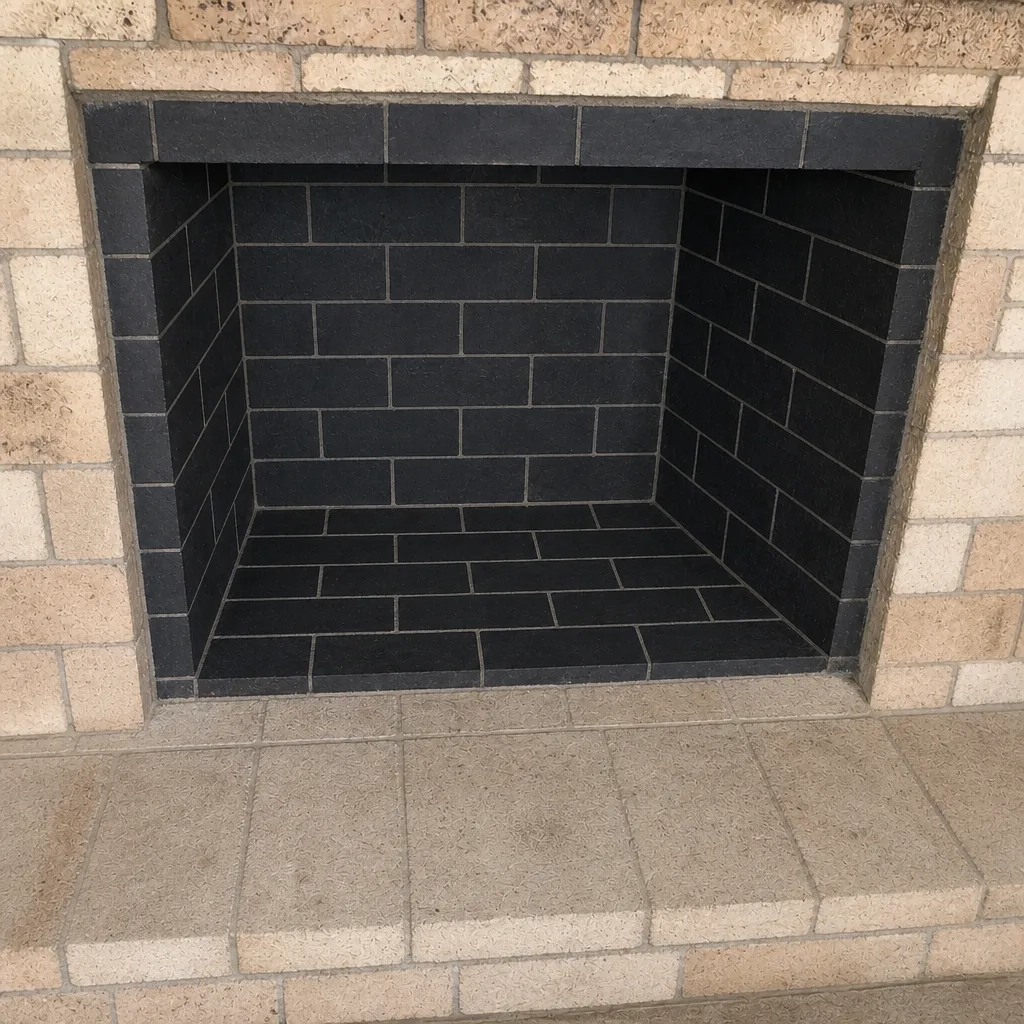
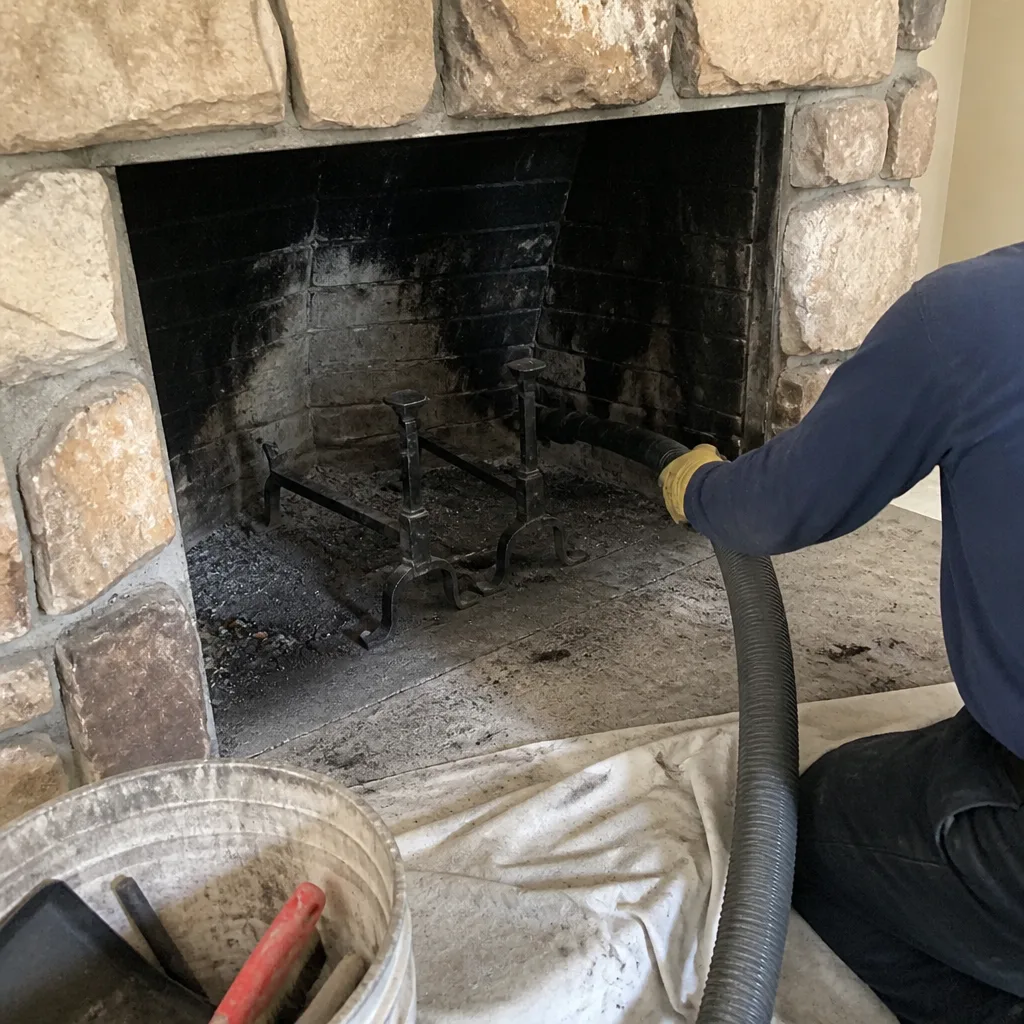
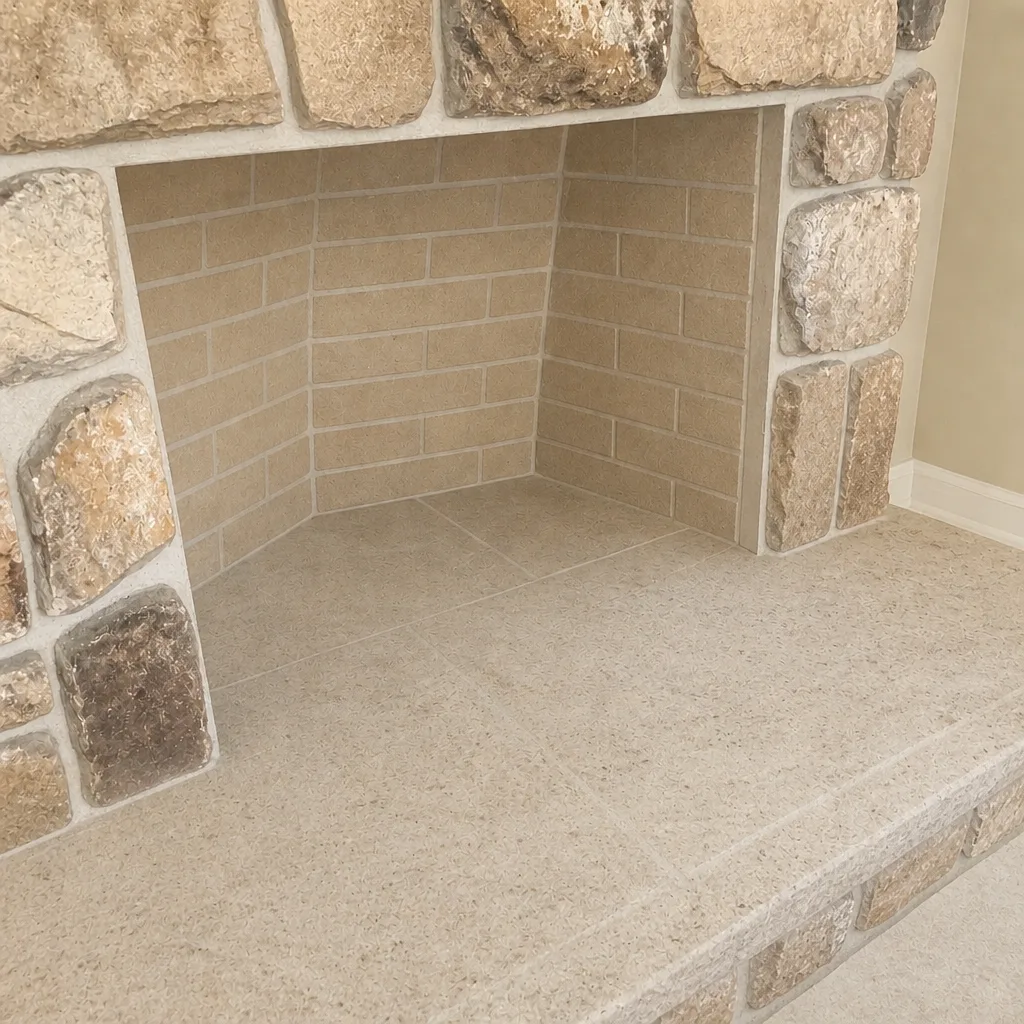
See the difference
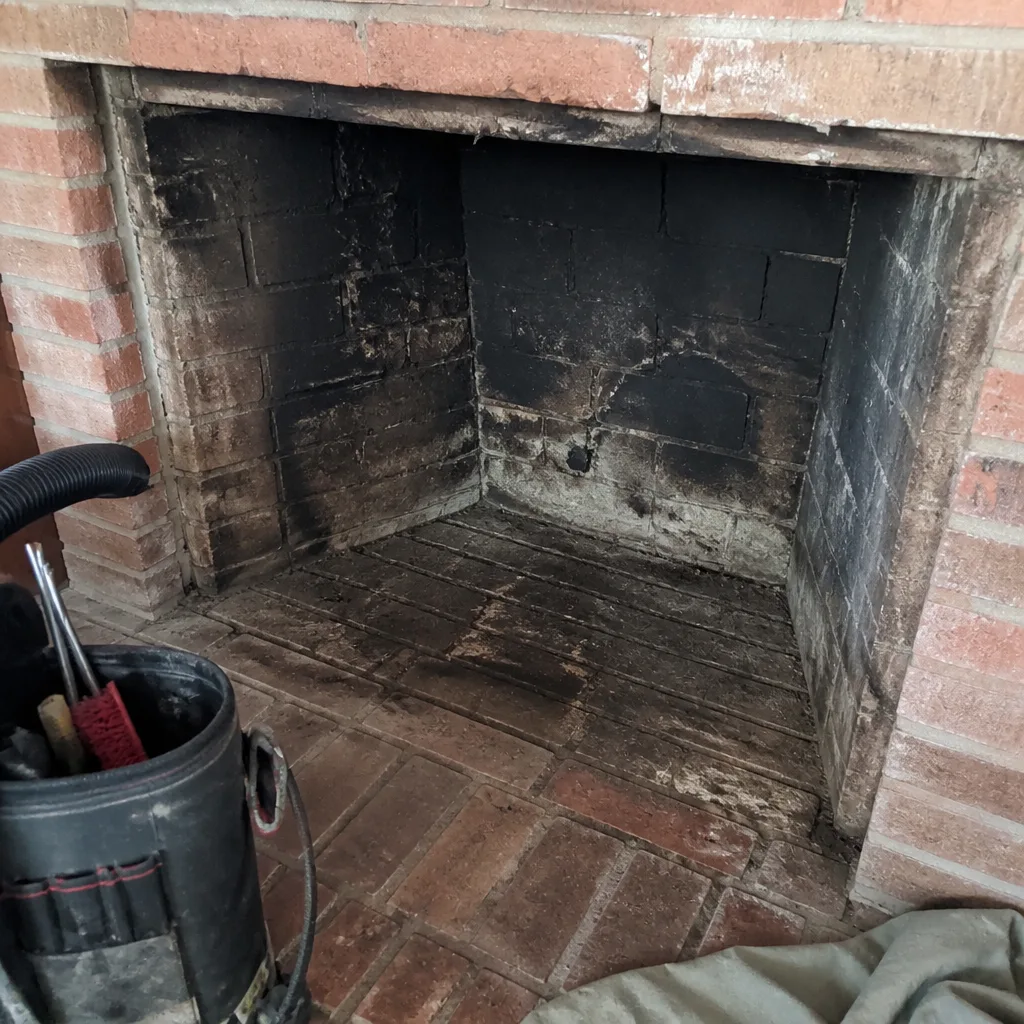 Before
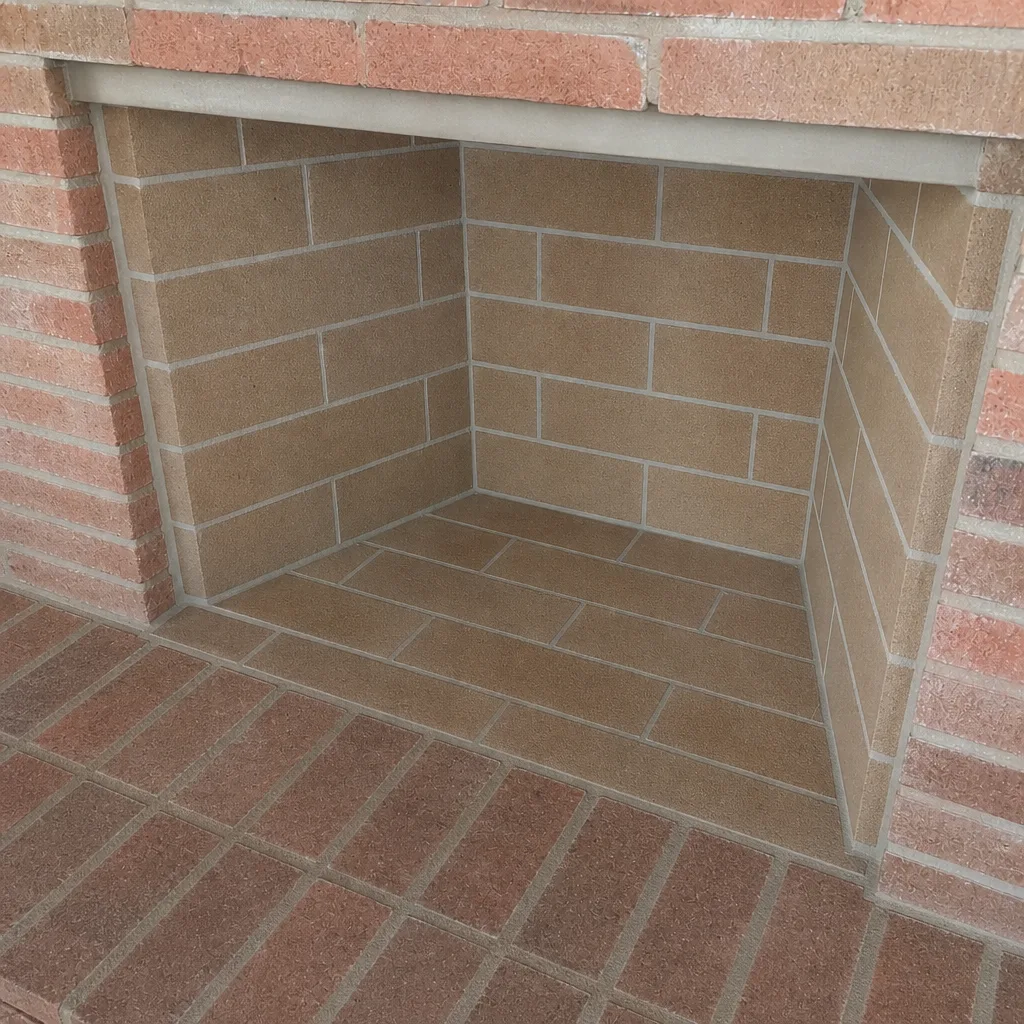 After
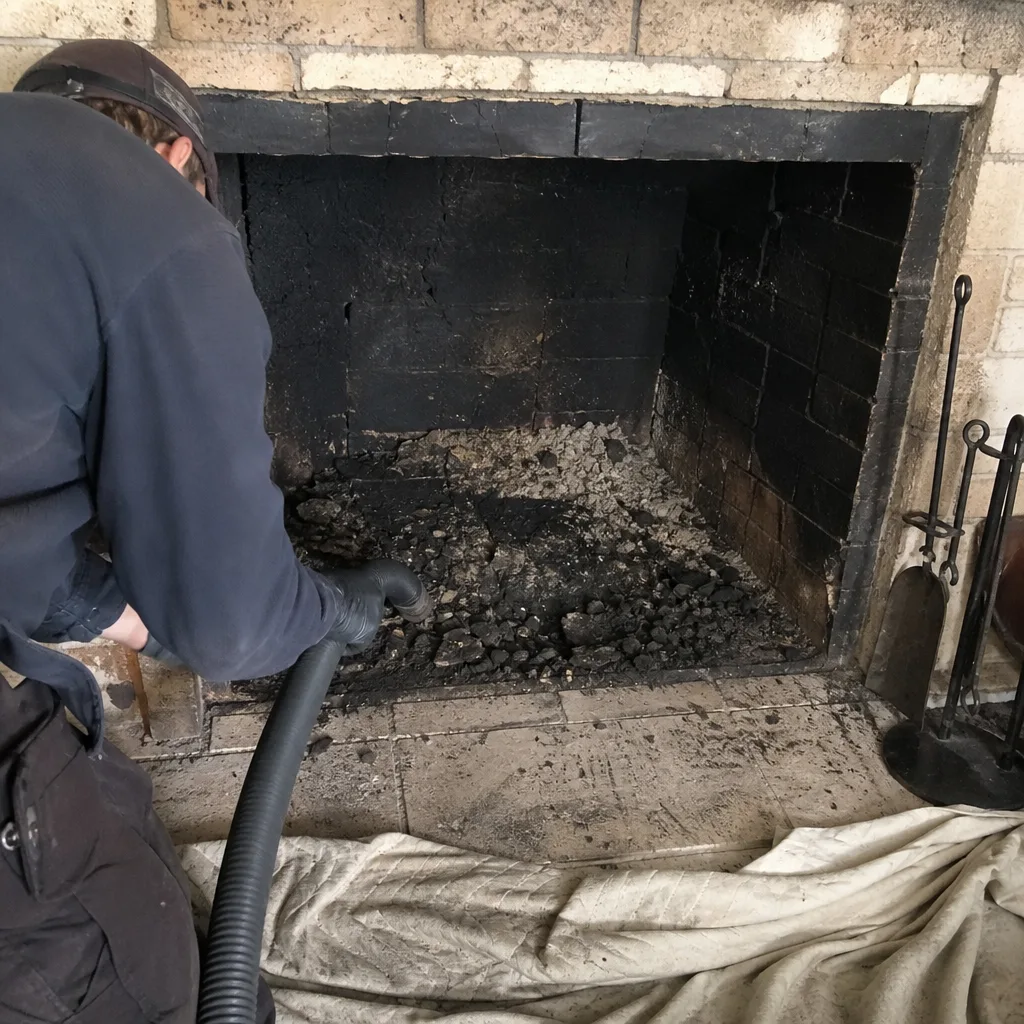 Before
 After
 Before
 After
When to Call a Professional
Some things in this guide you can do yourself. These you shouldn’t:
Any sign of cracking or spalling on the crown or flashing, because water damage compounds quickly in a West Jordan freeze-thaw cycle. Any persistent smoke spillage or odor, because it means something in the flue or draft path is compromised. Any recommendation of liner or smoke chamber work, because that requires a camera assessment and professional-grade materials. Any chimney fire, even one you put out yourself, because creosote fires can leave internal damage no fire extinguisher will reveal. And any chimney that hasn’t been swept in over a year, or whose history you don’t know.
Chimney Sweep West Jordan offers free estimates in West Jordan. Call (877) 404-8451. Our technicians have up to 8 years of experience, and every visit is treated as a safety evaluation, not a cleaning call. Call us today.
Frequently Asked Questions
The liner and the smoke chamber belong on every checklist and rarely are. Most consumer checklists cover the firebox, cap, and creosote, but those two components are where serious failures actually happen, and both need a camera to inspect properly. Call (877) 404-8451 for an exact quote on a full camera inspection. Estimates are free.
Once a year for an actively used wood-burning chimney, and more often if you burn heavily, burn green wood, or have had a chimney fire. Your burn log is a better guide than the general rule because it shows the technician actual burn frequency and wood quality. Call (877) 404-8451. We answer 24/7.
Not always. A liner needs replacement when it’s cracked, separated, or deteriorated enough that combustion gases or heat can reach the surrounding structure. That determination should come from a camera inspection with footage you can see, not from a visual peek from the firebox. If a technician can’t show you the evidence, get a second opinion. Call (877) 404-8451 to book an inspection and get a straight answer.
Creosote keeps accumulating, and heavier buildup raises the risk of a chimney fire. A blocked or narrowed flue can also push carbon monoxide back into the home. The risk builds slowly, which is exactly why it’s easy to underestimate. Call (877) 404-8451 before burning season and a technician can tell you where yours stands.
Partially. You can check smoke behavior, odor, and draft pull from the firebox, and you can inspect the crown and flashing from the ground or with binoculars. What you can’t assess yourself is the inside of the flue, the liner, or the smoke chamber. Those need a camera and a trained eye. Call (877) 404-8451 to book a sweep and inspection.
Summer, or late spring after the last fire of the season. The freeze-thaw damage from winter is fresh and easy to spot in spring, and summer gives you time to schedule any repair work well before burning season. Fall works too, but the schedule fills up. Call (877) 404-8451 and we’ll find you a slot. Fast dispatch from 7am to 7pm, Sunday through Friday.
The Bottom Line
A maintenance checklist that follows failure points beats one that follows the calendar. The parts of a West Jordan chimney most likely to fail are the ones exposed to weather (crown, flashing, cap) and the ones nobody looks at (liner, smoke chamber, creosote buildup). You can check the exterior yourself, and a simple burn log makes every professional visit more accurate. What you can’t do yourself is inspect the inside of the flue, and that’s exactly where an honest safety evaluation happens. Work with a chimney specialist who uses professional-grade materials from brands like DuraFlex and HeatShield for relining and restoration work, and who will show you the camera evidence before recommending anything.
We work across West Jordan on sweep, repair, and inspection calls. One call covers all three, and the estimate is free.
Call (877) 404-8451 for a free estimate. We answer 24/7. Fast dispatch from 7am to 7pm, Sunday through Friday.
Written by the team at Chimney Sweep West Jordan.