
Last updated November 16, 2026
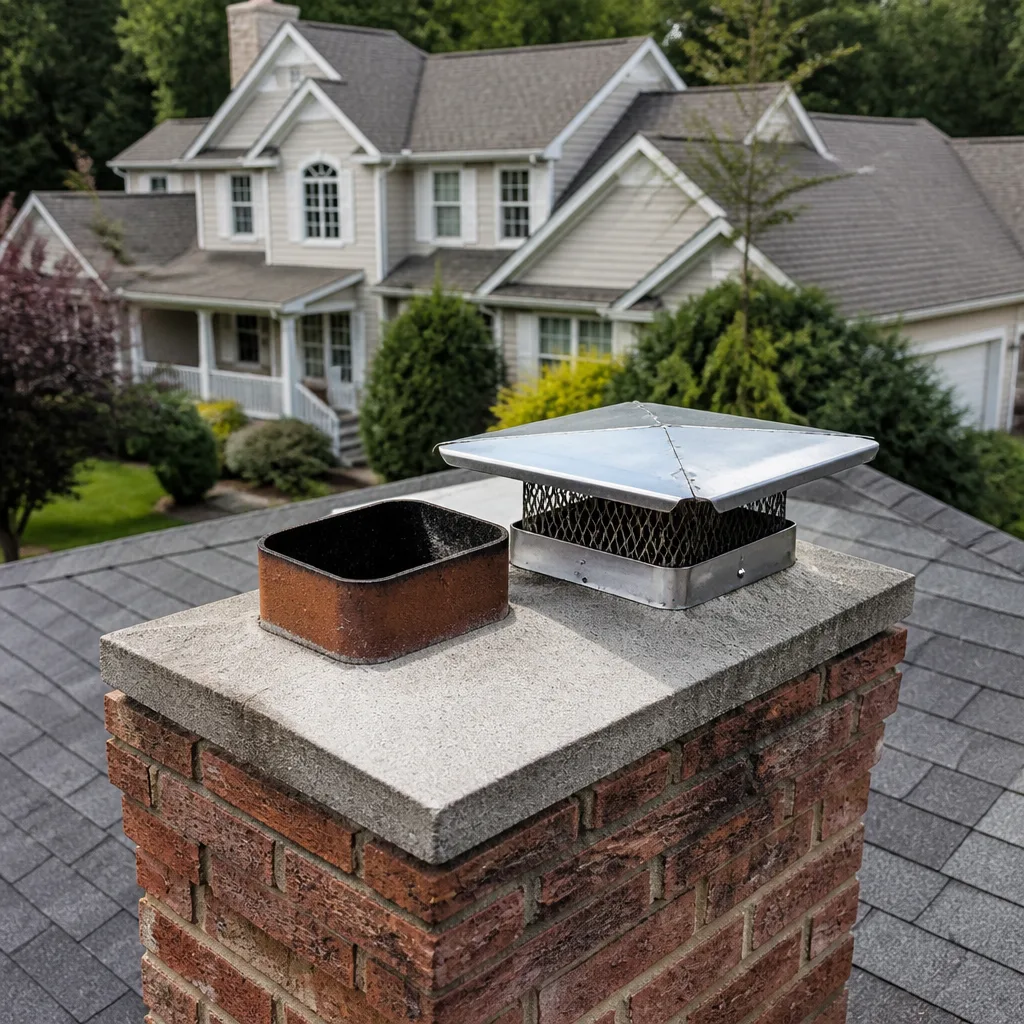 Sweep & inspection
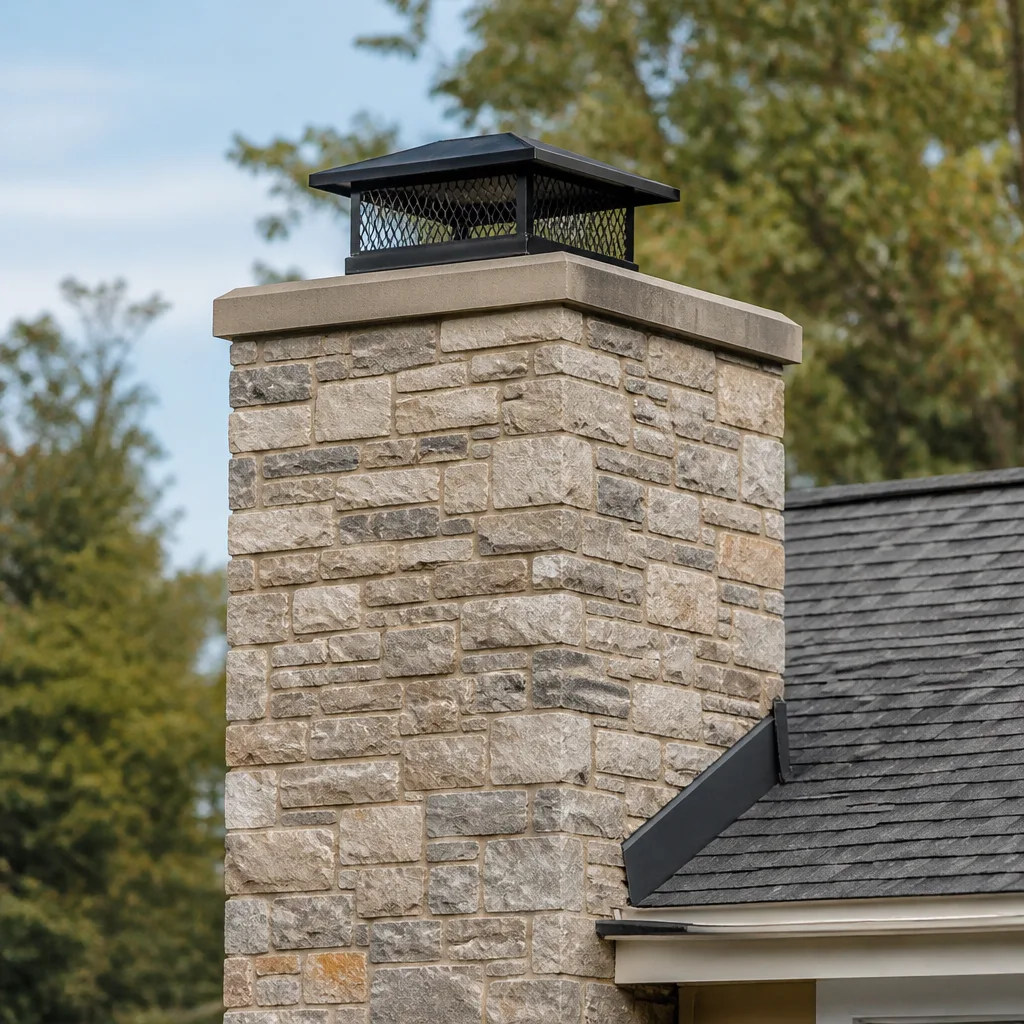 Caps & crowns
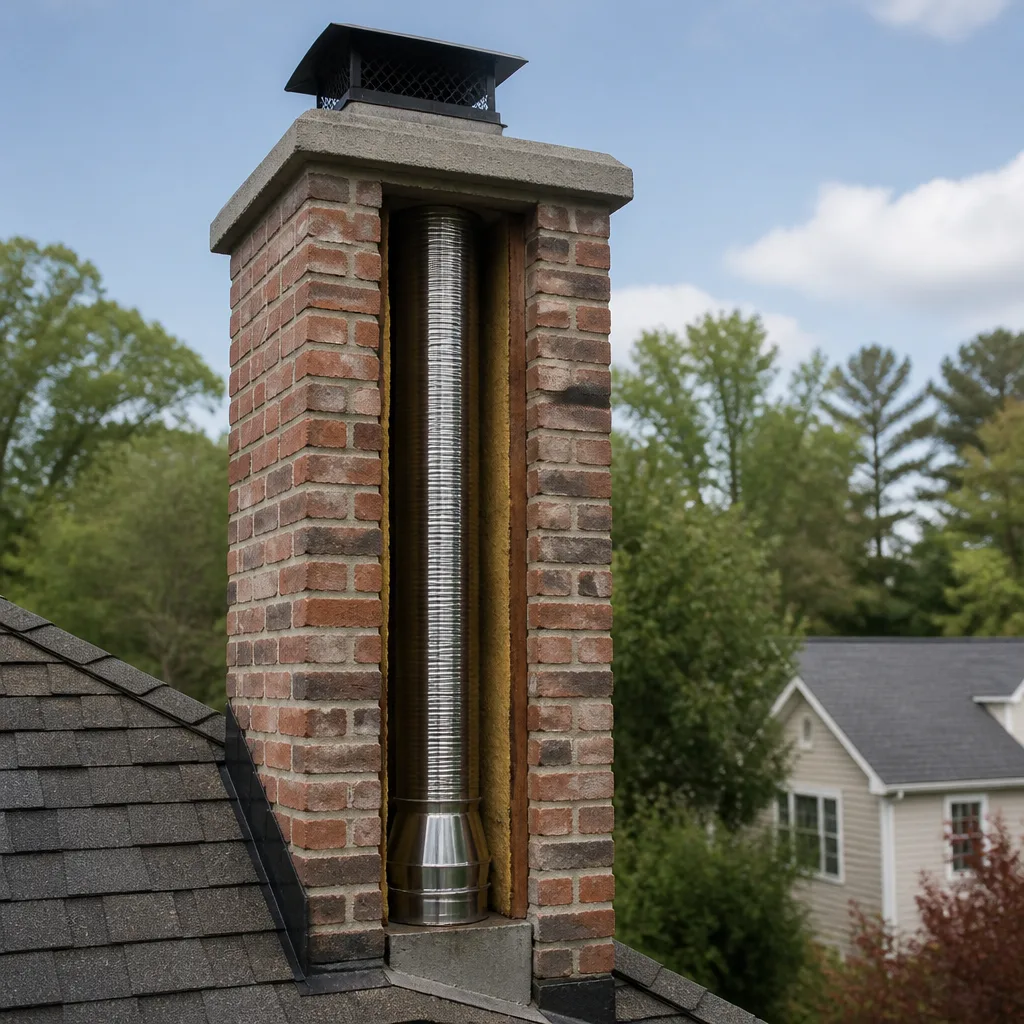 Flue relining
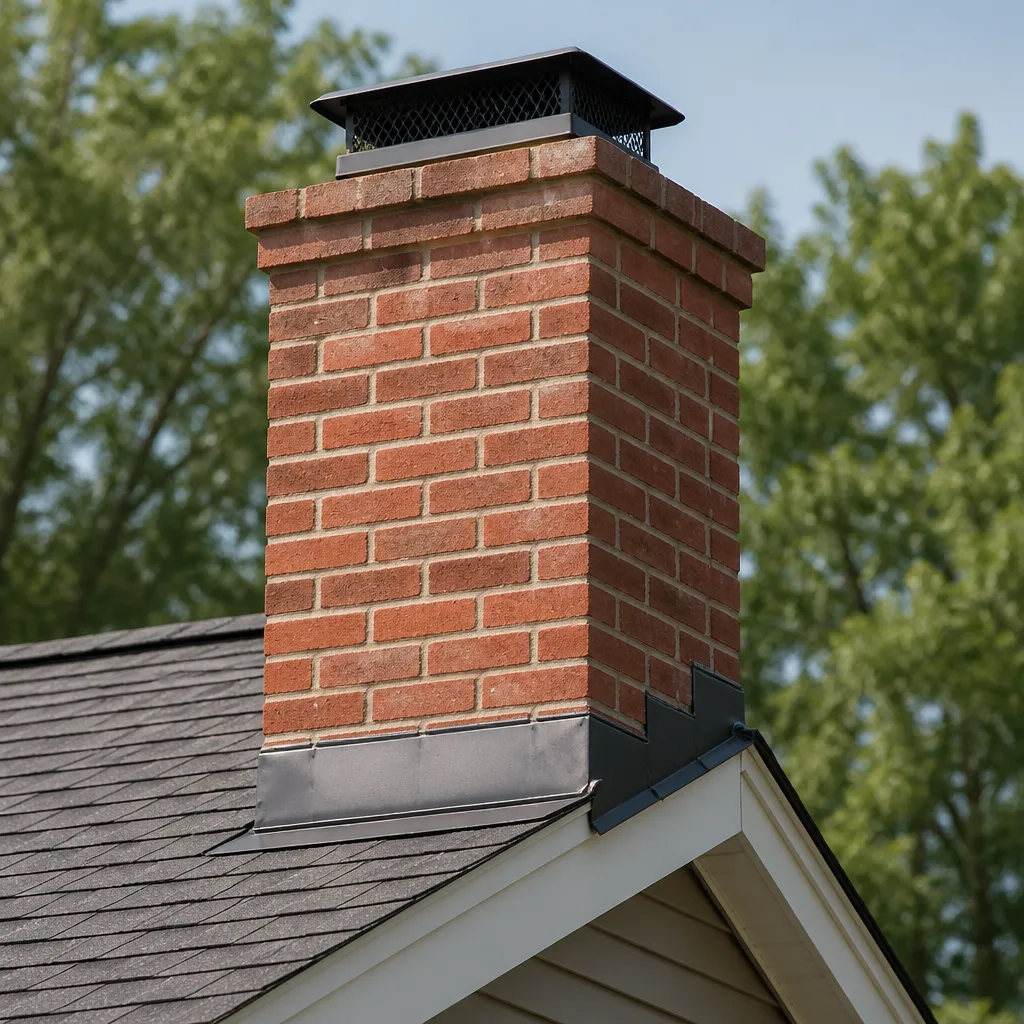 Masonry repair
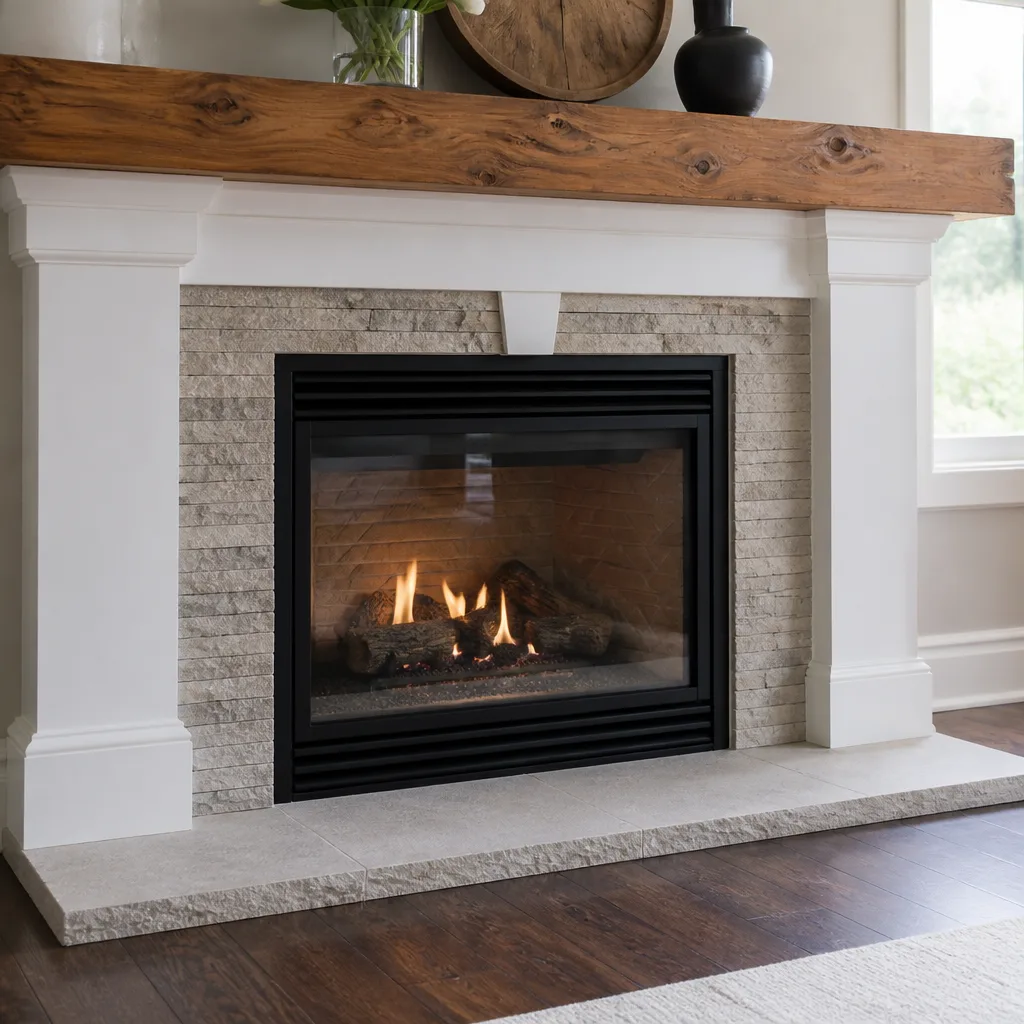 Gas fireplace service
Level 1 sweep and inspection to the NFPA 211 annual standard - flue, crown, cap, and flashing checked and photographed
Chimney sweep logs do not sweep chimneys. They loosen some creosote - which then falls where a brush and vacuum still have to collect it.
Chimney Sweep Troubleshooting in West Jordan: Common Problems and How to Fix Them
A smoky living room doesn’t always mean a dirty flue. Sometimes it means your damper is warped, your cap is blocked by debris, or your home is sealed tightly enough that the fire is starving for combustion air. In our experience, the most expensive chimney repairs start with a homeowner treating the wrong cause. They sweep when they should reline. They patch a stain when they should be looking at the crown. This guide teaches you to read your chimney’s warning signs the way a technician does: symptom first, likely causes second, and the right fix last. You’ll learn what’s safe to watch, what needs the flue taken out of service, and how to describe what you’re seeing so the first visit to your West Jordan home is diagnostic, not exploratory.
Quick Answer
Most chimney problems in West Jordan trace back to one of six causes: creosote buildup, a blocked or damaged cap, a warped damper, negative pressure from a tight house, cracked flue tiles, or water intrusion through the crown and flashing. Match your symptom to the cause before anyone picks up a tool. Smoke backdraft usually points to pressure or blockage, summer creosote smell points to buildup and moisture, and white staining on the brick points to water, not fire. A proper chimney sweep and inspection confirms which one you actually have.
Styles & brands we work with
- Sweep & inspection
- Caps & crowns
- Flue relining
- Masonry repair
- Gas fireplace service
Table of Contents
- The Symptom-to-Cause Matrix: Read Your Chimney Like a Technician
- Why Your Fireplace Smokes: West Jordan Elevation and Inversion Effects
- Creosote Buildup and the Summer Smell That Won’t Go Away
- White Staining, Spalling Brick, and What Water Is Doing to Your Chimney
- Sweep Fix vs. Masonry Fix: Why Confusing the Two Causes Repeat Problems
- What’s Safe to Monitor and What Needs the Flue Out of Service Now
- How to Describe Your Symptom So the First Visit Is Diagnostic
The Symptom-to-Cause Matrix: Read Your Chimney Like a Technician
Homeowners tend to describe a chimney problem in one sentence: “It smokes,” or “It smells,” or “There’s a stain.” A technician hears the same sentence and immediately runs through a short list of possible causes, then designs a test to eliminate them one by one. You can do the first pass yourself with a simple matrix. The goal isn’t to diagnose with certainty. It’s to arrive at the right category so the right person – a sweep, a relining specialist, or a mason – is the one who shows up.
Here’s how the common symptoms map to likely causes in West Jordan homes:
- Smoke rolls into the room when you light a fire. Likely causes: blocked or undersized flue cap, closed or warped damper, negative pressure from a tight house, or a flue that’s too cold to establish draft. Rarely just “needs a cleaning.”
- Creosote smell in summer, worse on hot days. Likely causes: creosote buildup in the flue reacting to heat and humidity, or a downdraft pushing flue odor back into the house. Both need a sweep and inspection before fall.
- White, chalky staining on exterior brick. Likely cause: water migrating through the masonry and depositing salts on the surface as it evaporates. Points to a crown, flashing, or cap problem – not a fire problem.
- Crumbling or flaking brick faces (spalling). Likely cause: freeze-thaw cycles on water-saturated brick. West Jordan winters freeze hard at night and thaw by afternoon, which is exactly the cycle that breaks down saturated masonry.
- Rust streaks or dark stains on the firebox or damper. Likely cause: water entering from above and running down the flue. Needs a camera inspection to find the entry point.
- Loose or missing mortar joints in the smoke chamber. Likely cause: heat cycling and age. This is a masonry or resurfacing issue, not a sweeping issue.
Read the matrix twice before you call. If two or three symptoms point at the same cause, that’s where the inspection should start. If the symptoms disagree, that’s often a sign of two problems at once – water intrusion plus creosote, for example – which is common in older West Jordan homes where the chimney has been through many winters without a proper crown repair. When you’re ready to have it checked, Chimney Sweep West Jordan handles sweep, inspection, and repair as one diagnostic visit rather than three separate contractor calls.
Why Your Fireplace Smokes: West Jordan Elevation and Inversion Effects
A fireplace that smokes only on certain days is usually telling you something about the weather, not the flue. West Jordan sits in the Salt Lake Valley at roughly 4,400 feet of elevation, and both the elevation and the valley’s winter inversion patterns change how a chimney drafts compared to lower-elevation markets. Thin air at altitude means less oxygen per cubic foot, so a fire needs more air volume to burn cleanly. When the house can’t supply that air, smoke backs into the room.
The inversion effect compounds it. On still winter days, a layer of cold, dense air settles over the valley and traps warmer air beneath it. A chimney relies on the temperature difference between hot flue gas and cold outdoor air to pull smoke up and out. During an inversion, the outdoor air at the top of the stack can be warmer than the air at ground level, which flattens or reverses the draft. The fire still burns, but the smoke has nowhere to go except back into the house.
What to check when the smoking is weather-dependent:
- Crack a window near the fireplace before lighting. If the smoking stops, you’re dealing with negative pressure or an air-starved fire, not a blocked flue.
- Look at the cap from the ground. A cap with a bird screen that’s clogged with lint, debris, or a nest will backdraft on still days and work fine on windy ones.
- Check the damper opening. A damper that only opens partway, or a warped damper that won’t sit flat, restricts the flue opening and makes the fireplace sensitive to weather.
- Note the pattern. If it smokes on calm, cold mornings but not on blustery days, elevation and inversion are the likely driver. If it smokes every time, the cause is more likely physical – blockage or a flue problem.
These fixes are rarely one-and-done. A house that has been tightened up with new windows and insulation may need a dedicated combustion air source, and a cap that was installed too low or too small may need replacement rather than cleaning. In our experience, the most useful first step is a camera inspection so you’re not guessing about the flue condition while you’re also troubleshooting pressure. Our chimney repair work in West Jordan regularly starts with exactly this question: what’s the flue doing, and what’s the house doing?
Creosote Buildup and the Summer Smell That Won’t Go Away
If your chimney smells like a campfire in July, you’re smelling creosote. Creosote is the residue left behind when wood smoke cools on the inside of the flue. In summer, heat and humidity reactivate it, and the smell seeps down into the living space. The smell itself isn’t dangerous. What it tells you is. A flue with enough creosote to smell in summer is a flue with enough creosote to burn, and creosote fires are the reason chimney sweeping exists.
Most homeowners don’t need a chemistry lesson, but the type matters for the fix. Creosote forms in three general stages: a light, flaky soot that a standard sweep removes; a crusty, hardened layer that needs more mechanical work; and a glazed, tar-like coating that sweeping alone won’t touch. The glazed stage is where relining often becomes the conversation, and it’s the stage where a West Jordan homeowner should not wait until fall.
What actually drives buildup in this valley:
- Wood moisture. Burning wood that hasn’t seasoned long enough produces more smoke and more creosote. A simple moisture meter on a split face tells you more than a visual check ever will.
- Smoldering fires. Damping a fire down overnight to make it last leaves a slow, cool burn that deposits more creosote than a hot, active fire.
- Cold flues. A flue that never fully warms up doesn’t draft cleanly, and smoke that lingers on the walls becomes creosote.
- A flue that’s too big for the appliance. An oversized flue on a small stove or insert is a common mismatch in older West Jordan homes that have had appliances swapped over the years.
Sweeping is the fix for the first two stages. The third stage is where the difficulty climbs, and where a professional-grade liner like DuraFlex becomes part of the conversation rather than a standard sweep. When we sweep a West Jordan chimney, the creosote stage determines what we recommend next – not the other way around.
White Staining, Spalling Brick, and What Water Is Doing to Your Chimney
Water is the most patient destroyer of a chimney, and it leaves visible evidence long before it causes structural failure. The two signs that come up most in West Jordan are white, chalky staining on the exterior brick and flaking, crumbling brick faces. Both point to the same underlying problem: moisture is getting into the masonry and working its way out.
White staining – sometimes called efflorescence – is what happens when water moves through brick or mortar, dissolves salts, and deposits them on the surface as the water evaporates. It’s not a cosmetic issue. It’s a map of where water is entering and exiting. The usual entry points are:
- The crown. The concrete cap at the top of the chimney cracks with freeze-thaw cycling, and water runs down inside the flue.
- The flashing. The metal that seals the chimney to the roof can lift or corrode, especially where roofing has been replaced or patched.
- Missing or damaged cap. A spark arrestor cap keeps rain and animals out, but only if it’s intact and the right size.
- Deteriorated mortar joints. Once the mortar starts to go, brick faces take the next hit.
Spalling – brick faces flaking or popping off – is the stage that follows water saturation. In a West Jordan winter, water that’s soaked into brick freezes overnight and expands, then thaws and contracts the next afternoon. Repeat that cycle through a season and the brick face weakens and spalls. Once spalling starts, patching the surface won’t stop it; the moisture source has to be corrected first. That’s why a proper repair sequence usually runs: fix the crown, reseal the flashing, repair the joints, then repoint or replace spalled bricks. HeatShield resurfacing is often the right material for the inside of the flue during the same job, since it addresses the fractures that let water vapor condense in the first place. Skipping the water fix and moving straight to cosmetic work leads to an expensive repeat within a few seasons.
Sweep Fix vs. Masonry Fix: Why Confusing the Two Causes Repeat Problems
One of the most common and expensive mistakes we see is treating a masonry problem with a sweeping solution, or the reverse. The two trades have different tools, different skills, and different outcomes. A sweep removes what’s built up on the surface of the flue and firebox. A masonry repair addresses what’s damaged in the structure itself. If you sweep a chimney with cracked flue tiles, you’ll have a cleaner chimney with the same cracked tiles – and the next hot fire can breach them.
Here’s how to tell which category your problem belongs in:
- Sweep fix territory: creosote buildup, soot, a simple cap cleaning, a routine annual inspection, or light animal debris removal. These are maintenance and diagnostic jobs.
- Masonry and relining territory: cracked or missing flue tiles, deteriorated mortar joints, a spalling crown, water-damaged firebox brick, sagging smoke chamber, or a flue that’s sized wrong for the appliance. These are structural jobs.
- Both: glazed creosote on a flue with hairline cracks, water intrusion combined with heavy soot, or a damaged cap that let moisture into a heavily used flue. These jobs usually run sweep first, then structural repair.
Why does this matter in West Jordan specifically? Because a lot of local homes sit at the age where their first round of flue tiles is failing, and a routine sweep often surfaces that failure for the first time. The homeowner gets quoted for a cleaning, and the technician finds cracks. If the technician only does sweeps, the cracks get a note on a report and the homeowner has to find a mason. If the technician only does masonry, the flue gets repaired without the creosote being addressed first. A specialist who handles both – and uses professional-grade liner products like Olympia Chimney or DuraFlex for the relining portion – closes that gap in one visit. That’s the model we work with at Chimney Sweep West Jordan: sweep, repair, and inspection from the same company so nothing gets handed off mid-job.
What’s Safe to Monitor and What Needs the Flue Out of Service Now
The hardest judgment call for any homeowner is deciding whether a chimney problem can wait until the next appointment or needs the fireplace shut down immediately. Getting this wrong in either direction is a real cost – either wasted worry or a genuine hazard. Here’s how we sort it.
Safe to monitor until your next sweep or inspection:
- Light, soot-colored residue visible at the top of the firebox.
- A cap that’s secure but starting to show cosmetic rust.
- Early efflorescence (chalky staining) with no visible spalling or missing mortar.
- A creosote smell in summer that goes away when the weather cools and no other symptoms are present.
- A damper that sticks slightly but opens fully when worked.
Take the flue out of service and call a professional:
- Smoke backing into the room every time you light a fire, not just on calm days.
- Visible cracks in the flue tiles through a camera inspection or a look down the flue with a flashlight.
- Glazed, tar-like creosote visible on the flue walls (this is the stage where a chimney fire is a real risk).
- Spalling brick on the exterior with pieces actively falling.
- A strong, sudden smell of creosote inside the house along with any roaring or popping sound from the flue – stop using the fireplace immediately and call.
- Rust streaks or water stains appearing inside the firebox during rainy periods.
The rule of thumb: if a fire in the fireplace could push hot gas, flame, or carbon monoxide into the house, the fireplace comes out of service until a camera inspection clears it. Anything cosmetic or maintenance-level can safely wait for a scheduled sweep. If you’re not sure which bucket your symptom belongs in, call (877) 404-8451. We answer 24/7. Fast dispatch from 7am to 7pm, Sunday through Friday.
How to Describe Your Symptom So the First Visit Is Diagnostic
A technician arrives with a camera, a set of brushes, and a diagnostic checklist. What they don’t have is the weeks of observation you’ve done on your own fireplace. The clearer you can describe the symptom, the less time gets spent on the exploratory stage of the visit and the sooner the actual fix begins. Here’s a short template that turns a vague “it smokes” into a diagnostic starting point.
- When does it happen? Every fire, or only some fires? Only on cold, still mornings? Only when the wind blows from a specific direction? Only right after you light the fire, or for the whole burn?
- What does it look like? Thick gray smoke, a thin haze, or a puff at the top of the firebox when you open the door? Does it start at the firebox or from somewhere higher up?
- What else changed? New windows, a new roof, a new appliance, a recent remodel, a fireplace insert added, or a change in the wood you’re burning. Small changes to the house change the pressure balance.
- What have you checked yourself? Damper position, cap from the ground, moisture in the wood, whether cracking a window helps. This saves a lot of repeat testing.
- How long has it been happening? A problem that showed up this season is a different investigation than one you’ve had for years.
- Have you ever had the flue inspected? If you don’t know the last inspection date, say so. It changes what the first visit focuses on.
You don’t need to write an essay. A short list is enough. What matters is the pattern. A technician reading your notes can tell the difference between a backdraft case, a blocked cap, and a flue that needs sweeping, and can bring the right tools and the right scheduling to the job. It’s the difference between a visit that ends with a recommendation and a visit that ends with a second visit.
Common Mistakes to Avoid
- Assuming smoke means a dirty flue. A dirty flue is one cause among many. A smoky room with a recently cleaned flue is usually a pressure, damper, or cap problem, and no amount of sweeping will fix it. Call for a camera inspection before you assume.
- Burning unseasoned wood to “save money.” Wet wood produces more creosote and more chimney problems. In West Jordan’s dry summers, a winter’s worth of wood split and stacked by early summer has a real chance to dry in time for the burn season.
- Treating efflorescence with a sealer before fixing the water source. Sealing the outside of water-damaged brick traps moisture inside, and spalling gets worse. Fix the crown, flashing, and cap first.
- Running a fire in a flue with visible cracks. Cracks let hot gas and carbon monoxide into the home’s structure. A cracked flue is out of service until it’s repaired or relined.
- Having a general handyman handle a chimney job. Chimney work involves specific tools, specific materials, and specific judgment calls. A generalist may be able to clean a cap, but a flue reline or a crown rebuild is a specialist’s job.
- Skipping the inspection because the sweep “looked fine.” The sweep cleans what’s visible. The inspection is what catches cracks, gaps, and joint failure. They are not the same visit, even when they happen in the same hour.
- Waiting until the first cold snap to schedule. Every chimney in West Jordan wants service at the same moment. Booking a sweep before burning season means the technician has time to do a proper inspection instead of rushing to the next call.
See the difference
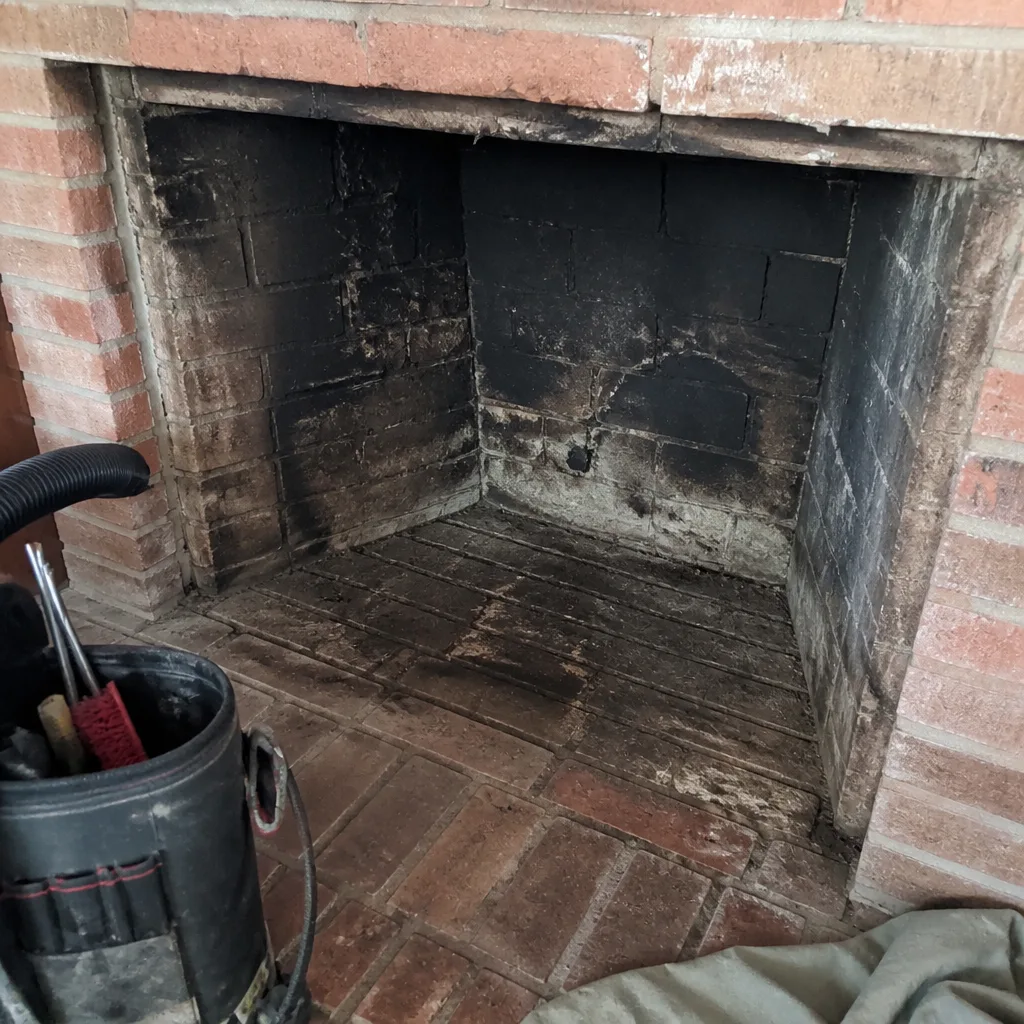 Before
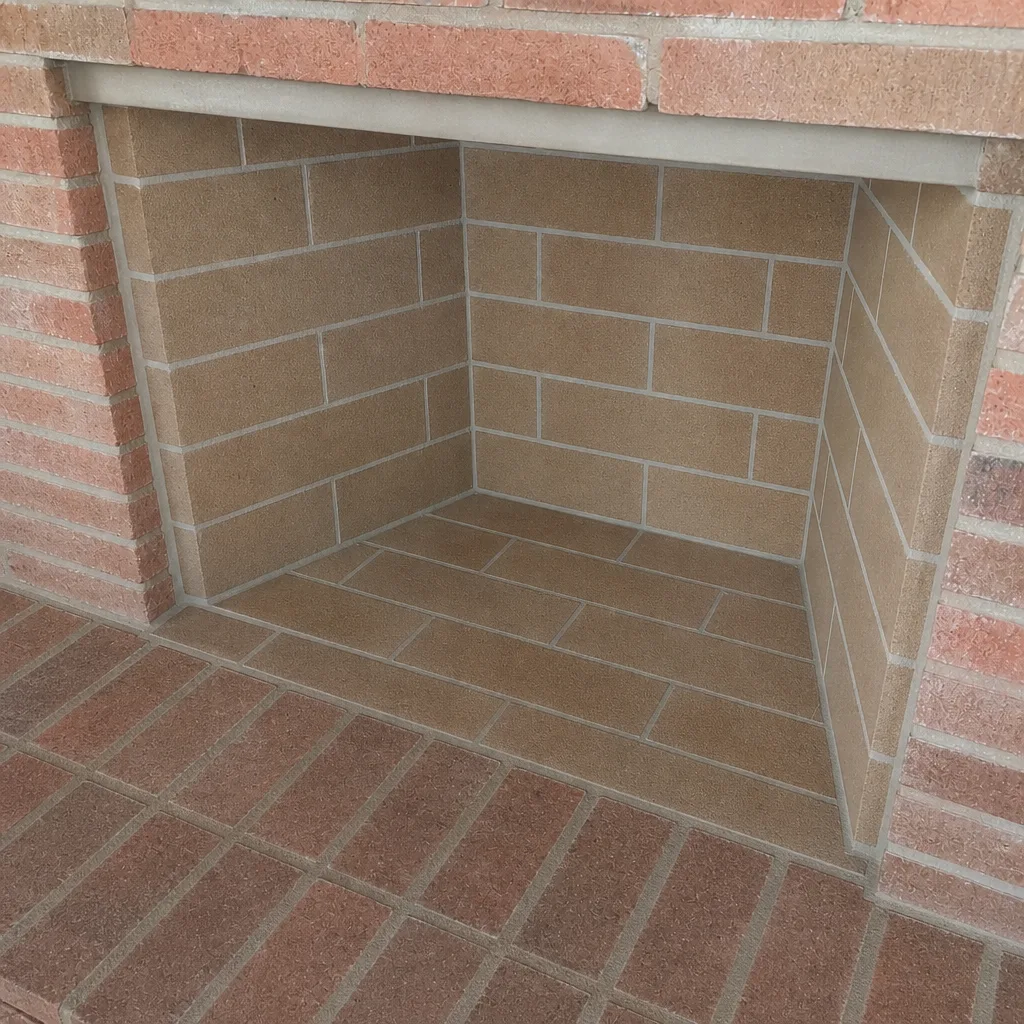 After
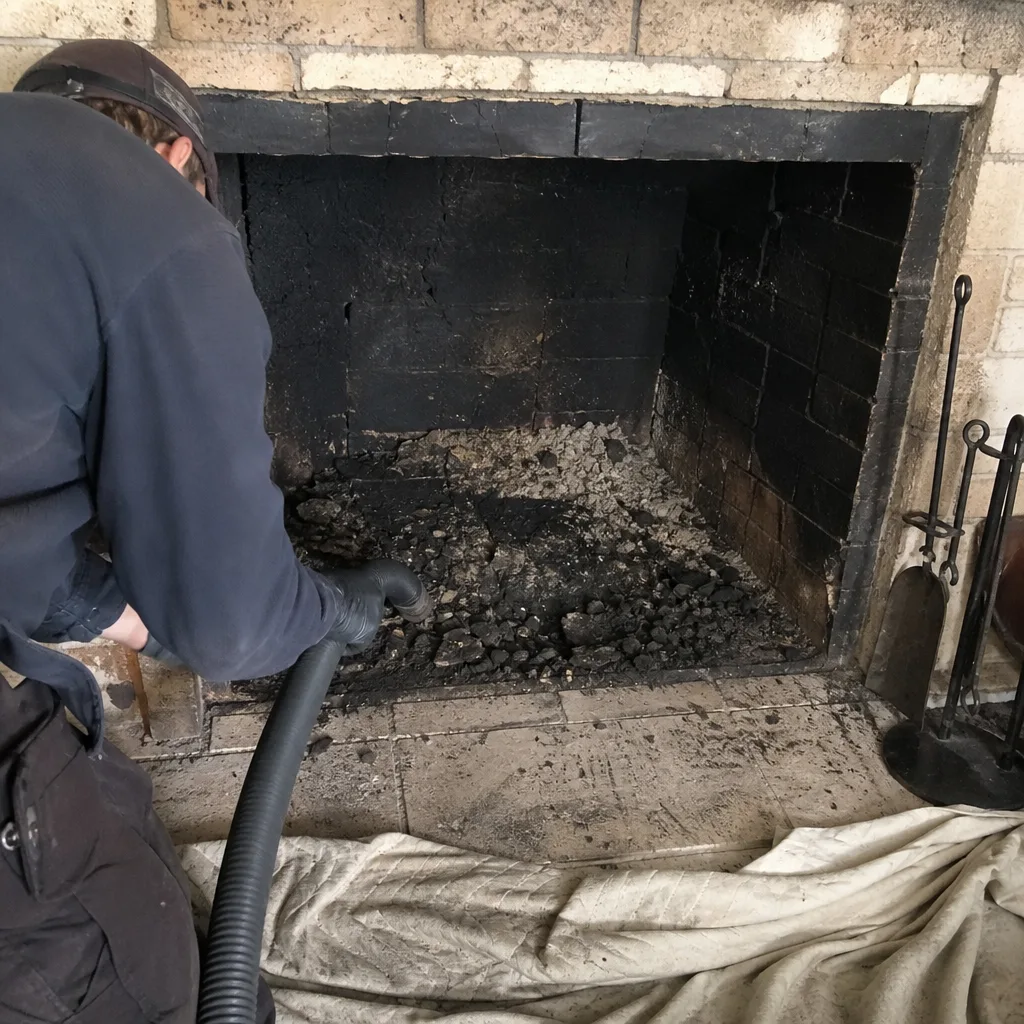 Before
 After
 Before
 After
When to Call a Professional
Call a professional when the symptom is repeatable, when you can see damage through the firebox or from the ground, or when you simply don’t know the last time the flue was inspected. Specifically: any smoke entering the room, any visible crack in the flue, any sign of water intrusion (rust, staining, spalling), any glazed creosote, any animal or debris blockage, and any fireplace that has gone more than a season without a sweep. If your home has recently had windows, insulation, or a new appliance installed, an inspection is worth doing before the next burn season. Chimney Sweep West Jordan offers free estimates in West Jordan – call (877) 404-8451. We answer 24/7. Fast dispatch from 7am to 7pm, Sunday through Friday.
Frequently Asked Questions
That pattern usually means an inversion or negative-pressure problem, not a dirty flue. West Jordan sits in the Salt Lake Valley at elevation, where winter inversions can reverse the normal draft direction. Test it by cracking a window near the fireplace before you light it. If the smoking stops, the house is air-starved and the fix is a combustion air solution or a flue adjustment, not a sweep. If it smokes no matter what, get a camera inspection. Call (877) 404-8451 for an exact diagnosis – estimates are free.
A typical chimney sweep in West Jordan runs a modest, single-visit price that’s set by written estimate after we see the flue, and the inspection is part of the same visit. Pricing depends on the level of creosote, the flue configuration, and whether a camera inspection is needed. The written estimate sets the final price – no surprises. Call (877) 404-8451 for an exact quote – estimates are free.
You’re smelling creosote residue reacting to summer heat and humidity, plus a downdraft pushing flue air back into the house. It’s a sign of buildup that should be swept before the next burn season. If the smell comes with any other symptom – stains, rust, or a rough patch you can feel down the flue – schedule the sweep and inspection together so the cause gets addressed, not just the smell. Call (877) 404-8451 for an exact quote – estimates are free.
Only if the camera inspection shows cracks, gaps, or deterioration that a sweep can’t fix. We don’t recommend relining without showing you the footage. If the flue tiles are intact and the buildup is within sweeping range, a sweep will do. If the tiles are cracked or the flue is cold-drafting because of sizing, a DuraFlex or HeatShield liner is usually the right fix. You see the evidence before you decide. Call (877) 404-8451 for an exact quote – estimates are free.
Most repairs can be scheduled through the burn season, but a cracked flue or glazed creosote should be taken out of service until the repair happens. Cosmetic and water-related repairs – crown, flashing, cap – can be scheduled anytime the weather allows and don’t require you to stop using the fireplace. If you’re unsure which category your problem is in, call and describe it. Call (877) 404-8451 for an exact quote – estimates are free.
Once a year for most wood-burning chimneys, and more often if you burn frequently or notice any of the symptoms in this guide. West Jordan’s winters give you a real burn season, and a chimney that sees a full season of use builds up creosote faster than a fireplace used a few times a year. Book the sweep before burning season so the inspection catches problems before they become repairs. Call (877) 404-8451 for an exact quote – estimates are free.
The Bottom Line
Your chimney is a heating appliance, and like any heating appliance it tells you what’s wrong before it fails. Smoke, smell, staining, and spalling are all symptoms – not diagnoses. Read them against the matrix, describe them clearly when you call, and let a camera inspection confirm the cause before any work starts. Most problems in West Jordan chimneys fall into two categories: sweeping fixes and structural fixes. Getting the category right the first time is what separates a one-visit repair from a repeat problem. If you’re not sure, that’s exactly the call to make.
Chimney Sweep West Jordan handles sweeping, repair, and inspection as one specialist visit, using the professional-grade liner materials – DuraFlex, HeatShield, Gelco, Olympia Chimney – that the trade actually trusts. We tell you what your chimney actually needs, show you the evidence before recommending a repair, and say plainly when a job can safely wait. Call (877) 404-8451 for a free estimate. We answer 24/7. Fast dispatch from 7am to 7pm, Sunday through Friday.
Written by the team at Chimney Sweep West Jordan.