
Last updated November 16, 2026
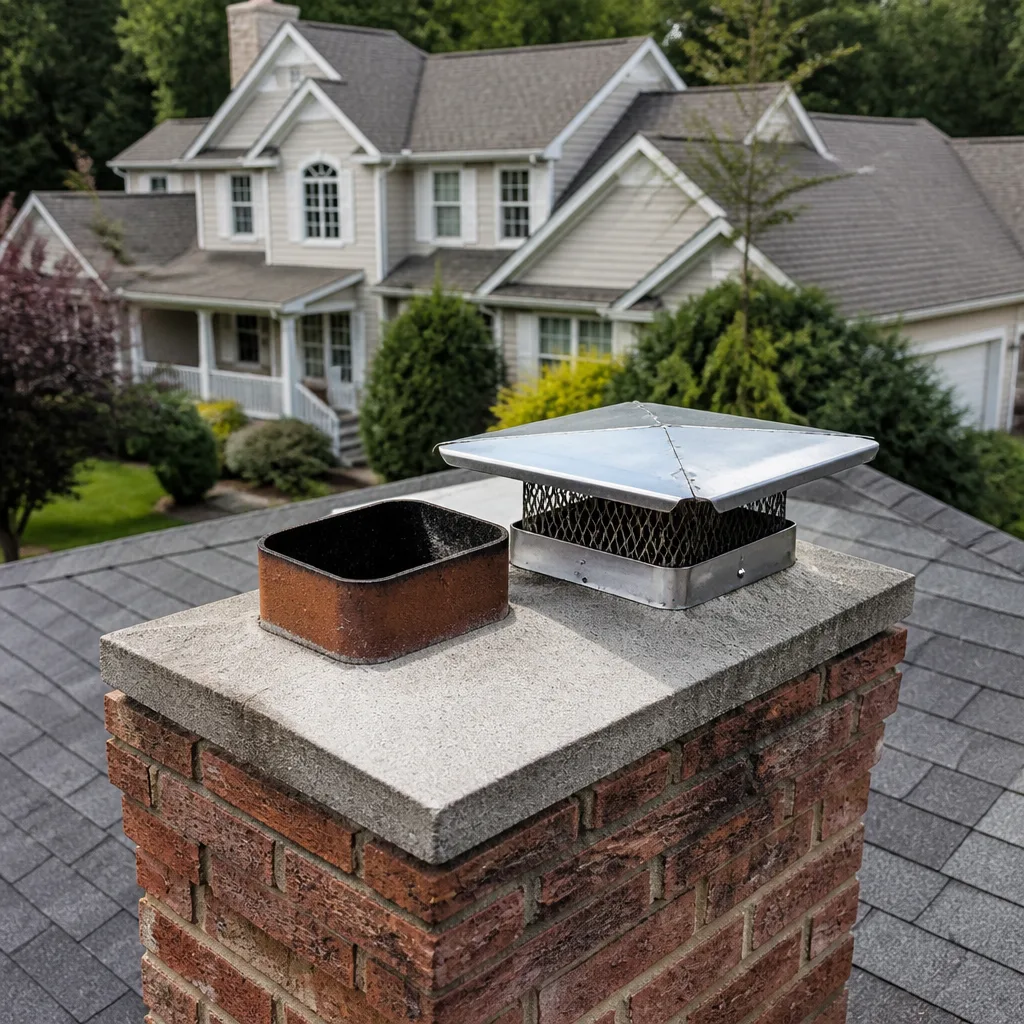 Sweep & inspection
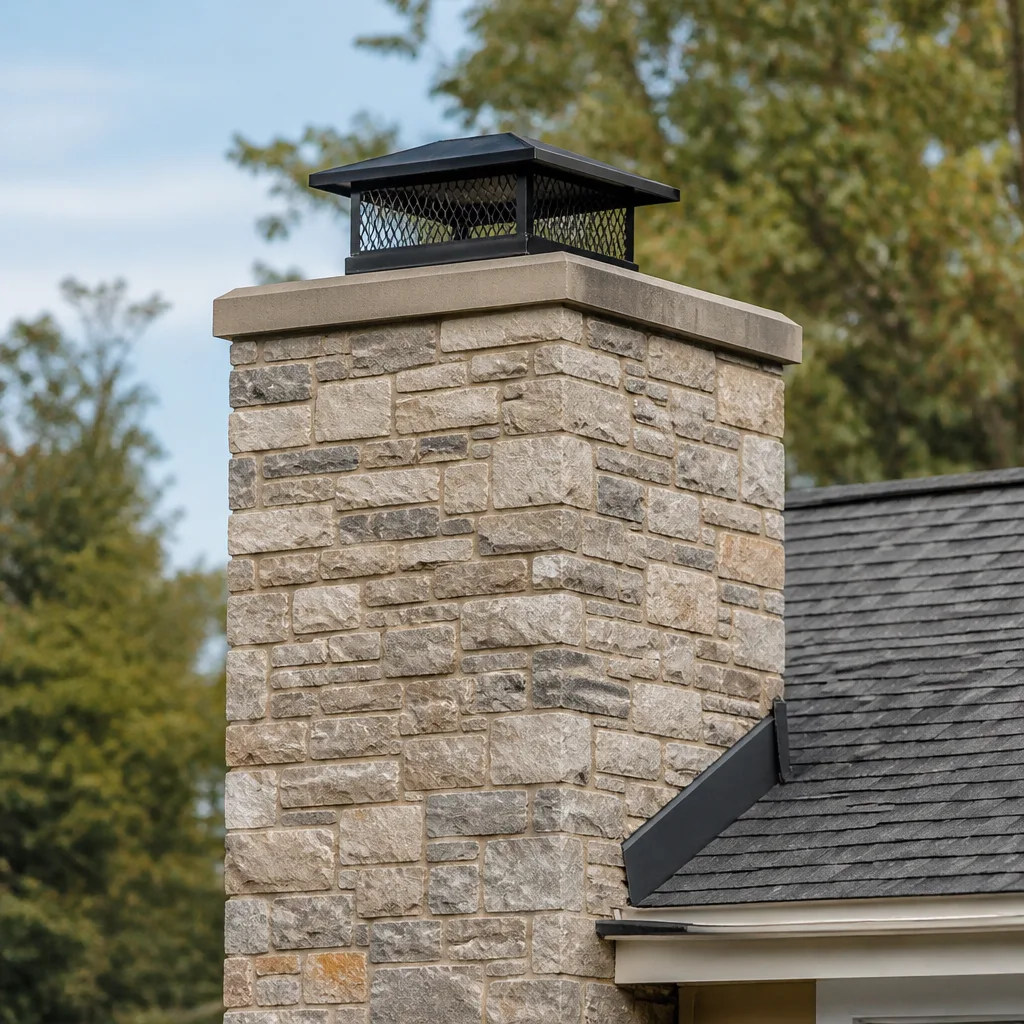 Caps & crowns
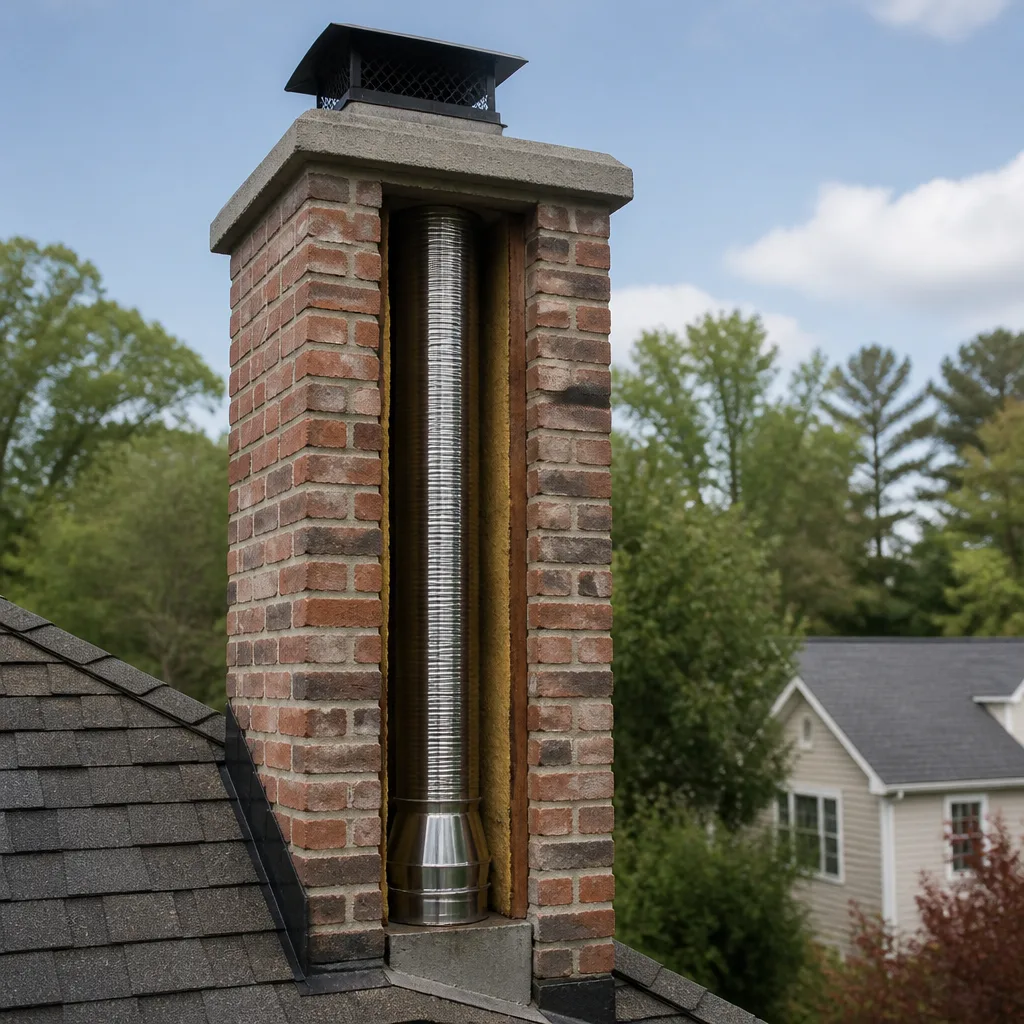 Flue relining
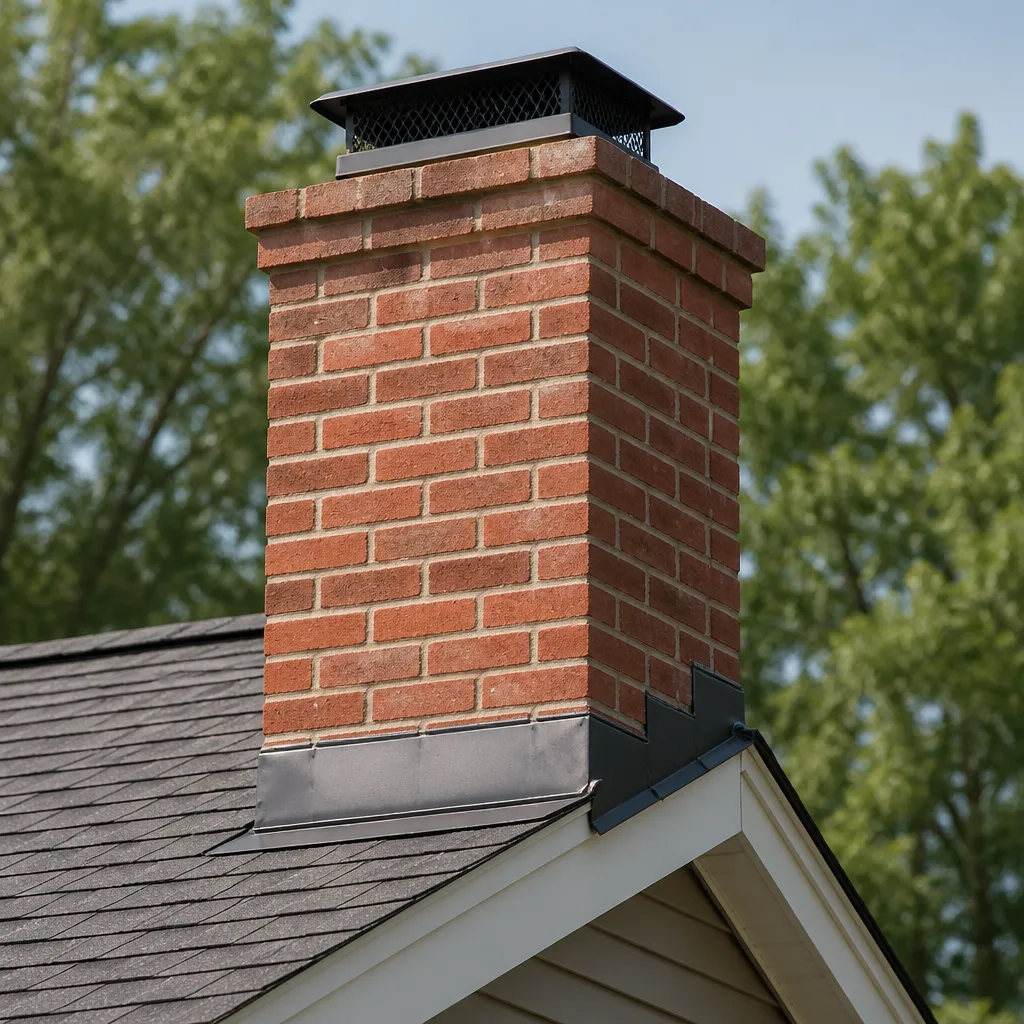 Masonry repair
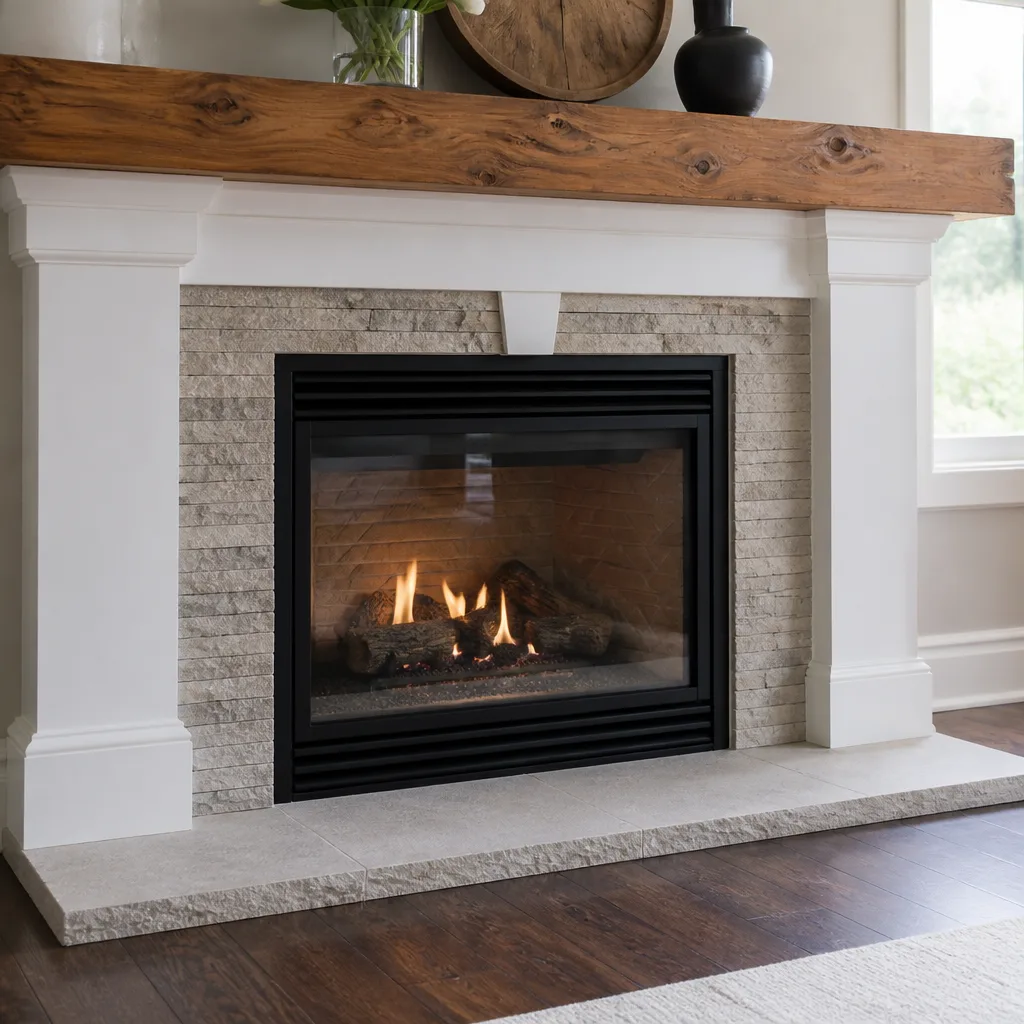 Gas fireplace service
Level 1 sweep and inspection to the NFPA 211 annual standard - flue, crown, cap, and flashing checked and photographed
Chimney sweep logs do not sweep chimneys. They loosen some creosote - which then falls where a brush and vacuum still have to collect it.
The Complete Guide to Chimney Cleaning in West Jordan
Most chimney fires don’t start because homeowners skipped cleaning. They start because homeowners cleaned on the wrong schedule for their actual burn habits and their local fuel type. That distinction matters more along the Wasatch Front than in most of the country. Utah’s inversion seasons push people to burn hard for a few weeks at a time, then stop, and that stop-and-start rhythm lays down creosote in a way that a generic once-a-year sweep never catches. In this guide, we’ll explain how chimney cleaning actually works in West Jordan, why the regional burn pattern changes everything, and how to tell a real safety evaluation from a quick brush-and-go visit.
Quick Answer
Chimney cleaning in West Jordan is a sweep plus a safety evaluation, not just a soot removal. It should happen based on how much you burn and how you burn it, not on a fixed calendar date, and it should include an inspection of the flue, cap, crown, and connectors. Most West Jordan homes with a wood-burning fireplace or stove need professional cleaning once a year, and homes that burn intensely during inversion season often need it more.
Styles & brands we work with
- Sweep & inspection
- Caps & crowns
- Flue relining
- Masonry repair
- Gas fireplace service
Table of Contents
- Why Utah’s Inversion Season Changes Your Cleaning Schedule
- Cleaning vs. Safety Evaluation: Why West Jordan Homes Need Both
- What Wasatch Front Wood Leaves Behind
- Level I, II, and III Inspections: Which One You Need
- The Parts Generalists Miss (and Specialists Always Check)
- How a Professional Cleaning Visit Actually Goes
- How Often Should You Schedule Cleaning?
- Do You Really Need a Liner? The Honest Answer
Why Utah’s Inversion Season Changes Your Cleaning Schedule
An inversion traps cold air and wood smoke in the valley, and the response from most households is the same: burn hotter and more often to keep the house warm. That concentrated burn period compresses weeks of normal fireplace use into a few intense stretches. Chimney science has a name for what happens next. Creosote forms in three degrees, and the third degree, the glazed, hardened, tar-like layer, is the one that fuels chimney fires. Glazed creosote builds fastest when a fire runs hot, then cools, then runs hot again, which is exactly the pattern West Jordan sees during a January inversion.
What this means in practice:
- A spring sweep timed to “annual service” may miss the heavy glazed layer that built up during the cold snap.
- Homeowners who burn hard for a month, then switch to gas heat, then return to wood during the next cold front, are the highest-risk group for third-degree creosote.
- Homes in neighborhoods like Copper Hills and Oquirrh Shadows that sit against the foothills often burn more, because overnight lows run colder near the bench.
- A visual check at the flue collar won’t reveal glazed creosote further up the flue. That requires a proper inspection.
The fix isn’t to sweep more often for its own sake. It’s to schedule cleaning around your actual burn pattern during and after inversion season. If you’ve burned intensely through a cold stretch, that’s the signal to inspect before the next burn cycle, not the following spring. You can learn more about the specifics of our chimney sweep process if you want the visit itself explained in detail.
Cleaning vs. Safety Evaluation: Why West Jordan Homes Need Both
A cleaning removes what’s inside the flue. A safety evaluation tells you what the flue, cap, crown, connectors, and firebox actually look like and whether it’s safe to use. These are two different jobs, and doing only the first one is where homeowners get into trouble. A brush can pass through a flue and leave behind a cracked flue tile, a failed mortar joint, or a rusted connector that no cleaning will fix.
That’s why we treat every visit as a safety evaluation first, cleaning second. The evaluation is the reason for the visit, and the cleaning is what happens once we know the flue is sound. If your chimney has a structural issue that makes sweeping unsafe until it’s repaired, you want to know that before the brush goes up, not after.
What each part actually covers
- Cleaning: removing soot, ash, and creosote from the firebox, smoke chamber, flue, and damper area.
- Safety evaluation: checking flue integrity, joints, cap, crown, connectors, clearances, and the firebox for cracks or gaps.
- Inspection report: a written summary with photos so you can see what we saw, in your own chimney.
For homeowners in West Jordan with an older home, the safety evaluation also covers the parts a general handyman would likely walk past, like the smoke chamber and the connector pipe. Those are exactly the components most associated with chimney fires that start above the firebox. Our chimney repair work only ever begins after an inspection report because nothing is recommended without evidence the homeowner can see.
What Wasatch Front Wood Leaves Behind
The wood you burn determines how fast creosote forms and how much residue gets left behind. Along the Wasatch Front, the most common firewood species sold and burned are:
- Douglas fir and lodgepole pine: plentiful, cheap, easy to split, and resinous. Pine and fir leave more residue than hardwoods and need a well-drafted, hot fire to burn clean.
- Quaking aspen: a popular local firewood, mild-burning, but light and quick. It’s fine for a quick fire but not for overnight burns if you’re trying to minimize buildup.
- Oak, maple, and Russian olive: denser hardwoods that burn hotter and cleaner when properly seasoned, and the best option if you’re trying to reduce creosote.
- Green or unseasoned wood: the single biggest contributor to creosote in any West Jordan home. Water content has to burn off before the wood can burn hot.
If you’re mostly burning pine and fir, expect faster buildup and a slightly tighter cleaning interval. If you’re burning well-seasoned hardwood, the same real heat gets more complete combustion, so less ends up in the flue. Either way, the point isn’t to avoid certain species. It’s to match your cleaning schedule to what’s actually going up the flue. A chimney professional checking your firebox and flue can tell within minutes which wood has been dominant.
The West Jordan fireplace spends more of its life as a heating appliance than a decorative one during the cold months, and the wood you feed it determines what comes out the top. If you want to get ahead of the buildup cycle, that’s the first thing to fix.
Level I, II, and III Inspections: Which One You Need
Inspection categories come from the professional training that certified sweeps follow, and they exist because different situations require very different levels of examination. Here’s how the three levels apply to a typical West Jordan home:
- Level I inspection: a basic visual check of readily accessible parts of the chimney and venting, no special tools. Fits a home with an unchanged appliance, no known problems, and a routine cleaning due.
- Level II inspection: a more detailed inspection using a camera and proper access, covering the whole flue and any concealed parts. Required when you add or replace an appliance, after a chimney fire, after a change in fuel type, or when you’ve just moved into a home and don’t know its burn history.
- Level III inspection: the most detailed, which can require opening walls or other parts of the structure to access concealed sections. This is only for specific known or suspected hazards.
Most West Jordan homes in routine use only need Level I. But homes that have just changed hands, switched from gas logs to wood, or gone through a heavy inversion season with glazed creosote almost always warrant Level II. The categories aren’t upsells, they’re a scale. If you’ve just bought a house in West Jordan and have no idea how the previous owner burned wood, Level II is the honest starting point.
When a Level II makes the most sense
- You’ve just moved into the home and have no service history.
- You’ve added, replaced, or converted a wood stove or insert.
- You’ve had a chimney fire, even a small one.
- You’re seeing smoke in the room, a draft problem, or a strong creosote odor.
Camera inspection with a photo report is part of how we do the job. You get to see the flue yourself rather than hearing someone describe it to you.
The Parts Generalists Miss (and Specialists Always Check)
A general handyman called for a chimney sweep is usually equipped to check the firebox and maybe the flue collar. That leaves a surprising number of parts unchecked. On a chimney-only service, these are the components we inspect on every visit:
- The smoke chamber: the tapered section above the damper. It’s the most common source of hidden creosote and the hardest part to clean without the right tools.
- The damper and its frame: rusted or jammed dampers affect draft and let heat escape when the fireplace isn’t in use.
- The flue tiles and mortar joints: cracked tiles let heat reach framing, and hairline cracks aren’t visible from the room.
- The chimney cap and crown: water is the biggest long-term threat to a chimney, and a missing or damaged cap is how it gets in.
- The connector pipe (for stoves and inserts): the pipe between the appliance and the flue, where soot and gaps are easy to miss.
- The firebox and its clearances: cracks, gaps, or a firebox that’s too close to combustible materials.
The specialty brands we work with, like Famco for venting and accessories and Olympia Chimney for chimney-proper components, exist because those parts really do matter to how the whole system performs. A cap that fits badly, or a connector that’s slightly undersized, can create a draft problem that shows up as smoke in the living room and never appears in a generic sweep. When we recommend a fix, it’s a specific part, in a specific size, for a specific reason, and you see the evidence before we recommend anything.
How a Professional Cleaning Visit Actually Goes
A professional cleaning is a defined sequence of steps, not a person with a brush on the roof. Here’s the order of operations we follow on a West Jordan home:
- Set up for containment. Drop cloths go down, the work area is protected, and a high-powered vacuum runs throughout to keep dust inside the chimney, not in your living room.
- Inspect before cleaning. Visual check of the firebox, damper, and accessible parts of the flue, plus a camera inspection of the flue where appropriate.
- Sweep the flue. Appropriate brushes and rods for the flue type and lining, working from the top down or bottom up depending on the configuration.
- Clean the firebox and smoke chamber. This is the part the brush alone doesn’t reach and where glazed creosote usually hides.
- Check the cap, crown, and exterior. A quick inspection of the top of the chimney for damage, animal nesting, or a cap that’s come loose.
- Vacuum and clear up. Final pass with the vacuum so the room is cleaner than when we started.
- Walk you through the findings. You see the photos, we explain what was found, and we tell you plainly what needs attention now and what can safely wait.
The whole visit is typically done in one appointment, and the inspection is part of it, not a separate add-on to be paid for later. If you want to know what to have ready, all we really need is clear access to the fireplace or stove and, ideally, a note of roughly how much wood you’ve burned since your last service.
How Often Should You Schedule Cleaning?
The short answer is once a year for most homes, more often for homes that burn intensely during inversion season. The longer answer is that “once a year” is a floor, not a rule. Several factors shift the schedule:
- Burn volume: a cord a year is a different situation from three. More wood in, more residue out the flue.
- Burn pattern: long, slow, smoldering fires build creosote faster than short hot ones. The inversion pattern of intense burn then cold stop often does the opposite of what people expect, laying down glazed layers during rapid temperature swings.
- Wood quality: unseasoned wood means more creosote, faster.
- Chimney condition: an older, unlined, or damaged flue needs more frequent checks.
For a home in West Jordan that burns in winter only, one cleaning per year plus a post-season inspection is a sound default. For a home that burns wood as a primary or secondary heat source, plan on two evaluations a year, one after the cold snap ends and one before it starts again. When in doubt, an inspection tells you what your specific chimney needs. That’s more useful than a generic rule.
Do You Really Need a Liner? The Honest Answer
Sometimes yes, sometimes no, and the answer is decided by what a camera inspection shows, not by a sales pitch. Clay tile liners crack. Older masonry chimneys may have no liner at all. In those cases, installing a stainless steel liner is the right move, because an unlined or damaged flue lets heat and combustion gases reach the framing of the house. HeatShield is one of the systems we work with to restore a damaged clay flue when relining isn’t the answer. DuraFlex is the kind of stainless liner we install when a full reline is what the chimney needs.
The key thing to hear from any chimney company is this: not every modern-looking flue needs replacing. A flue with sound tiles and proper clearances may only need cleaning and a cap. If a chimney contractor is recommending a reline, ask to see the camera footage. You should get to look at the inside of your own chimney before you spend on a repair.
- Honest sign you need a reline: a visible crack, a missing flue tile, or a flue with no liner at all in an older home.
- Honest sign you can wait: a sound flue with a slightly weathered cap or a bit of haze on the crown.
- Sign to get a second look: anyone recommending a liner without showing you the inside of the flue.
Common Mistakes to Avoid
- Sweeping on the calendar instead of the burn pattern. A fixed annual date misses the glazed creosote an inversion season can lay down in a few weeks. If you burned intensely, get the chimney checked before the next burn cycle.
- Burning unseasoned wood. Along the Wasatch Front it’s the fastest path to creosote. Even local pine and fir burn clean when properly seasoned, and dirty when not.
- Assuming a cleaning covers the safety check. A sweep without an inspection is incomplete, and a broken flue tile won’t show up in a brush pass.
- Skipping the inspection on a newly purchased home. You have no history of how the previous owner burned wood, so a Level II inspection is the honest starting point.
- Ignoring a missing or damaged cap. Water damage is the leading slow killer of chimneys in this climate, and a cap is how water gets into the flue.
- Hiring a general handyman to sweep. A chimney-only specialist knows the smoke chamber, the connector pipe, and the flue, and carries the right tools for each. A generalist may not even know what to check.
- Believing the first repair quote without seeing the evidence. If you can’t see the inside of your own flue, you can’t verify the recommendation.
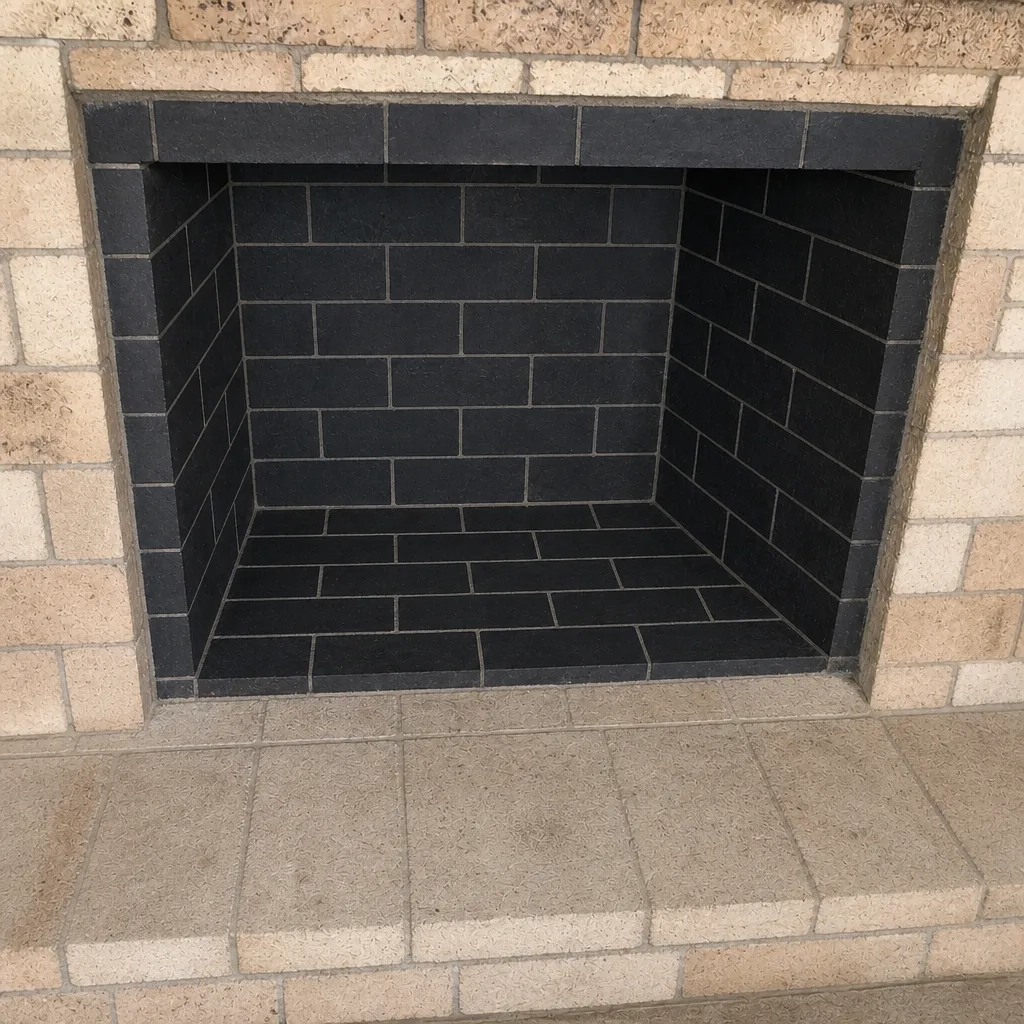
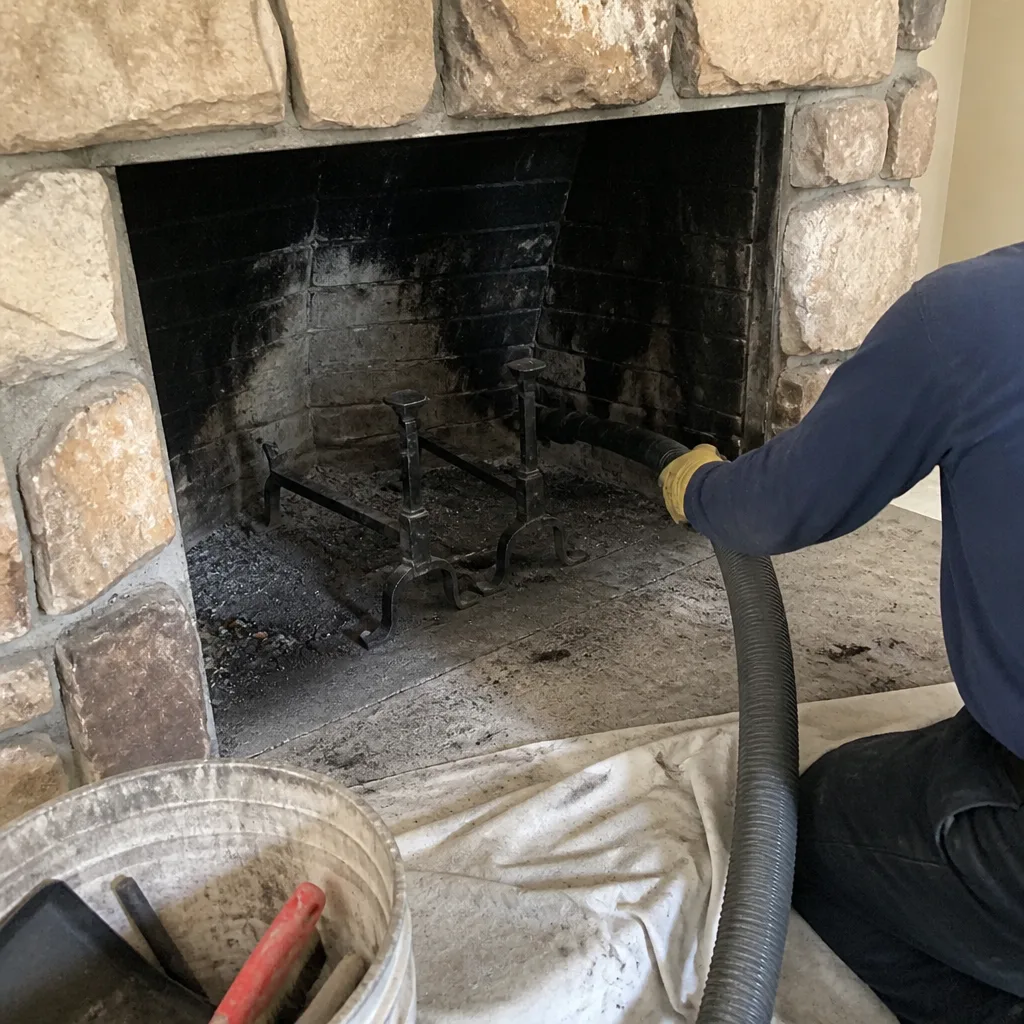
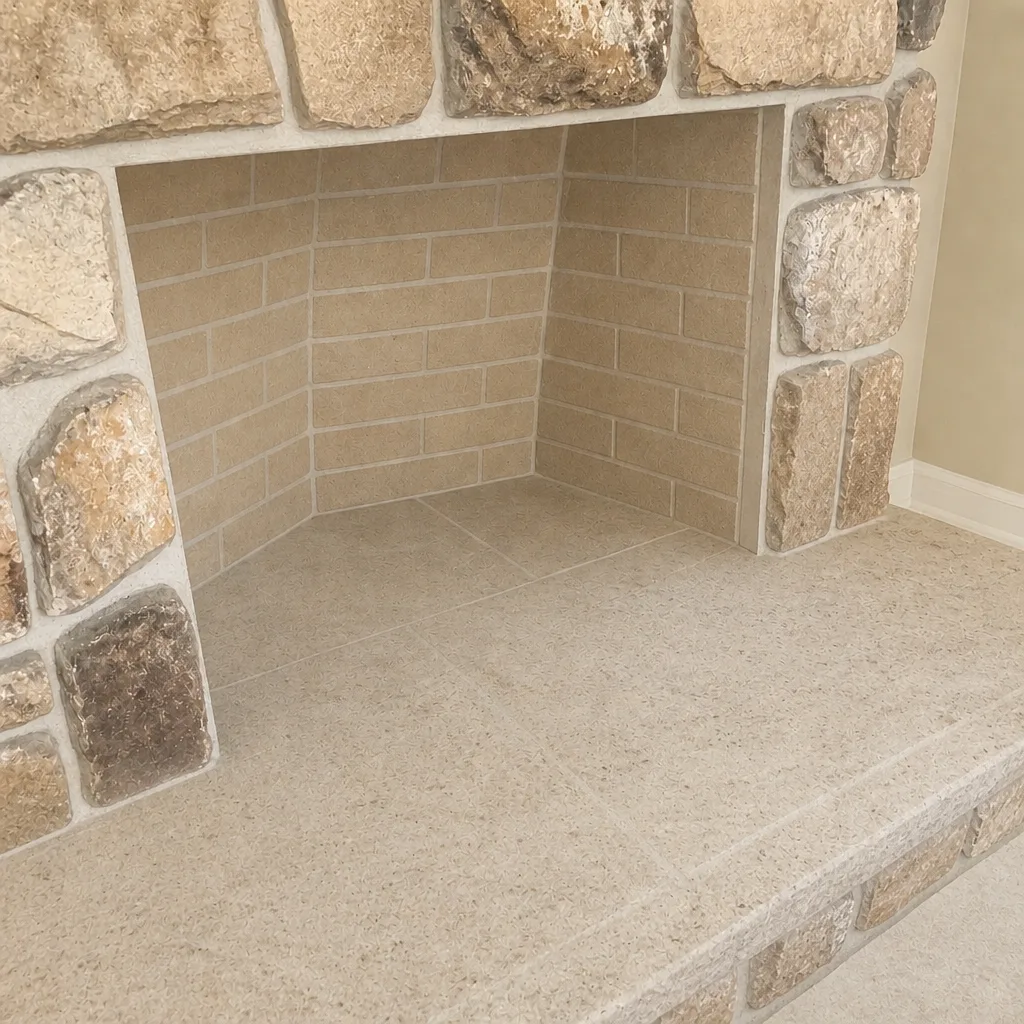
See the difference
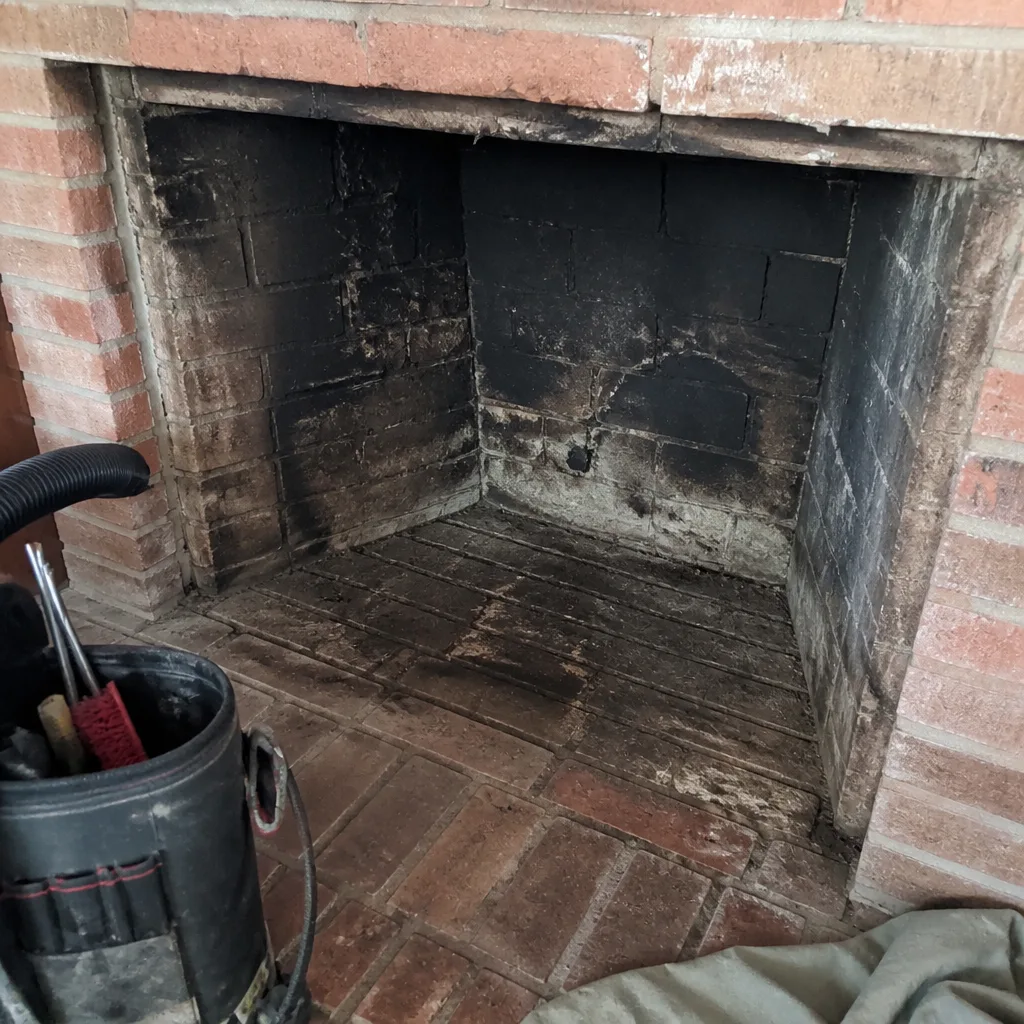 Before
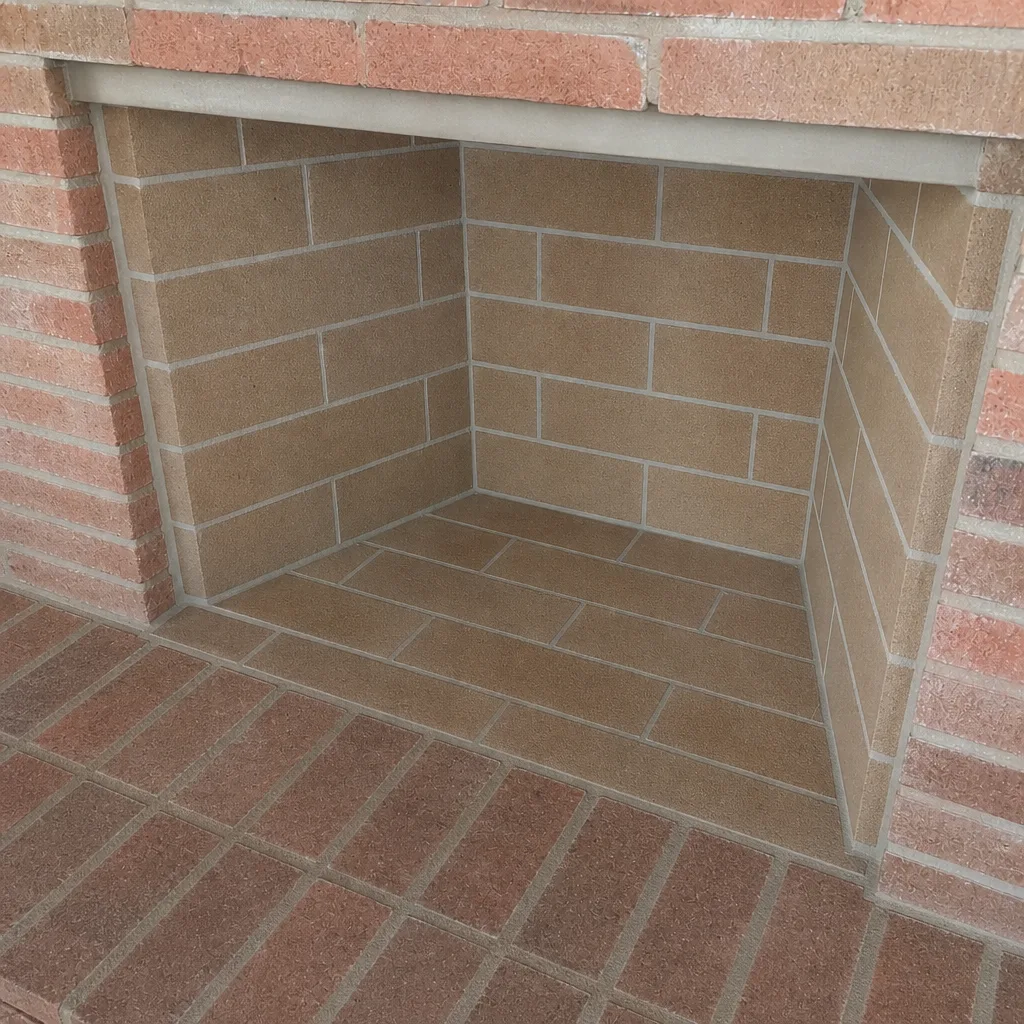 After
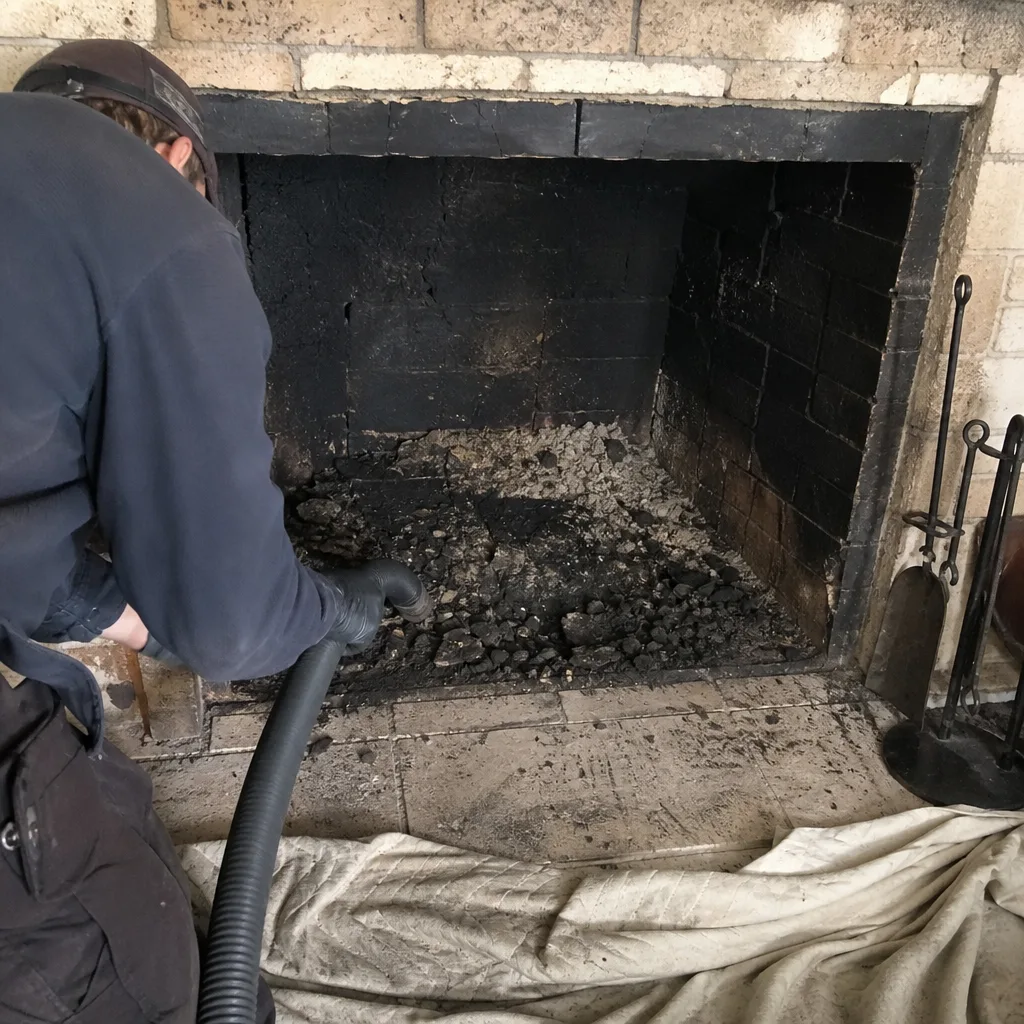 Before
 After
 Before
 After
When to Call a Professional
Book a professional cleaning and inspection if any of these apply: it’s been a season since your last service, you’ve just moved into a West Jordan home, you’ve had a chimney fire, the fireplace smokes into the room when you open the damper, you can smell creosote in the living room, or you’ve burned through a heavy inversion season with the fireplace running hard. Also call if your chimney cap is damaged, the crown is cracked, or you have an insert or stove that’s never been inspected. These are the situations where cleaning and a safety evaluation together actually answer the question. Chimney Sweep West Jordan offers free estimates in West Jordan, call (877) 404-8451. We answer 24/7. Fast dispatch from 7am to 7pm, Sunday through Friday.
Frequently Asked Questions
Chimney cleaning in West Jordan is priced per job by a written estimate, and the estimate is free. Call (877) 404-8451 for an exact quote, estimates are free.
Once a year for most homes, and twice for homes that burn wood as a primary or secondary heat source. If you burned intensely through an inversion season, get it checked before the next burn cycle rather than waiting for spring.
Only if the camera inspection shows a cracked, missing, or absent liner that lets heat and gases reach the framing. We recommend a liner when the evidence supports it and not before, and you see the photos of your own flue. Call (877) 404-8451 for an inspection and a straight answer.
You can’t fix a chimney fire after the fact, but the right inspection identifies the glazed creosote and flue damage that cause one. If you’ve had a fire, even a small one, book a Level II inspection before lighting another fire. Call (877) 404-8451.
Soot and creosote keep building, and the risk of a chimney fire rises. A blocked or heavily glazed flue also drafts poorly, which pushes smoke into the room. It doesn’t fail on a predictable schedule, which is why an inspection matters more than a calendar reminder.
Because a cleaning can pass a cracked flue tile and a failed connector without touching them. The chimney is a system, and the safety check tells you whether the system is safe to use. Call (877) 404-8451 to book a sweep and inspection together.
The Bottom Line
Chimney cleaning in West Jordan works best when it’s tied to how you actually burn wood, not a generic once-a-year rule. Inversion season compresses heavy burning into short stretches, which is the exact pattern that builds glazed creosote fastest. Pine and fir, common along the Wasatch Front, leave more residue than well-seasoned hardwood. A cleaning visit is only half the job; the other half is a proper safety evaluation that covers the smoke chamber, flue tiles, cap, crown, and connectors. Let the camera show you what’s really in your flue before anybody recommends a repair. Call (877) 404-8451 for a free estimate. We answer 24/7. Fast dispatch from 7am to 7pm, Sunday through Friday.
If you want to see how we handle the full picture, see Chimney Sweep West Jordan for the sweep, repair, and inspection services we offer under one specialist company.
Written by the team at Chimney Sweep West Jordan.