
Last updated November 16, 2026
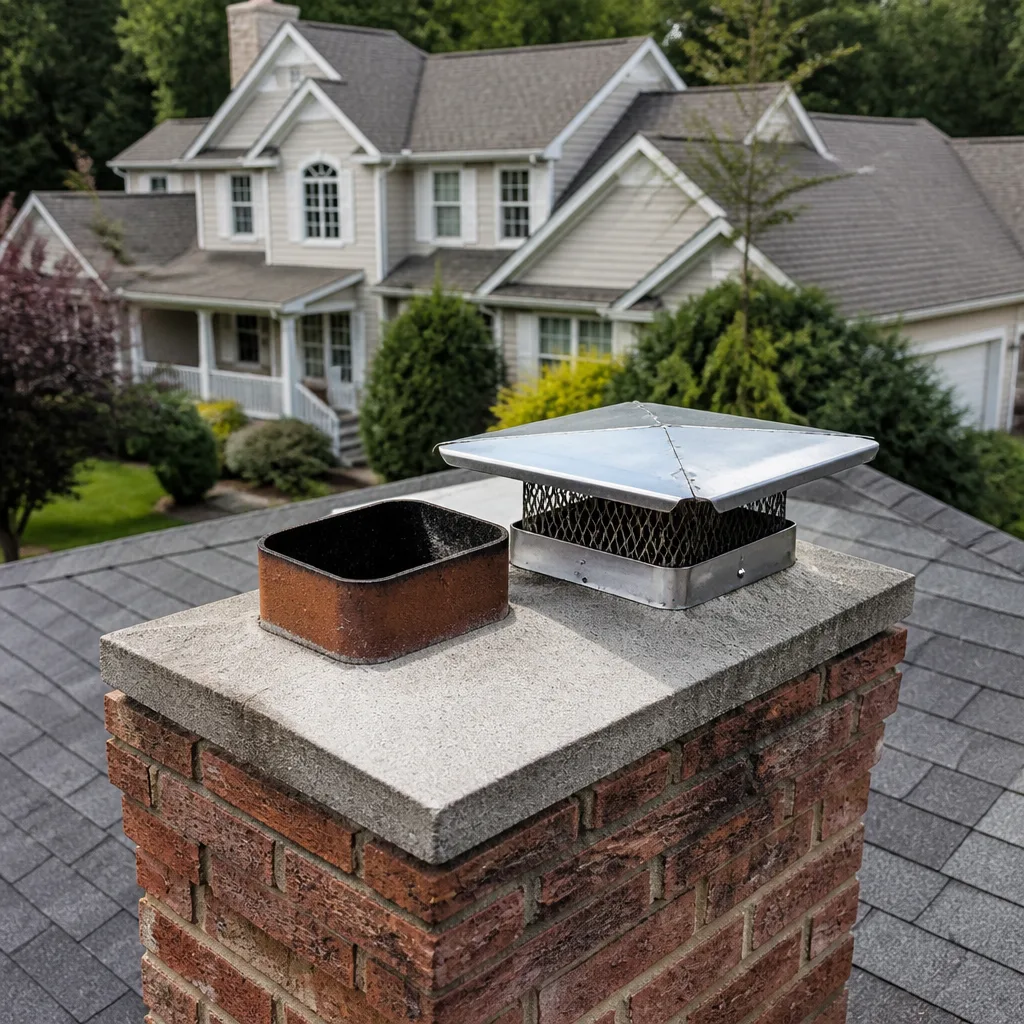 Sweep & inspection
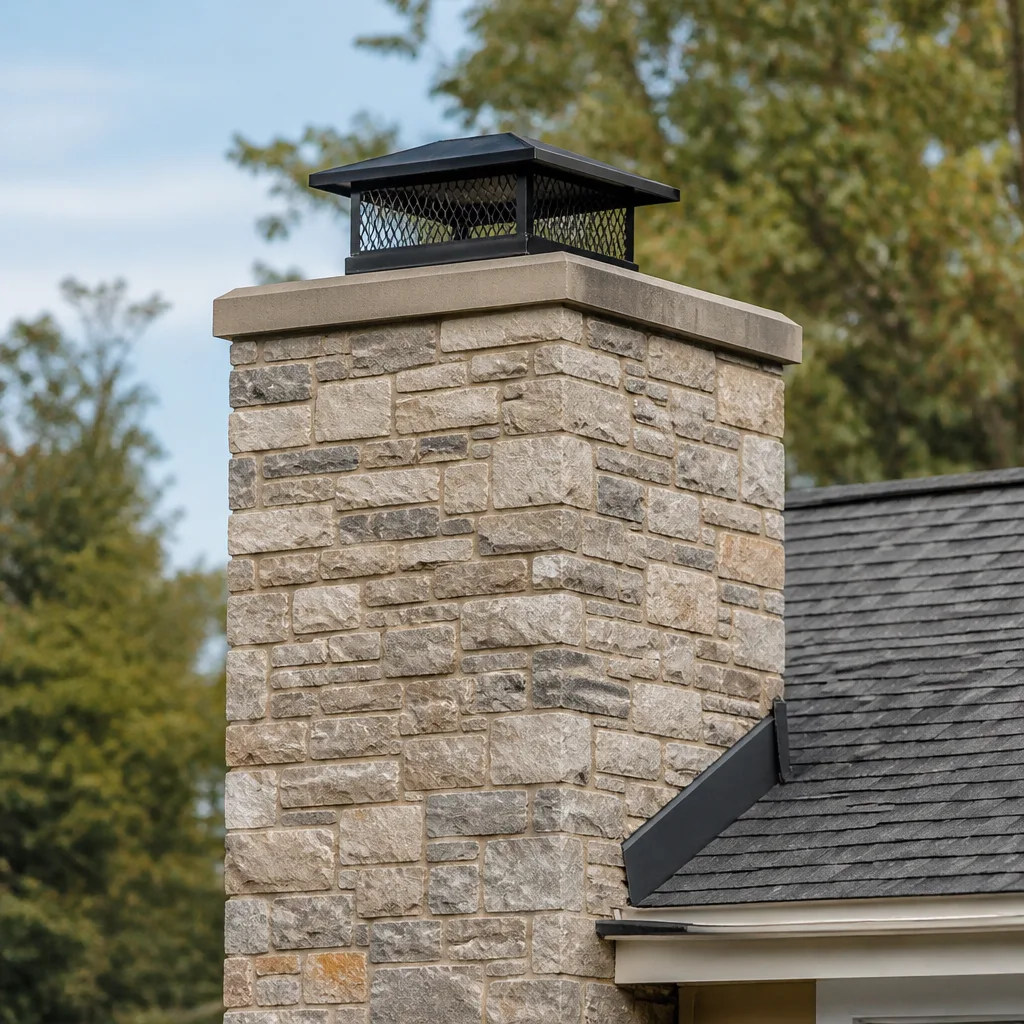 Caps & crowns
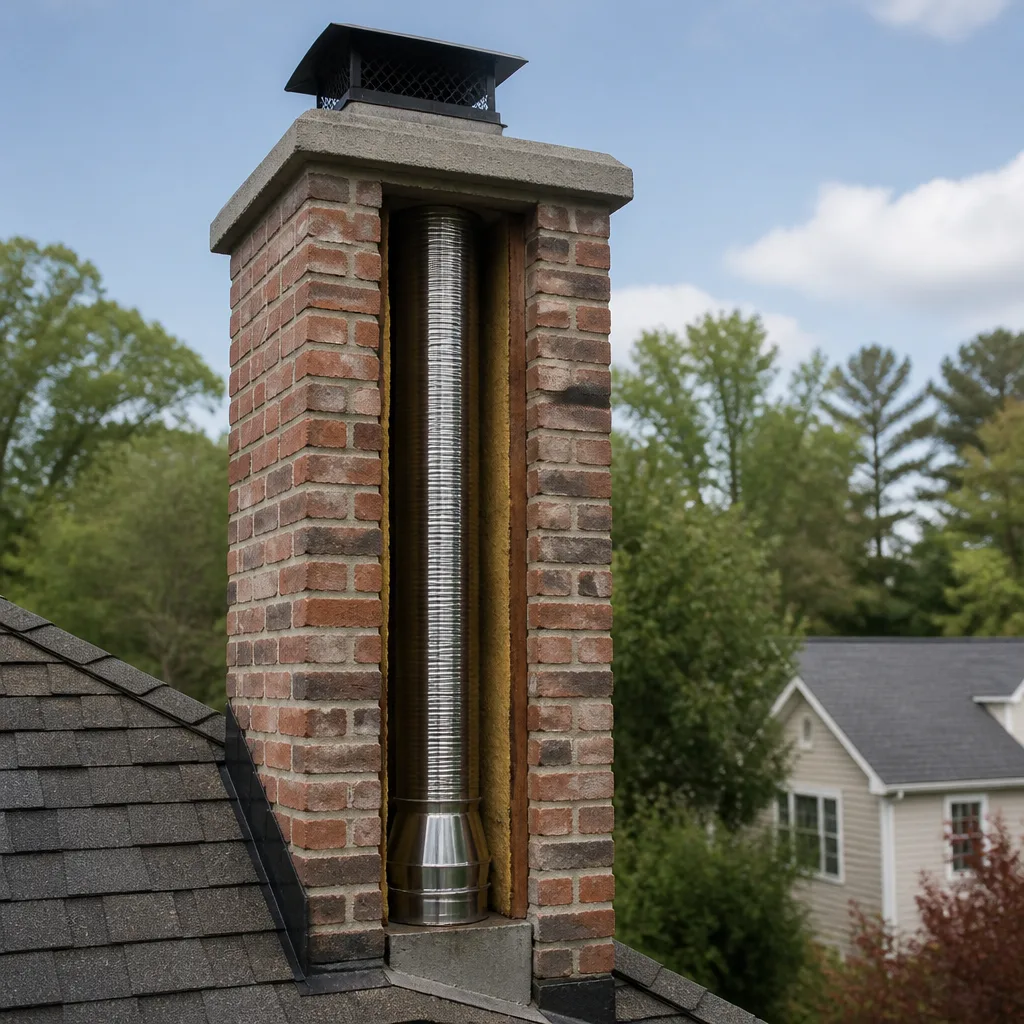 Flue relining
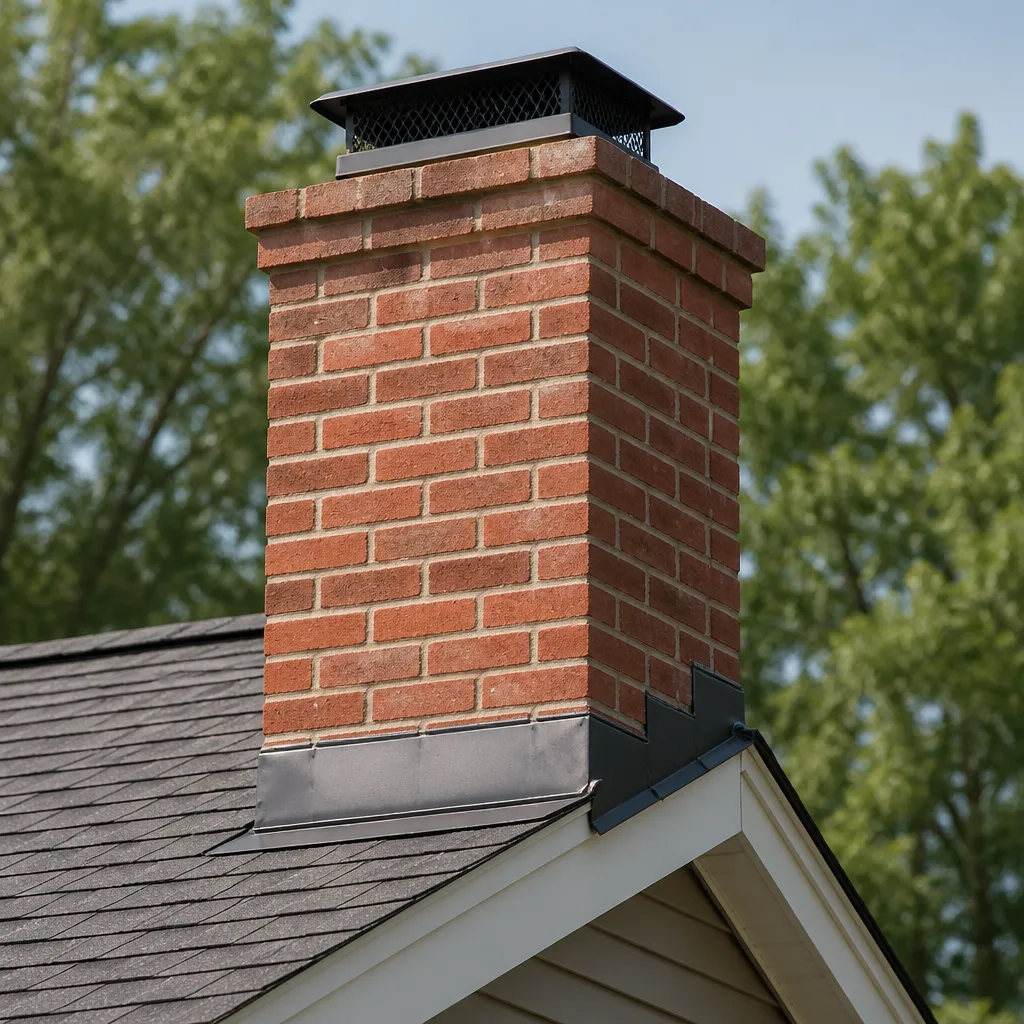 Masonry repair
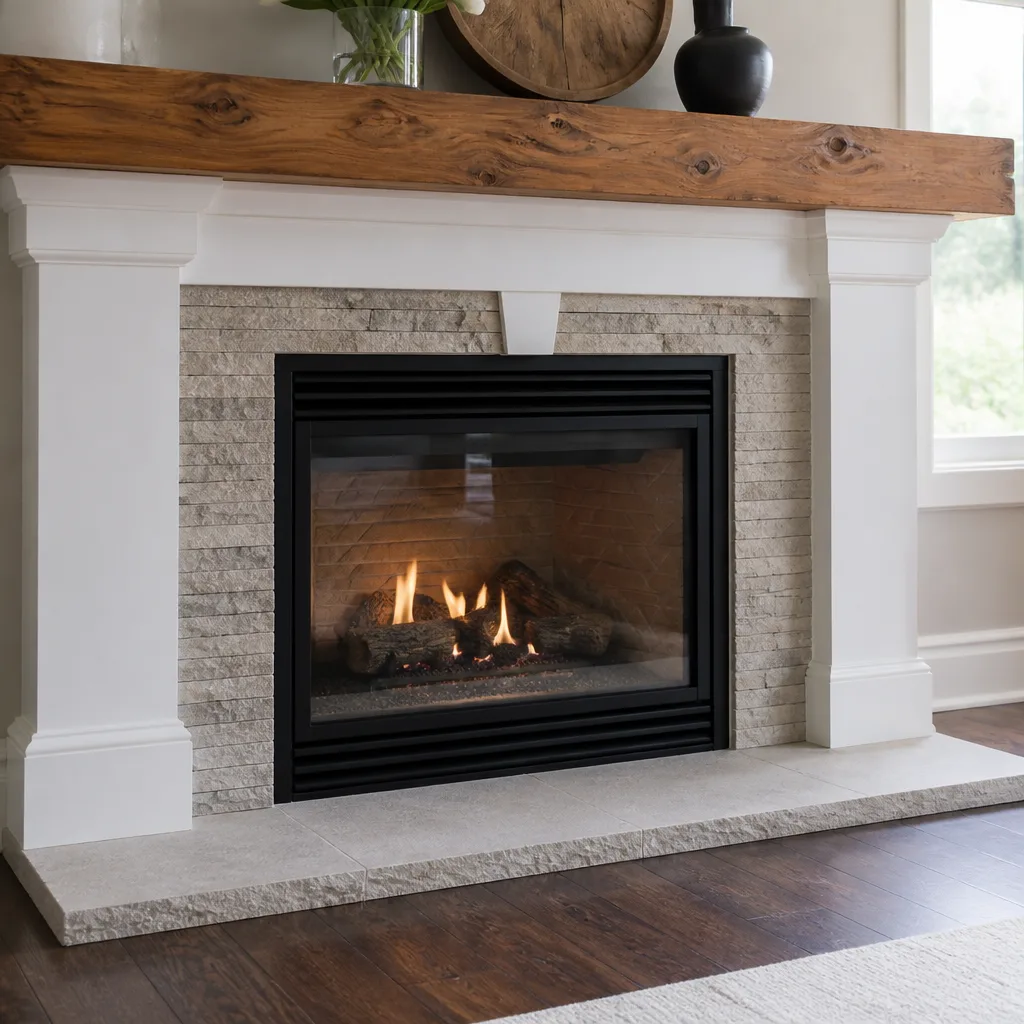 Gas fireplace service
Level 1 sweep and inspection to the NFPA 211 annual standard - flue, crown, cap, and flashing checked and photographed
Chimney sweep logs do not sweep chimneys. They loosen some creosote - which then falls where a brush and vacuum still have to collect it.
How to Hire a Chimney Cleaning Contractor in West Jordan: A Step-by-Step Guide
The cheapest chimney cleaning quote in West Jordan often comes from someone whose primary trade is something else entirely. A handyman who added sweeping to his list, a roofer with a brush on the truck, a “chimney and gutter and pressure washing” outfit. They can push a brush up a flue. What they’re less equipped to do is spot the liner crack behind the smoke shelf that turns a routine burn into a house fire. This guide walks you through how to tell the difference before you book. You’ll learn which credentials actually matter, the five questions that expose a generalist, what a real inspection report should contain, and how to judge the equipment brands a contractor works with.
Quick Answer
Hiring a chimney cleaning contractor in West Jordan comes down to verifying three things: CSIA certification of the technician doing the work, proof of current liability insurance, and a written scope of work that includes an inspection with photo or camera evidence, not just a sweep. Ask what brands they work with (DuraFlex and HeatShield for relining are the mark of a specialist), confirm they’ll give you a written estimate before any work begins, and walk away from anyone who won’t show credential numbers or puts a number on the phone without seeing your chimney first.
Styles & brands we work with
- Sweep & inspection
- Caps & crowns
- Flue relining
- Masonry repair
- Gas fireplace service
Table of Contents
- Why Most Chimney Contractors Aren’t Specialists
- The Credentials to Verify Before You Book
- Five Questions That Reveal a Specialist
- What a Real Inspection Report Contains
- How to Judge Equipment and Material Brands
- Red Flags in Contractor Communication
- What’s Different About Chimneys in West Jordan
- Common Mistakes to Avoid
- When to Call a Professional
Why Most Chimney Contractors Aren’t Specialists
Chimney work looks simple from the outside. A brush goes up, soot comes down. But the sweep is the easy part. The judgment calls happen before and after: reading creosote buildup, checking the smoke chamber for cracks, evaluating whether a flue tile has spalled, deciding whether a liner needs replacing or just cleaning. Those calls require training that a generalist handyman simply hasn’t had.
In our experience around West Jordan, the generalist problem shows up in predictable ways. A homeowner books the lowest quote. The technician sweeps, marks the job done, and leaves. Six months later the fireplace back-drafts, and a second contractor finds a gap at the flue collar that the first person walked right past. The sweep was fine. The eye wasn’t trained to look.
Chimney-only specialization means every tool, every product, and every trained judgment call focuses on one trade rather than being split across gutters, siding, and HVAC. It also means the contractor isn’t incentivized to upsell unrelated work. A chimney specialist doesn’t need to find a roof problem to make the trip worthwhile.
This is the core reason Chimney Sweep West Jordan works exclusively on chimneys. We handle sweeping, repair, and inspection under one roof because the three jobs are inseparable. A sweep without an inspection is just a cleaning. An inspection without the ability to repair is just a report. And a repair without knowing the sweep history of the chimney is guesswork. One call covers all three, and there’s no handoff to another company when something needs fixing.
What “generalist” actually means in the trade
A generalist isn’t necessarily dishonest. Many handymen are competent at what they do. The problem is scope. Chimney work involves fire codes, venting principles, and material specs that a general handyman encounters rarely, if ever. When your furnace flue or wood stove chimney is the appliance in question, “good enough” isn’t good enough. Your fireplace is a heating appliance. Treat it like one.
The Credentials to Verify Before You Book
Credentials are not paperwork theater. Each one certifies a specific thing, and knowing which certifies what helps you ask better questions.
CSIA certification
The Chimney Safety Institute of America (CSIA) certification is the standard credential for chimney sweeps in the United States. A CSIA-certified sweep has passed a written exam and agreed to a code of ethics that includes no undisclosed upselling. The certification must be renewed, which keeps the technician current on code changes. When you hire, ask for the certification number. A specialist will have it memorized, or at least have it on the truck. A generalist will often say “we’re licensed and insured” and change the subject.
NFI membership
The National Fireplace Institute (NFI) certifies technicians in specific fuel categories: wood, gas, and pellet. NFI membership signals that the technician has specialized training in venting and installation standards for your appliance type. If you burn wood, look for the wood category. If you have a gas fireplace, look for gas. NFI is not the same as CSIA, and a well-rounded chimney contractor will often hold both.
Liability insurance
Liability insurance protects you if a technician damages your home or injures themselves on your property. Ask for a certificate of insurance and confirm the policy is current. A real specialist carries this willingly. If a contractor hesitates, hedges, or says “we’ve never needed it,” that’s a contractor who knows they’re not going to need it, because they’re not going to be the one on the roof.
- CSIA certification number – verifies training and ethics
- NFI membership – verifies fuel-specific installation standards
- Certificate of liability insurance – verifies coverage is active
- Written scope of work – verifies what you’re actually paying for
None of these guarantee a great job. They do guarantee that the person has been trained to recognize what a great job requires. Our technicians have up to 8 years of experience, and we encourage every homeowner to ask for our credentials before booking. Honest contractors expect the question.
Five Questions That Reveal a Specialist
You don’t need to interrogate a contractor. Five questions, asked in normal conversation, will tell you whether you’re talking to a chimney specialist or a generalist with a brush.
- “What does your inspection cover?” A specialist will describe the firebox, smoke chamber, flue, damper, crown, cap, and exterior. A generalist will say “we look it over.” If the answer doesn’t include the words “smoke chamber” or “flue,” keep asking.
- “Do you work with DuraFlex or HeatShield?” These are professional-grade relining and restoration materials. A specialist will recognize both and explain when each applies. A generalist will ask you what they are.
- “Will I get a written report?” A legitimate inspection produces a written report with photos or camera footage. A verbal “looks fine” is not a report. It’s a shrug.
- “Can you give me a written estimate before any work begins?” The answer must be yes. A contractor who quotes a price on the phone for work they haven’t seen is guessing, and the guess will change once they’re on your roof.
- “What’s your CSIA number?” This one separates the field cleanly. A certified sweep has it ready. A generalist doesn’t have one, and often doesn’t know what CSIA stands for.
Ask the questions in a normal tone. You’re not testing them. You’re gathering the information you need to make a decision you’ll live with for years.
What a Real Inspection Report Contains
The inspection is the reason a sweep trip is worth what it costs. The sweep itself is a cleaning. The inspection is the safety diagnostic. It’s what tells you whether your chimney is safe to burn this winter or whether something needs attention first.
A legitimate inspection report in West Jordan should contain, at minimum:
- Appliance description and fuel type – wood, gas, or pellet, and the make of the fireplace or stove
- Access notes – what was reached, what was blocked, what the technician could and couldn’t see
- Flue condition – condition of the liner or flue tiles, including any cracks, gaps, or spalling
- Creosote level – degree of buildup, described in standard terms (stage 1, 2, or 3)
- Smoke chamber and damper – condition and function
- Crown, cap, and exterior – any cracks, rust, or missing components
- Photos or video – the evidence behind every finding
- Recommendations – what needs doing now, what can wait, and why
Note the last item carefully. A good report distinguishes between “must address before burning” and “keep an eye on this.” If a contractor hands you a report where every finding requires urgent repair, that’s not an inspection. That’s a sales document. The honest answer to “do I need a new liner?” is sometimes no. It’s often no. The right liner, installed right, happens when it’s actually needed.
The camera evidence matters here. A technician who can’t show you the inside of your flue hasn’t verified anything. They’re relying on memory and assumption. Any reputable chimney sweep should be willing to walk you through the photos and explain what they show. Our inspection reports always include the evidence so you can verify the recommendation yourself.
How to Judge Equipment and Material Brands
Contractors who use professional-grade materials name them. Contractors who use hardware-store substitutes don’t. That difference isn’t cosmetic. It’s the difference between a liner guaranteed for the life of the chimney and one that fails in a decade.
The brands to know in this trade include DuraFlex for relining, HeatShield for structural restoration, Gelco for liners, Olympia Chimney for venting components, Famco for venting, and Copperfield for caps and accessories. We work with all six because they’re the ones professional chimney technicians trust nationwide. When you talk to a contractor, listen for these names. If the answer to “what do you use for relining?” is “we just get it from the supplier,” that’s a generalist. A specialist knows the difference between a HeatShield restoration and a DuraFlex reline and can explain which applies to your chimney.
A related question: does the contractor work with professional-grade tools or residential hardware-store equipment? This shows up most visibly on the sweep side. A specialist uses weighted brushes sized properly to the flue diameter, HEPA vacuums that capture fine fly ash without dusting your living room, and cameras that can see behind the smoke shelf. A generalist shows up with a shop vac and a wire brush and hopes it works.
- DuraFlex – flexible stainless relining for wood-burning appliances
- HeatShield – structural restoration of damaged flue tiles
- Gelco – professional liner systems
- Olympia Chimney – venting and liner components
- Famco – venting and chimney components
- Copperfield – caps, dampers, and chimney accessories
Why this matters for your chimney specifically
A cap isn’t a cosmetic lid. It’s what keeps rain, snow, birds, and debris from entering the flue. A Copperfield cap sized and installed correctly does one thing well. A generic cap from the hardware store that doesn’t fit properly is worse than no cap at all, because it traps moisture against the crown. The accessories are where dishonest or inexperienced contractors get exposed fastest. Ask what brand they use. A specialist knows.
Red Flags in Contractor Communication
Most bad hiring decisions happen before the technician ever shows up. They happen in the phone calls, the texts, and the quote conversation. Watch for these:
- No written estimate. If the price is verbal, it isn’t a price. It’s an opening bid, and it will change once the work begins. Insist on a written estimate before any job starts.
- Vague scope of work. “Sweep and inspect” is not a scope. A scope says what will be swept, what will be inspected, and what will be reported. If the contractor can’t describe what’s included, it isn’t included.
- Refusal to show credential numbers. A confident contractor hands you the CSIA number without hesitation. A hesitant one is a red flag you don’t need to decode.
- Phone quotes without seeing the chimney. Nobody can price a chimney job without seeing it. Anyone who does is either guessing or planning to add charges later.
- Pressure to repair during the first visit. Inspection findings sometimes require repair. Legitimate contractors explain the finding and let you schedule the work. The same-day-upsell move, especially when the evidence isn’t shown, is where honest and dishonest contractors split.
- No camera, no photos. If the report isn’t backed by photographs or footage, “we found a crack in your liner” is a claim you cannot verify. A real contractor welcomes verification.
- Unmarked vehicles and no company identification. Chimney work happens inside your home. If the person at your door can’t tell you the company name, the CSIA number, and the insurance carrier, ask them to leave.
The general rule: legitimate contractors are boring. They show up, quote clearly, do the work, document it, and leave. There’s no drama. There’s no pressure. If the conversation feels high-stakes, it’s probably because they need your money today.
What’s Different About Chimneys in West Jordan
Chimney care in West Jordan looks a little different than it does in places with milder winters or heavier heating loads. West Jordan sits in the Salt Lake Valley, which means hard freezes and rapid thaw cycles through the heating season. That freeze-thaw pattern is hard on masonry. Flue tiles spall, mortar joints open, and crowns crack when water seeps in and expands overnight.
The other local factor is the housing stock. Many homes in West Jordan have wood-burning fireplaces built in the 1970s through 1990s, often with masonry chimneys that were never designed for modern wood stoves or high-efficiency inserts. When a homeowner adds an insert without relining, the flue size is wrong for the appliance, which changes how creosote deposits and how the chimney drafts. A specialist will check the appliance against the flue it’s venting to, not just sweep what’s there.
Hard water and irrigation minerals are less of a chimney factor here than the freeze-thaw and the fine dust kicked up by valley winds, which finds its way into fireboxes and smoke chambers between seasons. That’s why we treat every visit as a safety evaluation rather than a cleaning. A sweep that skips the smoke chamber leaves an inspection gap that can hide structural problems for years.
West Jordan’s building department handles permitting for chimney relining and structural repair, and inspections may be required depending on the scope of work. Ask your contractor whether the job as scoped will need a permit. A specialist knows the answer. A generalist usually doesn’t.
If you’re in the middle of a project and need honest information about chimney repair in West Jordan, our technicians will look at the actual chimney before making any recommendation. That’s the standard the whole guide is built around.
Common Mistakes to Avoid
- Hiring on price alone. The lowest quote in West Jordan usually reflects a smaller scope, not a better deal. If one contractor is $100 cheaper and the other is CSIA-certified with written reports, the difference is the inspection you’d be skipping.
- Skipping the inspection to save time. A sweep without an inspection is a cleaning, not a safety check. You’re paying the same trip charge to skip the part that actually matters.
- Not asking for the CSIA number. This single question filters out most generalists. Ask it before you book, not after they arrive.
- Accepting a verbal estimate. If it’s not written, it’s not binding. Estimates change when they’re verbal. Ours don’t, because we put them in writing before any job starts.
- Letting a contractor recommend repairs with no evidence. Ask to see the photos. Ask to see the camera footage. If they can’t show you, they can’t justify the recommendation.
- Assuming a generalist handyman’s sweep is fine. The sweep probably is fine. The liner crack behind the smoke shelf isn’t the kind of thing a generalist finds, because they weren’t trained to look.
- Booking once and forgetting. Chimneys in West Jordan need attention on a schedule, not when a problem surfaces. Annual sweeps for wood-burning chimneys, and inspections at least annually, catch problems before they turn into safety events.
One more: don’t assume all chimney problems show up as smoke in the room. Carbon monoxide has no smell and no color. A chimney that drafts poorly can push CO back into the house without visible evidence. If anyone in your home gets headaches or nausea when the fireplace is running, stop burning and get the chimney inspected before the next fire.
When to Call a Professional
Some chimney work is safe to defer. Some isn’t. Call a professional for any of these:
- Annual sweep and inspection on a wood-burning fireplace or stove
- Smoke backing into the room while the fireplace is running
- Creosote buildup visible above the damper
- Any suspected liner damage, spalling, or flue cracks
- Persistent odor from the fireplace between seasons
- After a chimney fire, even a small one
- Before adding a wood stove insert, to confirm the flue sizing
- Signs of water intrusion around the crown or flashing
- Birds or animals nesting inside the flue
- Any concern about carbon monoxide
Chimney fires and carbon monoxide are the two reasons chimney maintenance exists. Both start with conditions that are easy to miss and cheap to fix early. Chimney Sweep West Jordan offers free estimates in West Jordan. Call (877) 404-8451. We answer 24/7. Fast dispatch, 7am-7pm, Sunday through Friday. A call outside dispatch hours is booked into the next opening, Sunday through Friday, 7am to 7pm.
Frequently Asked Questions
A wood-burning chimney should be swept at least once a year, and more often if you burn frequently. The CSIA standard is that a chimney should be swept when there’s 1/8 inch of creosote buildup, and the sweep should include an inspection. In West Jordan, the local freeze-thaw cycle makes annual inspection especially worthwhile because it catches masonry damage early. Call (877) 404-8451 to book a sweep and inspection together.
A typical chimney sweep in the West Jordan area runs in the range professional chimney sweeps charge locally, and the final price is set per job by the written estimate. Cost depends on the flue type, the amount of buildup, and whether the inspection uncovers anything that needs attention. We give a written estimate before any work begins. Call (877) 404-8451 for an exact quote; estimates are free.
Maybe, maybe not. A liner needs replacing when it has cracks, gaps, or damage that would let heat or creosote reach combustible material, when it’s the wrong size for the appliance, or when it has spalled enough that it no longer contains the fire. If your liner is intact and properly sized, it doesn’t need replacing. Any recommendation for a new liner should come with camera evidence you can see for yourself. If you haven’t seen the evidence, ask for it. Call (877) 404-8451 to schedule an inspection with photos.
Skipping chimney maintenance leaves creosote to build up and liner damage to progress unseen. Chimney fires happen when creosote ignites, and they often sound like a low rumble, not an alarm. Carbon monoxide is the quieter risk: a cracked liner or blocked flue can push CO back into the house with no visible warning. Scheduling a sweep and inspection once a year is a small cost against those risks. Call (877) 404-8451 to book one.
Ask for their CSIA certification number when you call, and confirm it matches the technician who shows up. CSIA certification is tied to the individual technician, not the truck or the company name. A contractor who can’t produce a number is not CSIA-certified, regardless of what the ad says. Our technicians hold this credential and we’re happy to share the numbers before you book. Call (877) 404-8451 with any questions.
You can sweep a chimney yourself with the right tools, and many homeowners do. The problem isn’t the sweep, it’s the inspection. A homeowner sweeping their own chimney isn’t trained to spot a liner crack, a gap at the flue collar, or a smoke chamber defect, and those are the findings that matter. If you sweep your own chimney and have any reason to suspect damage, get it professionally inspected. Call (877) 404-8451 to book one.
The Bottom Line
Hiring a chimney contractor in West Jordan is less about finding someone who can push a brush and more about finding someone whose eyes are trained to see the whole chimney. Verify the credentials: CSIA certification, NFI membership, current liability insurance. Ask the five questions. Insist on a written estimate and a written inspection report with photos. Pay attention to the material brands, because recognizing DuraFlex, HeatShield, and copperfield-quality accessories separates a specialist from a generalist. And treat the inspection as the point of the visit, not an add-on. Our technicians have up to 8 years of experience and work exclusively on chimneys, which means every recommendation we make is focused on one thing: the safety of your fireplace. If you’d like a straight answer about your own West Jordan home, we’re ready to look.
Call (877) 404-8451 for a free estimate. We answer 24/7. Fast dispatch, 7am-7pm, Sunday through Friday. One call covers sweeping, repair, and inspection from the same specialist company, and nothing is recommended without evidence you can see for yourself. If the work can safely wait, we’ll tell you that too. The price is set per job by the written estimate, and the estimate is free.
Written by the team at Chimney Sweep West Jordan.
See the difference
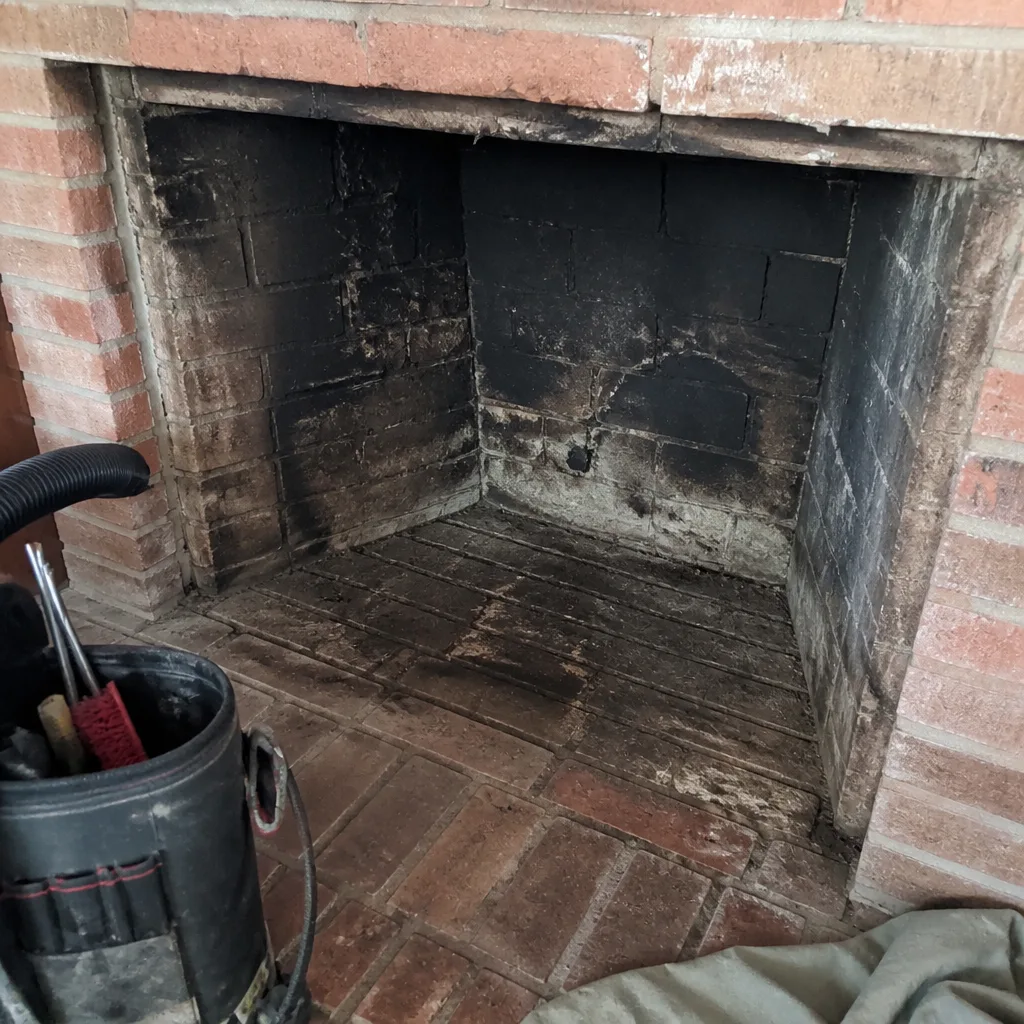 Before
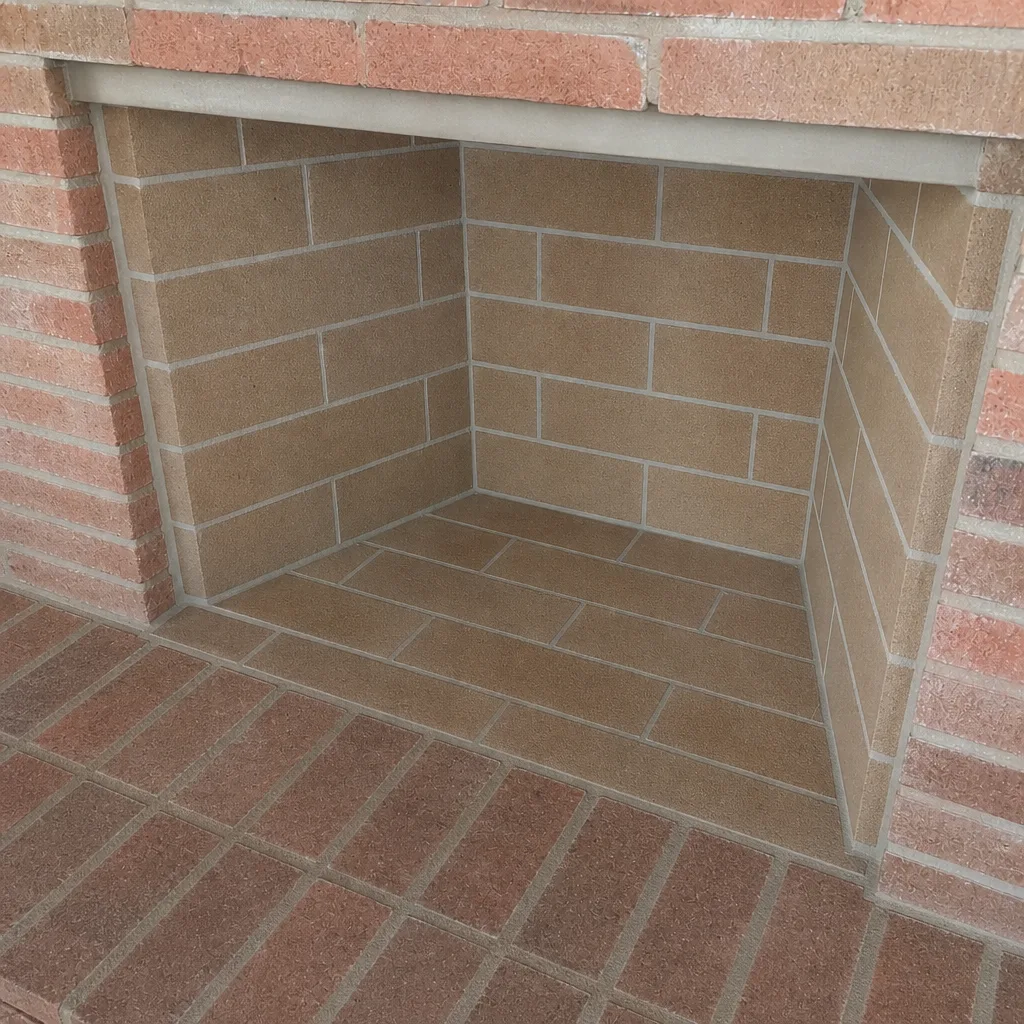 After
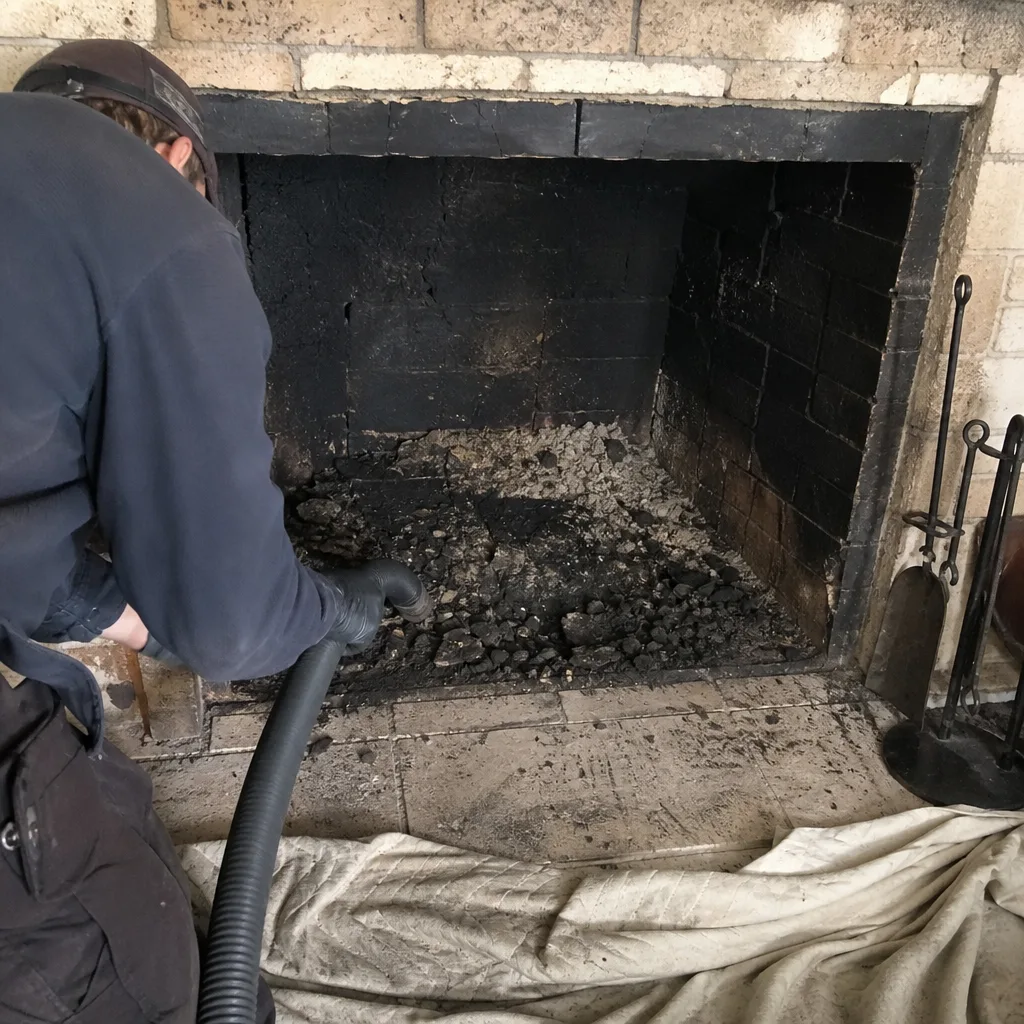 Before
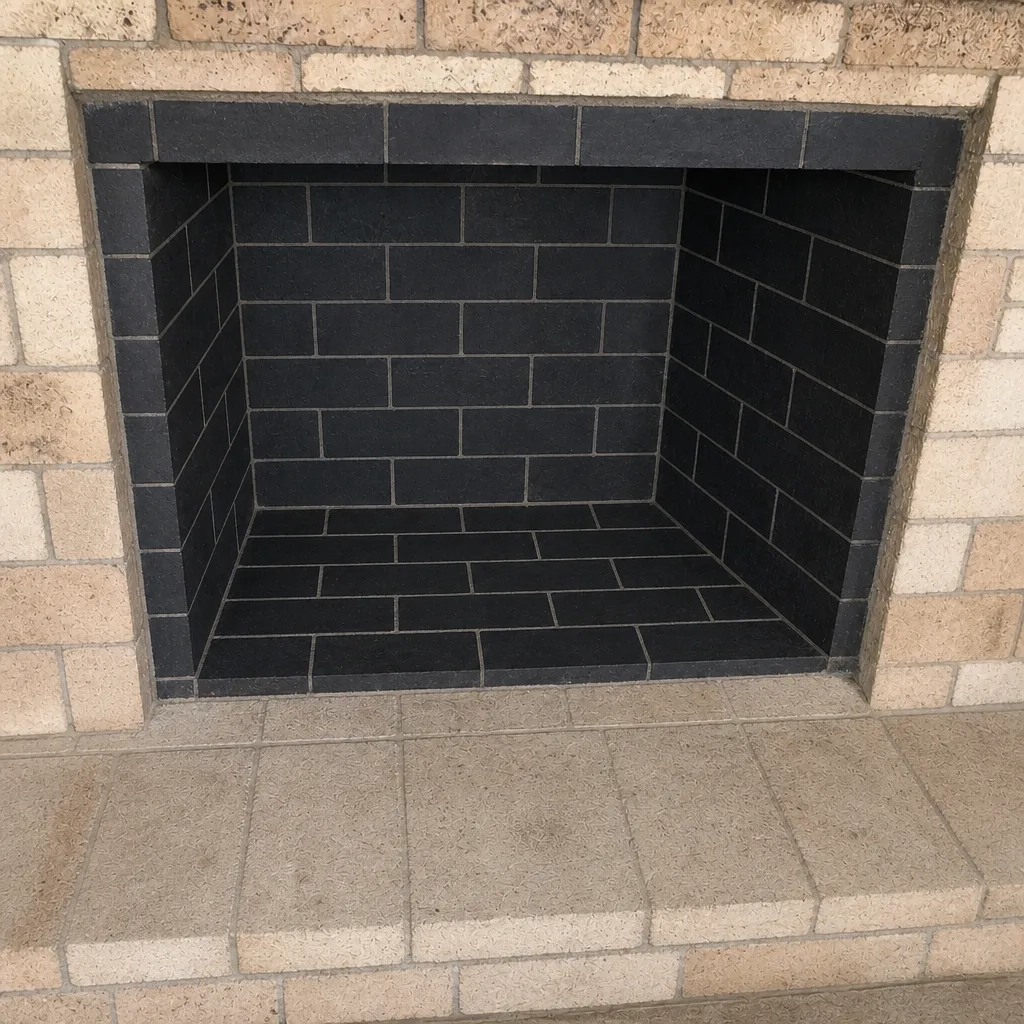 After
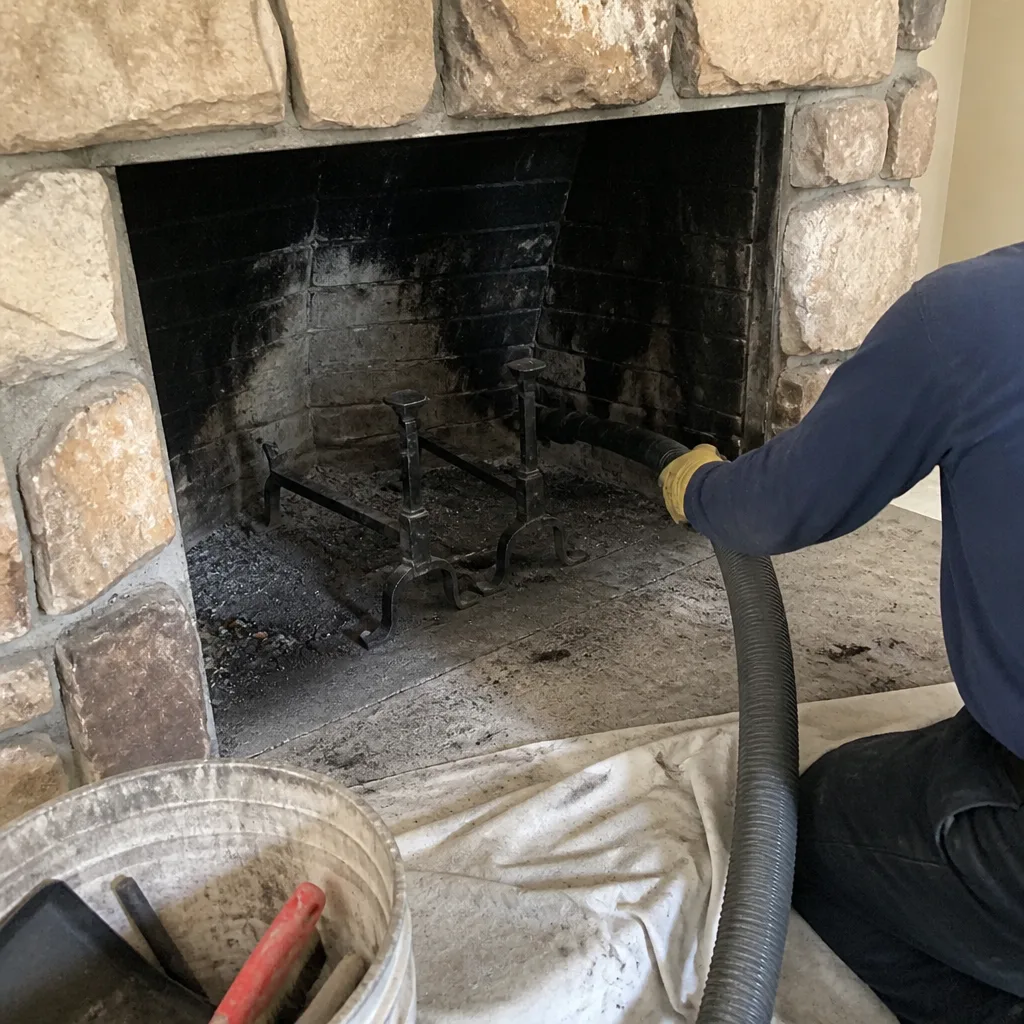 Before
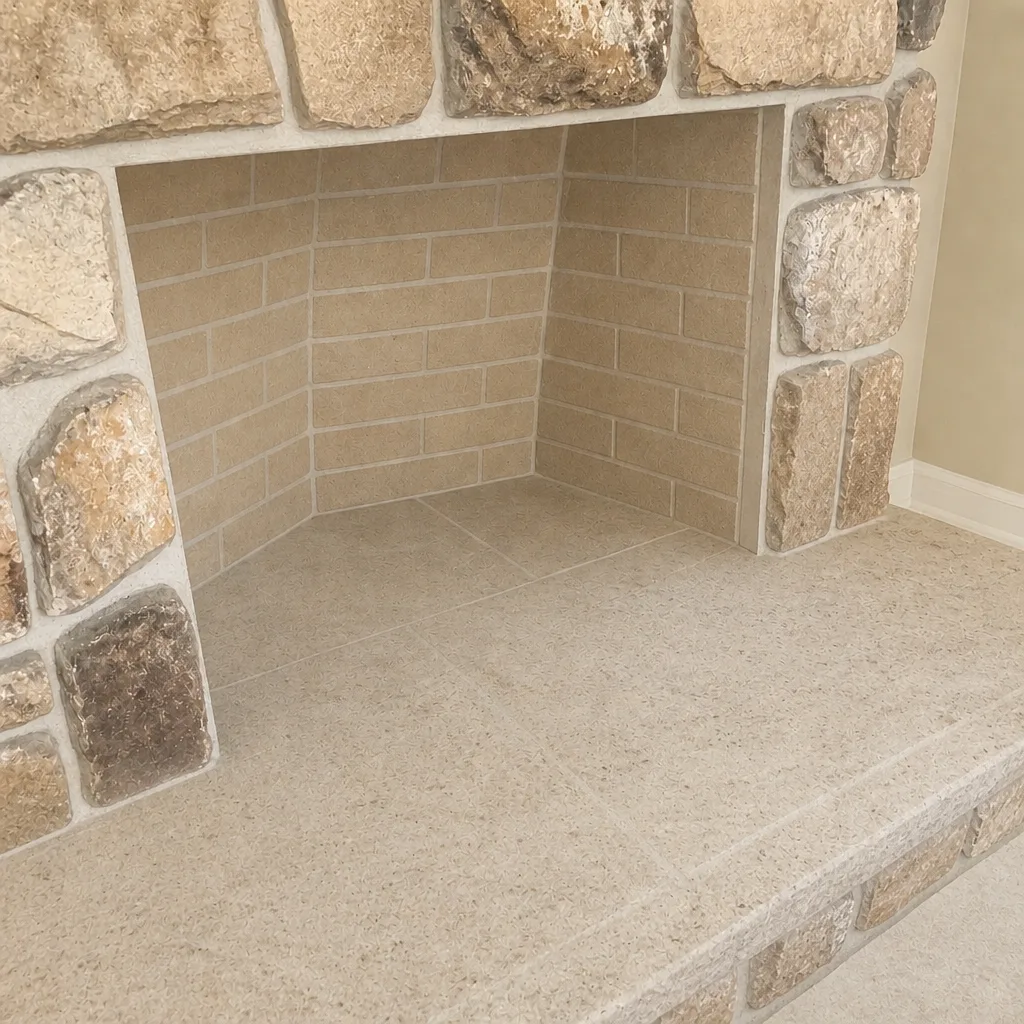 After