
Last updated November 16, 2026
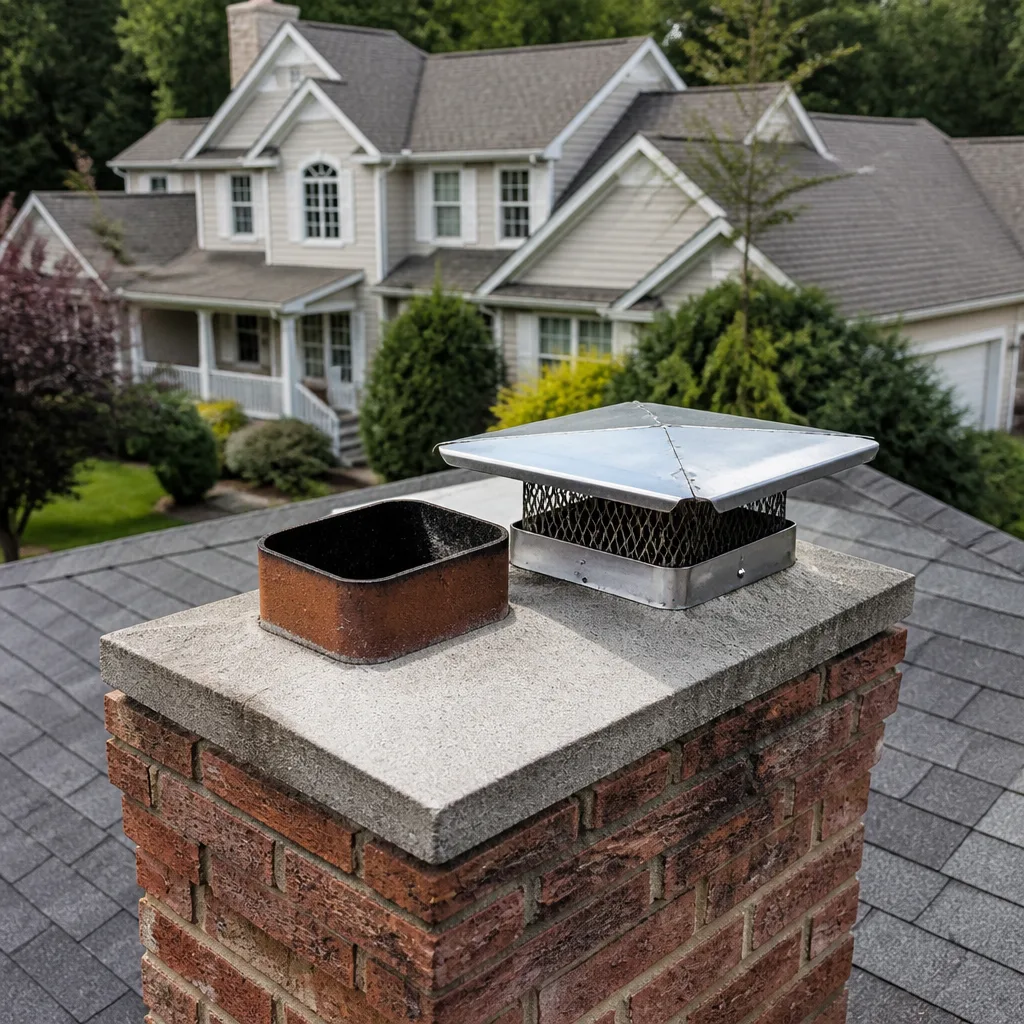 Sweep & inspection
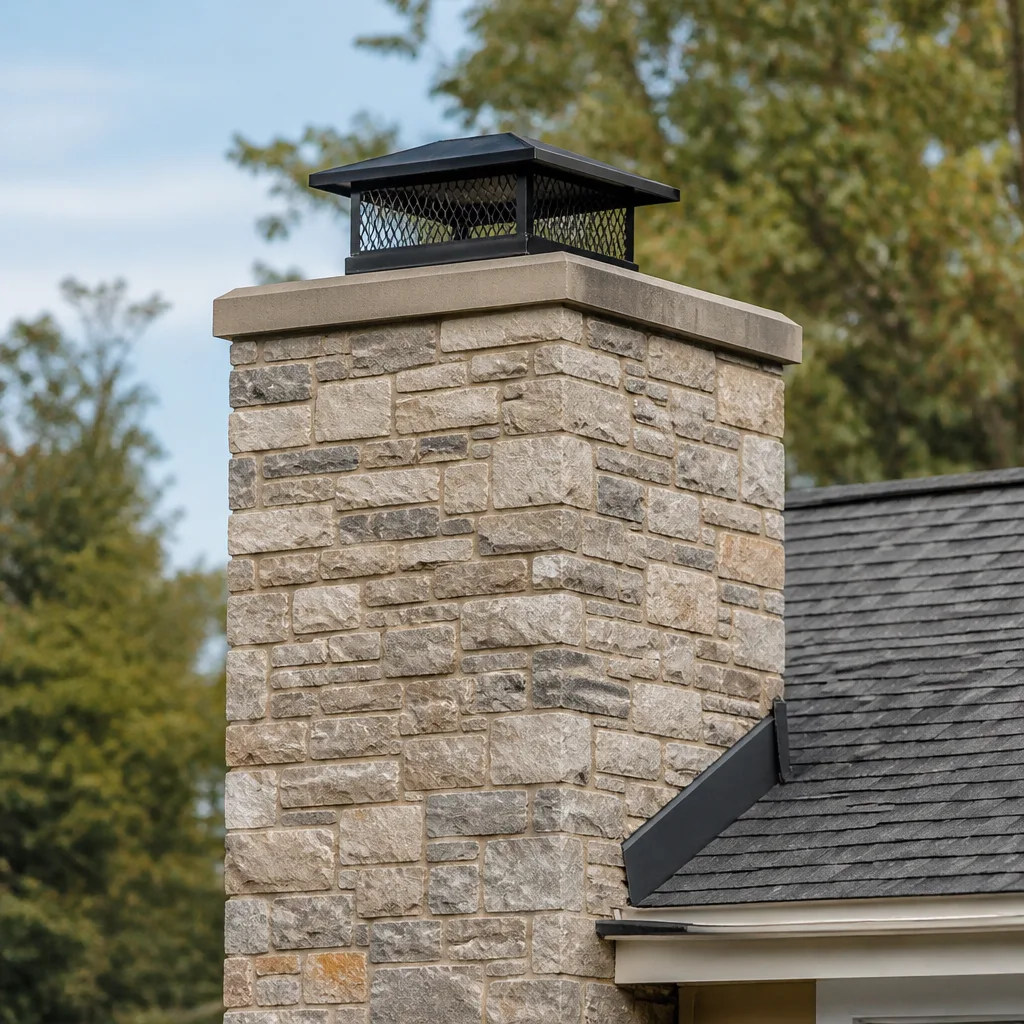 Caps & crowns
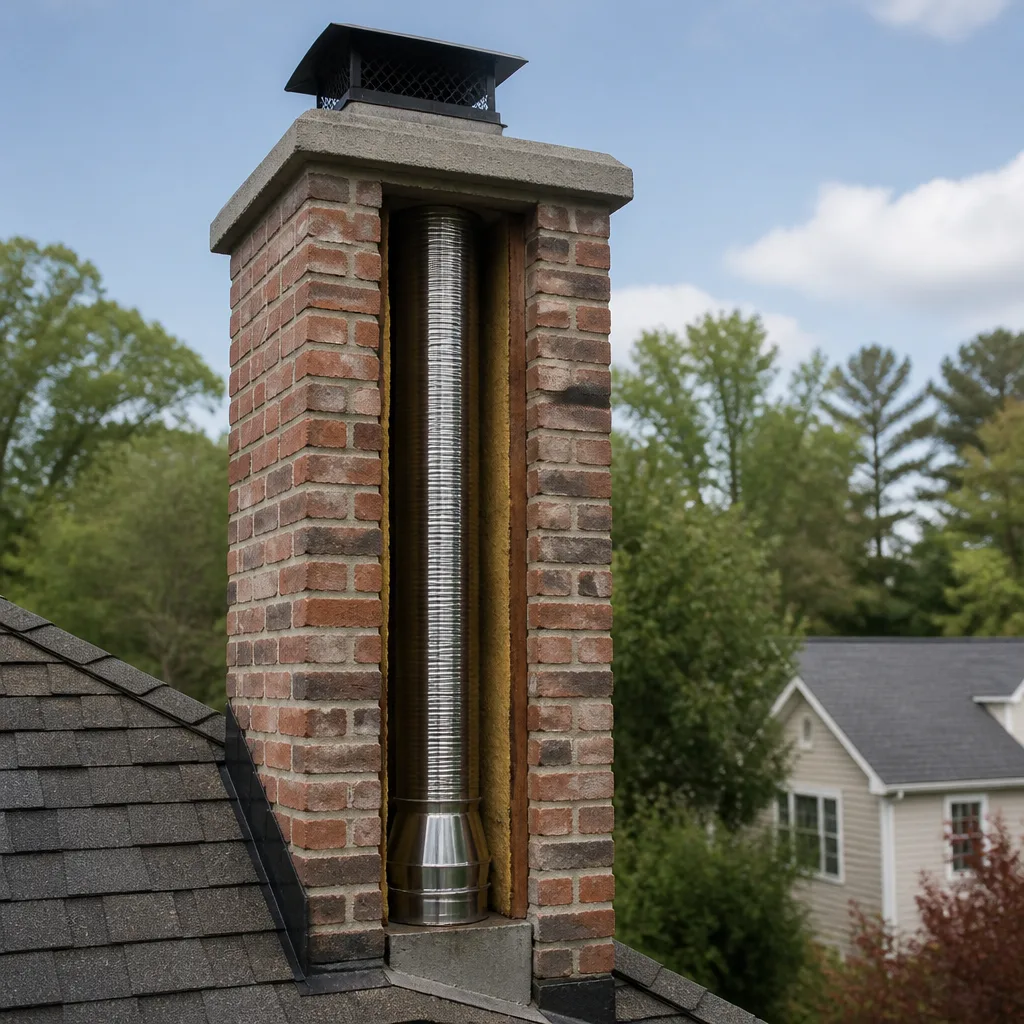 Flue relining
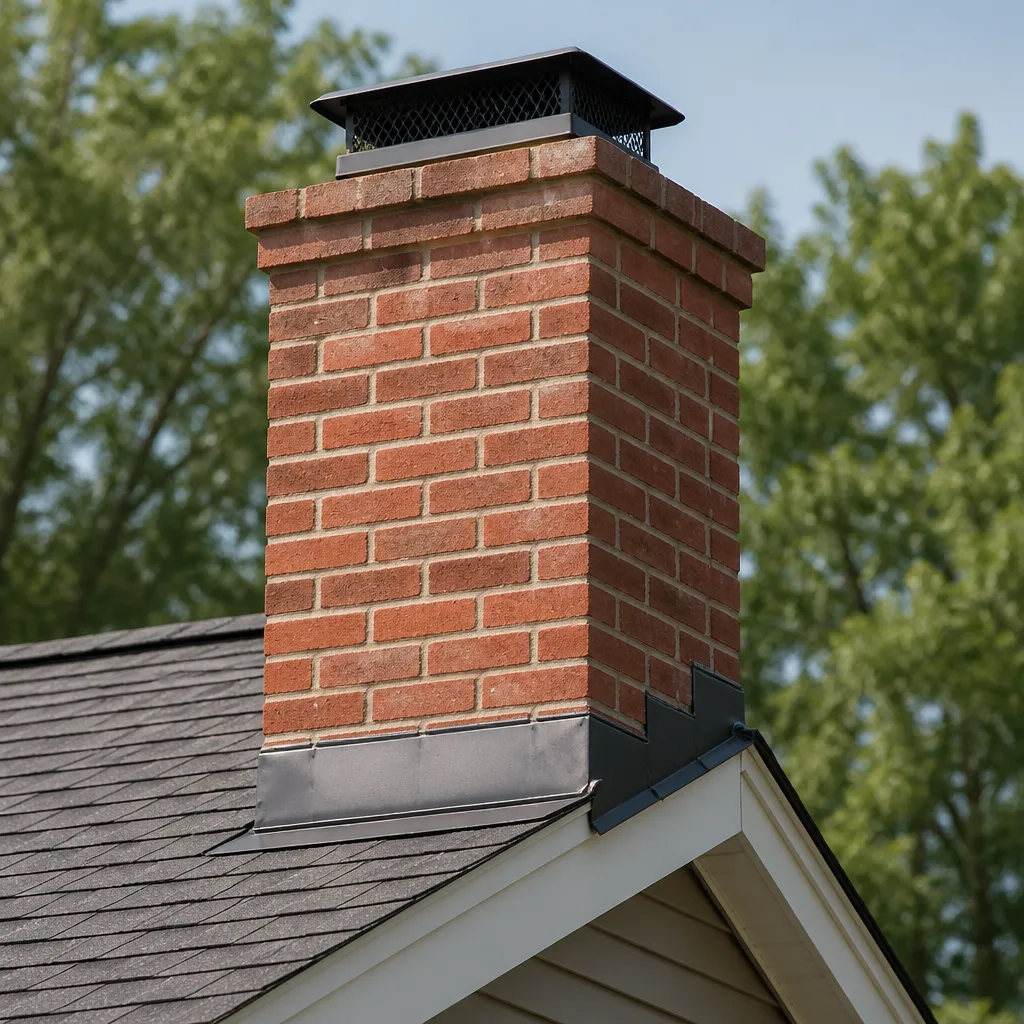 Masonry repair
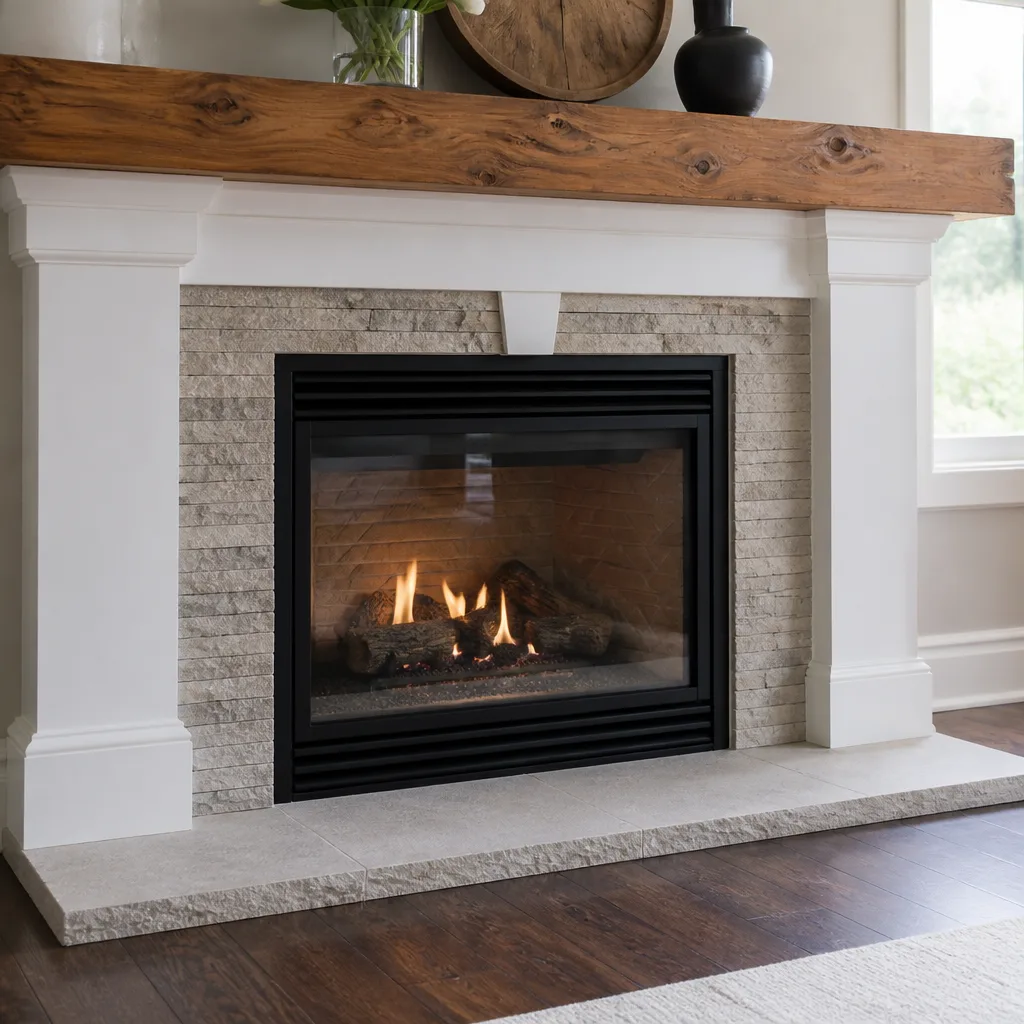 Gas fireplace service
Level 1 sweep and inspection to the NFPA 211 annual standard - flue, crown, cap, and flashing checked and photographed
Chimney sweep logs do not sweep chimneys. They loosen some creosote - which then falls where a brush and vacuum still have to collect it.
Chimney Cleaning Cost Breakdown: The West Jordan Homeowner’s Reference for 2026
The $79 chimney cleaning special you’ll see advertised around West Jordan doesn’t include the inspection that tells you whether your chimney is actually safe to burn in. That inspection is priced separately, and without it, the cleaning is cosmetic. Here’s the part most price lists skip: a sweep fee covers brushing the flue, and nothing more. Camera inspection, creosote treatment, and any repair the camera reveals are separate line items, and they’re where the real cost lives. In this guide we’ll break down every line item, explain why masonry and factory-built chimneys price differently, show you how to read a quote, and compare five years of maintenance against one deferred liner replacement.
Quick Answer
A standard chimney sweep in West Jordan typically costs $150 to $290 for a straightforward masonry flue, and $120 to $250 for a factory-built fireplace system. A camera inspection usually runs $75 to $200 on its own, or bundled into a sweep visit. Third-degree creosote removal and minor repairs are separate services, quoted after the inspection with photo evidence in hand. The written estimate sets the final price.
Styles & brands we work with
- Sweep & inspection
- Caps & crowns
- Flue relining
- Masonry repair
- Gas fireplace service
Table of Contents
- What’s included in a standard sweep fee?
- What triggers add-on charges?
- Masonry vs. factory-built: why the price differs
- Why third-degree creosote removal is priced separately
- How to read a quote: itemized vs. flat-fee
- Five years of maintenance vs. one liner replacement
- West Jordan’s burn season and how it shapes cost
- Frequently asked questions
What’s Included in a Standard Sweep Fee?
A standard sweep fee covers brushing the flue from the firebox up or the roof down, removing soot and creosote deposits, and cleaning the firebox, smoke shelf, and damper area. It also includes a visual check of accessible components: the firebox walls, damper operation, and the cap on the roof. Those are the visible basics. The fee does not include a camera inspection, chemical creosote treatment, or repair.
Here’s what a fair standard sweep covers line by line:
| Line Item | Typical West Jordan Range |
|---|---|
| Standard masonry sweep (brush, soot removal) | $150 – $290 |
| Factory-built fireplace sweep | $120 – $250 |
| Firebox and smoke shelf cleaning | Included |
| Damper operation check | Included |
| Rooftop cap visual check | Included |
| Camera inspection (add-on) | $75 – $200 |
When we run a chimney sweep in West Jordan, the brush work is the same job it’s always been. What changed the pricing landscape is the camera. A flue that looks clear from the firebox can hide gaps in the clay tile liner, cracked mortar joints, or a bird’s nest forty feet up. Camera inspection catches those before they become a hazard. We price it as a separate service because it genuinely is a separate job, and because a homeowner who already knows their chimney is in good condition shouldn’t pay for it. If you’d rather skip it, we’ll tell you what we can see from the firebox and the roof and be honest about what we can’t.
Two conditions affect the sweep fee in West Jordan specifically. First, an accumulation of heavy soot in a stove that’s been run cold and smoldery takes longer to brush clean. Second, a flue used for a wood stove rather than an open fireplace has a tighter, longer path that needs more care and more time. Neither is an upcharge by design; they’re simply more labor.
What Triggers Add-On Charges?
Add-on charges come from three sources: inspection work you chose to add, conditions the sweep reveals that need more than a brush, and repairs the inspection uncovers. Each is quoted separately, and none should appear on a bill unless the sweep found evidence for it.
The common add-ons, in rough order of how often we quote them:
- Camera inspection ($75 – $200): a video survey of the full flue, with photos you keep.
- Third-degree creosote treatment: chemical application plus a return visit, priced per job.
- Minor repair: pointing a cracked crown, re-seating a damper, replacing a cap screen, priced per job.
- Liner relining: a bigger job, covered in the masonry section below.
- Blockage removal: a nest, leaf plug, or debris load, priced per job.
Ask any chimney company in West Jordan to itemize each add-on with a photo of what justifies it. A camera inspection comes with images; a creosote finding comes with a look down the flue. If the technician can’t show you the reason, the charge isn’t fair. We tell West Jordan homeowners to look down the flue with us and see the deposit for themselves before we recommend treatment.
One add-on you shouldn’t accept: anything the sweep doesn’t show. A “standard” crown repair recommended before anyone has been on the roof is a red flag, not a precaution. Likewise, a quote that includes creosote treatment before the flue has been inspected is guesswork. The inspection comes first, the recommendation follows, and the photo report settles the question.
Masonry vs. Factory-Built: Why the Price Differs
A masonry chimney in a West Jordan home usually has a clay tile liner and a brick or stone exterior. Factory-built fireplace systems – common in tract homes and in many homes built over the last few decades – have a metal flue and a firebox assembly that sits inside a framed chase. The sweep fee differs because the job differs: a metal flue brushes faster and with less risk of damaging tile joints, so it usually costs less ($120 – $250 vs. $150 – $290). The inspection and repair differences matter more than the sweep difference.
What stands out in a West Jordan masonry chimney:
- The clay tile liner cracks and spalls over time, especially through freeze-thaw cycles in winter.
- Mortar joints in the chimney crown and the flue tile seams loosen, letting moisture in.
- Eventually a masonry chimney may need a stainless steel liner relined inside the old flue to stay safe.
- That relining is where the cost jumps, and where the right material matters.
A factory-built fireplace system is simpler to open up for inspection, but it depends on a manufacturer-approved metal flue. When it fails, the fix is usually a replacement flue assembly from a known brand, not masonry work. That difference matters in West Jordan’s older neighborhoods where both systems exist side by side. If you’re not sure which type you have, the shape of the firebox and the damper give it away, and any sweep will tell you straight. Working with a limited roster of brands – DuraFlex for stainless liners, HeatShield for structural restoration, Famco and Copperfield for venting, capping, and accessories – is how we keep materials consistent across every West Jordan home we work in, rather than grabbing whatever’s at the nearest big-box store. The right liner, installed right, lasts decades.
Why Third-Degree Creosote Removal Is Priced Separately
Third-degree creosote is a hard, glazed, tar-like deposit that has baked onto the flue walls, and brushing alone won’t remove it. It requires a chemical treatment that softens the deposit over time, then a return visit to brush it off. That’s why it’s a separate service with a separate price – it’s two trips, more labor, and it needs product on site.
Creosote builds in three stages, and each stage means a different kind of work:
- First-degree: light sooty dust. A standard brush removes it.
- Second-degree: black, flaky, crisp deposits. A stiffer brush plus a thorough pass usually handles it.
- Third-degree: glazed, tar-like, hard to the touch. Chemical treatment followed by a return sweep.
Creosote buildup is driven by how a wood-burning appliance is run. A stove or fireplace operated with a cold, dampened fire will build glazed creosote much faster than one burned hot and clean. That’s the leading reason we see third-degree deposits in West Jordan homes – not laziness, just an appliance never quite run at temperature. The chimney is a heating appliance, and it needs to be treated like one.
Why does the deposit matter? Glazed creosote is the fuel for a chimney fire. A flue fire can damage or destroy the liner, spread into the wall assembly, and is a serious hazard that deserves to be prevented rather than managed. Proper sweeping, correct burning habits, and a yearly inspection are how a homeowner avoids it. We don’t make this bigger than it is, but we don’t make it smaller either. If the inspection finds third-degree creosote, we quote the treatment and show photos. If it finds light soot, we sweep and tell you to call again next season. Honesty is the only useful posture here.
How to Read a Quote: Itemized vs. Flat-Fee
An itemized quote tells you what the sweep covers, what the inspection covers, and what’s not included. A flat-fee quote gives you one number and hides the scope. For chimney work in West Jordan, the itemized quote is the only one you can act on, because it’s the only one where you know what you’re buying.
Here’s how to read an itemized estimate when it lands in front of you:
- Sweep – what’s brushed, and how many flues.
- Inspection – camera or visual only, and whether photos are included.
- Exclusions – what the company is explicitly not doing this visit, such as the roof cap check if access is unsafe.
- Repair line items – each item with the condition it corrects.
- Total – no hidden add-ons after the job.
A flat-fee quote hides all of that. It leaves you wondering whether the “full service” includes the camera, whether the cap check happens, and what triggers a call-back charge. A legitimate company will hand you an itemized estimate without being asked. If they push back, walk.
Some honest selling points to look for in a West Jordan chimney quote:
- Camera inspection with photo report included.
- Flat-price sweep fee that’s agreed before booking.
- Insurance and bonding stated clearly.
- Clear itemization of any repair before it happens.
To find a chimney repair specialist you trust, start with a sweep and an inspection quote from the same company, and compare the line items, not the totals. One call covers sweep, repair, and inspection, and the same company carries the job through from brush to liner if needed. That eliminates the coordination gap homeowners hit when a sweep company hands off to a repair company and the second contractor has never seen the flue.
Five Years of Maintenance vs. One Liner Replacement
Five years of regular chimney maintenance in West Jordan typically costs far less than one liner replacement caused by deferred maintenance. A standard annual sweep and inspection runs roughly $225 to $490 a year once the camera inspection is included, so five years of maintenance comes to about $1,125 to $2,450 depending on what the inspection turns up. A full liner relining is a bigger job, typically priced in the thousands, and it’s the cost that arrives when small problems have had years to grow.
The math gets clearer when you separate routine from repair:
| Scenario | Typical Range |
|---|---|
| Annual sweep + camera inspection, 5 years | $1,125 – $2,450 |
| Occasional minor repair along the way | Priced per job |
| Full liner relining after deferred damage | Priced per job, materially higher |
This is not a scare number. We don’t quote relining from a parking lot; we quote it after we’ve seen the flue on camera. In many cases, a homeowner who calls us for a sweep gets a sweep, a clean inspection, and a scheduling reminder for next season. That’s what a well-kept chimney looks like. What costs a West Jordan homeowner far more is the flue that skips five seasons, then suffers a small creosote-fire event that cracks a few tiles, then needs relining with a stainless liner and the associated work. Working with DuraFlex and HeatShield materials is part of how that repair gets done right, but the cheapest liner is the one you don’t need yet. Catching small problems every year is how a homeowner avoids the large bill.
West Jordan’s Burn Season and How It Shapes Cost
West Jordan’s heating season runs cold enough that most fireplaces and wood stoves see real use from late fall into early spring. The Wasatch Front winter brings freeze-thaw cycles that work on masonry, and the spring melt sends moisture down the chimney crown and into the flue. That’s the West Jordan climate in one line, and it’s why the town’s chimneys take a beating even when they’re not burning much.
What the climate means for pricing:
- Early-season booking: a sweep done before burning season starts lets you fix a problem before it matters, and it’s the cheapest time to find one.
- Freeze-thaw cracking: masonry crowns and flue tiles crack as water freezes and expands, which adds repointing and crown work as line items over time.
- Moisture at the cap: a missing or damaged cap lets winter water in, which accelerates deterioration and drives up repair cost.
A chimney system near a West Jordan home with a metal cap and good flashing takes the freeze-thaw much better. The Famco and Copperfield accessories we work with – caps, top-sealing dampers, and venting details – protect exactly that vulnerable part of the system. It’s one of those details that looks minor until you’ve seen what a couple of winters do to an uncapped flue.
Every West Jordan neighborhood has this in common: the chimney sits on the outside of the house, exposed to the weather. Salt Lake Valley winters aren’t mild, and the chimney is where that shows. A sweep booked in early fall, before the first cold snap, keeps the flue in shape to handle the burn season and avoids the mid-winter emergency call. If you want a second opinion between seasons, don’t put it off; the shoulder months are when a chimney specialist has the time to do the inspection thoroughly. Visit the main Chimney Sweep West Jordan page to see all the services in one place, or read the West Jordan location page for what a visit typically looks like.
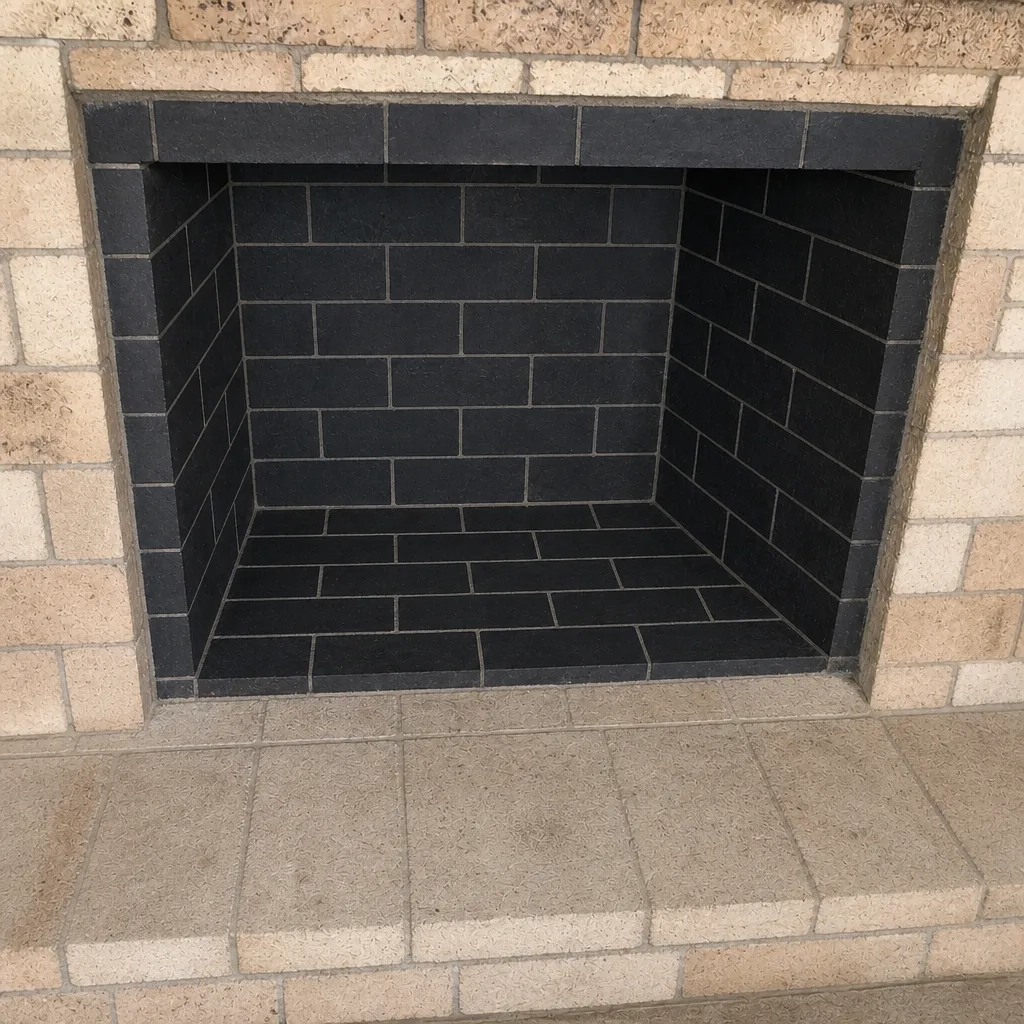
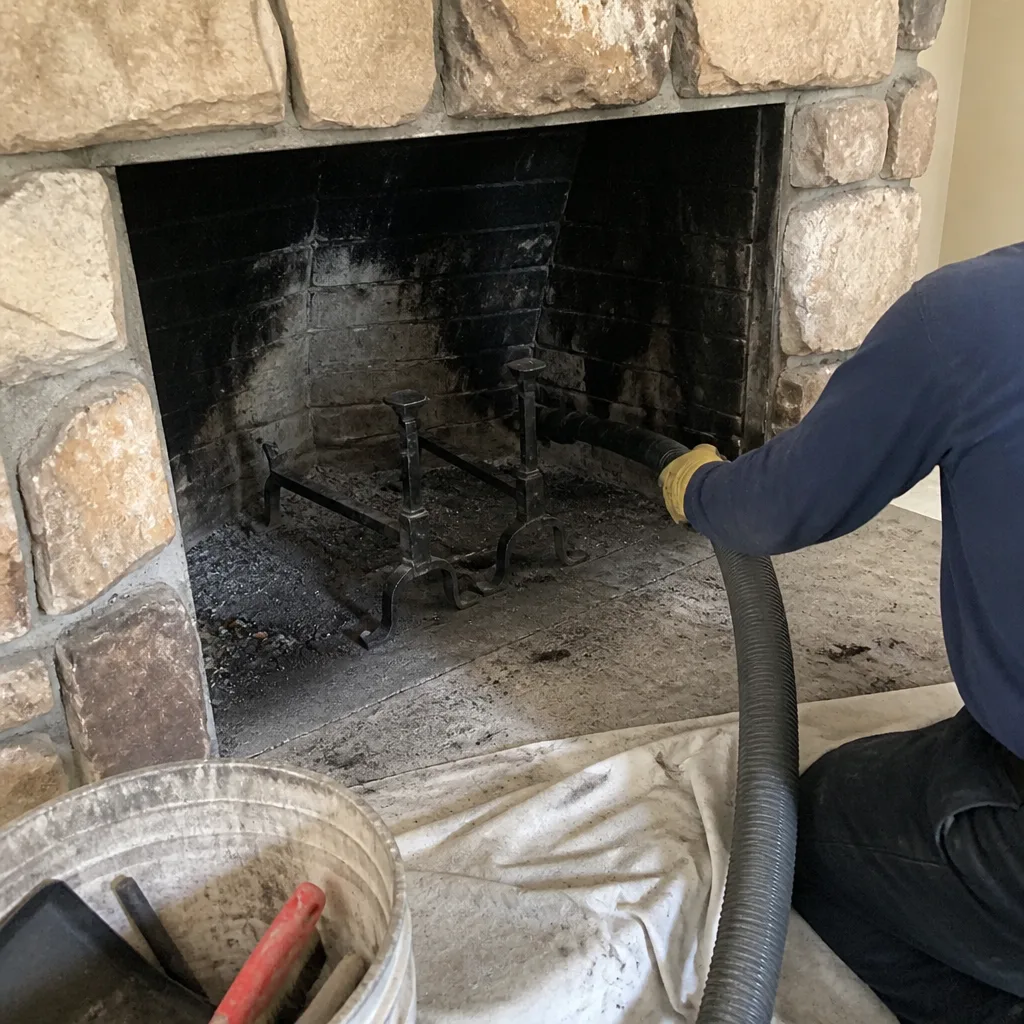
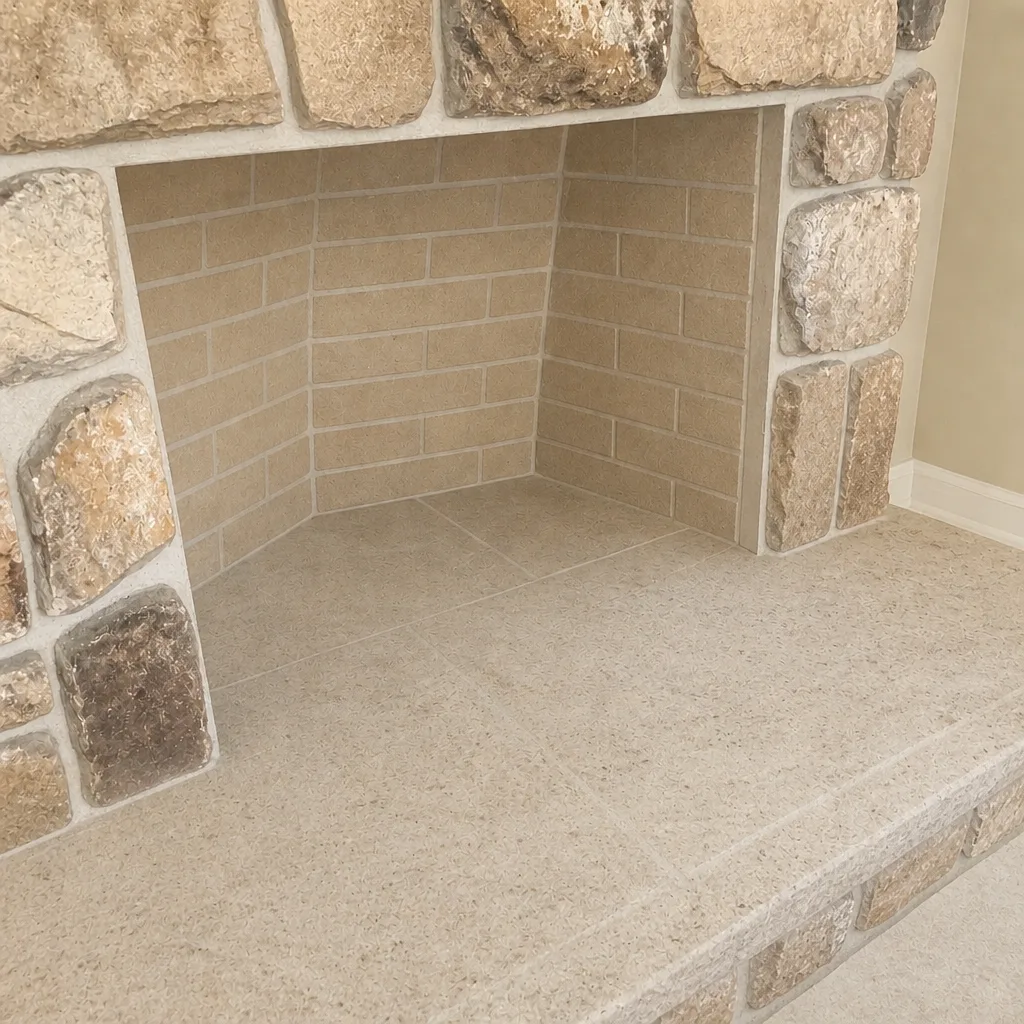
See the difference
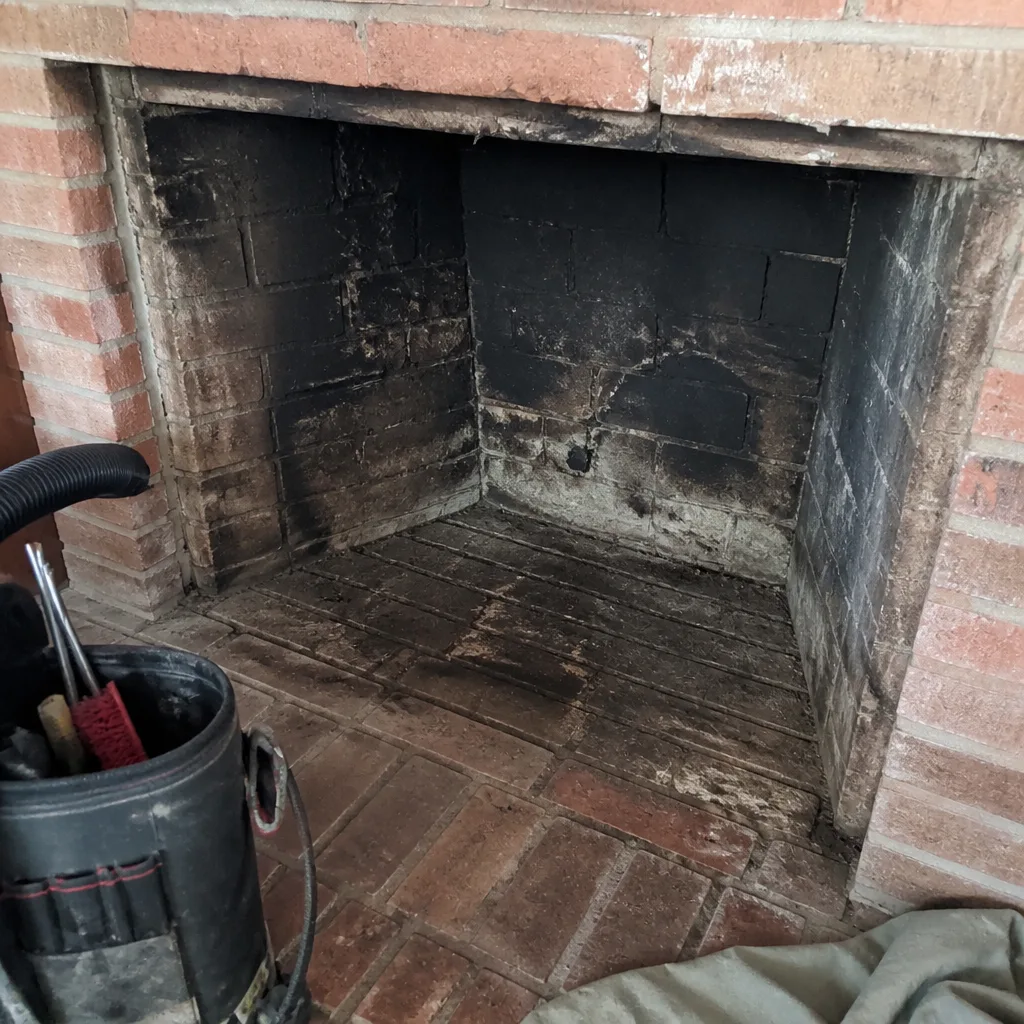 Before
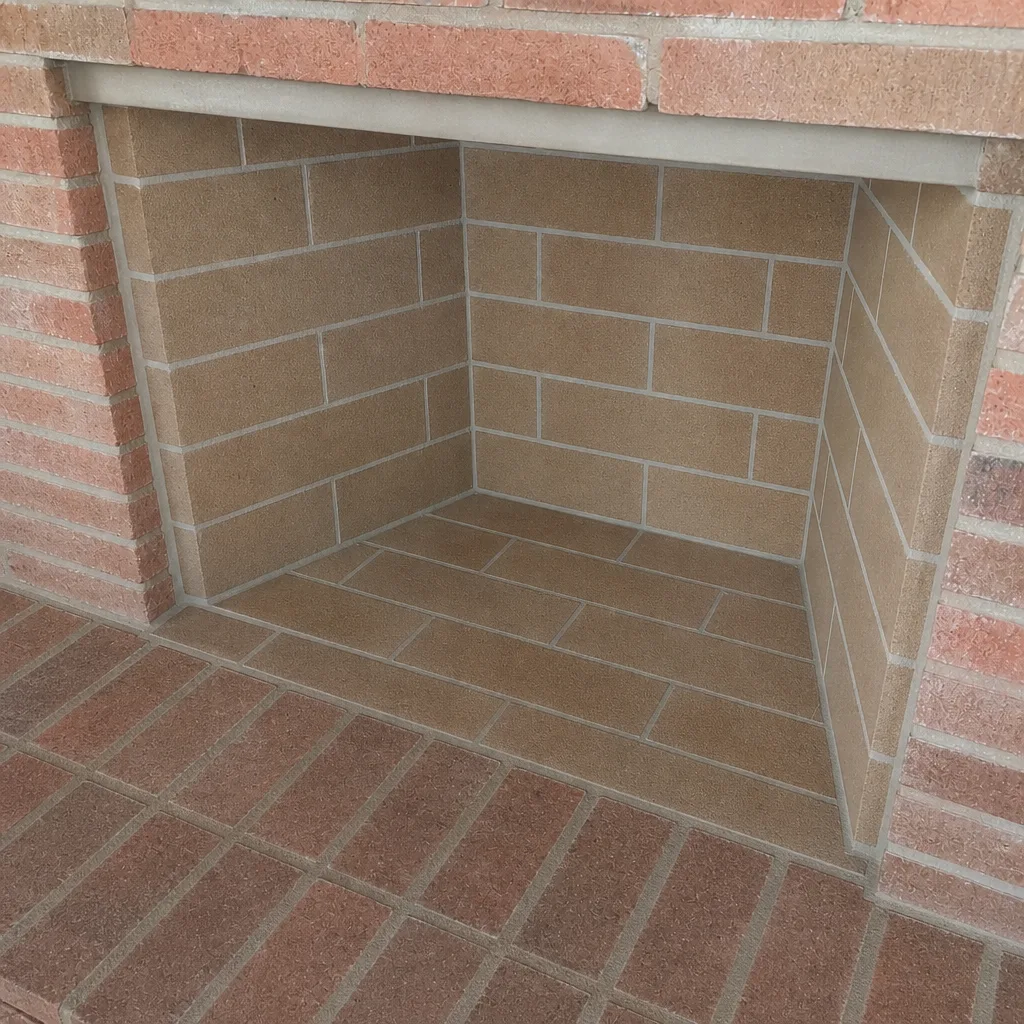 After
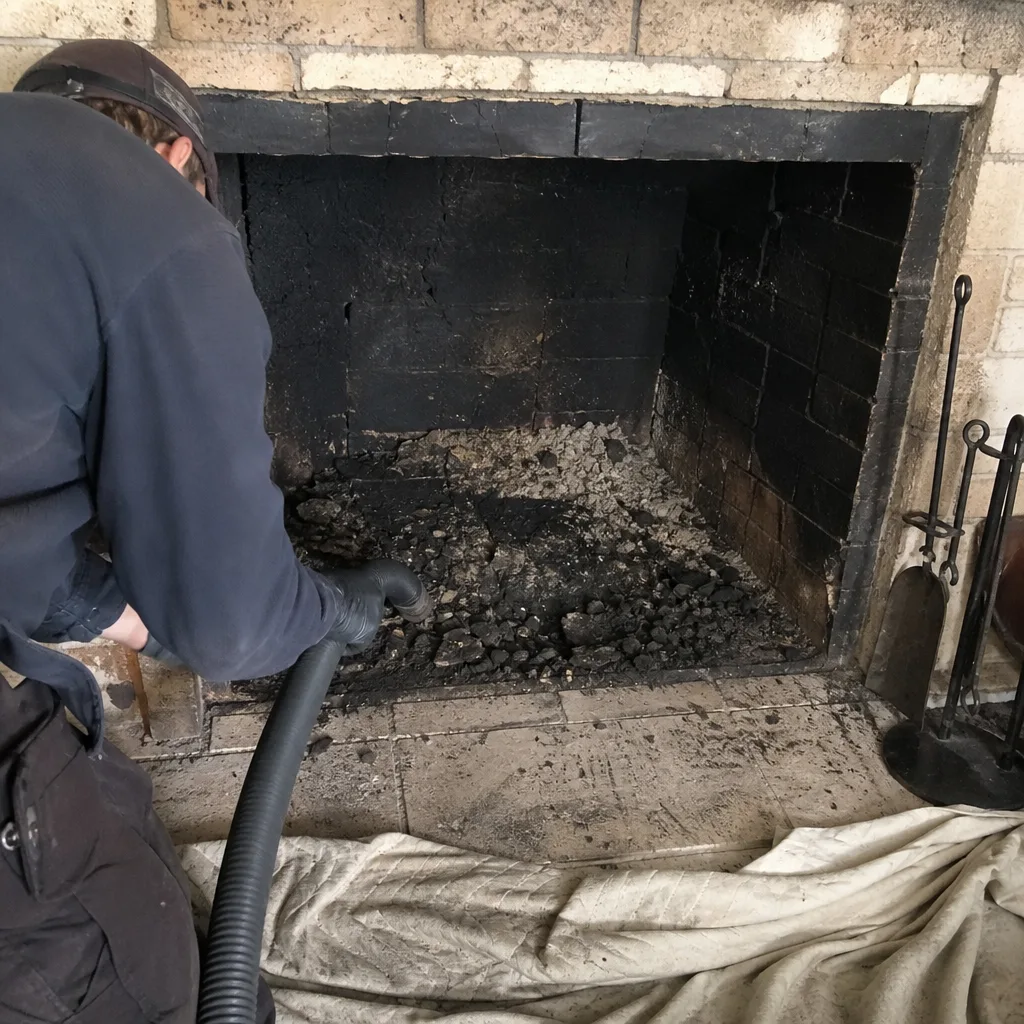 Before
 After
 Before
 After
Common Mistakes to Avoid
- Booking the cheapest flat-fee sweep and skipping the inspection. A clean flue is not a safe flue. The inspection is where you find out what the sweep can’t tell you.
- Accepting a repair quote without photos. In West Jordan, a chimney company that can’t show you the crack on camera is guessing at your expense. Ask to see the evidence.
- Late-season sweeps. Booking a sweep in January after weeks of fires means the flue has already carried creosote through the coldest part of the season. Early-season booking is safer and easier to schedule.
- Running a smoldering fire for weeks. A cold, damp fire builds glazed creosote faster than any other habit, and glazed creosote is the expensive kind. Burn hot and clean.
- Skipping the annual inspection because the flue “looks fine” from the firebox. The most common serious problems, cracked tiles and lost mortar, are up and out of sight.
- Hiring a handyman moonlighting as a chimney specialist. Chimney work is a trade with its own tools, materials, and trained judgment. A general handyman who does a little of everything is not who you want on your flue.
- Ignoring a missing or damaged cap. A cap is a small line item that prevents a large one. If the cap is gone, the flue has been taking water all winter.
When to Call a Professional
Call a chimney professional if it’s been more than a year since your last sweep, if you’re burning wood and haven’t had an inspection since buying the home, or if you’ve noticed any of the following: smoke backing into the room, a fire that won’t draft, a flue that smells like tar in warm weather, a cap that’s come loose or gone, or visible cracking on the chimney crown. Also call if a known deposit of heavy creosote has built up and the fire feels sluggish. These are all jobs for trained technicians, not projects for a homeowner on a ladder. Our technicians have up to 8 years of experience and carry the equipment to see the flue from the inside.
Chimney Sweep West Jordan offers free estimates in West Jordan. Call (877) 404-8451. We answer 24/7. Fast dispatch from 7am to 7pm, Sunday through Friday.
Frequently Asked Questions
A standard chimney sweep in West Jordan typically costs $150 to $290 for masonry and $120 to $250 for a factory-built fireplace system, with camera inspection priced separately at $75 to $200. The written estimate sets the final price. Call (877) 404-8451 for an exact quote; estimates are free.
You need a new liner only if the inspection shows damage the old liner can’t safely continue with, such as cracked clay tiles, gaps in joints, or a flue that can’t contain a fire safely. Nothing is recommended without camera evidence you can see for yourself, and if the liner can wait, we’ll say so. Call (877) 404-8451 to book an inspection and get a clear answer on your flue.
A chimney used regularly for wood should be swept and inspected once a year, and more often if you burn heavily or notice heavy creosote buildup. West Jordan’s burn season runs most of the winter, so an early-season sweep keeps the flue ready before the fires start. Call (877) 404-8451 to schedule your annual visit.
Skipping the sweep lets creosote keep building until it glazes, and glazed creosote is the fuel for a chimney fire. A chimney fire can damage the liner and spread into the surrounding structure. It’s not a hypothetical; it’s why the annual sweep exists. Call (877) 404-8451 for a free estimate on a sweep and inspection.
A factory-built fireplace has a smooth metal flue that brushes faster and with less risk of damaging the liner, so the sweep fee is usually lower. A masonry flue with clay tiles takes more care and more time. Both need an annual sweep and inspection. Call (877) 404-8451 to book either one.
No, and any company that quotes repair over the phone without seeing the flue is guessing. A camera inspection is what tells us, and it comes with a photo report you keep. Book the inspection first and let the evidence drive the estimate. Call (877) 404-8451.
The Bottom Line
The base sweep is the cheapest line on the bill. The real cost of chimney care in West Jordan depends on what the inspection finds: a clean flue is a modest annual expense, and a neglected one is a much larger repair priced per job by the written estimate. Read your quote carefully, insist on camera evidence before any repair, and book your sweep before burning season rather than after. Five years of annual maintenance almost always costs less than one relining from deferred damage. If you want the whole job handled by one specialist, with brands like DuraFlex, HeatShield, Famco, and Copperfield on the truck and the photos in your hand before we recommend anything, that’s what we do.
Call Chimney Sweep West Jordan at (877) 404-8451 for a free estimate. We answer 24/7. Fast dispatch from 7am to 7pm, Sunday through Friday. Estimates are free, and the price is set per job by the written estimate.
Written by the team at Chimney Sweep West Jordan.