
Last updated November 16, 2026
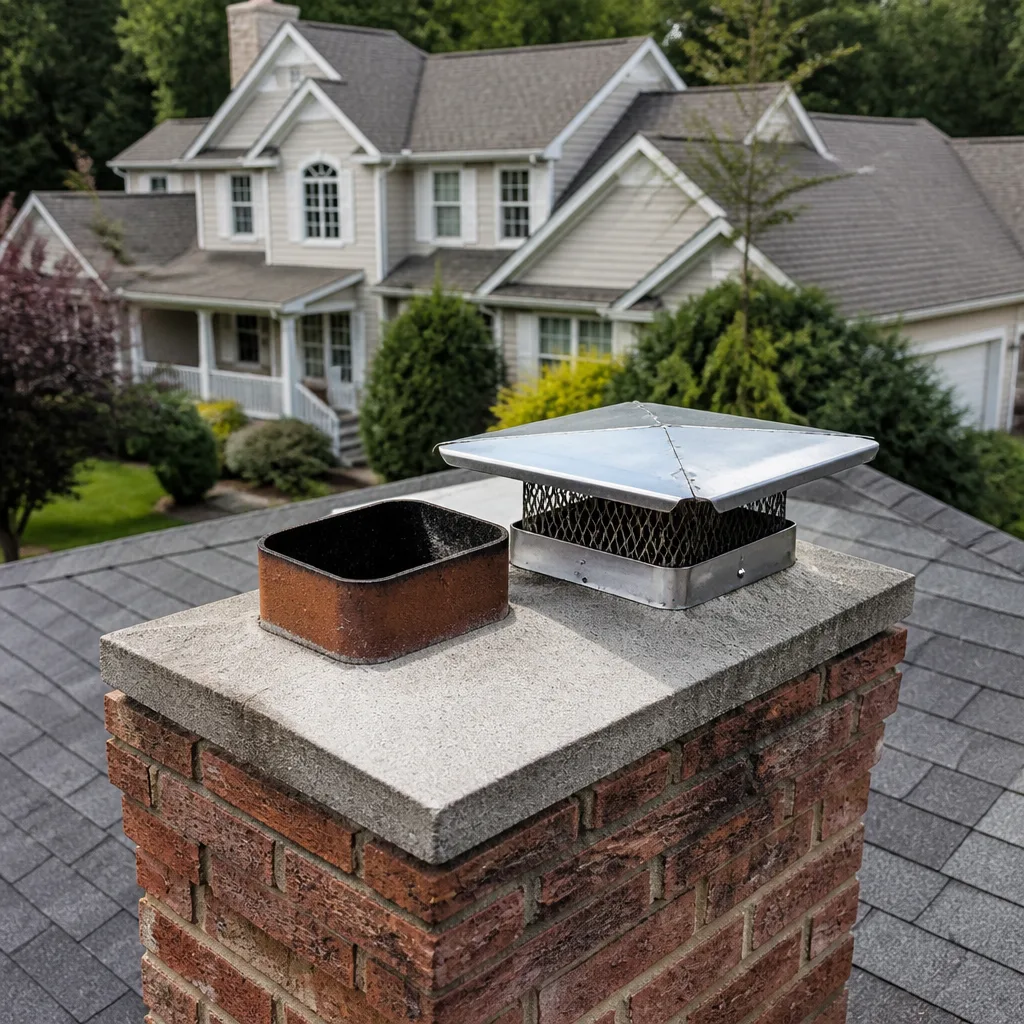 Sweep & inspection
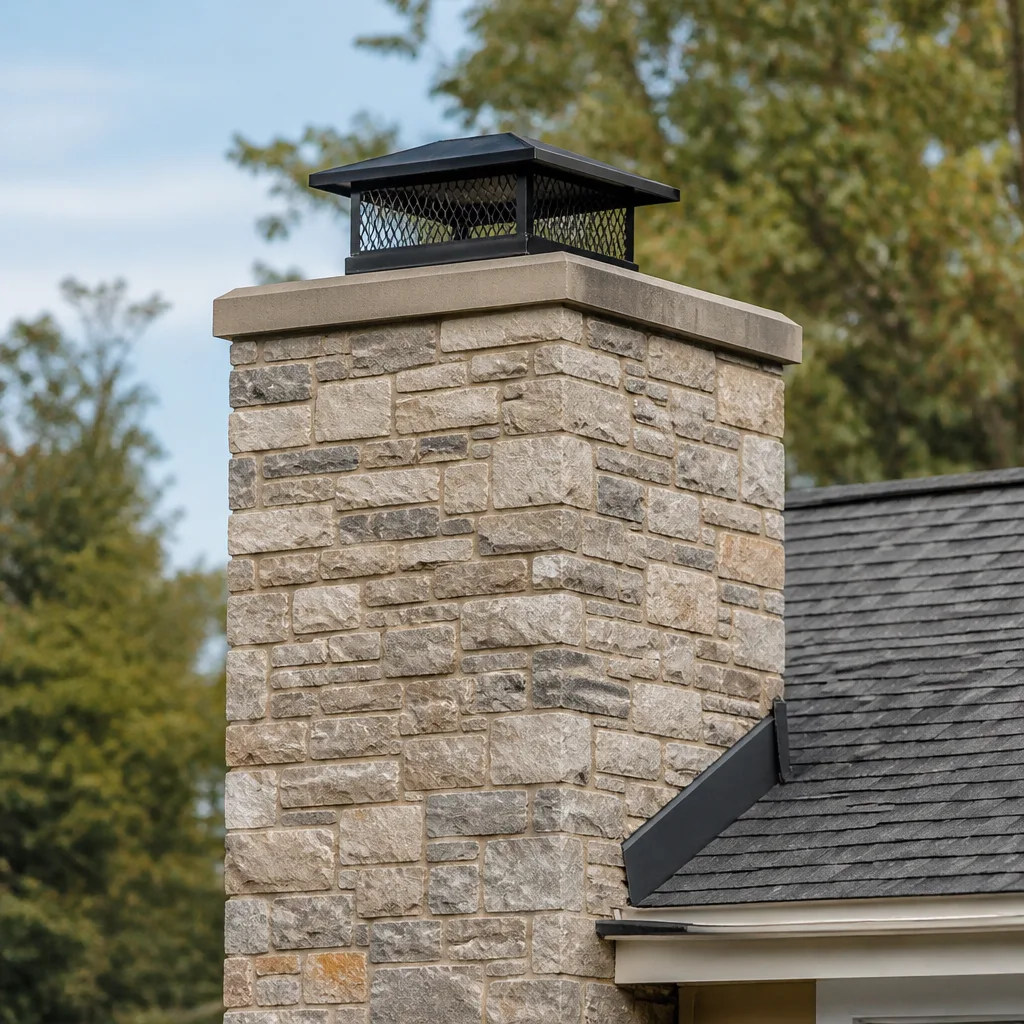 Caps & crowns
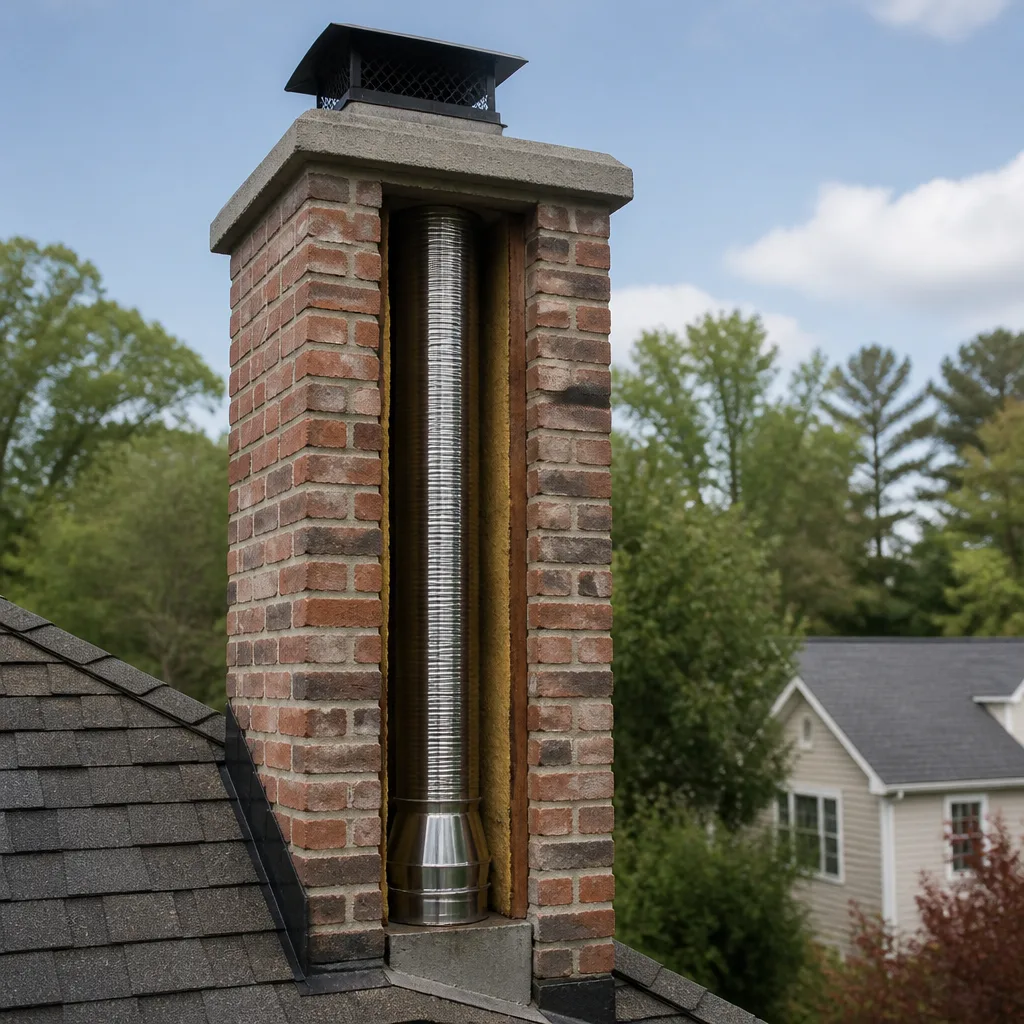 Flue relining
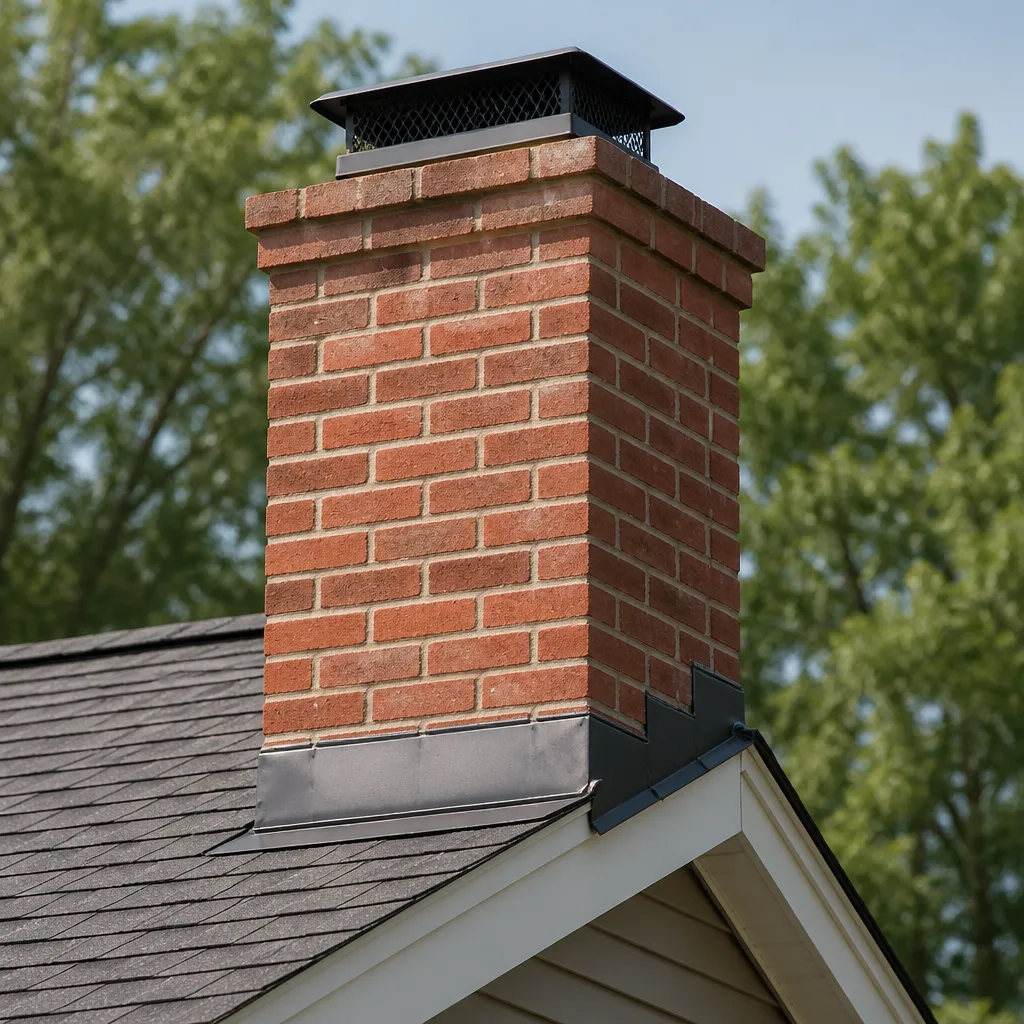 Masonry repair
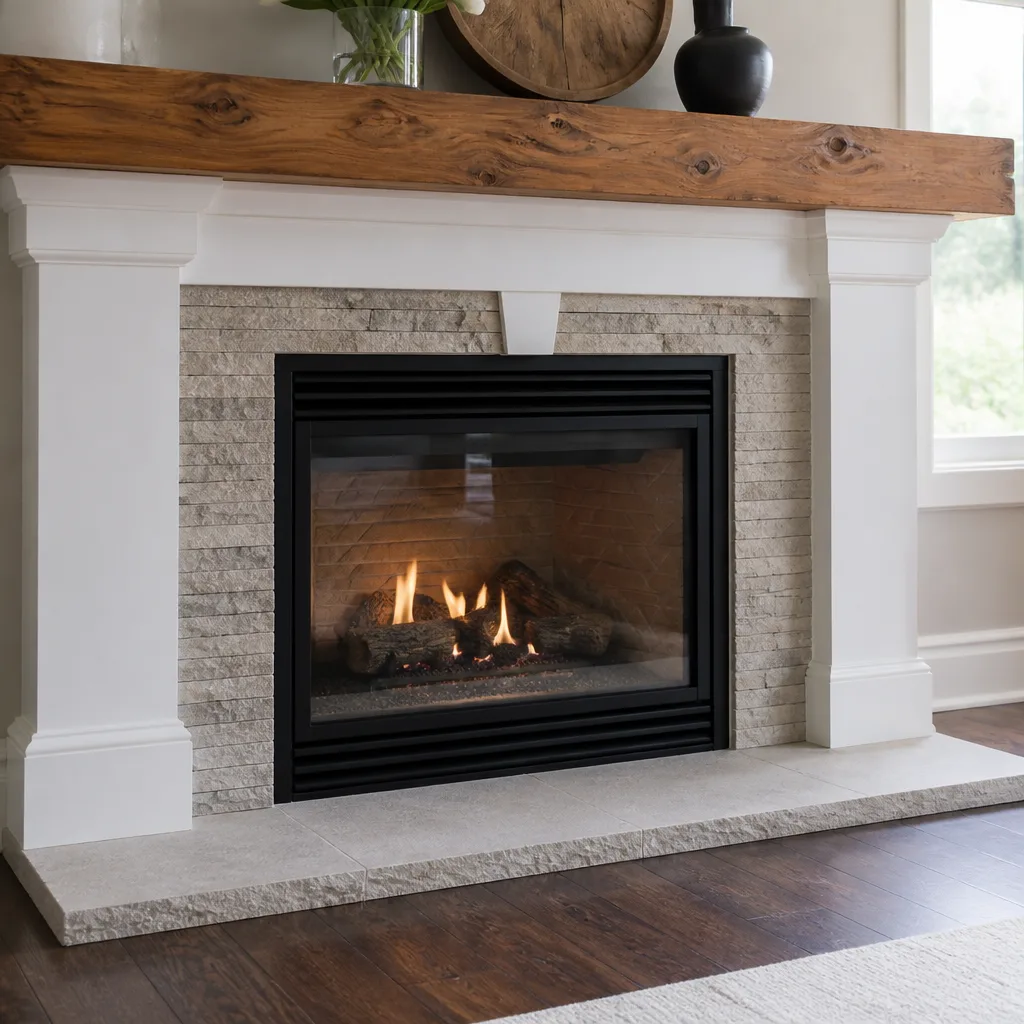 Gas fireplace service
Level 1 sweep and inspection to the NFPA 211 annual standard - flue, crown, cap, and flashing checked and photographed
Chimney sweep logs do not sweep chimneys. They loosen some creosote - which then falls where a brush and vacuum still have to collect it.
Chimney Cleaning Warning Signs: A West Jordan Homeowner’s Reference Guide
Most chimney warning signs show up weeks before anything dangerous develops, and most homeowners misread them. A campfire smell in the living room on a warm afternoon gets blamed on the fireplace insert. Smoke that rolls into the room gets blamed on the wood. A stain on the brick gets blamed on the weather. Each of those signals has a specific structural meaning, and none of them point at the wood, the insert, or the weather. This guide explains what each sign actually tells you about your flue, your firebox, and your liner, so you can act on information instead of guesswork. We’ve written it for the specific conditions we work in around West Jordan.
Quick Answer
The main chimney cleaning warning signs are a strong smoke or campfire smell in the house when no fire is burning, white or black staining on the chimney exterior, a sluggish draft or smoke spilling back into the room, a low rumbling sound during a burn, spalling on the firebox interior, and heavy rust streaking on the chimney cap. Any one of these means the chimney needs a professional inspection before you light the next fire. White staining points to water intrusion, black staining and a lingering smell point to creosote buildup, and spalling or cap rust often means damage that a cleaning alone won’t correct.
Styles & brands we work with
- Sweep & inspection
- Caps & crowns
- Flue relining
- Masonry repair
- Gas fireplace service
Table of Contents
- Why a Smoke or Campfire Smell Means Moisture Has Activated Creosote
- White Staining Versus Black Staining: Two Very Different Problems
- Sluggish Draft and Smoke Spillback: It’s Rarely the Wood
- The Low Rumble That Means the Flue Is Burning
- Spalling in the Firebox: Liner Stress Cleaning Won’t Fix
- Rust Streaking on the Cap and the Damper Below
- West Jordan Climate and the Fall Checklist
- Which Signs Can Wait and Which Can’t
Why a Smoke or Campfire Smell Means Moisture Has Activated Creosote
A strong campfire smell in your living room on a warm day isn’t a ventilation quirk. It’s your chimney telling you that moisture has activated the creosote coating your flue, and you’re one cold snap away from a draft problem. This is the signal people dismiss most often, because it only happens when there’s no fire and the house feels fine otherwise.
Here’s the mechanism. Creosote forms as a normal byproduct of wood burning, and it coats the inside of the flue in a thin film after a season or two of use. That film absorbs humidity. When outside air turns humid or when rain gets into the flue through an uncapped or poorly capped top, the creosote wakes up and starts releasing that sharp, smoky scent back down through the firebox and into the room. You smell the flue because the chimney is pulling air down instead of up.
In our experience around West Jordan, this shows up most in spring and early fall, when daytime air holds moisture and the temperature swings between warm afternoons and cold nights. Homeowners often notice it after a rainstorm, or on the first warm day after a stretch of cold weather.
What the smell tells you:
- You have measurable creosote buildup. A hint of old ash smell is normal. A full campfire smell in a closed house means the coating is thick enough to hold and release moisture.
- Water is getting in somewhere. Creosote on its own doesn’t produce that much odor. An uncapped flue, a cracked crown, or an open damper all let moisture into the system.
- The flue has lost its upward draft. When the chimney pulls air down instead of pushing it up, indoor air quality drops and smoke has an easier path into the room.
A smell alone doesn’t tell you how thick the creosote is or what condition the liner is in. That takes an inspection with a camera. But the smell is reason enough to book one, and it’s the cheapest warning sign to act on.
White Staining Versus Black Staining: Two Very Different Problems
White staining on the outside of a chimney is efflorescence, and it means water is moving through the masonry. Black staining is creosote that has pushed through a weak point in the flue. They look similar from the ground and get treated as the same problem all the time, but they’re not, and they don’t carry the same urgency.
White staining (efflorescence)
Efflorescence is the chalky white crust that forms on brick and mortar when moisture passes through the masonry and evaporates on the surface, leaving mineral salts behind. The moisture gets in from the top (an uncapped flue or a cracked crown around the flue tile), from cracks in the mortar joints, or from a freeze-thaw cycle that opens the brick up a little more each winter.
West Jordan sits in a valley where freeze-thaw cycles run deep and long, and that cycle is what makes efflorescence a structural concern rather than a cosmetic one. Water that gets into brick and freezes expands. Over several seasons, that expansion breaks down the mortar and can eventually undermine the chimney itself. White staining almost never means the chimney is unsafe today. It does mean you have a moisture path that needs to be found and closed, and the longer it stays open, the more masonry you’ll lose.
Black staining (creosote)
Black staining means creosote has reached the outside of the flue, which means it’s also deposited heavily on the inside. Creosote is flammable, and the thicker it gets, the more likely it is to ignite during a hot burn. That’s a chimney fire, and it’s the condition this entire guide is really about preventing.
The practical difference:
- White staining: address the source within the season. Find where the water is coming from, fix the cap or crown, and repoint any mortar that’s failing.
- Black staining: schedule a sweep before the next fire. Creosote on the exterior means a thick coating on the interior, and that coating needs to come out.
- Both together: this is common in West Jordan, and it’s the combination that causes the most damage, because water drives the creosote deeper into the masonry while creosote soaking holds more water. You can read more about how we address structural damage on our chimney repair page.
If you only see one sign, pay attention to its color. It changes what the fix looks like and how soon you need it.
Sluggish Draft and Smoke Spillback: It’s Rarely the Wood
Smoke that rolls out into the room is almost never the wood’s fault. It’s a sign the chimney can’t move air the way it’s supposed to, and the cause is almost always a blockage, a liner problem, or a height issue. Switching from green wood to kiln-dried wood helps a little. It doesn’t fix a chimney that has lost its draft.
Here’s what a well-functioning chimney does. Warm exhaust gas in the flue is lighter than the cooler air in the room, so it rises, and cooler air gets pulled in to replace it. That’s the draft. When something interrupts it, smoke follows the path of least resistance, which can be your living room.
The most common causes we see in West Jordan homes, in rough order of frequency:
- Blocked flue. A nest, an old liner that collapsed, a fallen brick, or a debris pile from birds and squirrels all narrow the flue and choke the draft. A cap prevents most of this, but a missing or damaged cap lets it happen fast.
- Liner damage or misfit. A cracked clay flue tile or a wrong-size liner lets smoke escape the flue before it reaches the top, which means it comes out into the house instead. This is one of the reasons we work with liner systems like DuraFlex and HeatShield, since getting the size and fit right matters as much as the material.
- Chimney height. A chimney has to clear the roof and surrounding structures by enough to draft reliably. A short chimney that worked in calm weather will fail in wind, with no fix other than extending it.
- House depressurization. Strong bathroom or kitchen exhaust fans pull air out of a house that’s tightly sealed, and the chimney becomes the path of least resistance for that air. The chimney is fine, but the draft is being beaten by the house itself.
- Wood that’s too wet. This is last for a reason. Seasoned wood improves draft in a working chimney, but it doesn’t fix a broken one.
A common misattribution we hear in West Jordan: homeowners blame the fireplace insert or the wood burner for smoke spillback after they replace an open fireplace with an insert. The insert itself is fine. The flue was sized for the original fireplace, and the new insert changes the smoke volume and the gas temperature the chimney has to handle. That’s a sizing question, not a wood question.
If smoke is spilling into the room, don’t burn in that fireplace again until someone looks at it. A trained professional can camera the flue and tell you whether the problem is a blockage, a liner, or the height.
The Low Rumble That Means the Flue Is Burning
A low rumbling sound during a fire is not the sound of a healthy fire. It’s the sound of combustion happening in the flue rather than the firebox, which is the signature of a chimney fire. Some are loud and obvious, but many are quiet enough that homeowners think nothing of them until the damage is already done.
Creosote that has built up on the flue lining won’t stay there under enough heat. It ignites. The resulting fire burns upward through the coating, producing a low, sustained roar that sounds like a distant train or a strong wind in a tunnel. It’s easy to confuse with wind howling across the top of the chimney, or with the sound of the fire itself being a little louder than usual. It’s not either of those.
Some signs that point to a chimney fire rather than a normal burn:
- A low rumble or roaring sound that starts suddenly and sustains while the fire is burning
- Dark smoke or a haze of sparks outside the top of the chimney
- A sudden, sharp cracking sound from inside the chimney
- Heat felt through the chimney masonry or on a metal flue, particularly an area that’s normally cool to the touch
- Visible black smoke coming into the room when you open the firebox door
If a burn produces any of the above, the fire needs to go out, and the chimney needs to be inspected before it’s used again. A chimney fire can damage the liner, warp the damper, or crack masonry without visible signs from the outside. What looks like a normal firebox from the living room can hide a badly heat-stressed liner inside the flue. Camera inspection is the only way to know, and it should come before the next burn, not after.
Spalling in the Firebox: Liner Stress Cleaning Won’t Fix
Spalling in the firebox is the flaking and breaking away of the firebrick or refractory material on the inside walls. When you see it, the firebox lining is under stress and has likely been for some time. Cleaning alone won’t fix what spalling signals, because the surface that’s failing is the protective layer over the brick and mortar behind it.
Firebrick in the firebox is built to take heat directly. Behind and around it, the masonry and the flue lining are also handling a lot of heat and thermal movement. When the firebox develops spalling, that’s usually a symptom of two things:
- Age and heat cycling. Firebrick is not permanent. Repeated heating and cooling, season after season, causes it to flake and crack. This is normal wear, and the fix is replacing the damaged brick.
- Moisture behind the firebox. If the firebox has absorbed moisture through a failed crown, an open flue, or rising damp, that moisture forces the surface brick to spall off. This is where spalling can point to a problem that extends well beyond the firebox itself.
The reason spalling matters is that the structural integrity of the firebox and the flue lining are connected. Damaged firebrick lets more heat reach the masonry behind it, which stresses the flue lining. In our experience, spalling in an older West Jordan home is one of the most reliable early indicators that a liner is failing, and it’s one of the reasons an inspection during a routine sweep catches problems that a cleaning alone would leave in place.
When we find spalling, the recommendation isn’t automatic repair. It’s a camera inspection of the flue to see what’s actually behind the firebox, followed by a straight answer on what needs fixing now and what can wait. HeatShield and DuraFlex relining systems are two of the materials we use when a firebox or liner needs restoring, but only after the inspection confirms it’s needed. If it’s not, we say so.
Rust Streaking on the Cap and the Damper Below
Heavy rust streaking on the chimney cap is a visible clue that predicts a deteriorated damper below. The cap is the most exposed piece of the whole chimney, and it takes moisture from the top, the sides, and the flue itself. When it rusts, it’s telling you the chimney has been wet, and whatever’s directly below it in the flue path is the next thing to suffer.
The cap sits over the top of the chimney and keeps weather, debris, and animals out of the flue. A well-made cap that’s had proper attention shouldn’t rust heavily. Heavy rust streaking almost always means the top of the chimney is collecting and holding water, and the path that water travels downward is where the damage goes next.
What the rust points to, in the order the water travels:
- The damper assembly. The damper sits just above the firebox and is the first major component below the flue top. Rust from the top works down the flue lining, and the damper is often the first piece to seize, warp, or rust through. A damper that doesn’t close fully costs you heat all winter and lets more moisture into the flue in the off-season.
- The flue tile and its mortar joints. Moisture that gets past the cap travels down and can break down the mortar between flue tiles, opening small channels through the masonry.
- The firebox and the exterior crown. The further the moisture gets, the more it costs to correct.
The products we work with include Famco and Copperfield components for capping and ventilation accessories, which matter because these are the parts that keep the rest of the system dry. A cap isn’t a cosmetic detail. It’s the top of the moisture-management system for the whole chimney.
If your cap has rust streaks, don’t just paint it. Painting seals the surface without addressing where the water is coming from. Inspect it for where the water is getting into the cap and how far down into the flue it’s traveled.
West Jordan Climate and the Fall Checklist
West Jordan sits in a high-desert valley where winters are cold and the freeze-thaw cycle is active from late fall through early spring. That climate makes chimney maintenance a seasonal task with a clear deadline: get the inspection and the cleaning done before the first sustained cold spell, because once the burning season starts, so does the creosote accumulation and the moisture load on the masonry.
Fall is when the biggest risks in West Jordan chimneys line up:
- Creosote that was left from last season has had all summer to dry, harden, and become harder to sweep than fresh creosote.
- Moisture has been getting into the flue all summer through caps and crowns that didn’t matter during the off-season, and that moisture has been feeding the creosote and the masonry.
- The first cold snap is when you find out whether the draft still works, whether the damper closes, and whether the smell in the living room becomes smoke in the living room.
A simple fall checklist for a West Jordan home:
- Look at the chimney exterior from the ground. Check for white staining, black staining, missing mortar, and rust streaks on the cap.
- Open the damper and confirm it opens and closes all the way, then closes securely.
- Light a small test fire in cool weather and watch for smoke spillback and any rumble from the flue. If smoke rolls into the room, shut it down and don’t burn again until the chimney’s been looked at.
- Book an inspection and sweep before the first cold stretch, not after the first smoke problem.
- Once you’ve burned for a few weeks, look at the chimney cap again. Rust streaks that appear in the first month of the season are a sign of a cap that’s not protecting the flue.
You can book any of that through Chimney Sweep West Jordan as a single visit, which is one of the benefits of using a company that handles sweep, repair, and inspection.
Which Signs Can Wait and Which Can’t
Not every warning sign is an emergency, and treating them all as one is how homeowners end up replacing things they didn’t need to replace. Here’s the ranking we’d give if you asked across the hood in West Jordan:
- Call before the next burn: a low rumble during a burn, smoke spilling into the room, black staining on the exterior, or a strong smell in the house with no fire burning. These are the signs a chimney fire is either in progress or close. Don’t burn until someone looks at it.
- Address this season: efflorescence, rust streaking on the cap, spalling in the firebox, and a damper that doesn’t close all the way. These are damage-in-progress signals. They’ll get worse, and often the fix is cheaper now than later.
- Address at the annual inspection: a faint smell on a warm day, some light flaking in the firebox, or a little draft hesitation in wind. These aren’t urgent. They’re worth mentioning and worth checking.
The honest answer on which signs matter most is that it depends on what the camera shows, not what the exterior tells you. We’ll say plainly when something can safely wait.
Common Mistakes to Avoid
- Blaming smoke spillback on the wood. Wet or green wood makes a working chimney worse, but it doesn’t break one. A chimney that spills smoke is a chimney with a blockage, a liner problem, or a height problem, and changing wood won’t fix any of those.
- Painting over cap rust. Rust on a cap is a sign that water is getting in. Paint stops the rust from spreading on the surface, but it doesn’t stop the moisture, and the damper below keeps deteriorating while the cap looks fine.
- Treating white staining as cosmetic. Efflorescence is easy to scrub off, but the water that caused it is still inside the masonry. In West Jordan’s freeze-thaw cycle, that moisture is what opens a mortar joint into a real repair.
- Cleaning without inspecting. A sweep clears the flue, but a sweep by itself won’t catch a failing liner or a spalled firebox. A chimney sweep in West Jordan that doesn’t include a camera inspection as part of the visit is solving the visible problem and hiding the actual one.
- Replacing an open fireplace with an insert without checking flue sizing. The most common reason a homeowner notices new smoke spillback after an insert is that the old flue was sized for open burning. It’s a sizing issue, not a product defect.
- Ignoring a smell in the off-season. The warm-day campfire smell is the cheapest early warning a chimney gives. It’s also the easiest to dismiss, because it goes away when the weather changes.
- Assuming a sweep fixes everything. A sweep is a cleaning. Structural damage in the firebox or the liner isn’t something a sweep can repair, and a company that only sweeps will only report it, not fix it.
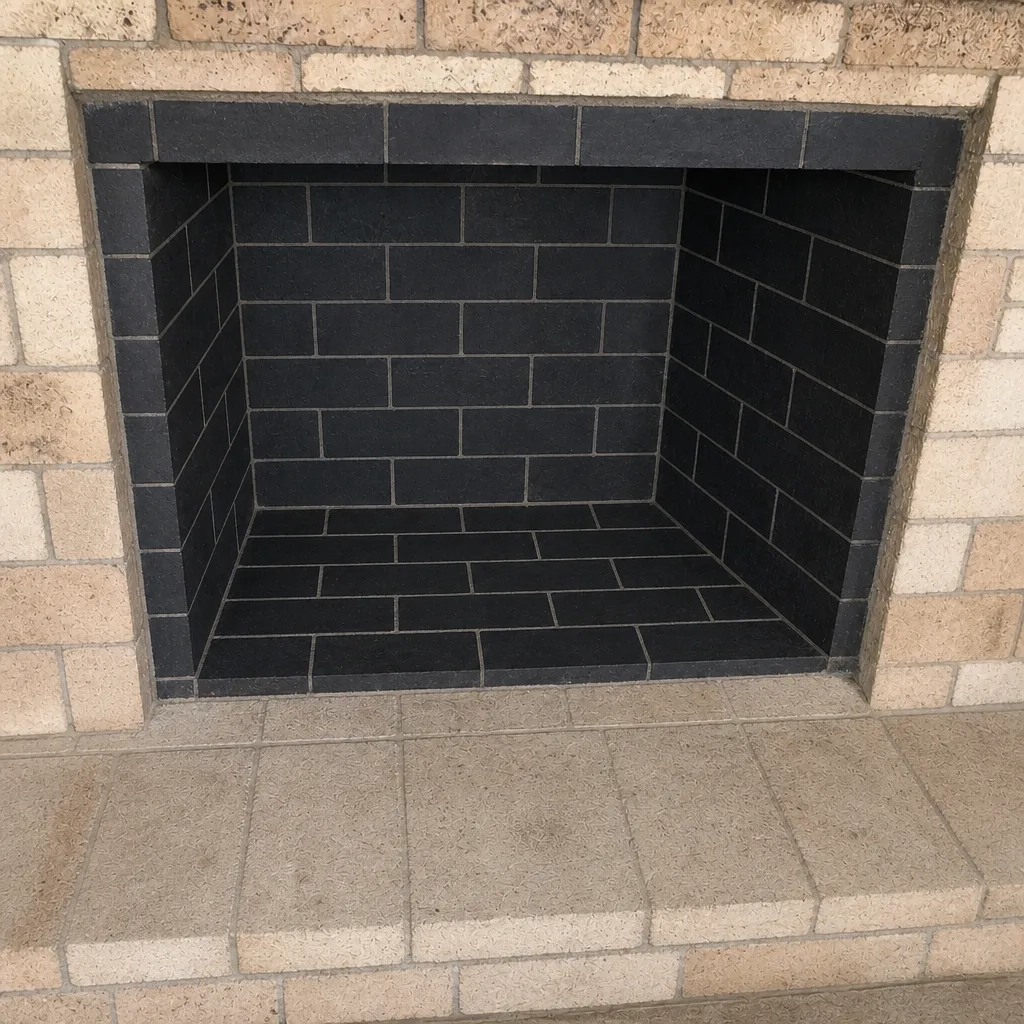
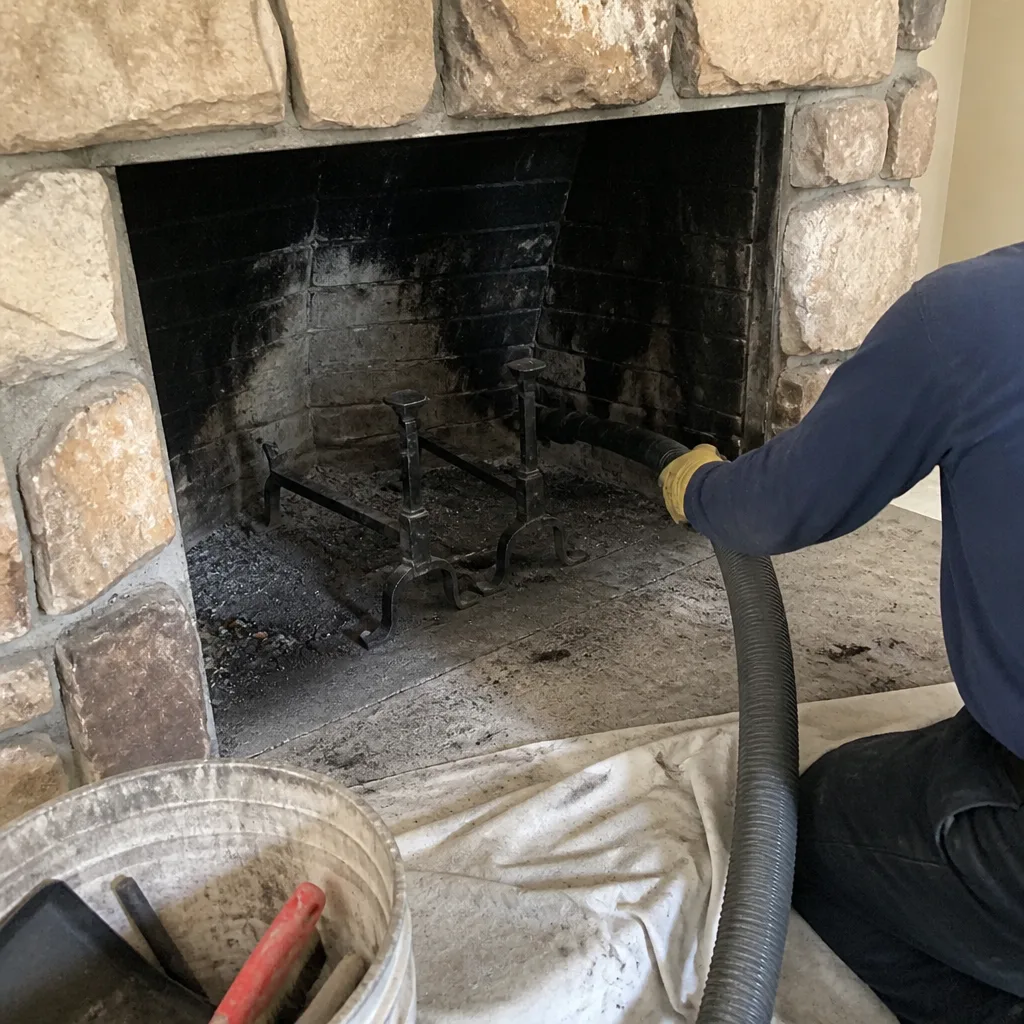
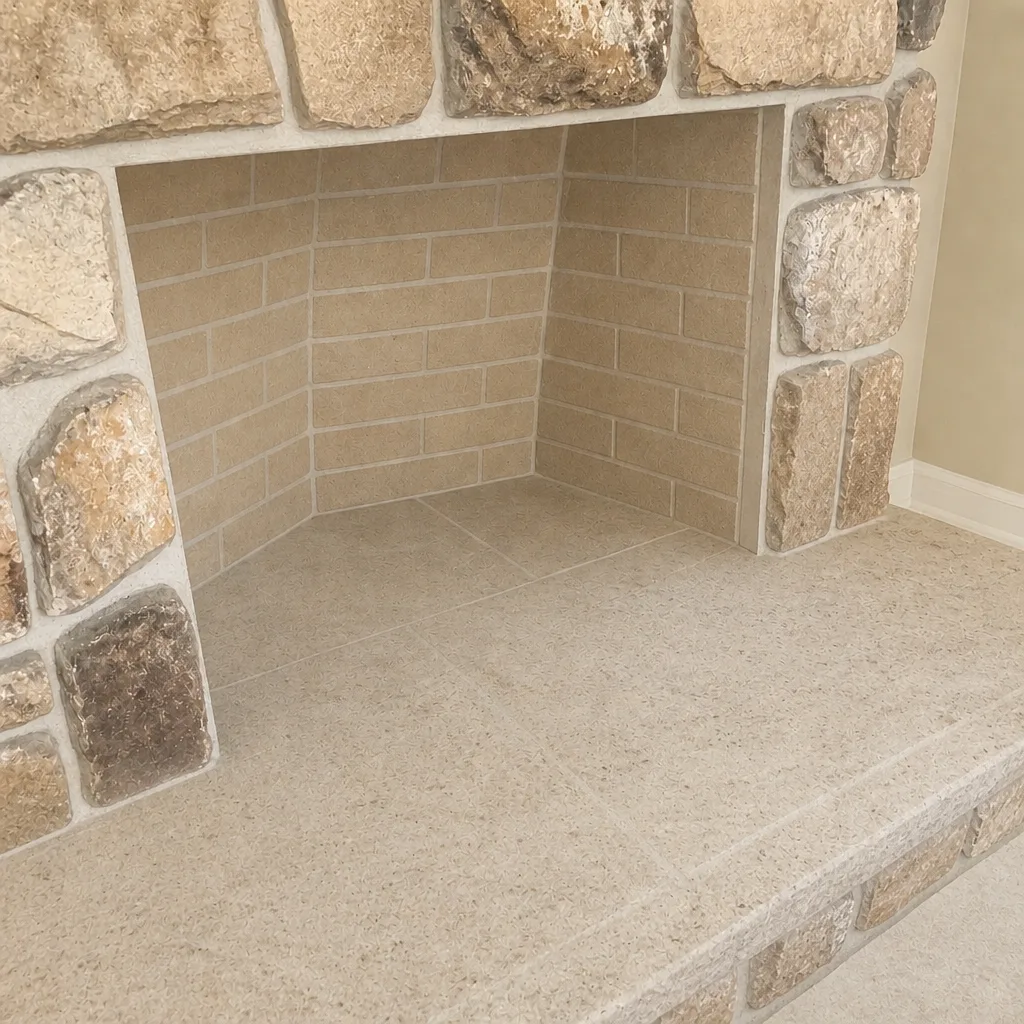
See the difference
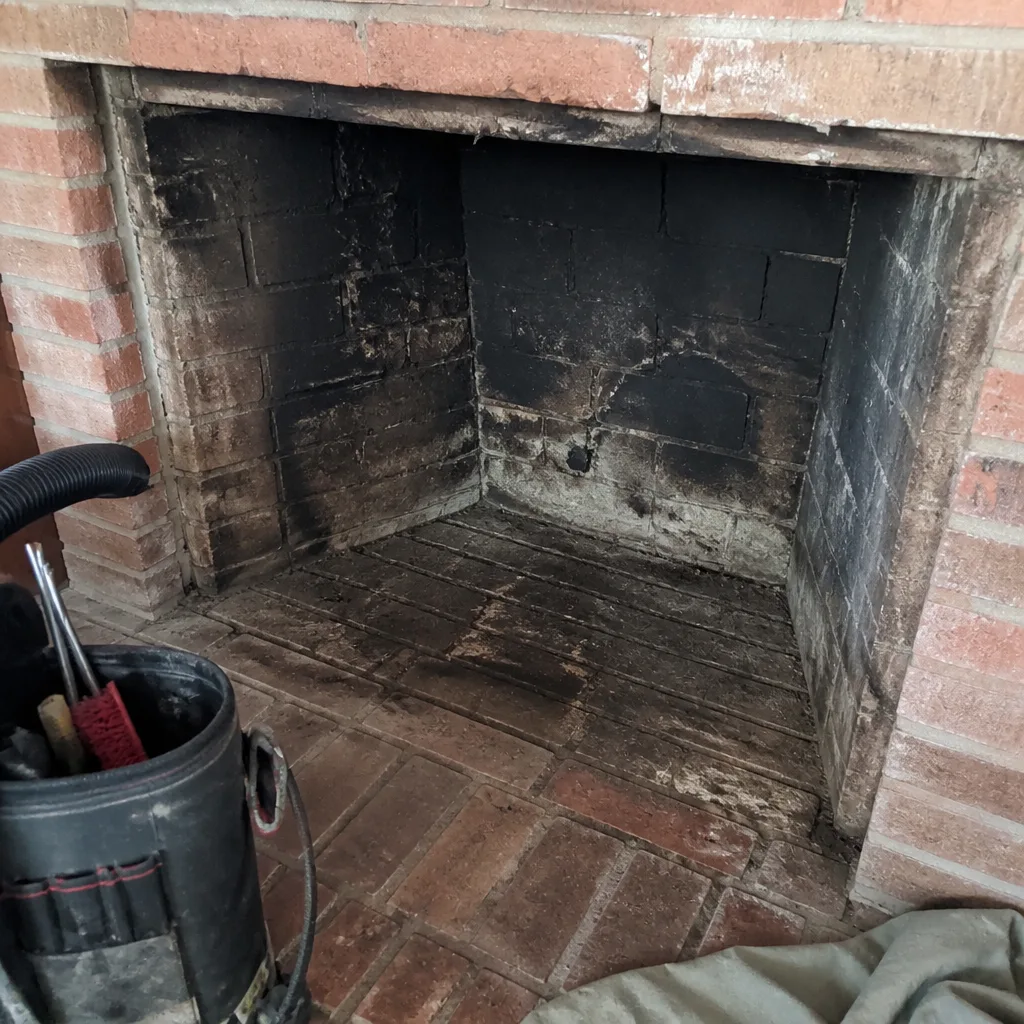 Before
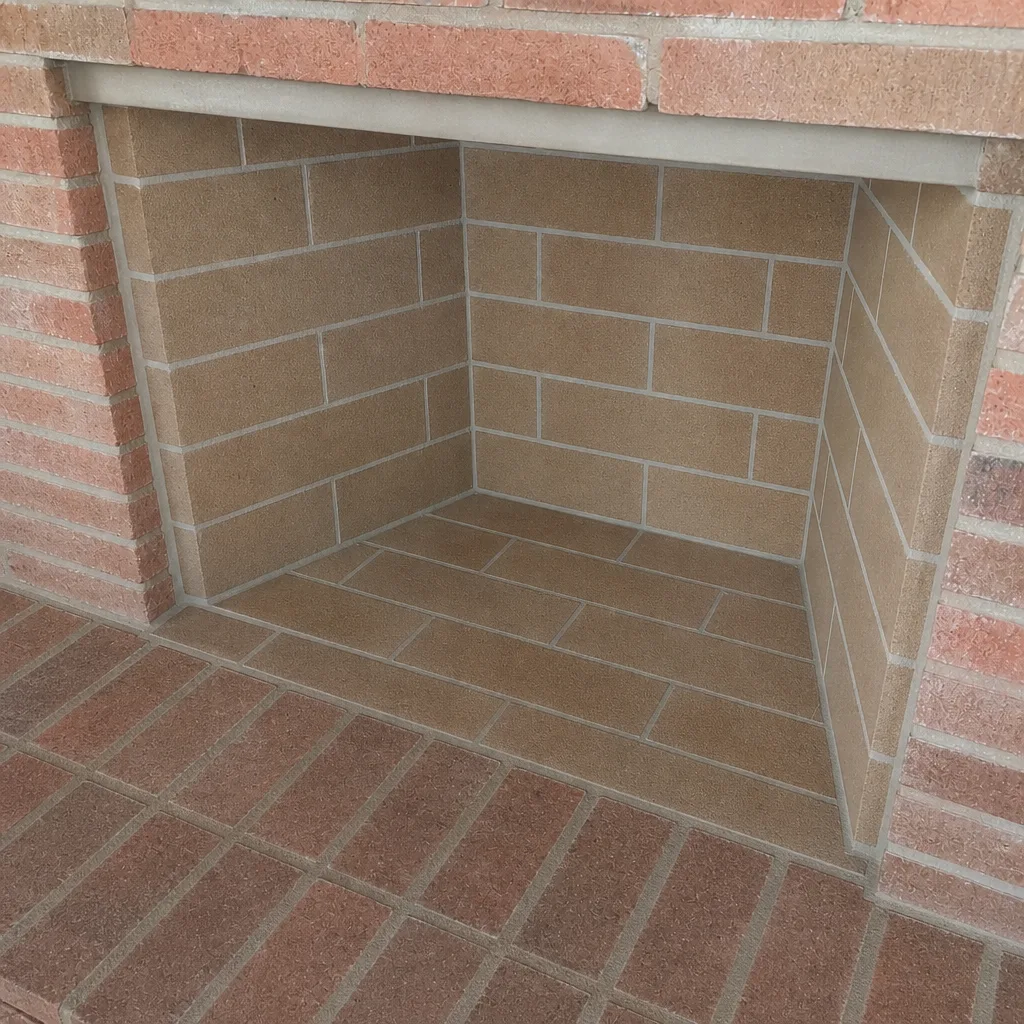 After
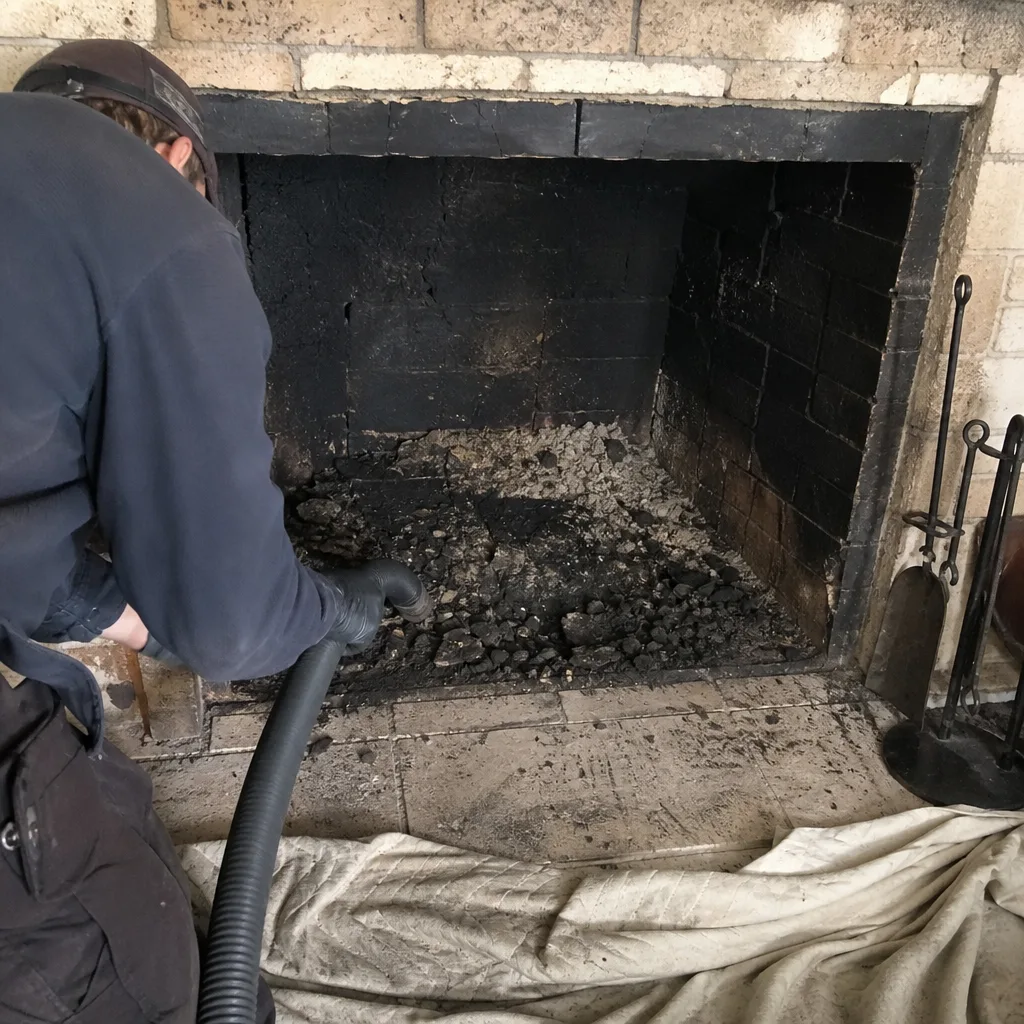 Before
 After
 Before
 After
When to Call a Professional
Call a professional if you’ve seen any of the following since your last inspection: a rumble from the flue during a burn, smoke spilling into the room, black staining on the exterior, heavy rust streaking on the cap, spalling firebrick, a damper that won’t close, or a strong campfire smell inside on a warm day. Also call if you’ve moved into a West Jordan home with no record of the chimney having been inspected, or if it’s been more than a year since the last sweep. The signs in this guide are the ones we see most often, and every one of them points to something a camera inspection can confirm or rule out.
Chimney Sweep West Jordan offers free estimates in West Jordan – call (877) 404-8451. We answer 24/7. Fast dispatch, 7am-7pm, Sunday through Friday.
Frequently Asked Questions
The most common warning sign we see is a strong campfire smell in the house on a warm day with no fire burning, because it means moisture has activated the creosote film inside the flue. It’s not the most dangerous sign, but it’s the earliest one most homeowners notice. Call (877) 404-8451 for an exact quote – estimates are free.
Not always a cleaning, but always an inspection. The smell means there’s a creosote coating on the flue holding moisture, which means there’s measurable buildup. The inspection tells you how thick it is, whether the liner is intact, and whether the fix is a sweep or something more. Call (877) 404-8451 for an exact quote – estimates are free.
White staining is chalky, crusty, and washes off with a little scrubbing. Soot is black and oily. White staining means water is moving through the masonry (efflorescence), while black staining means creosote has pushed through to the exterior. Both need attention, but black staining is the more urgent of the two because it points to a heavy creosote load on the inside. Call (877) 404-8451 for an exact quote – estimates are free.
Not always, but treat it as one until a professional says otherwise. A low rumble that starts suddenly and sustains while the fire burns is the signature of combustion inside the flue. Wind noise sounds different, and a roaring firebox is a steady sound from the front, not from up the chimney. If you hear the rumble, put the fire out and don’t burn again until the chimney is inspected. Call (877) 404-8451 for an exact quote – estimates are free.
Sweep and inspect annually, and more often if you burn heavily. West Jordan’s freeze-thaw cycles and cold winters mean the chimney is exposed to moisture and heat cycling for most of the year. An annual inspection catches the signs in this guide before they turn into structural damage. Call (877) 404-8451 for an exact quote – estimates are free.
A sweep will clear a flue, but a sweep alone won’t find a failing liner, spalled firebox, or water intrusion into the masonry. Those are the conditions most likely to cause real damage, and they need a camera inspection to confirm. Cleaning is the easy half. The inspection is the part that protects your home. Call (877) 404-8451 for an exact quote – estimates are free.
The Bottom Line
Most chimney warning signs are structural messages that arrive weeks before an actual danger stage, and they’re easy to misread as wood problems, insert problems, or weather quirks. A smell means moisture plus creosote. White staining means water in the masonry. Black staining means creosote overflow. A sluggish draft means a blockage or a liner. A rumble means the flue is burning. Spalling means liner stress. Rust on the cap predicts a failing damper. Take any of those seriously, get a camera inspection, and use the signs as your schedule for maintenance and repair, not as a trigger for a specialized fix you might not need. Our technicians have up to 8 years of experience reading exactly these signals in West Jordan homes, and we tell you what your chimney actually needs.
Contact
If any sign in this guide sounds familiar, call Chimney Sweep West Jordan at (877) 404-8451 for a free estimate. We answer 24/7. Fast dispatch, 7am-7pm, Sunday through Friday. One call covers sweep, repair, and inspection, and the estimate is written per job with nothing added after the fact.
Written by the team at Chimney Sweep West Jordan.