
Last updated November 16, 2026
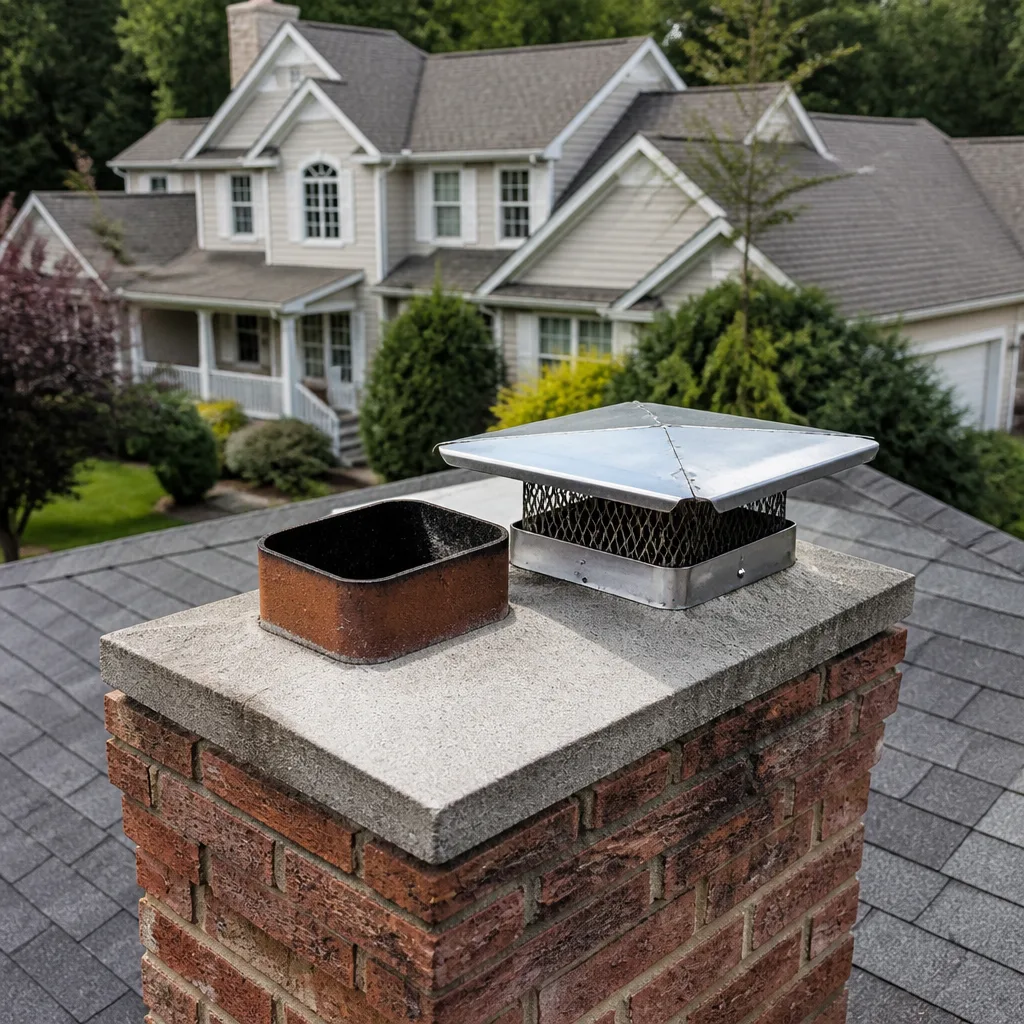 Sweep & inspection
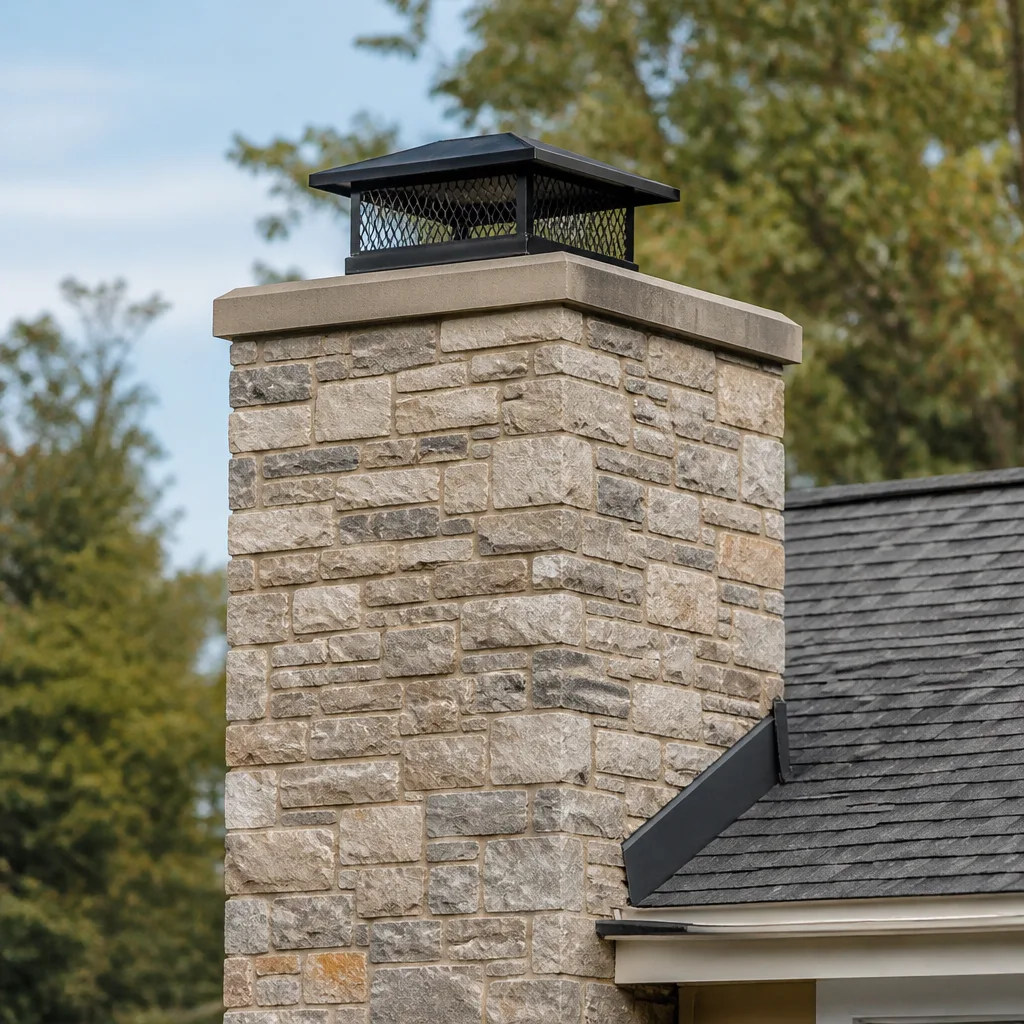 Caps & crowns
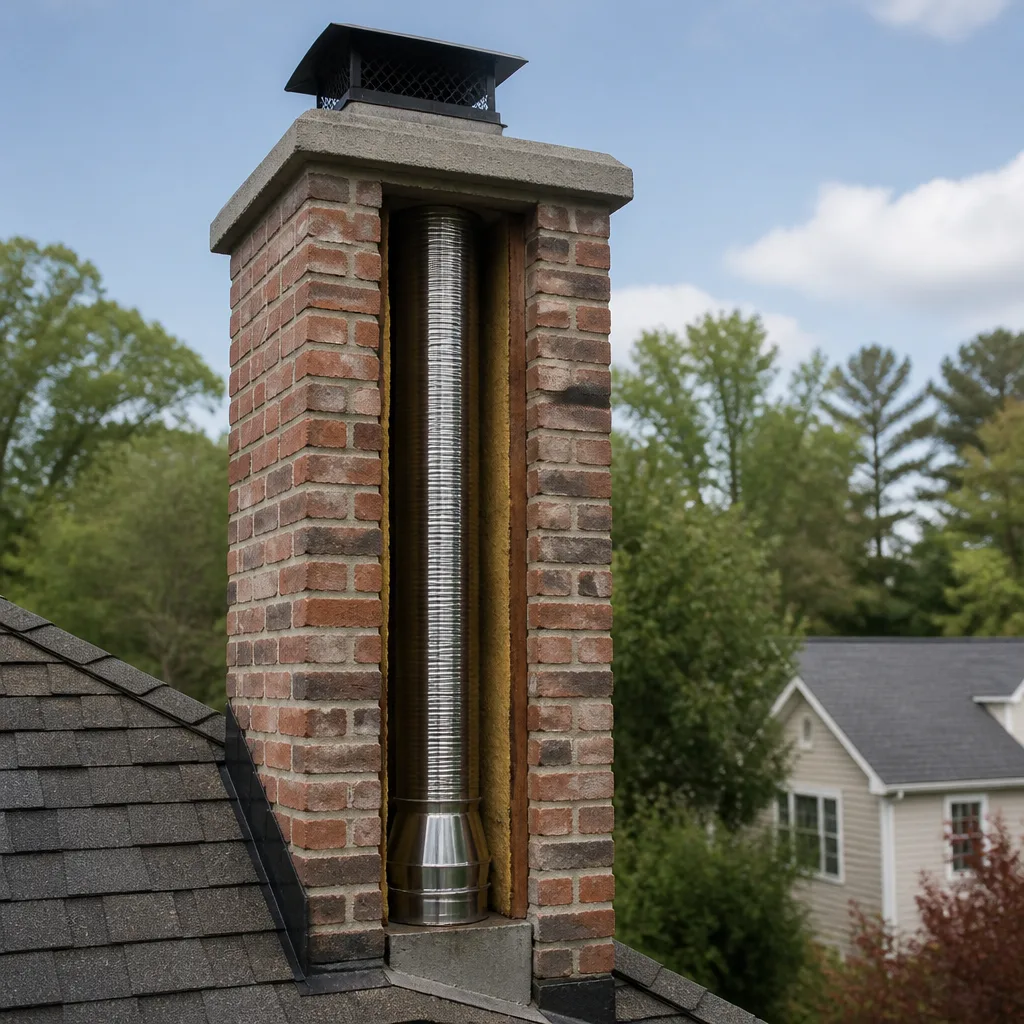 Flue relining
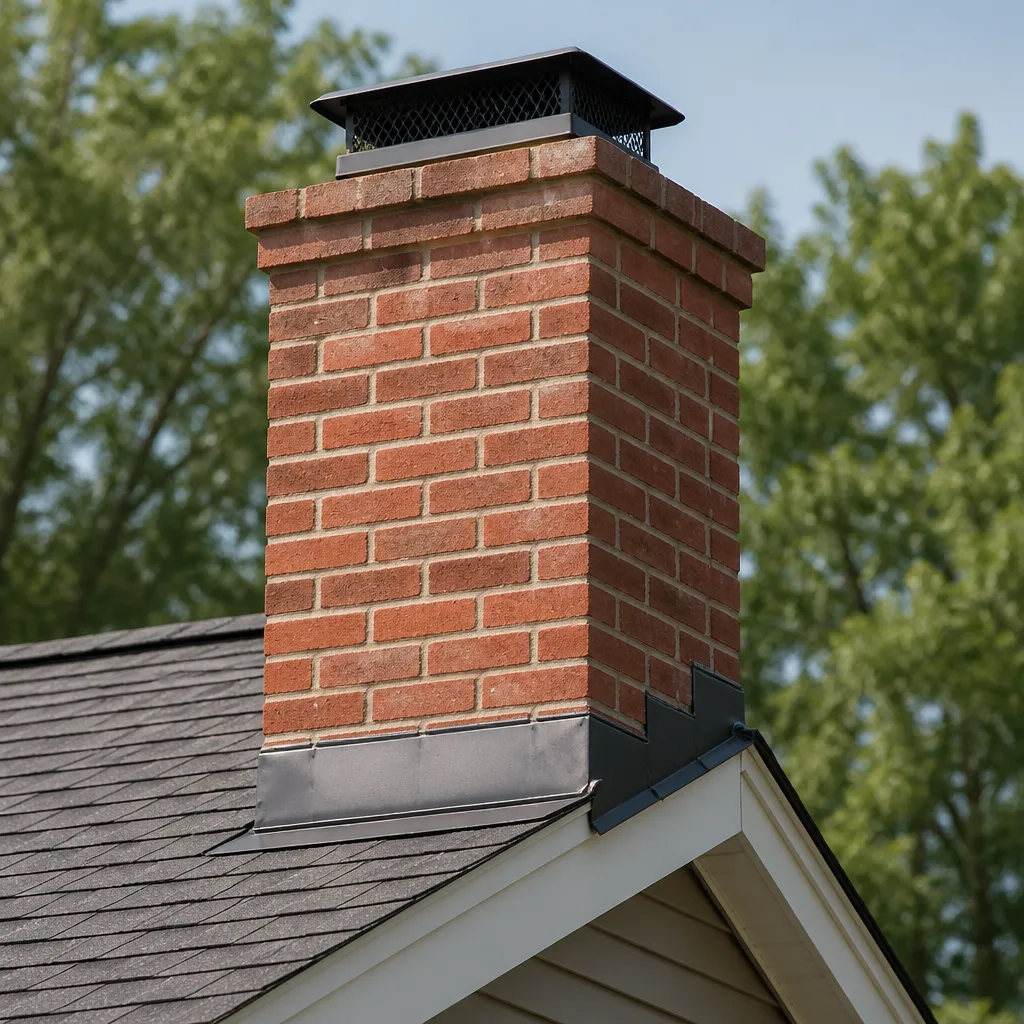 Masonry repair
 Gas fireplace service
Level 1 sweep and inspection to the NFPA 211 annual standard - flue, crown, cap, and flashing checked and photographed
Chimney sweep logs do not sweep chimneys. They loosen some creosote - which then falls where a brush and vacuum still have to collect it.
Chimney Cleaning Emergency Preparedness Guide for West Jordan Homes
Here’s the uncomfortable truth about chimney fires: most of them are quiet. The dramatic version on the news is an explosive roar, but a slow-burning chimney fire can smolder inside the flue while a homeowner watches television in the next room, unaware anything is happening. That’s why the signals that matter most in a West Jordan home are often not sounds at all – they’re the smell, a change in draft, and heat you can feel on the exterior chase. A carbon monoxide event is quieter still, and it needs a completely different response. This guide walks through both scenarios, the first three minutes of each, and how to prepare before either one happens in West Jordan.
Quick Answer
If you suspect a chimney fire, call 911 first, get everyone outside, and do not close the damper unless the fire is clearly in its early stage and you can do it safely – closing it too late traps heat and can crack the flue. If your carbon monoxide alarm sounds, get outside and call 911 regardless of whether anyone feels sick. After either event, a certified inspection is required before you burn again, and using the fireplace beforehand may void the chimney portion of your homeowner’s insurance. Preparing a simple emergency kit and knowing the signs of each scenario is the real work, and it’s best done well before you need it.
Styles & brands we work with
- Sweep & inspection
- Caps & crowns
- Flue relining
- Masonry repair
- Gas fireplace service
Table of Contents
- The Two Types of Chimney Fires and Their Signals
- The First Three Minutes: Chimney Fire vs. Carbon Monoxide
- What Closing the Damper Actually Does
- Post-Fire Inspection: What NFPA 211 Requires and Why It Matters
- Carbon Monoxide Devices and Chimney Vents in West Jordan
- Building a Chimney Emergency Kit
- Seasonal Preparedness for West Jordan Homes
The Two Types of Chimney Fires and Their Signals
Chimney fires fall into two broad categories, and knowing which one you’re dealing with shapes what you do in the first moments. An explosive chimney fire announces itself with a low rumble or a whoosh, sometimes a sound like a distant train. It typically involves a sudden ignition of accumulated creosote in the flue. A slow-burning chimney fire is the one that catches West Jordan homeowners off guard. It might generate only a faint crackling, a hot smell in the room, or nothing at all.
Because sound isn’t reliable, we tell homeowners to watch for the following signals, especially from outside the house:
- Dark smoke from the chimney top – not the thin gray-white of a normal fire, but thick and dark.
- A hot smell in the living space – a sharp, tarry creosote smell that doesn’t smell like a normal fire.
- Pinging or popping sounds – sometimes described as “marbles rolling.”
- Heat on the exterior of the chimney chase – if the outer surface feels hot to the touch, that’s a signal worth acting on.
- A sudden change in draft – the fire stops drawing normally, smoke backs up, or the home begins to fill.
- Discolored or warped chimney caps, or damage to the top of the flue – often seen after the fact, and a reason to schedule a chimney sweep right away.
In West Jordan, wood-burning fireplaces are common in the older subdivisions near the Jordan River and in foothill homes that burn a lot through the winter. The dry, cold winter air here makes creosote buildup a real concern, particularly in homes that run a wood stove or fireplace consistently. The best defense is a clean flue and a properly sized liner. When it’s time to plan that work, we recommend scheduling well before the burning season starts.
The First Three Minutes: Chimney Fire vs. Carbon Monoxide
The first three minutes of a chimney fire and a carbon monoxide event are completely different, and confusing the two costs time you don’t have. Here’s what to do in each case.
Suspected chimney fire
- Call 911 immediately. State clearly that you suspect a chimney fire. Do not wait to see if it develops.
- Get everyone outside. Children, pets, and every adult out the door first. Do not stop to gather belongings.
- If you can do it safely and the fire is clearly in its early stage, close the damper and the fireplace doors. This starves the fire of oxygen and slows its spread (more on this in the next section).
- If the fire is well-established, do not close the damper. Once the fire has significant heat, closing the damper can trap that heat and pressure in the flue, potentially cracking a masonry liner or Clay tile and pushing smoke back into the room.
- Do not put water on the fire inside the firebox. Water on a hot chimney can shatter tile liners and cause steam burns.
- Stay outside until the fire department tells you the scene is clear. Do not re-enter to check the firebox.
Suspected carbon monoxide event
- Get everyone outside immediately, even if no one has symptoms. CO is odorless and colorless, and the alarm is doing its job.
- Call 911 from outside. Tell dispatch the CO alarm sounded and whether anyone is experiencing headache, dizziness, nausea, or confusion.
- Do not open windows to “air it out” – that dilutes the reading for first responders and can delay locating the source.
- Do not re-enter to look for the source. Fire department personnel will use meters and identify where the CO is coming from – often a blocked or leaking chimney vent.
- Do not restart the appliance until it’s been inspected and cleared by a qualified technician.
Both scenarios end the same way: with a professional evaluation before you use the chimney again. That’s the core of emergency preparedness in West Jordan – knowing the sequence in advance so you don’t have to invent it while smoke is filling the room.
What Closing the Damper Actually Does
The question we get most often from West Jordan homeowners is whether to close the damper during a chimney fire. The answer is that it depends entirely on the stage of the fire, and getting it wrong can make the situation worse.
The damper is a metal plate inside the firebox that controls airflow up the flue. When it’s open, the chimney draws air up and out. When you close it, you interrupt that draw. During the early stage of a chimney fire, closing the damper does two useful things: it limits oxygen to the fire inside the flue, and it discourages the draft from feeding the blaze. For a small, just-started creosote fire, this can meaningfully slow things down while the fire department is on the way.
Once the fire has real heat, the calculation changes. A hot chimney fire generates a lot of heat and gas pressure. Trapping that heat and pressure inside the flue can crack a tile liner, damage a prefabricated metal chimney, or force smoke and hot gas back into the living space. That’s why first responders will sometimes ask a homeowner to leave the damper open depending on the stage of the fire and what they observe. The safest rule for a homeowner is simple:
- Early, small, just-detected fire and you can easily reach the damper: close it.
- Established fire, roaring or heavy smoke, or you’re unsure: leave it alone and get outside.
- Never open the firebox doors to check. Heat and smoke can pour out.
The other reason this matters in West Jordan: many older homes here have original damper hardware that doesn’t move freely. Practicing the motion now, on a cold appliance, tells you whether you’d actually be able to close it in a hurry. If it’s stuck, that’s a repair worth scheduling before you need it. Our chimney repair service addresses damper seats, frames, and hardware that have seized or warped.
Post-Fire Inspection: What NFPA 211 Requires and Why It Matters
NFPA 211, the national standard for chimneys, fireplaces, vents, and solid-fuel-burning appliances, requires that any chimney that has been involved in a chimney fire be inspected before it is returned to service. This isn’t a technicality. A chimney fire can crack a tile liner, warp a prefabricated metal liner, damage the damper frame, or pock the interior surface in ways that aren’t visible from the firebox. Using the fireplace before that inspection is complete can turn a repairable situation into a structural one.
There’s a second, practical reason this matters: many homeowner’s insurance policies include chimney coverage that becomes void if the fireplace is used after a known chimney fire before a qualified inspection. That means the inspection isn’t just about safety – it’s about keeping your insurance standing in the event of a later claim. If you’ve had a chimney fire in West Jordan and want to file a claim, the inspection report is often the first document your adjuster will ask for.
What a post-fire inspection covers:
- A visual inspection of the firebox, damper, and smoke chamber.
- Examination of the flue liner for cracks, separation, or other damage.
- A check of the chimney exterior, cap, and crown.
- A review of the appliance connections and venting.
- A written report with findings and recommendations.
We treat the inspection as a safety diagnostic, not a formality. In our experience, the report tells you what the chimney actually needs and, just as importantly, whether anything can safely wait. When repairs are needed, we work with professional-grade materials – HeatShield for restoring damaged flue liners, DuraFlex for relining, and Famco and Copperfield products on the venting and cap side – the same materials professionals across the trade rely on.
Carbon Monoxide Devices and Chimney Vents in West Jordan
A carbon monoxide alarm is the single most important piece of chimney emergency equipment you can own in West Jordan, and it’s often the one most overlooked. CO is produced whenever fuel burns, and a properly functioning chimney vents it safely outside. When a chimney is blocked by a bird nest, creosote debris, a partially collapsed liner, or a cap that has failed, CO can spill back into the home instead of going up the flue.
Placement matters. We suggest:
- At least one CO alarm on every level of the home.
- One outside each sleeping area, so it’s audible if a door is closed.
- One near the appliance or fireplace, where spillage is most likely to originate.
- Test every alarm monthly, and replace the units according to the manufacturer’s recommendation.
Utah’s dry winter air and cold inversion weather in the Jordan Valley mean many West Jordan homes run their heating appliances long into the season. That’s exactly the stretch when a blocked vent becomes a CO risk. If you have a wood stove, insert, or fireplace, the annual Chimney Sweep West Jordan visit is the right time to look at venting and CO safety together – sweep, inspection, and repair through one company rather than coordinating three contractors.
Building a Chimney Emergency Kit
An emergency kit won’t stop a chimney fire, but it makes the first fifteen minutes far more manageable for you and for first responders. Build one before the heating season and keep it in a drawer or cabinet near the fireplace. The contents are simple.
- Your last inspection report. Any recent inspection (even from a previous season) tells responders what the flue is made of, what the appliance is, and what was last noted.
- A note on the liner material. Whether it’s a masonry tile, a stainless steel liner, or a DuraFlex reline, this is one of the first things a fire officer will ask.
- The appliance manual. Fireplace insert, wood stove, or built-in unit – the model number and manual matter.
- A photo of the chimney from outside. Helps responders locate the chimney, cap, and any visible damage quickly.
- A flashlight and a small notepad.
- Homeowner’s insurance information with the chimney coverage section noted.
- The service record showing the most recent sweep date and the technician’s name or company.
We recommend reviewing this kit once a year, right around the time you schedule your sweep, and updating the inspection report whenever a new one is completed. The material fact that matters most in a real event is whether your liner is original masonry tile or a modern stainless liner – the response protocol and expectations can differ, and that’s information worth having in one place.
Seasonal Preparedness for West Jordan Homes
Emergency preparedness for a chimney is seasonal work in West Jordan. The right time to think about chimney fire and CO risk is late summer and early fall, before the first burn, not in the middle of a cold snap when the phone lines are backed up. Here’s how we tell homeowners to sequence it.
- Late summer or early fall: schedule the annual sweep and inspection. This is the right time to identify creosote buildup, damaged liners, and venting issues before you use the fireplace.
- Start of the burning season: test CO alarms, review the emergency kit, and check the damper movement while the appliance is cold.
- Mid-season: watch for changes – a fire that doesn’t draw the same way, a new smell, or visible smoke inside the room. A draft change is worth a call.
- After any chimney fire or CO alarm: no burning until a certified inspection clears the chimney.
The pre-season sweep does double duty in West Jordan: it removes the creosote that fuels chimney fires, and it gives you a chance to inspect the liner, cap, and venting when no one is in a hurry. We work with a curated roster of professional chimney brands – DuraFlex, HeatShield, Gelco, Olympia Chimney, Famco, and Copperfield – so the recommendation you get fits the actual condition of your chimney, not a one-size-fits-all shortcut. If you want a plan in place for your West Jordan home, that’s the time to get it scheduled.
Common Mistakes to Avoid
- Waiting for the “explosion” sound before acting. Slow-burning chimney fires are the most common kind, and they announce themselves through smell and draft, not noise. If you notice a tarry creosote smell in the room, treat it as a signal, not a nuisance.
- Closing the damper after the fire is already established. Trapping heat and pressure inside the flue can crack a tile liner. If you’re unsure of the stage, leave the damper and get outside.
- Putting water on a hot chimney. It can shatter liners and produce dangerous steam. Let the fire department handle it.
- Burning again after a chimney fire without an inspection. NFPA 211 requires an inspection before returning the chimney to service, and skipping it can void the chimney coverage on a West Jordan homeowner’s policy.
- Relying on the smoke alarm instead of a CO alarm. A carbon monoxide event produces no smoke. If your home doesn’t have a working CO alarm on each level, that’s the next item on your list.
- Skipping the pre-season sweep because last year’s fire “seemed fine.” Creosote accumulates quietly, and a chimney that looked clean last fall may not be clean now. A sweep is inexpensive compared to a post-fire repair.
- Letting a stuck damper stay stuck. In a real event, you may need to move the damper quickly. If it doesn’t move freely now, have it repaired before the season starts.
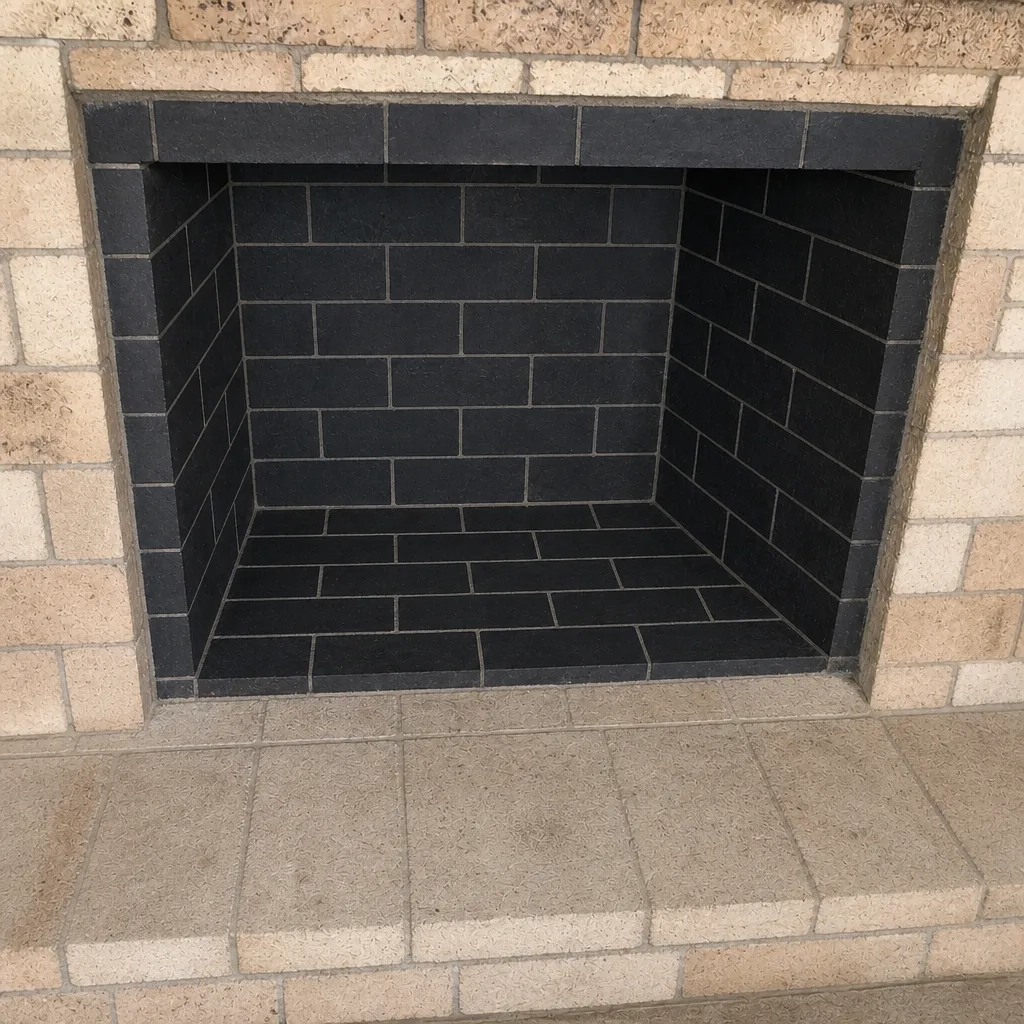
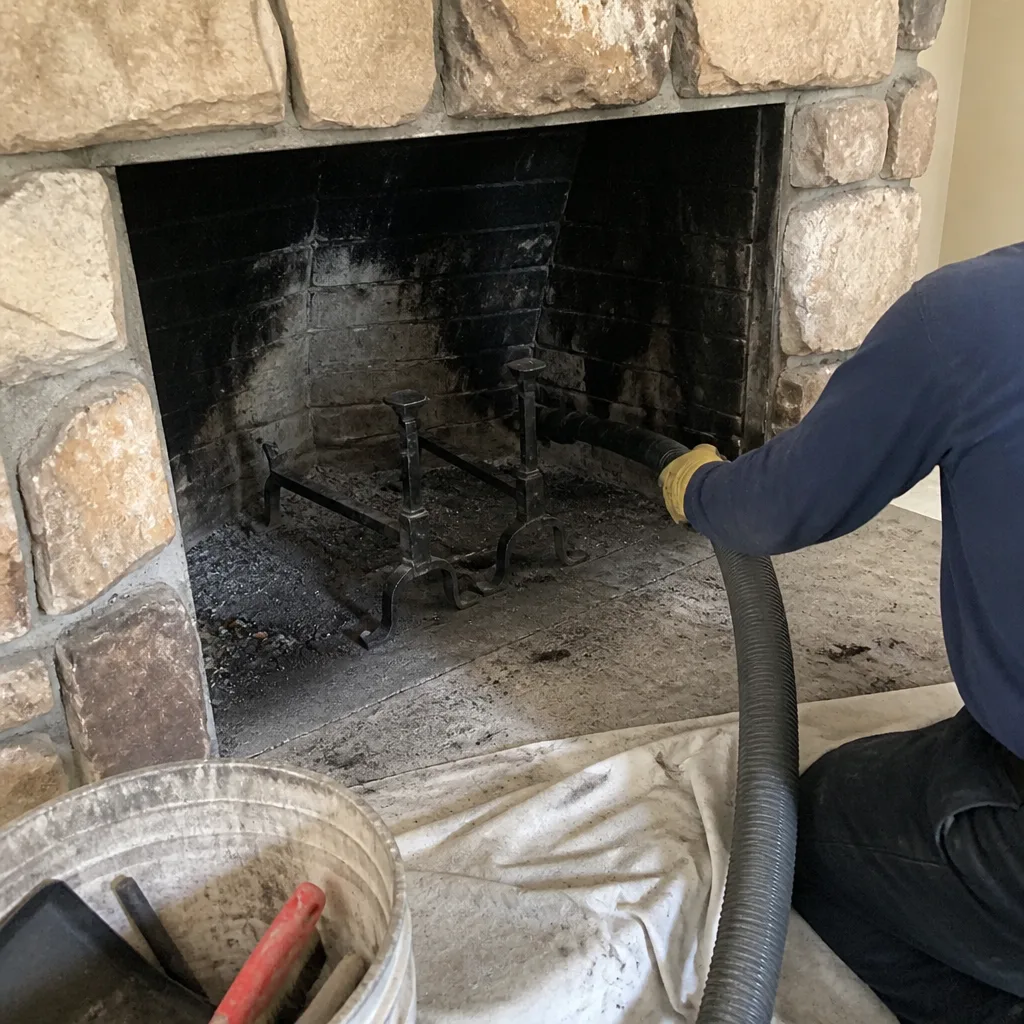
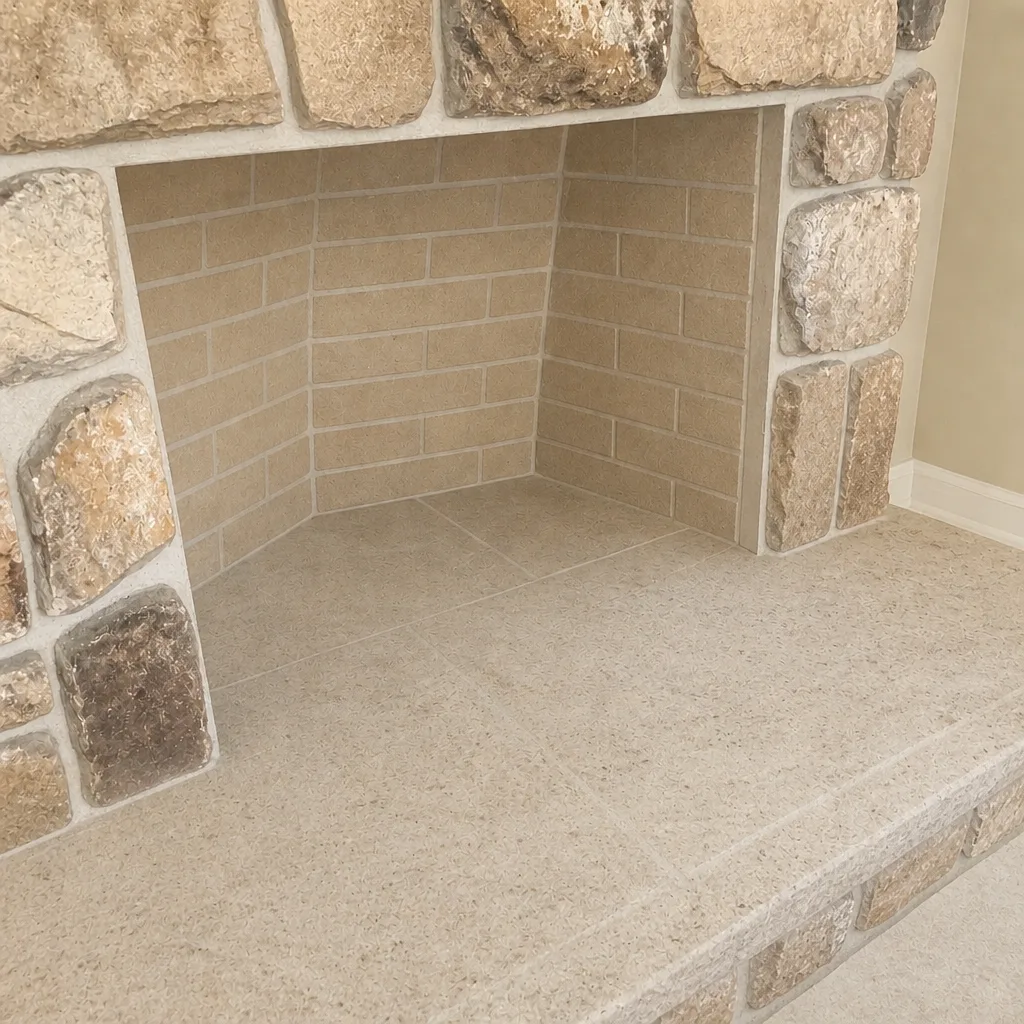
See the difference
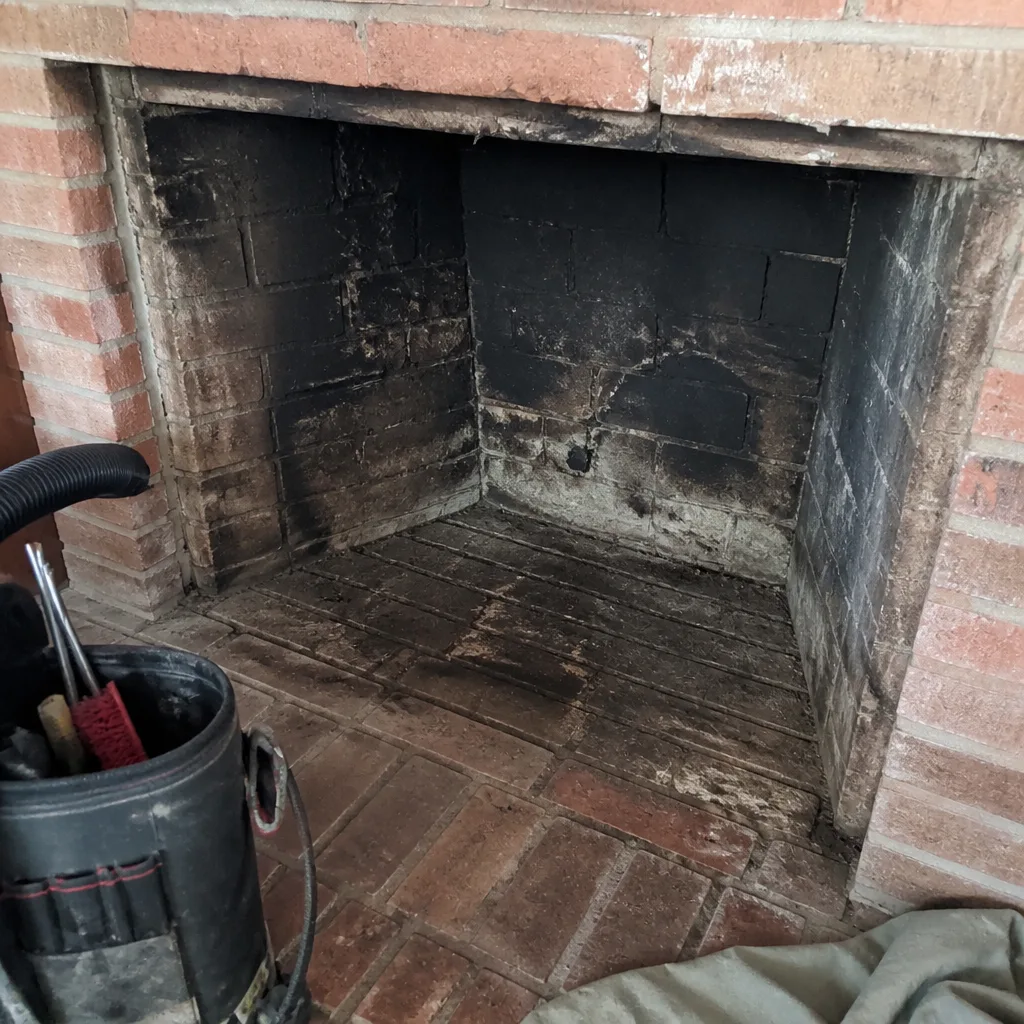 Before
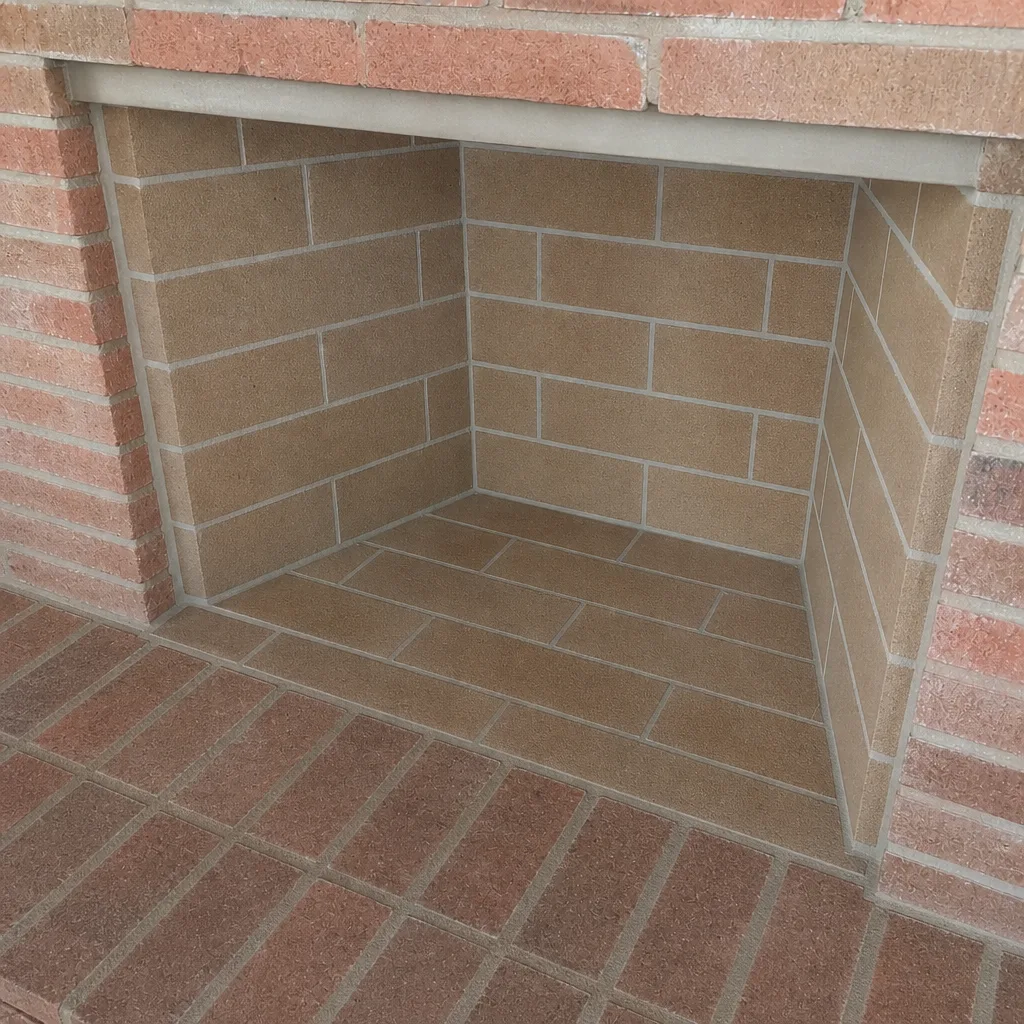 After
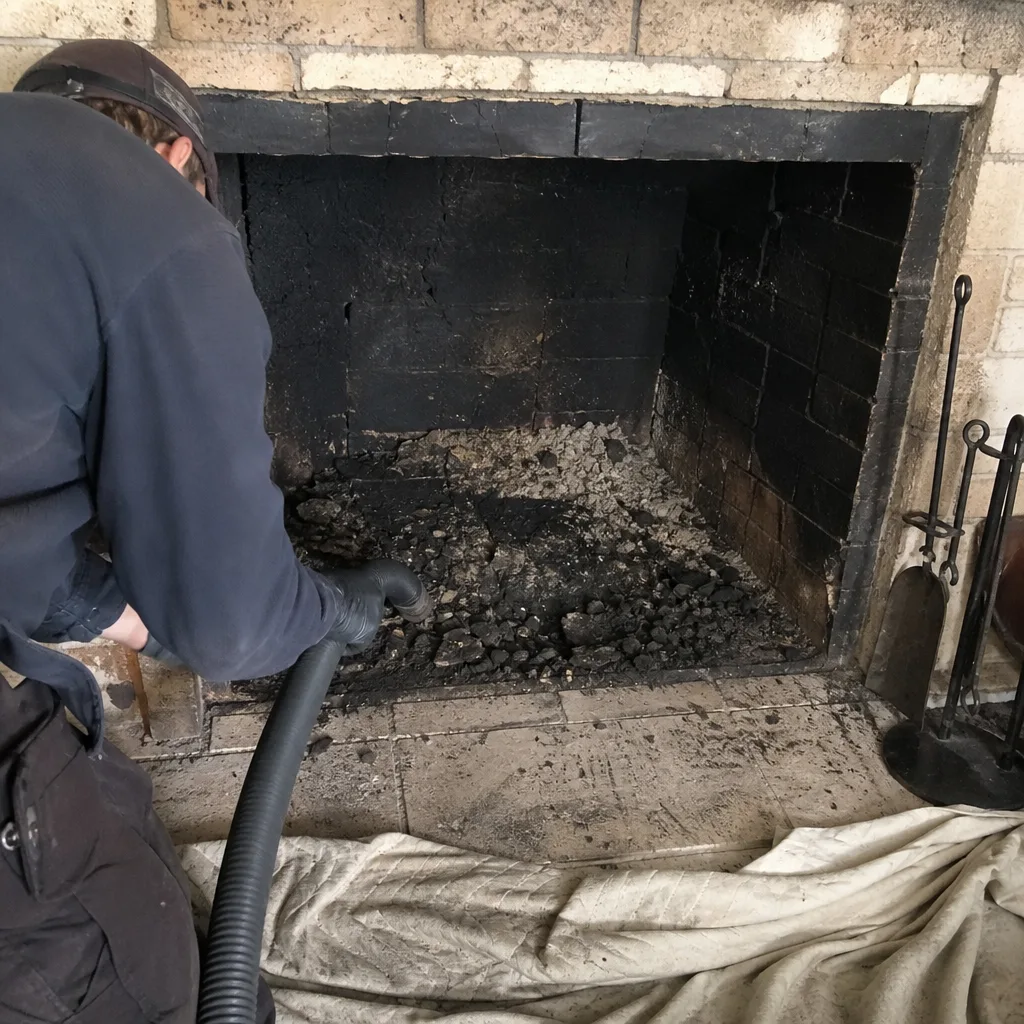 Before
 After
 Before
 After
When to Call a Professional
Some chimney issues are worth a call even when nothing dramatic has happened. If you’ve had a chimney fire or a CO alarm in the home, an inspection is required before you burn again. If you notice a strong creosote smell, a change in how the fire draws, or smoke backing into the room, that’s a same-week call. Persistent creosote staining, cracked masonry visible from outside, a damaged chimney cap, or a damper that won’t move are all signs to schedule a chimney sweep and inspection together. If the report shows liner damage, we can discuss relining and restoration options with HeatShield and DuraFlex – the right liner, installed right. Chimney Sweep West Jordan offers free estimates in West Jordan – call (877) 404-8451. We answer 24/7. Fast dispatch from 7am to 7pm, Sunday through Friday.
Frequently Asked Questions
A routine chimney sweep in West Jordan is typically priced per job based on the appliance type, the condition of the flue, and whether an inspection is included in the same visit. The written estimate sets the final price, and you’ll know it before any work is scheduled. Call (877) 404-8451 for an exact quote – estimates are free.
Not always – the answer depends on what the inspection finds. A lightly scorched flue may be reserviceable after cleaning, but a cracked tile liner, a warped metal liner, or a separated flue joint usually needs restoration or relining. Nothing is recommended without visual evidence you can see for yourself. Call (877) 404-8451 to schedule an inspection and get a clear picture before deciding.
Most homes should be swept once a year, and more often if you burn frequently or notice creosote buildup. A pre-season sweep before the first burn of the year is the simplest schedule to keep, and it doubles as a safety check. Call (877) 404-8451 to book a sweep.
Creosote keeps accumulating inside the flue, and that layer is the fuel a chimney fire burns. A skipped year doesn’t guarantee a fire, but it raises the risk and can leave a liner problem undetected. A sweep is a low-cost way to know where you stand. Call (877) 404-8451 for a free estimate.
Close it only if the fire is clearly in its early stage and you can reach the damper safely; leave it open once the fire is well-established. Trapping heat and pressure in a hot flue can cause real damage. If you’re unsure, get everyone outside and call 911. Afterward, call (877) 404-8451 for a post-fire inspection.
Chimney coverage varies by policy, and many policies include a chimney section that requires an inspection after a known chimney fire before returning the appliance to service. Using the fireplace before that inspection can void the coverage. We can provide a written inspection report you can share with your insurer. Call (877) 404-8451 for details.
The Bottom Line
Emergency preparedness for a chimney isn’t about memorizing a long list of steps – it’s about knowing which of the two scenarios you’re in and acting in the right order. For a suspected chimney fire: call 911, get outside, and only close the damper in the early stage. For a carbon monoxide alarm: get outside and call 911 regardless of symptoms. After either event, a certified inspection is required before you burn again, and it’s the document that protects both your safety and your insurance standing. The work that prevents emergencies is quiet: an annual sweep, working CO alarms, a movable damper, and a simple kit. That’s the standard we hold West Jordan homes to.
Chimney Sweep West Jordan handles sweeping, repair, and inspection as one specialist company, working with the professional brands the trade trusts. Call (877) 404-8451 for a free estimate. We answer 24/7. Fast dispatch from 7am to 7pm, Sunday through Friday. Closed Saturday.
Written by the team at Chimney Sweep West Jordan.