
Last updated November 16, 2026
 Sweep & inspection
 Caps & crowns
 Flue relining
 Masonry repair
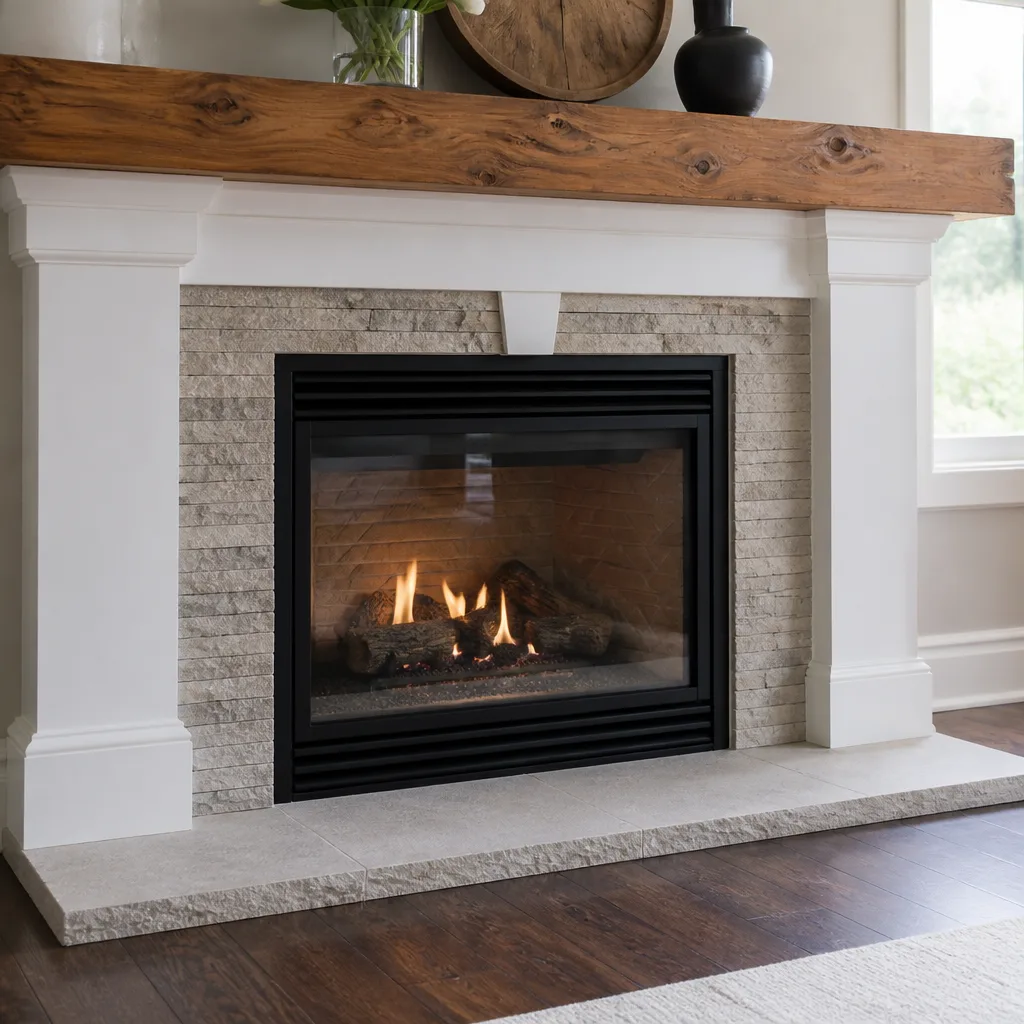 Gas fireplace service
Level 1 sweep and inspection to the NFPA 211 annual standard - flue, crown, cap, and flashing checked and photographed
Chimney sweep logs do not sweep chimneys. They loosen some creosote - which then falls where a brush and vacuum still have to collect it.
Seasonal Chimney Cleaning Care for West Jordan: Year-Round Homeowner’s Guide
Most chimney advice says the same thing to everyone: book your sweep in spring, once a year, and you’re done. That advice isn’t wrong, but it treats every fireplace the same, and fireplaces in this valley are not the same. The variables that actually determine when your chimney needs attention are the age of the masonry, the liner material, and how hard you burn through winter – not a date on a calendar. A household that runs a fire most nights from November through February is in a completely different situation than one that lights a fire a few times over the holidays. This guide walks through what each West Jordan season asks of your chimney, and how to build a schedule around the way your home actually heats.
Quick Answer
Chimney cleaning in West Jordan is best scheduled around your burn habits rather than a fixed season: heavy burners should book in February or March so acidic creosote doesn’t sit against the liner through the humid spring, light burners can wait until late spring, and every chimney should get a visual check before the first fire of fall. Summer attention belongs on the cap, crown, and flashing, and fall attention belongs on nesting debris and draft function.
Styles & brands we work with
- Sweep & inspection
- Caps & crowns
- Flue relining
- Masonry repair
- Gas fireplace service
Table of Contents
- Why Timing Matters More Than the Calendar in West Jordan
- The Post-Heating-Season Window: February and March
- What Summer Checks Should Actually Look At
- The Utah Pre-Season Fall Checklist
- How to Set Cleaning Frequency From Your Cord Wood Use
- Year-Round Odor Signals: Moisture Versus Creosote
- Liner Material and Age: The Variables Behind Everything Else
- West Jordan’s Four Seasons and What Each One Does to a Chimney
Why Timing Matters More Than the Calendar in West Jordan
A chimney doesn’t get dirty in the same way a floor does. What builds up inside it over a heating season is creosote, a tarry residue that forms when wood smoke cools before it leaves the flue. Creosote comes in several forms, and the harder, glazed type is the one that matters most, because it’s the most combustible and the most difficult to remove. Everything about scheduling comes down to how long that deposit sits inside your flue and what happens to it while it sits there.
In West Jordan, the thing happening to it while it sits is moisture. After the heating season, the weather turns wet, and humidity is what converts dry creosote into the acidic, sticky residue that eats into clay tile and attacks the seams of a metal liner over time. That process does not need a storm to get started. Ordinary spring humidity does it. This is why “spring cleaning” is a reasonable default across the country but a poor fit for a household in this valley that burned hard all winter. Those homeowners are better served by getting the flue swept in February or March, before the wet season ever gets a chance to work on what’s inside it.
There’s a second reason timing matters here, and it has to do with how West Jordan homes are heated. A lot of them run wood as a supplemental heat source rather than a decoration. When the fire is doing real work, it burns longer, burns more cord wood, and produces more of everything that ends up on the flue walls. The schedule for a working fireplace should look different from the schedule for a fireplace that’s lit for atmosphere.
What we’d ask any West Jordan homeowner to do first is simple: figure out which kind of burner you are. The rest of this guide builds a year around that answer.
The Post-Heating-Season Window: February and March
For heavy burners in West Jordan, the best sweep of the year often falls in late February or March, not April. By that point the worst of the burning is behind you, the flue holds a full season’s deposit, and the humid weeks are still ahead. Clearing the flue before that humidity arrives removes the material the acid would otherwise attack.
This runs against the common advice to wait until spring. Waiting until April means the deposit has sat through the wettest part of the year, with the creosote absorbing moisture and holding it against the liner walls. On a clay tile flue, that’s where you see spalling and cracking begin. On a metal liner, it’s where you find corrosion at the seams. Both are repair problems, and both are far more expensive than a sweep.
Here’s how to think about the February-to-March window:
- Who it fits: households that burn most days through the cold months, especially those using wood as real heat rather than ambiance.
- Who can wait: households that light the fireplace a handful of times a season. A lighter deposit has less material to hold moisture, so a late-spring sweep is genuinely fine.
- What to ask for: a sweep plus a level-one inspection. Before a professional cleans a flue, they should look at it, because a sweep is only safe on a flue that’s structurally sound.
- Why it’s worth the earlier date: you also get the whole off-season to handle any repair the inspection turns up, without pressure and without missing any fires.
If you burned through January’s inversion, which traps cold air and particulates close to the valley floor and often leads households to run the fire harder than usual, treat yourself as a heavy burner even if a typical year would put you in the light category. Call (877) 404-8451 to get on the schedule. We answer 24/7, and a call outside dispatch hours is booked into the next opening, Sunday through Friday, 7am to 7pm.
What Summer Checks Should Actually Look At
Summer is not a time to think about creosote. It’s a time to think about the parts of the chimney that live outdoors, because those take the full force of a Utah summer. A chimney is a masonry or metal structure sticking up above the roofline, fully exposed, and it deals with more weather than any other part of the house. Summer is when that shows.
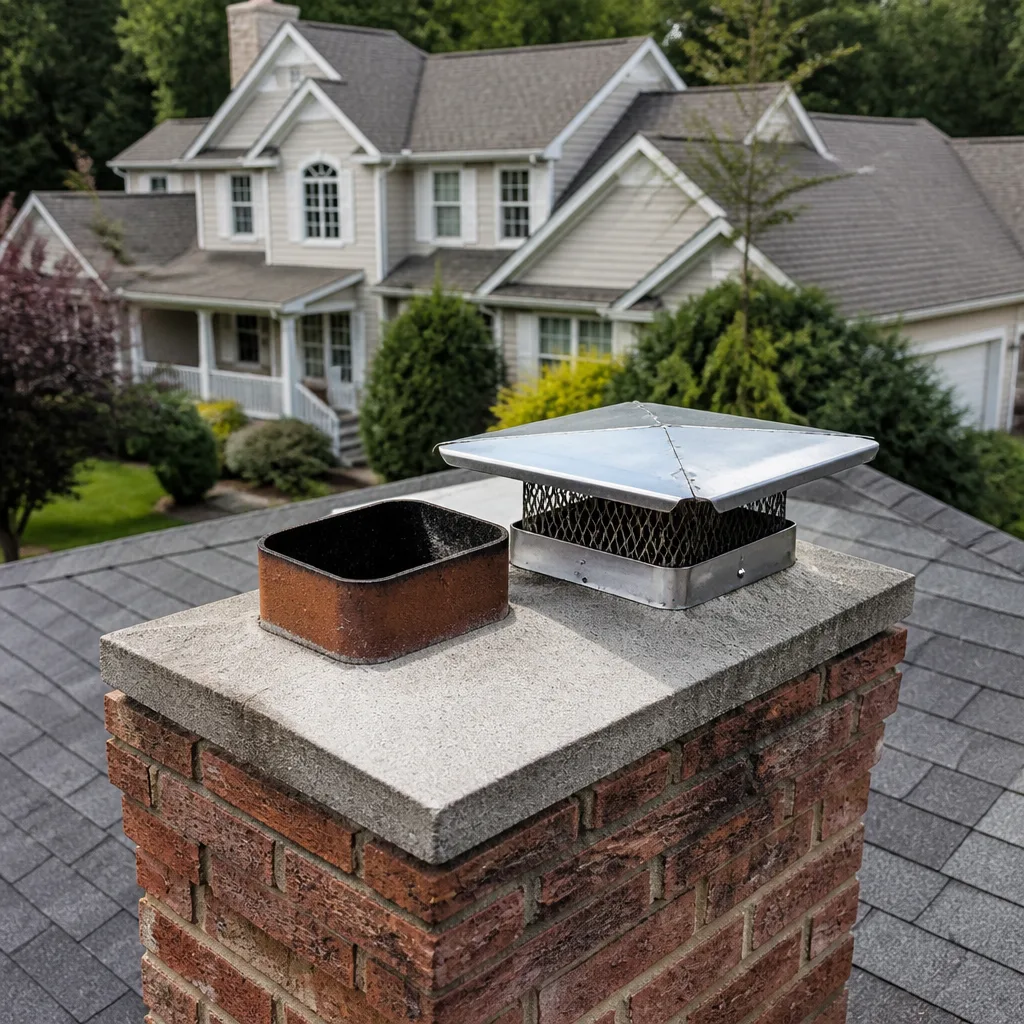
The two components that matter most are the crown and the cap. The crown is the sloped concrete surface at the top of a masonry chimney, and its whole job is to shed water away from the flue. When the crown cracks, water runs straight into the chimney instead of off it. Ultraviolet exposure from strong high-altitude sun is hard on the crown, on the mortar joints, and on any sealant used around the flashing. An annual look at all of them is cheap; a cracked crown that’s left alone becomes a rebuild.
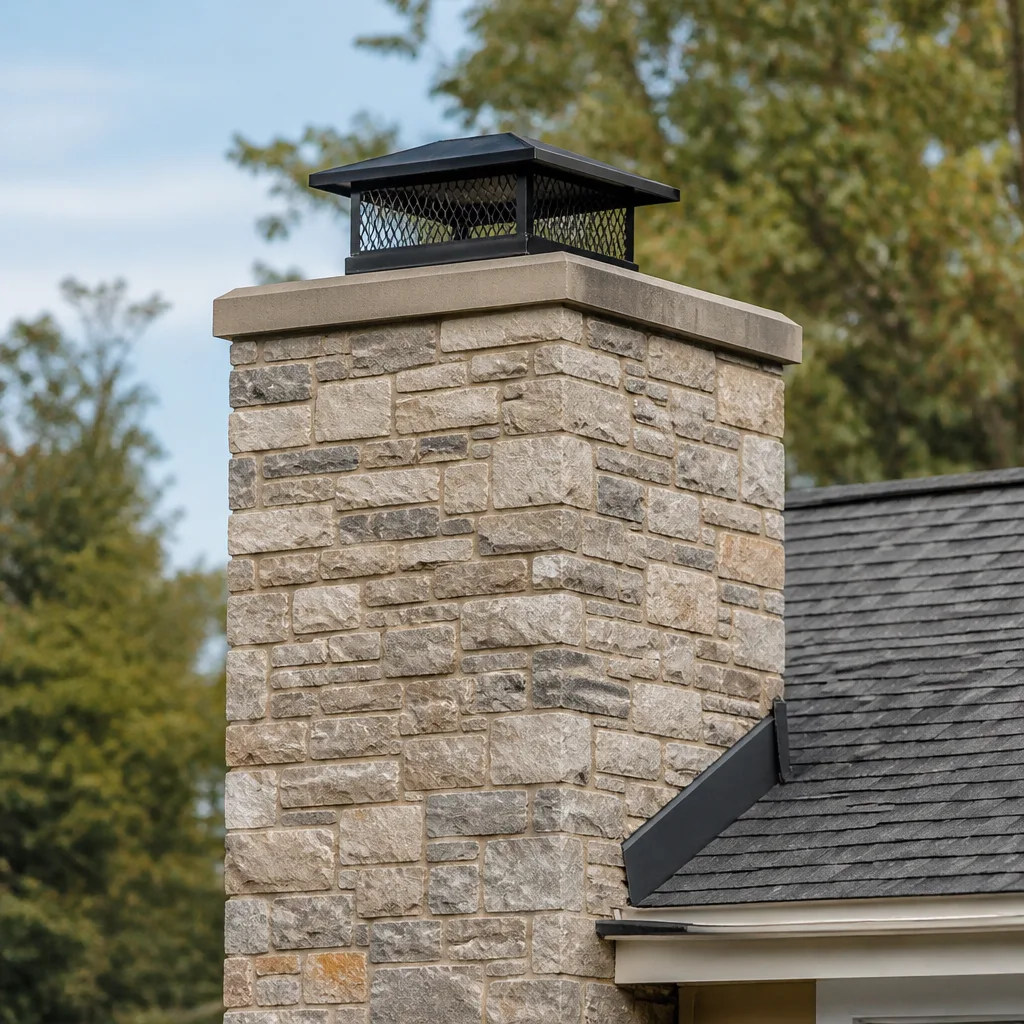
The cap sits over the flue opening, and it has two jobs. It keeps rain and snow out, and it keeps animals out. In summer, when the flue is warm and dry for weeks, it’s an ideal nesting site. Birds, squirrels, and other animals find an uncapped flue inviting, and the nests they build are exactly the kind of blockage that sends smoke into a living room in October.
Then there’s the monsoon pattern. Utah’s mid-to-late-summer storms deliver rain fast and hard. A chimney that sheds a gentle drizzle might still let water in during a short, heavy downpour, particularly around the flashing where the chimney meets the roof. Water intrusion from a July storm often shows up months later as a rusted damper, a stained ceiling, or a musty smell in the room with the fireplace.
Summer checks should cover:
- The cap: intact, correctly sized, and securely attached with no gaps.
- The crown: no cracks, no crumbling, and proper slope away from the flue.
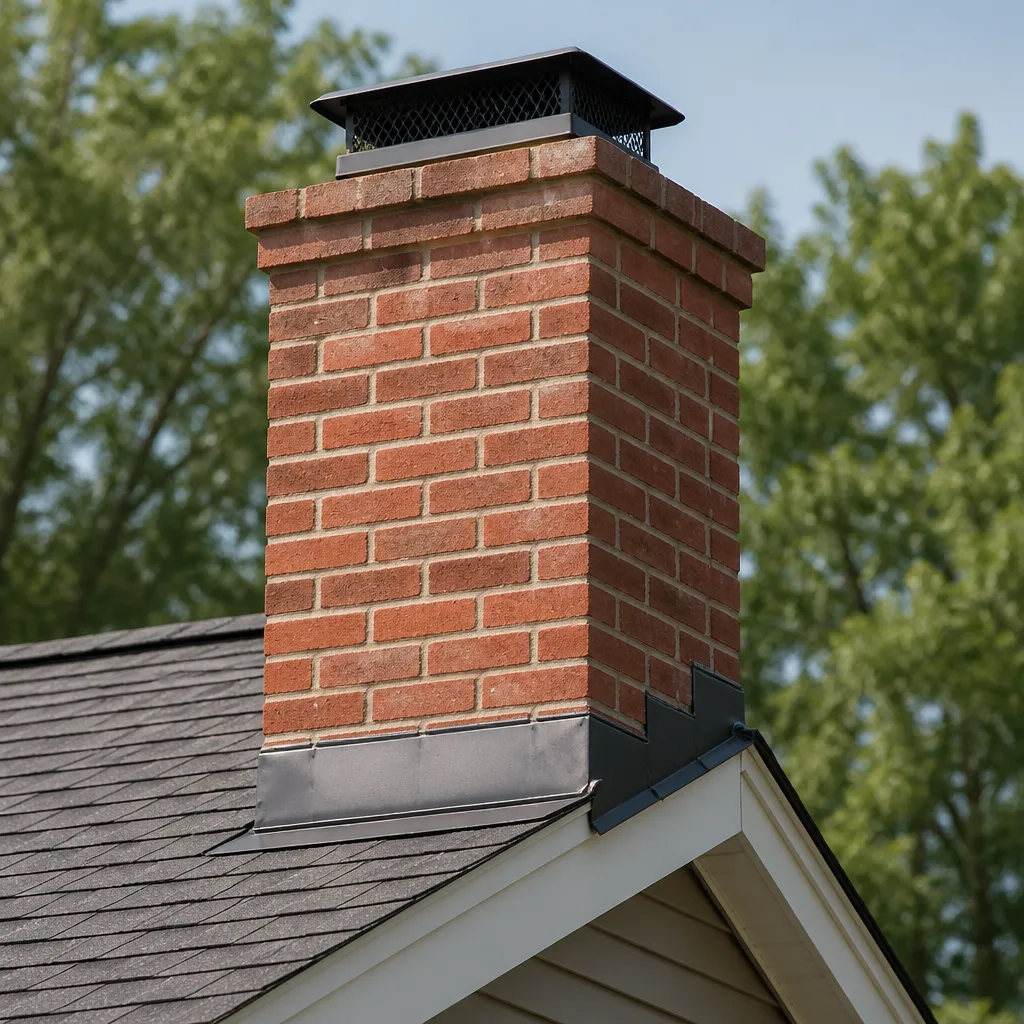
- The flashing: tight against the roof, no lifted metal, no cracked sealant.
- The masonry above the roofline: sound mortar joints and no loose brick.
- The firebox and damper: no signs of rust, which is the tell for water getting in.
None of this requires pulling anything apart. A visual inspection from the roof and from inside the firebox tells a trained eye most of what it needs to know. When it doesn’t, a camera inspection settles it, and you get to see the pictures yourself.
The Utah Pre-Season Fall Checklist
Before the first fire of the season, every chimney in West Jordan should pass a basic readiness check. Fall is when you confirm nothing changed over the summer and when you catch the problems that would otherwise announce themselves as a smoke-filled house on the first cold night. This is also the busiest stretch of the year for chimney work, so booking the inspection early in the fall is far easier than trying to squeeze it in after the first freeze.
Walk through these in order:
- Look at the cap and crown again. A summer of UV and a few monsoon storms can change them. What was sound in June may not be sound in September.
- Check for nesting debris. If the cap isn’t sound, animals may have used the flue over the summer. Never light a fire to “burn out” a nest. That’s how chimney fires start.
- Open and close the damper. It should move freely and seal reasonably well. A damper stuck open wastes heat; one stuck closed fills the room with smoke.
- Look up the flue with a flashlight. You’re looking for obvious blockage, heavy buildup, or anything shiny and glazed. Beyond that, this is a job for a trained eye and a camera.
- Test the draft before you need it. Light a small piece of newspaper in the firebox and watch the smoke. It should rise steadily up the flue. If it rolls out into the room, stop and have the chimney checked.
- Confirm your sweep is current. If it’s been a season or more since the last cleaning, get it done before the first real fire, not after.
Draft function is the item people skip, and it’s the one that matters most. A flue that drafts poorly doesn’t just smoke; it can let combustion gases back into the room instead of up and out. Carbon monoxide is the risk that comes with that, which is why we treat the fall check as a safety test and not a formality. If anything about the draft feels off, stop and book an inspection rather than experimenting.
How to Set Cleaning Frequency From Your Cord Wood Use
The standard “once a year” default is a starting point, not a rule. The amount of wood you actually burn is the better measure, and it’s easy to track. Most homeowners know roughly how many cords they go through in a winter, which makes it a practical number to build a schedule around.
Here’s how the relationship works. A cord of wood is a lot of fuel, and every bit of it produces smoke that passes through the flue. The more you burn, the more deposit accumulates. The wood itself matters too: seasoned hardwood leaves far less creosote than green or soft wood, and a fire that’s run with the damper barely open to stretch the burn produces more than one that’s given enough air to burn cleanly. So two households burning the same number of cords can end up with very different flues.
A practical framework:
- Light use (a few fires a season, under half a cord): sweep on the annual spring cycle, or every other year if an inspection shows minimal buildup.
- Moderate use (roughly one to two cords): sweep once a year, timed by your burn pattern. Heavy winter burners go February to March; lighter ones can go late spring.
- Heavy use (three cords or more, or wood as primary or supplemental heat): sweep once a year at minimum, and have the flue inspected mid-season to confirm buildup isn’t outpacing the schedule.
- Any use with unseasoned wood: shorten the interval. Green wood is the fastest route to a glazed flue.
The number that settles it is the one a camera and a trained eye produce. A sweep is worth doing when the deposit reaches a meaningful depth; before that, you’re paying to remove material that isn’t there yet. An inspection tells you where you actually stand, which is why we don’t recommend relying on the calendar alone. If you’re not sure which category you fall into, call (877) 404-8451 and describe your burn habits. We’ll tell you honestly whether you’re due or whether you can wait.
Year-Round Odor Signals: Moisture Versus Creosote
A fireplace that smells is trying to tell you something, and the smell changes with the cause. The two most common sources are moisture intrusion and creosote, and you can usually tell them apart by when the smell shows up and what it resembles. Getting this right saves you from paying for the wrong fix.
Creosote odor is a sharp, smoky, tar-like smell. It’s strongest on warm, humid days, because heat and moisture pull volatile compounds out of the deposit and into the room. It’s also noticeable when the fireplace has been unused for a while and the house is closed up. If the smell is strongest in summer and fades in the heating season, creosote is the likely source. The fix is a professional sweep, and it’s worth confirming with an inspection that the deposit hasn’t glazed.
Moisture odor is a damp, musty, earthy smell. It’s strongest after rain or during a wet stretch, and it often comes with other signs: a rusted damper, a stain on the firebox, or a white, powdery bloom on the masonry. That bloom is efflorescence, salt pushed to the surface as water moves through brick and evaporates. Where there’s efflorescence, there’s water, and the source is usually the crown, the flashing, or a failed cap. Sweeping won’t fix a moisture problem. Sealing the leak will.
A few specifics worth knowing:
- A smell that appears only when the house is closed up in summer and disappears when windows are open points toward creosote off-gassing.
- A smell that follows rain, or appears in the room below the chimney, points toward water intrusion.
- A smell that shows up when you first light a fire and then goes away is often just the flue warming up and pushing out stale, damp air.
- A persistent musty smell with no visible stain still deserves a look, because the water is getting in somewhere.
Because the two problems need completely different solutions, this is exactly the kind of question an inspection answers in minutes. Nothing gets recommended without camera evidence you can see for yourself, and if the answer is that a sweep will do the job, that’s what we’ll tell you. Call (877) 404-8451 to book an inspection. We answer 24/7. Fast dispatch from 7am to 7pm, Sunday through Friday.
Liner Material and Age: The Variables Behind Everything Else
The single biggest factor in how much punishment a chimney takes is what the flue is lined with. Two chimneys in neighboring West Jordan homes can have identical burn habits and completely different lifespans, because one is lined with clay tile and the other with a stainless steel liner. Understanding your liner changes how you think about scheduling.
Clay tile is common in older masonry chimneys. It’s durable, but the mortar joints between tiles are the weak point, and acidic creosote sitting against them over a wet spring is exactly what erodes them. A cracked or offset tile joint is also a pathway for heat and gases to reach the surrounding masonry, which is a real safety concern. Tile flues therefore benefit most from the earlier post-season sweep, and they deserve a camera inspection whenever there’s any question about joint integrity.
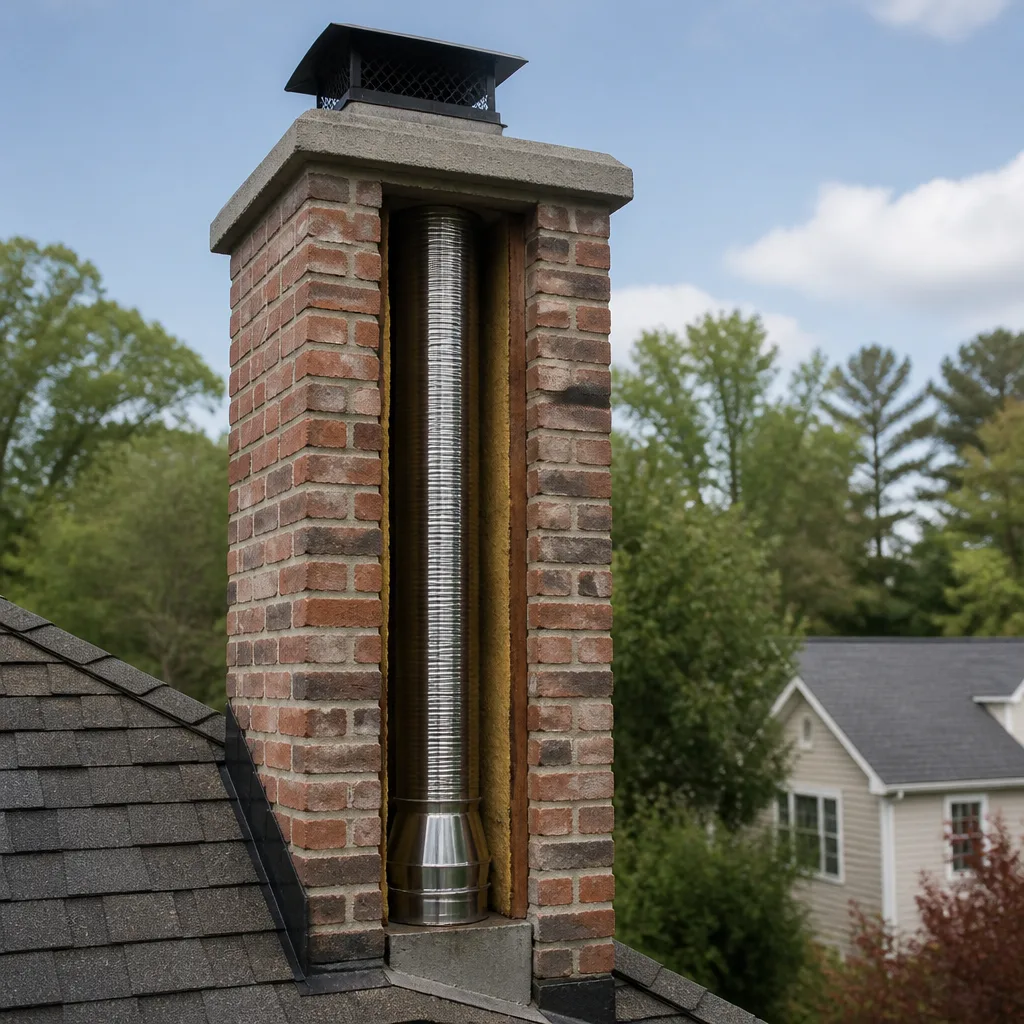
Stainless steel liners handle creosote better and are far less vulnerable to moisture, but the seams and connections are where they fail. A corroded seam or a loose joint does the same job as a cracked tile: it lets what should stay inside the flue get out. Liners also have to be the right size for the appliance. An oversized flue runs cool, which makes creosote form faster; one that’s undersized can draft poorly.
When a liner does need replacement, the material matters. We work with DuraFlex and HeatShield because they’re the kind of products professionals specify for relining and restoration work rather than patching a problem. HeatShield in particular is a resurfacing system for the flue, which means some flues that would once have needed a full reline can be restored instead. DuraFlex is a stainless liner system built for the job. We also work with Famco and Copperfield on venting and capping details, because a liner is only as good as the terminations and accessories around it. The right liner, installed right, is a decades-long decision and not a spot fix.
Liner age and condition are the reason we ask about the house before we talk about the schedule. If you don’t know what your flue is lined with, that’s the first thing an inspection should establish.
West Jordan’s Four Seasons and What Each One Does to a Chimney
West Jordan sits in the Salt Lake Valley, and the valley’s four seasons each put a different kind of pressure on a chimney. Understanding the sequence makes the whole schedule make sense.
Winter is when the deposit forms. Cold, dense air slows draft, and during inversions the cold air sits trapped near the valley floor. Fires get run harder and longer to compensate, and a slower draft means smoke lingers in the flue and cools before it exits, which is exactly the condition that produces creosote. Winter is the season that generates the work for every other season.
Spring is when moisture arrives and the deposit starts to do damage. Humidity works on creosote and turns it acidic, and that acidity is what attacks a liner. This is the season the February-to-March sweep is designed to preempt.
Summer is when the outdoors takes its turn. Strong high-altitude sun is hard on the crown, mortar, and sealants, and the mid-to-late-summer monsoon pattern delivers fast, heavy rain that tests the flashing and the cap. Summer is also when animals nest in an uncapped flue.
Fall is when you find out whether any of it mattered. The first cold night is a test of draft, of the damper, and of everything summer left behind. Getting the readiness check done in early fall gives you time to fix whatever it turns up before the first fire.
The takeaway is that a chimney in West Jordan is under some kind of pressure every month of the year, just from different directions. A single spring sweep addresses winter’s deposit and nothing else. A year-round approach addresses each season’s actual risk.
Common Mistakes to Avoid
- Waiting until April no matter how hard you burn. If you burned through the winter, that deposit is sitting against your liner through the whole wet season. For heavy burners, the February-to-March window is genuinely better.
- Treating “once a year” as a fixed rule. A cord-wood count and an inspection tell you far more about when you’re due than a calendar does. Two households with the same schedule can need very different service intervals.
- Ignoring the roof-side components. The crown, cap, and flashing get almost no attention and cause almost all the water damage. A summer look at all three prevents the expensive kind of problem.
- Lighting a fire to clear a nest or a blockage. Never do this. A blocked flue is a fire and carbon monoxide hazard, and the right move is to have it cleared by a professional, not burned out.
- Confusing an odor problem with a dirty chimney. A musty smell after rain is water intrusion, and no amount of sweeping will fix it. Diagnose before you pay for a sweep.
- Assuming a general handyman can do chimney work. Sweeping, repairing, and inspecting a chimney are a specific trade with specific tools and specific training. Chimney work is all we do.
- Skipping the inspection because the sweep went fine. A sweep cleans the flue. An inspection finds the cracked tile, the failed seam, or the cracked crown that the cleaning doesn’t touch. They’re different jobs.
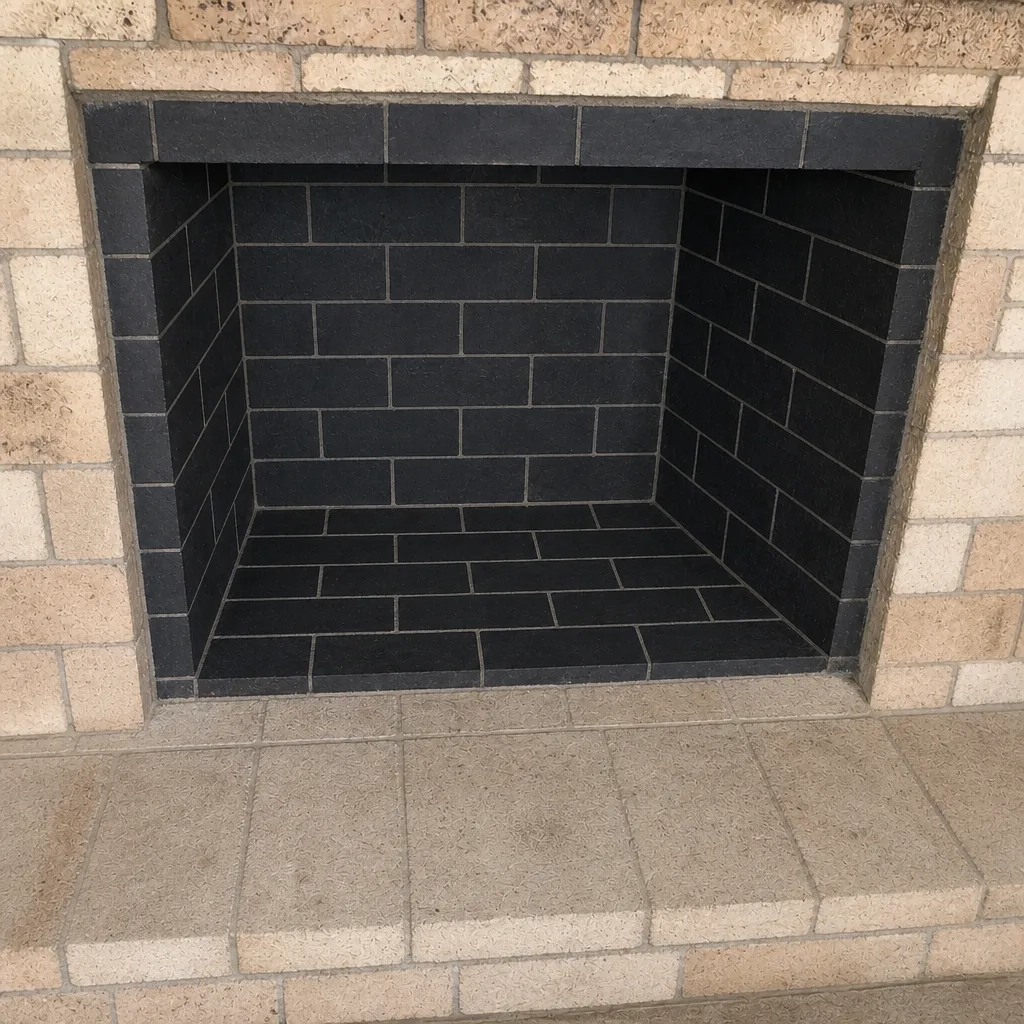
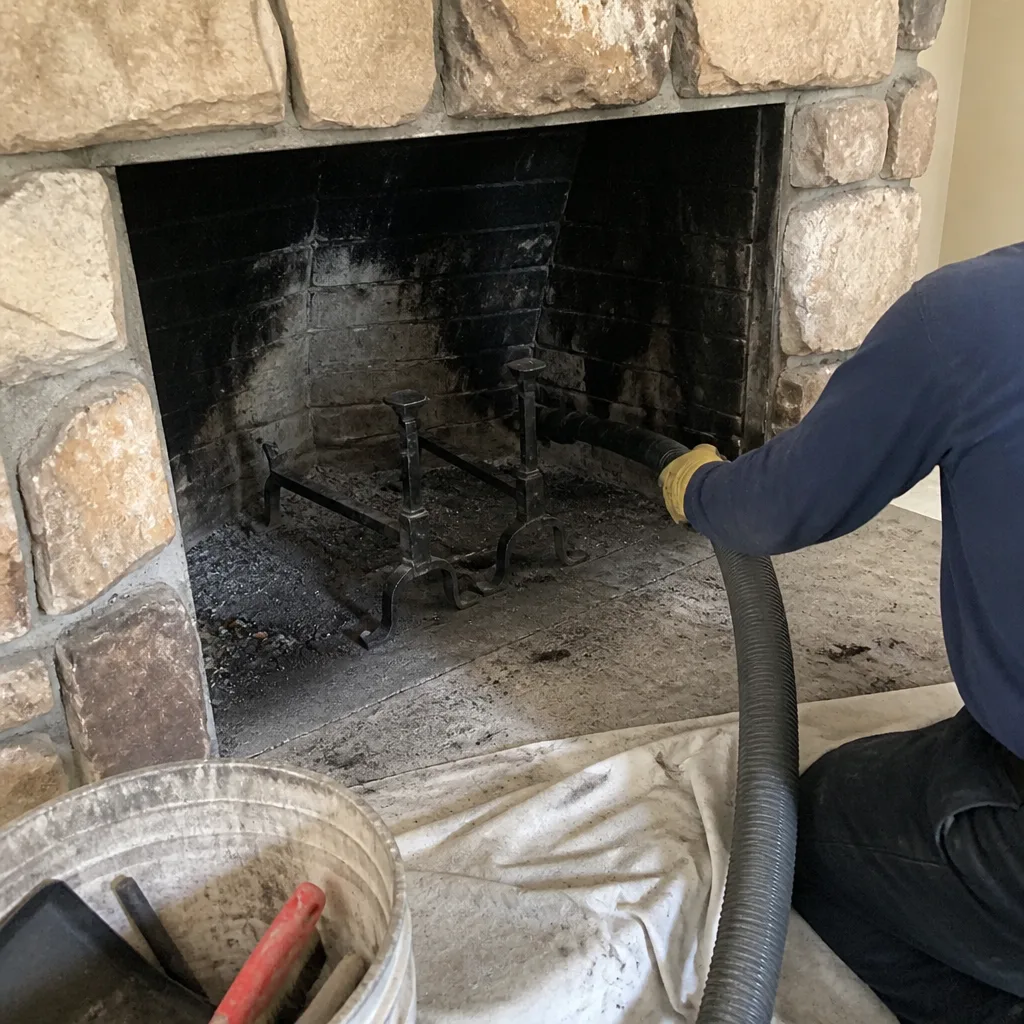
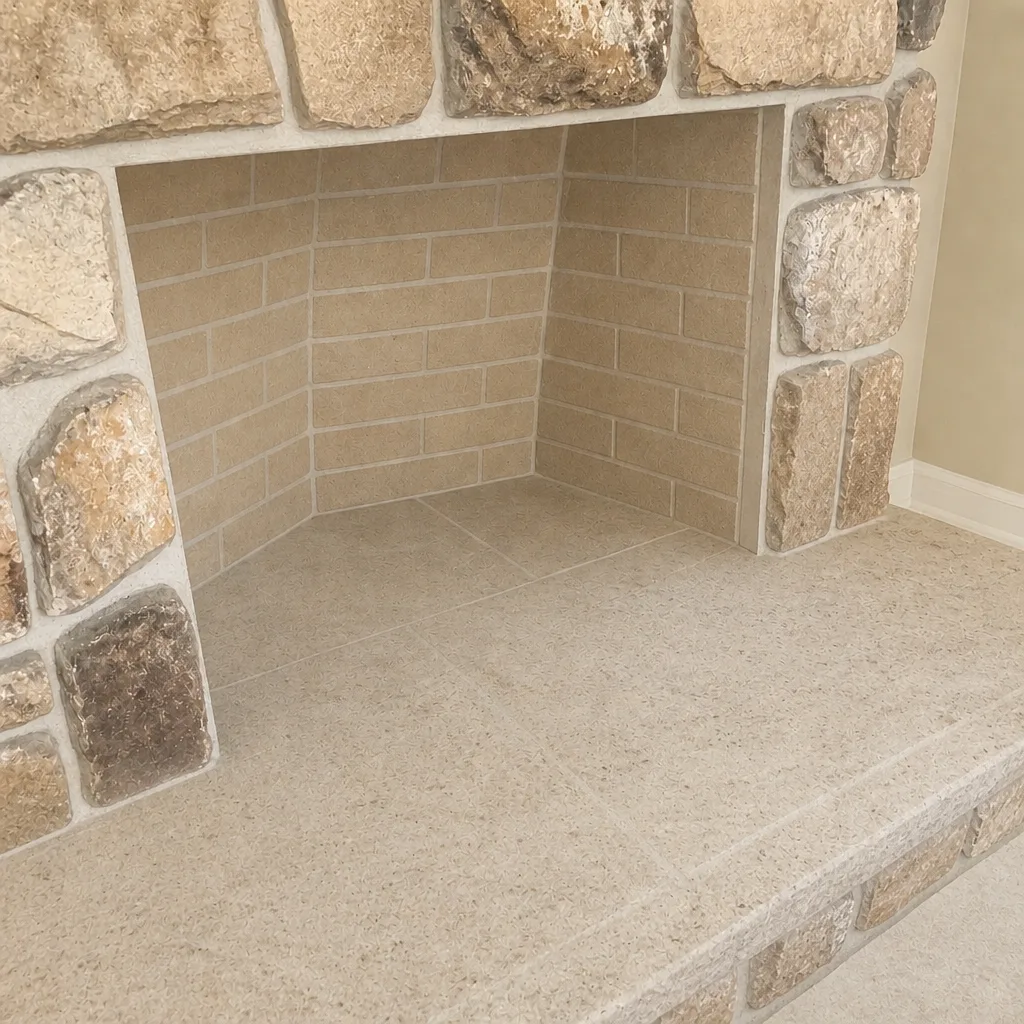
See the difference
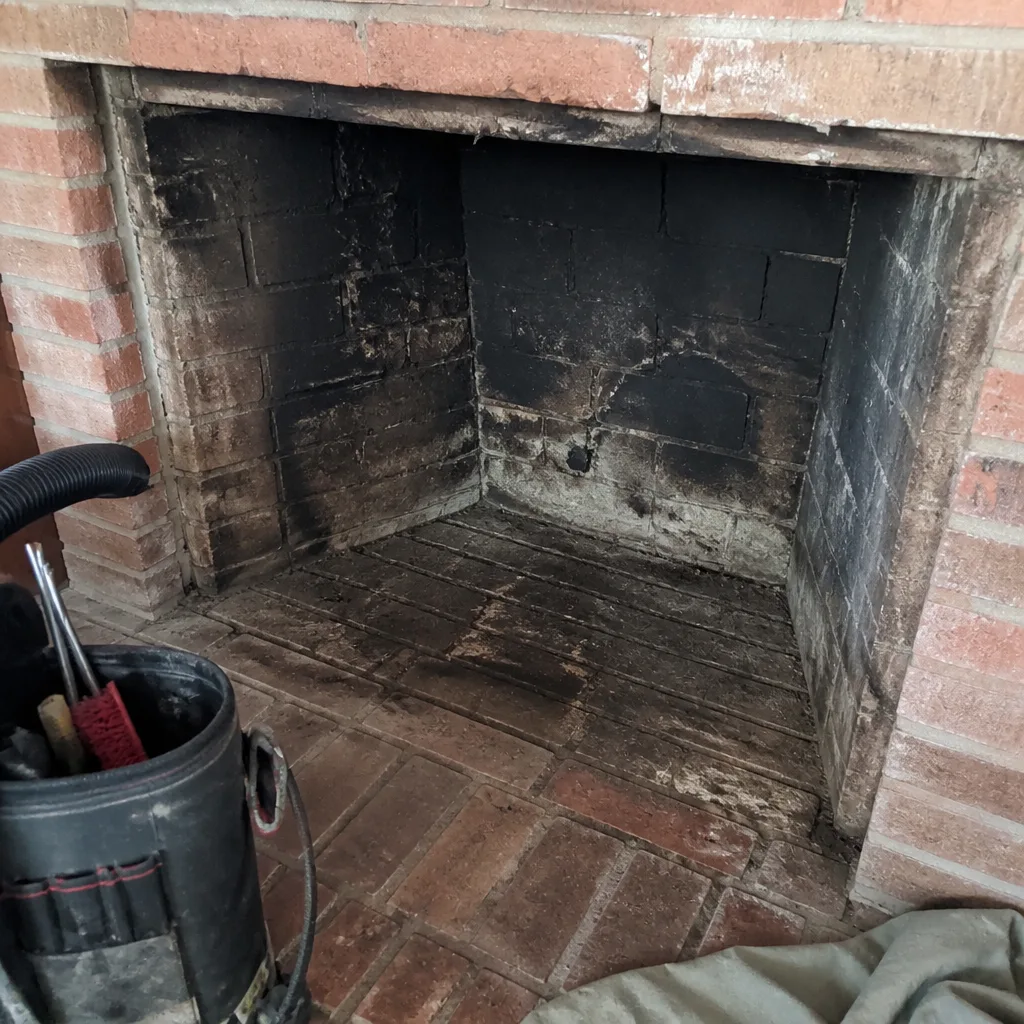 Before
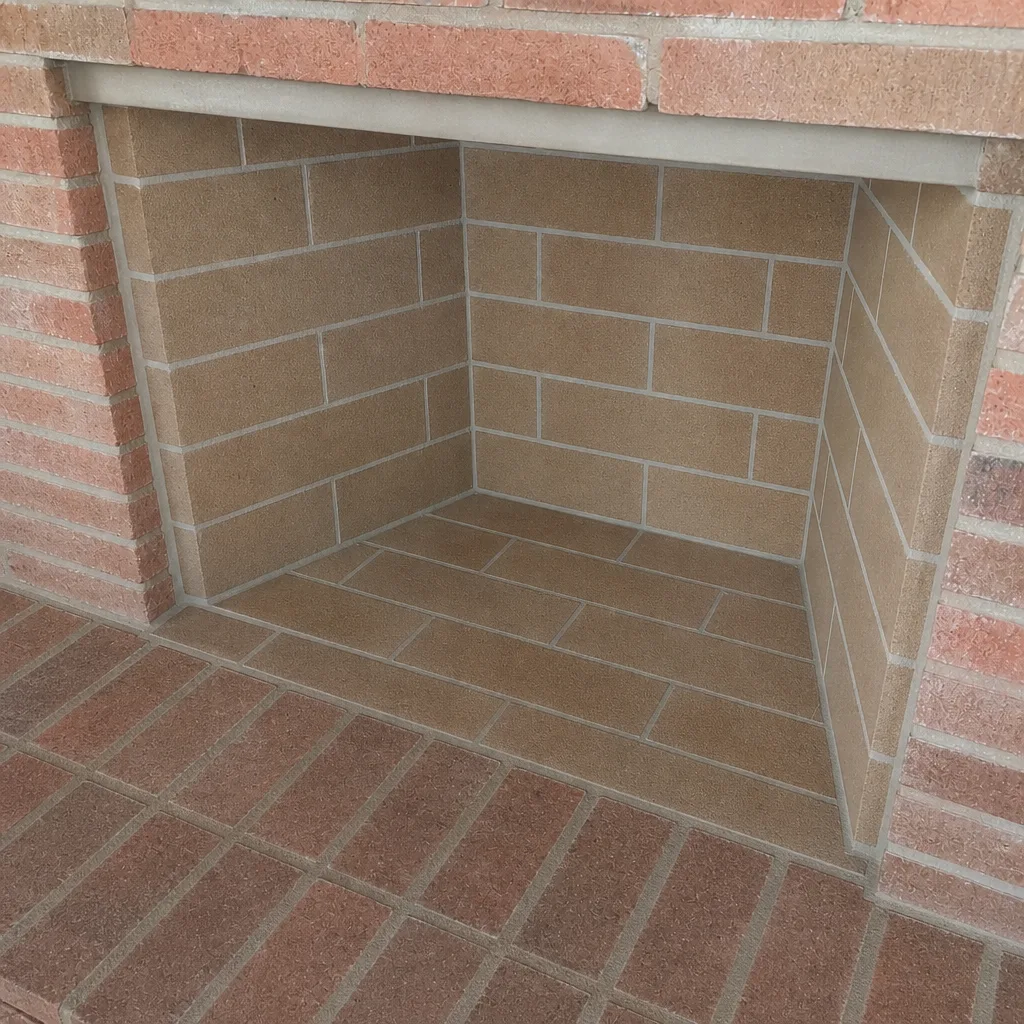 After
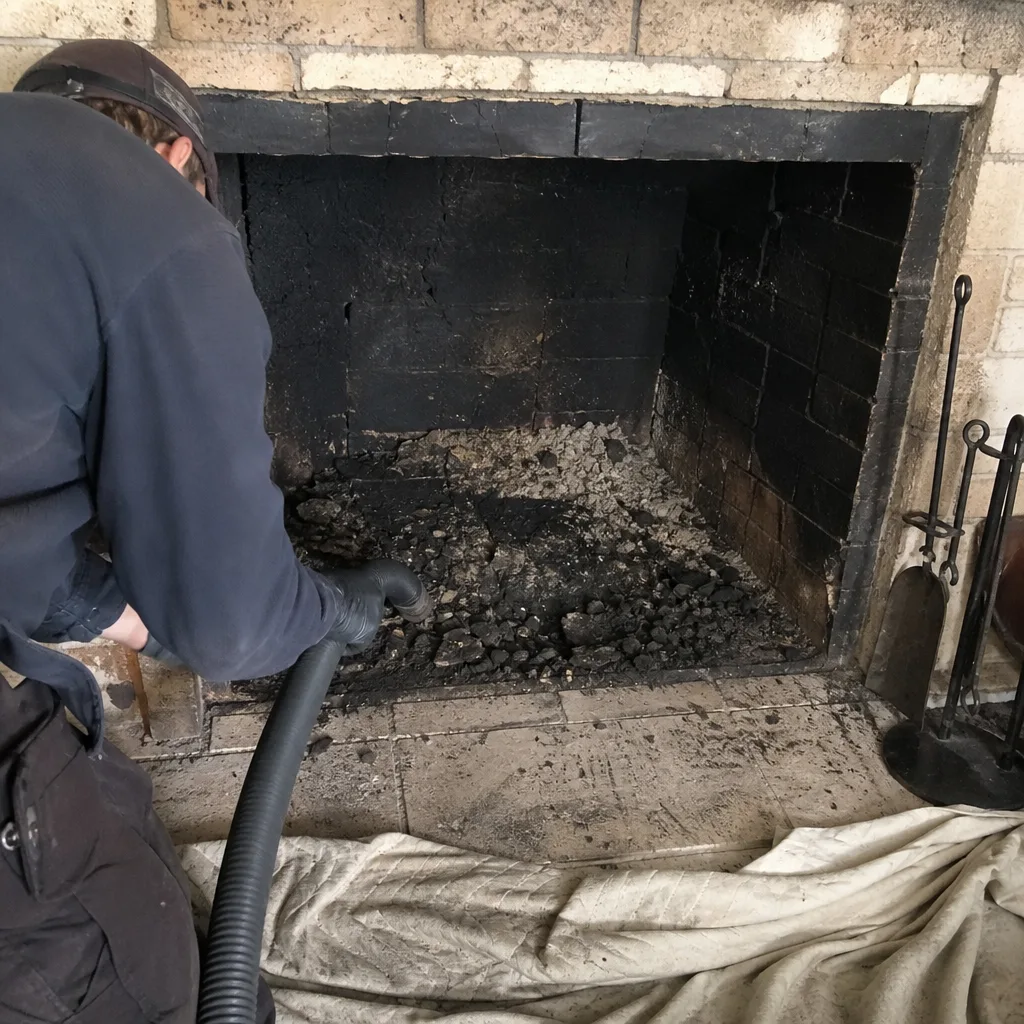 Before
 After
 Before
 After
When to Call a Professional
Some of this work you can reasonably handle yourself: a visual look at the cap, a check of the damper, a draft test with a bit of newspaper. The rest needs someone trained to judge what they’re seeing. Call a professional when there’s any sign of water intrusion, when the draft is poor or smoke backs into the room, when the flue looks glazed inside, when it’s been more than a season since the last sweep, or when you don’t know what your liner is made of or how old it is. Also call if you’ve bought a West Jordan home and have no service history for the chimney; an initial inspection gives you a baseline for everything that follows. High-tension springs and cables in any chimney-mounted hardware, electrical components such as a damper motor, and the interior of an electrical panel should never be opened by a homeowner. Those require a trained professional. Chimney Sweep West Jordan offers free estimates in West Jordan. Call (877) 404-8451. We answer 24/7. Fast dispatch from 7am to 7pm, Sunday through Friday.
Frequently Asked Questions
For heavy burners, late February or March is usually the best time, because it clears the season’s creosote before spring humidity turns it acidic against the liner. For households that only light a fire a few times a season, late spring works fine. Every chimney should still get a visual check in early fall before the first fire. Call (877) 404-8451 for an exact recommendation based on your burn habits; estimates are free.
Not always, and that’s why we inspect before we recommend. Many flues that look like reline candidates can be restored with a resurfacing system, and some only need a repair at a joint or a new cap. What we won’t do is tell you a liner is needed without camera evidence you can see for yourself. If the work can safely wait, we’ll say so. Call (877) 404-8451 to book an inspection.
The common answer is once a year, but your cord wood use and liner material set the real interval. A household burning three or more cords a year needs an annual sweep at minimum and a mid-season inspection. A household burning under half a cord can sometimes go longer, if an inspection confirms minimal buildup. Call (877) 404-8451 and describe your burn habits; we’ll tell you honestly whether you’re due.
Creosote builds up on the flue walls, and the glazed form is combustible, so a hot fire can ignite it. That’s a chimney fire, and it can damage the flue and spread beyond it. Separately, a blocked or damaged flue can let combustion gases, including carbon monoxide, back into the room. Both risks build quietly with no obvious warning. Call (877) 404-8451 to get a sweep on the schedule.
That pattern usually means creosote. Warm, humid air pulls volatile compounds out of the deposit and into the room, and the smell fades once the heating season starts and the flue warms up. A damp, musty smell that follows rain instead points to water intrusion, and sweeping won’t fix that. An inspection tells the two apart in minutes. Call (877) 404-8451 to book one.
Yes, because a sweep cleans the flue and an inspection checks the structure. The sweep removes deposit; the inspection finds the cracked crown, the failed flashing, the eroded tile joint, or the corroded liner seam that cleaning doesn’t address. We treat every visit as a safety evaluation rather than just a cleaning job. Book sweep and inspection together by calling (877) 404-8451.
The Bottom Line
Chimney care in West Jordan works better as a year-round pattern than a single annual appointment. Winter builds the deposit, spring humidity turns it acidic, summer weather works on the crown and cap, and fall is when you find out whether any of it was handled. Match your sweep to your actual burn habits, get the roof-side components looked at in summer, and run the fall readiness check before the first fire. If you’d rather have someone who does only this work look at it and tell you what it actually needs, that’s what we do. The right liner, installed right, is worth more than a schedule kept for its own sake.
To get your chimney on a schedule that fits how you actually heat your home, call (877) 404-8451 for a free estimate. We answer 24/7. Fast dispatch from 7am to 7pm, Sunday through Friday.
For the full picture of what we handle, start with Chimney Sweep West Jordan, then look at chimney sweep and chimney repair for the specific work, and our West Jordan page for local details.
Written by the team at Chimney Sweep West Jordan.