
Last updated November 16, 2026
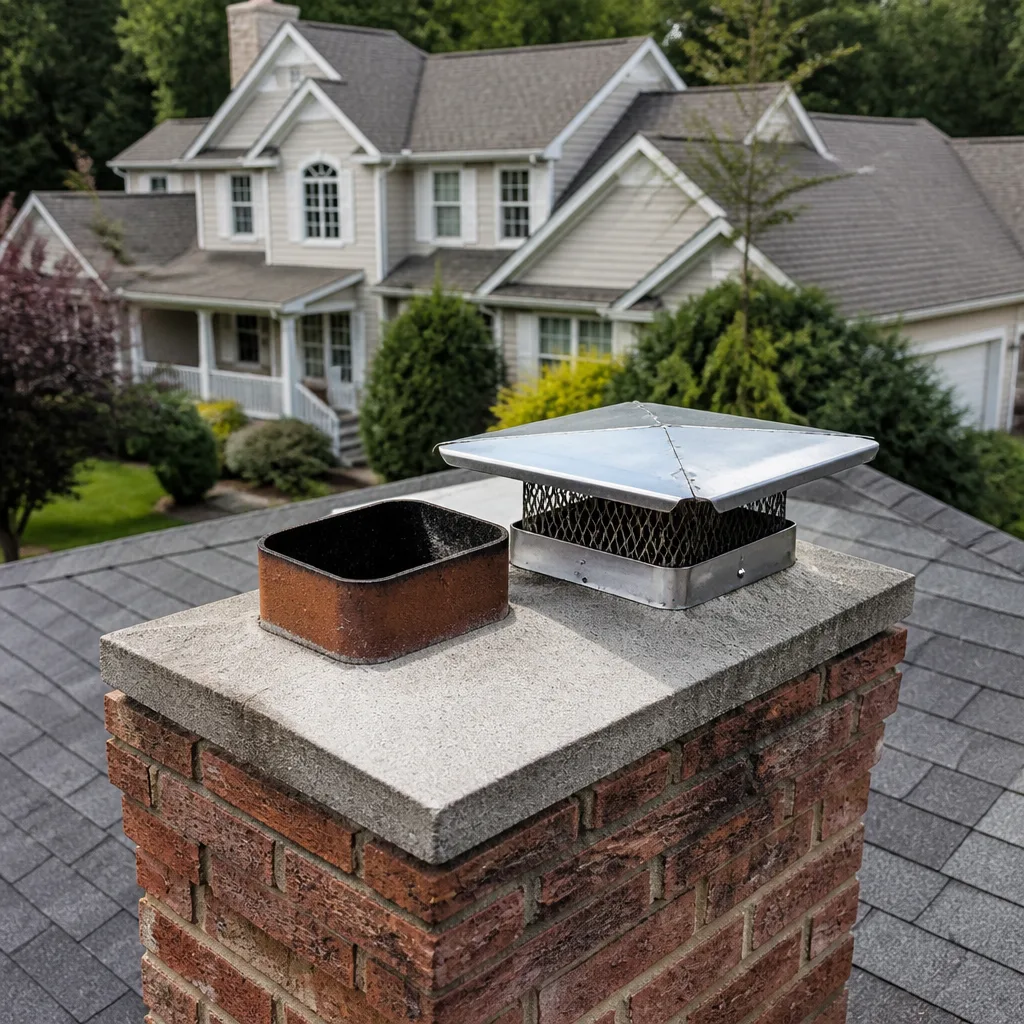 Sweep & inspection
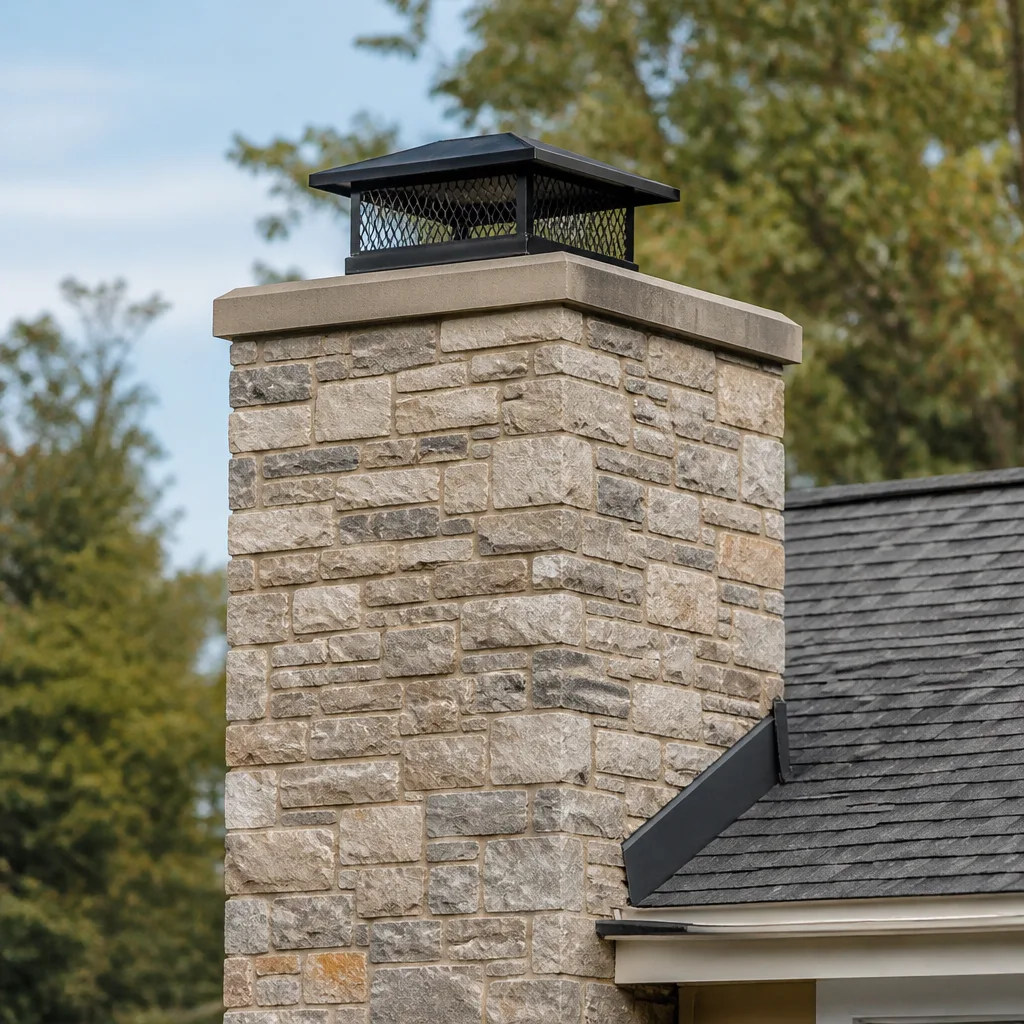 Caps & crowns
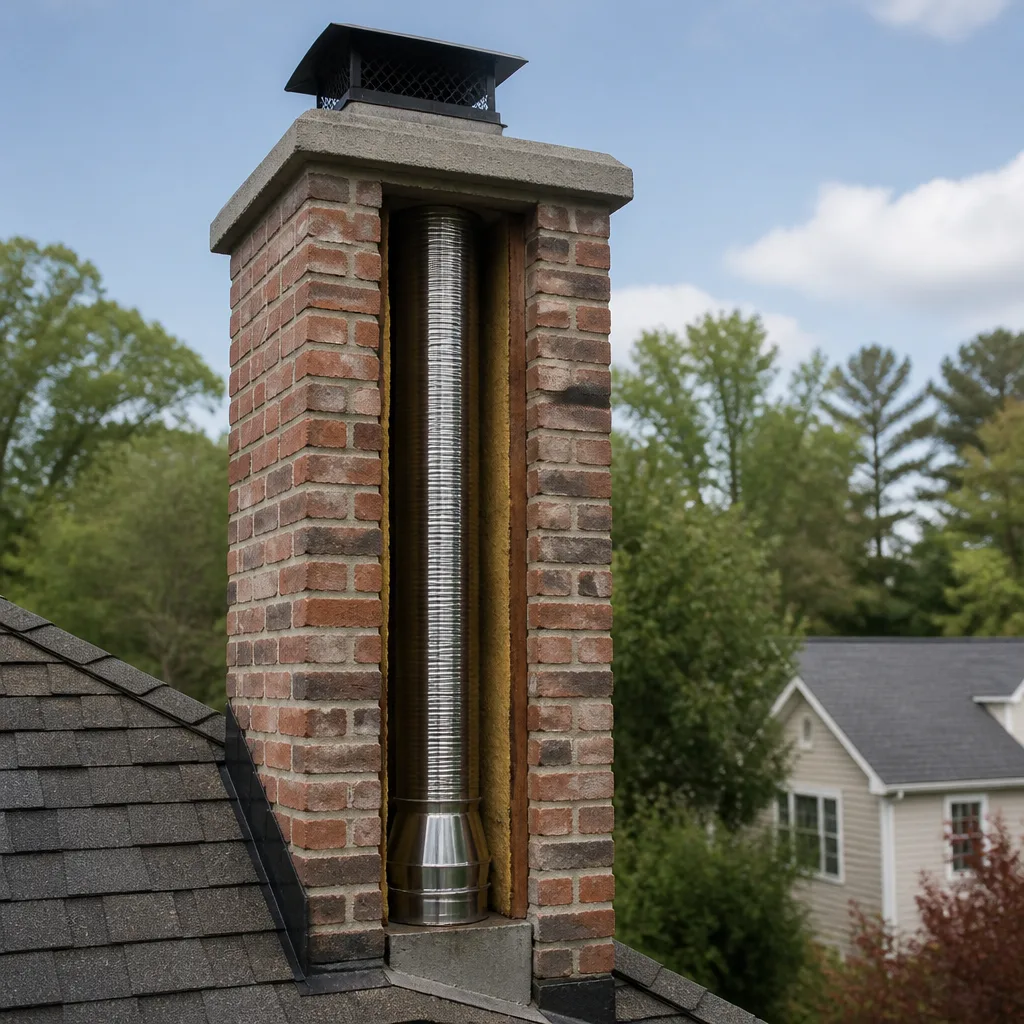 Flue relining
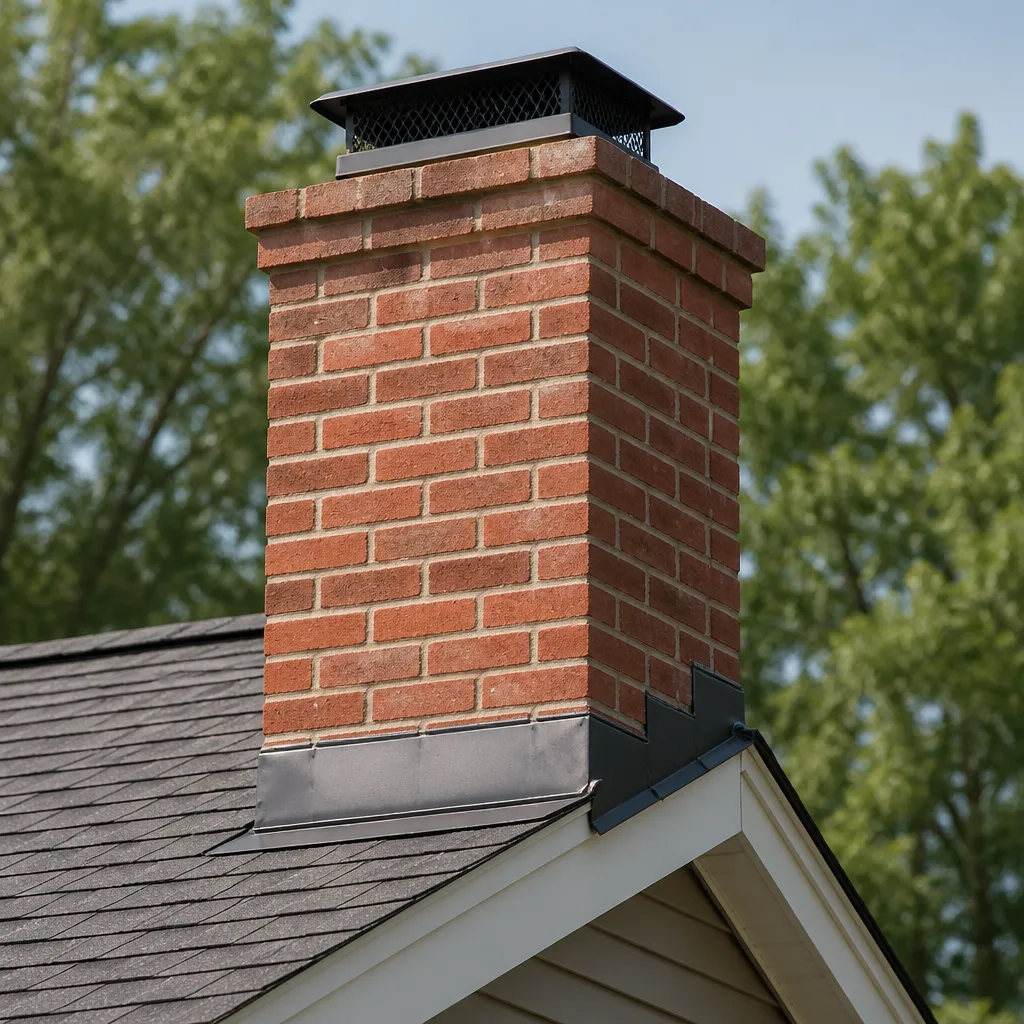 Masonry repair
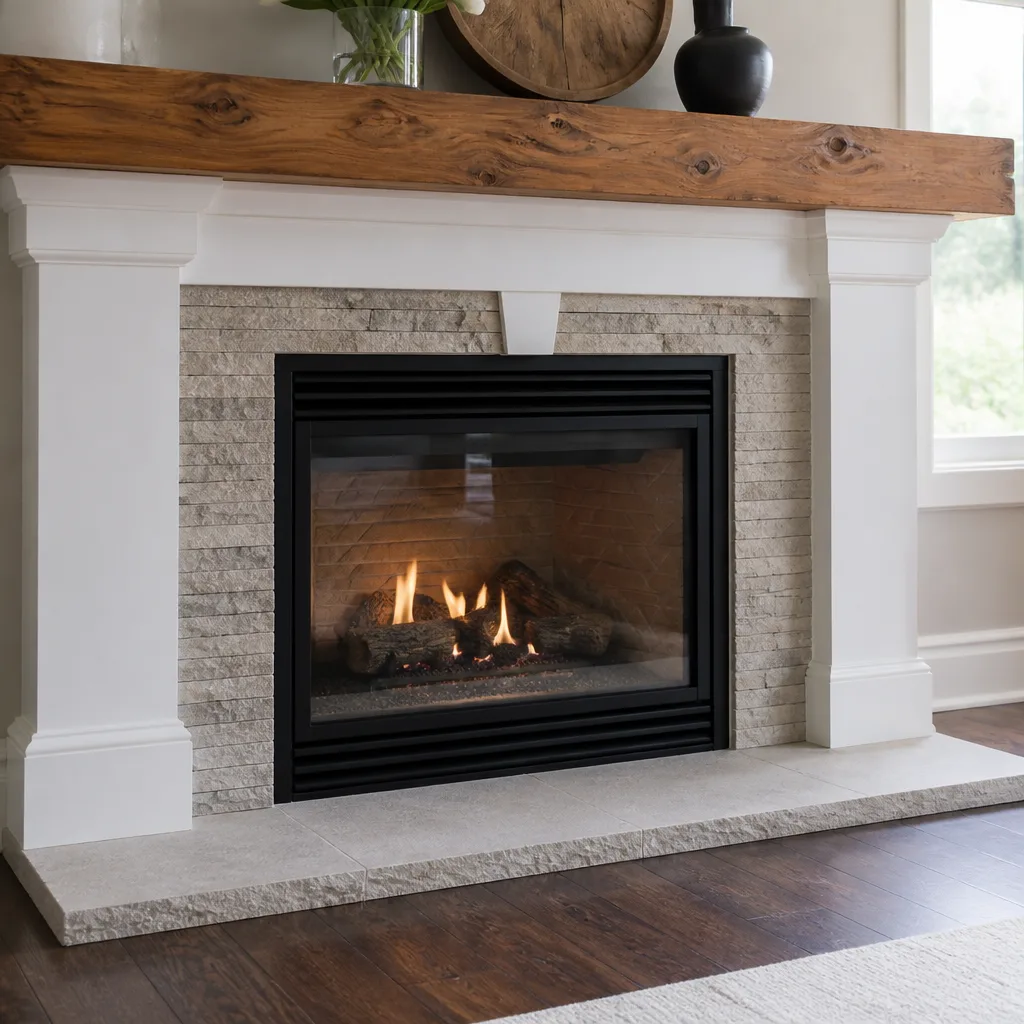 Gas fireplace service
Level 1 sweep and inspection to the NFPA 211 annual standard - flue, crown, cap, and flashing checked and photographed
Chimney sweep logs do not sweep chimneys. They loosen some creosote - which then falls where a brush and vacuum still have to collect it.
DIY vs Professional Chimney Cleaning: The West Jordan Homeowner’s Decision Guide
A chimney brush kit and a shop vac will get your firebox clean. They won’t touch the part that matters most. The smoke chamber above your damper is where glazed creosote builds fastest, and it’s invisible and unreachable without professional tools. That gap between “looks clean” and “is clean” is what this guide covers. We’ll walk through what a prepared homeowner can safely handle, what genuinely needs camera access and rotary equipment, and where the real costs and risks sit. If you heat with wood in West Jordan, the decision deserves more than a trip to the hardware store.
Quick Answer
A DIY chimney cleaning can handle light soot in a firebox and flue you can physically reach from the top or bottom. It cannot reliably clean the smoke chamber, liner interior, or connector pipe joints, which is where dangerous creosote concentrates. For most wood-burning homes, a professional sweep with camera inspection is the safer and more cost-effective choice once you factor in equipment, documentation, and insurance requirements.
Styles & brands we work with
- Sweep & inspection
- Caps & crowns
- Flue relining
- Masonry repair
- Gas fireplace service
Table of Contents
- What a Prepared DIYer Can Safely Clean (And What They Can’t)
- The Wrong-Part Problem: Why “Clean” Chimneys Still Burn
- The Equipment Cost Reality
- What Camera Access Reveals That a Flashlight Can’t
- Insurance, Warranty, and Documentation
- West Jordan Climate and Your Chimney
- What a Careful DIY Approach Actually Involves
- Common Mistakes to Avoid
- When to Call a Professional
- Frequently Asked Questions
What a Prepared DIYer Can Safely Clean (And What They Can’t)
We want to be fair to homeowners who want to try. Some portion of chimney maintenance is genuinely within reach if you’re careful and honest about your limitations. The trouble starts when people assume that cleaning what they can see equals cleaning the whole system.
Within reach for a careful homeowner
- Firebox walls and floor: Scraping soot and ash from the firebox after the fire is fully cold and the damper is closed off is low-risk and useful.
- Ash pit and ash cleanout: Emptying ash from a wood stove or fireplace with an ash dump is routine work.
- Damper operation and visual check: Confirming the damper opens, closes, and seats properly is something you can check from inside the firebox.
- Capping and screen condition: From the ground, you can look for a missing cap or torn spark screen.
- Surface rust and soot stains: Light cosmetic cleaning on accessible surfaces.
Requires professional tools and training
- Smoke chamber: The sloped area between the damper and the first flue tile. Creosote aggregates here because the abrupt change in direction slows smoke. It’s almost never fully visible from the firebox, and brushes alone rarely clean glazed deposits from it.
- Flue interior above the roofline: Complete liner cleaning needs proper rods and correctly sized brushes, run from the top with the right technique.
- Connector pipe joints on wood stoves: The horizontal or angled pipe between stove and thimble collects creosote at every seam. Disassembly is often needed for a real clean.
- Glazed, third-degree creosote: This hard, baked-on layer does not respond to brushing. It needs chemical treatment or rotary tools.
- Anything behind a factory-built liner shroud or offset: Camera access is the only way to see it.
The Wrong-Part Problem: Why “Clean” Chimneys Still Burn
The most dangerous chimney is the one that looks clean from the firebox. Soot at the bottom is easy to see and easy to remove. The buildup that causes chimney fires sits above the smoke shelf, in the smoke chamber, and along the upper flue. That’s the part most DIY cleanings miss entirely.
Here’s how that gap plays out. A homeowner sweeps the firebox, sees gray ash and light soot, and stands down for the season. Above their line of sight, a half-inch of glazed creosote has bonded to the smoke chamber walls. It’s dry, hard, and invisible. When a hot fire or a spark reaches it, that layer lights. The heat then damages the flue tiles, the mortar joints, and sometimes the surrounding framing.
We describe this not to worry anyone, but because it’s the central reason we don’t treat a DIY clean as equivalent to a professional one. The firebox is the part you can judge by eye. The dangerous part never is.
Glazed creosote is also a sign the chimney is burning inefficiently. Wet wood, a cold flue, and an undersized or oversized flue all stack up in that chamber. A camera inspection shows the layer and its thickness, and gives you something to act on. That’s true whether you live near the Jordan River or out toward the Oquirrh foothills in West Jordan.
The Equipment Cost Reality
An honest equipment comparison makes the DIY decision easier. A basic homeowner brush kit is cheap. A setup that actually cleans a full chimney, top to bottom, costs more than two professional visits.
- Rods: Flexible but stiff enough for a straight run. Cheap rods buckle in a flue offset; poly or nylon rods that won’t fail run into real money.
- Brush selection: A correctly sized brush for your flue dimension, plus a separate round brush for the smoke chamber neck. Buying the wrong size damages tiles.
- Drop cloths and HEPA shop vac: Standard shop vacs blow fine soot back into the room. A HEPA-rated vac with proper bags is a significant expense and still doesn’t seal the room the way professional containment does.
- Ladder and roof access: Getting to the crown safely is its own cost, and falls from ladders are a real risk. This is a job for a trained technician.
- Camera inspection setup: A flue camera with the light, articulation, and recording you’d need to actually see what’s happening above the damper easily costs more than several sweeps.
- Rotary and chemical tools: For glazed creosote, the tools and chemicals to safely remove it are out of reach for a one-time DIY project.
Put together, a complete professional-grade setup costs more than two sweeps, and you’d be using it once a year at most. Our chimney sweep service is set up so a technician arrives with all of it, along with the judgment to know which parts of your system need attention.
What Camera Access Reveals That a Flashlight Can’t
A flashlight shown up a flue tells you almost nothing about the condition of the liner. Cameras do. This is the part of the job we treat as a safety diagnostic, not a sales pitch.
- Liner interior condition: Cracks, gaps between tiles, and pitting at the joints are exposed.
- Smoke chamber geometry: We see the shape of the chamber and where creosote is aggregating.
- Offsets and bends: Hidden sections behind a wall or through a roofline offset are the ones most likely to hide a blockage.
- Connector pipe joints: For wood stoves, the camera shows buildup at the seams and confirms the pipe is seated.
- Bird nests and debris: Blockages from animals and leaves cause draft problems and carbon monoxide risk, and are often invisible from below.
- Crown and cap condition: Water intrusion starts at the top and works down, so it’s worth documenting.
An inspection is how we give you a straight answer about your system rather than guessing. Our chimney repair work starts from that evidence. If the liner is fine, we say so. If it needs relining, we show the footage and explain why. Nothing gets recommended without something you can see.
Insurance, Warranty, and Documentation
This is the consideration most DIY guides skip. Factory-built fireplaces and stoves often carry manufacturer warranties that require documented professional service. Homeowner’s insurance can also push back on a chimney fire claim if there’s no service record.
- Manufacturer warranty: Many factory-built fireplace warranties require professional service and inspection records. A self-performed clean leaves you with no paper trail if a component fails.
- Insurance claims: After a chimney fire, insurers look for evidence the chimney was maintained. If the last documented service was a sweep you did yourself, that evidence doesn’t exist. The claim may still be covered but the process is harder.
- Home sale and inspection: Buyers and their inspectors want to see service records. A dated report from a chimney specialist carries weight a homeowner’s word doesn’t.
- Resale disclosure: If you sell a home in West Jordan and a chimney fire goes on the disclosure, documented maintenance is your strongest defense.
The documentation point cuts both ways. You may want to DIY precisely because you don’t trust a contractor to be honest. That’s a fair concern, which is why we make everything visible. Our reports are written to stand on their own: photos, camera footage, and clear findings.
West Jordan Climate and Your Chimney
West Jordan sits in the Salt Lake Valley, and the valley’s winters shape how much creosote your chimney produces. Wood smoke from a slow, cool fire builds up faster than from a hot one, and the valley’s cold-air inversions are a real reason people run their stoves low and long.
Add to that the housing stock. Much of West Jordan’s older housing was built for wood heat, and many of those chimneys were designed for a level of use that no longer matches modern burn practices. A masonry chimney that served a wood-burning household may now serve a fireplace used a few times a week and a damp chimney that cools every time the fire dies.
Then there’s the dry climate. The hot, dry summers here work on the crown and mortar joints, and winter moisture freeze-thaw cycles open small cracks. Those cracks let water in, which weakens the structure and shortens the life of a liner. A yearly inspection from a company that works in West Jordan every season is worth more than a yearly sweep alone.
We work with professional-grade liner materials, including HeatShield and DuraFlex, because repairs here need to hold up to that cycle. The right liner, installed right, is what keeps water and heat where they belong.
What a Careful DIY Approach Actually Involves
If you’re going to do some of this work, do it in the right order. These steps are for the accessible parts of the system only. Anything that involves height, glazed creosote, or the smoke chamber belongs to a professional.
- Confirm the chimney is cold. Wait at least a full day after the last fire. Ash and soot hold heat longer than you’d expect.
- Cover the fireplace opening and the room. Use drop cloths and tape down the edges. Soot travels further than you think.
- Seal the firebox with plastic sheeting. Cut a small opening for the brush or vacuum hose and tape it around the edge.
- Clean the firebox and ash pit. Use a stiff brush and your HEPA vacuum, not a standard shop vac.
- Check the damper and smoke shelf. Look up from below with a strong flashlight. If you can’t see a clean smoke chamber, stop here.
- Assess the smoke chamber and flue from the top, if you have safe roof access. If you don’t, that’s a solid reason to call a professional.
- Before you light your next fire, look again. Have a professional inspect the system, at least the first time, so you know the full picture.
Those last two steps are the honest ones. The cleaning is achievable; the verification isn’t. Our technicians have up to 8 years of experience and know what to look for in the parts you can’t reach.
Common Mistakes to Avoid
- Cleaning only what you can see. If you can see the top of the firebox, you’ve cleaned the easy part. The smoke chamber will still be full of glazed creosote and you won’t know it. This is the single biggest reason DIY cleanings fall short in West Jordan homes.
- Using a standard shop vac. Regular shop vacs recirculate fine soot into the air, and some models have motors that aren’t rated for extremely fine ash. A HEPA-rated vac with the right bags is the minimum.
- Buying the wrong brush size. A brush too large for the flue scrubs and damages the tile liner. A brush too small never touches the walls. Both problems are common and neither is visible from the firebox.
- Skipping the connector pipe on a wood stove. Creosote builds at every joint of the stove pipe. If you don’t remove and clean the horizontal run, that’s where the fire starts.
- Burning wet wood, then blaming the chimney. Wood with high moisture content produces far more creosote. Season your wood and check it before you burn, especially given the valley’s damp-cold stretches.
- Cleaning the chimney but not the crown. A cracked crown lets water into the flue. Water destroys liner joints, and no amount of sweeping prevents it.
- Assuming a screen and cap are optional. A missing cap is how birds get in, and a blockage is a carbon monoxide hazard. We use Famco and Copperfield products for exactly this reason: attention to venting and accessory details protects the whole system.
When to Call a Professional
Call a professional when any of these apply: you can’t safely access the roof, you see glazed or tar-like deposits on any visible surface, your wood stove connector pipe hasn’t been cleaned in a season, you’ve noticed smoke backing up into the room, or you’ve moved into a home in West Jordan without documentation of the last sweep. Also call if you’ve never had a camera inspection and don’t know the condition of the liner.
We know the decision is really about trust. Our full service covers sweep, repair, and inspection from one company, so you don’t end up coordinating between a sweep and a mason who blame each other. We work with professional-grade liner materials, including HeatShield and DuraFlex, for jobs that go beyond routine cleaning. Chimney Sweep West Jordan offers free estimates in West Jordan, and you can reach us at (877) 404-8451. We tell you what your chimney actually needs, including when it can safely wait.
Frequently Asked Questions
It’s safe to clean the accessible parts: firebox, ash pit, and visible soot when the chimney is fully cold. It is not safe or effective to try to clean the smoke chamber, flue interior above the roofline, or glazed creosote without the right tools and training. Roof access alone makes full DIY cleaning a risk most homeowners shouldn’t take.
You need professional cleaning when you hit any of these signs: glazed or tar-like deposits, a strong creosote smell, smoke backing up, soot falling into the firebox, or a full season of heavy wood burning. In West Jordan’s climate, with long valley winters, annual inspection is a reasonable baseline. Call (877) 404-8451 for an exact assessment: estimates are free.
Cleaning only the firebox is not a complete cleaning and can be actively misleading because the chimney can look clean from the firebox while dangerous creosote builds above the smoke shelf. That upper section is where chimney fires start, so a firebox-only clean gives a false sense of safety.
No. Professional-grade brushes, rods, HEPA containment, and camera equipment cost more than two professional visits, and you’d use them once a year. A basic homeowner kit is cheaper but doesn’t reach the smoke chamber or inspect the liner. Prices vary by chimney, so call (877) 404-8451 for an exact quote: estimates are free.
Many insurers look for documentation of maintenance after a chimney fire, and many factory-built fireplace warranties require documented professional service. A self-performed clean leaves no records. Ask your insurer directly what they expect, then keep any professional inspection and sweep reports on file.
That’s fine, and it’s not wasted effort. The important next step is a professional inspection to check the parts you couldn’t reach: smoke chamber, liner interior, and connector pipe joints. A camera inspection will tell you whether the cleaning was effective, and we’ll say plainly when a sweep can wait until next season.
The Bottom Line
DIY chimney cleaning isn’t inherently irresponsible. It’s just frequently performed on the wrong part of the system. The firebox is simple and safe. The smoke chamber and liner are the parts that matter, and they’re invisible without camera access, rotary tools, or chemical treatment. Equipment costs, insurance documentation, warranty requirements, and West Jordan’s cold, damp winters all point the same direction: a professional sweep and inspection is the practical choice for most wood-burning homes. Get the honest condition report first, then decide what work can wait and what can’t.
Call (877) 404-8451 for a free estimate. We answer 24/7. Fast dispatch from 7am to 7pm, Sunday through Friday.
Written by the team at Chimney Sweep West Jordan.
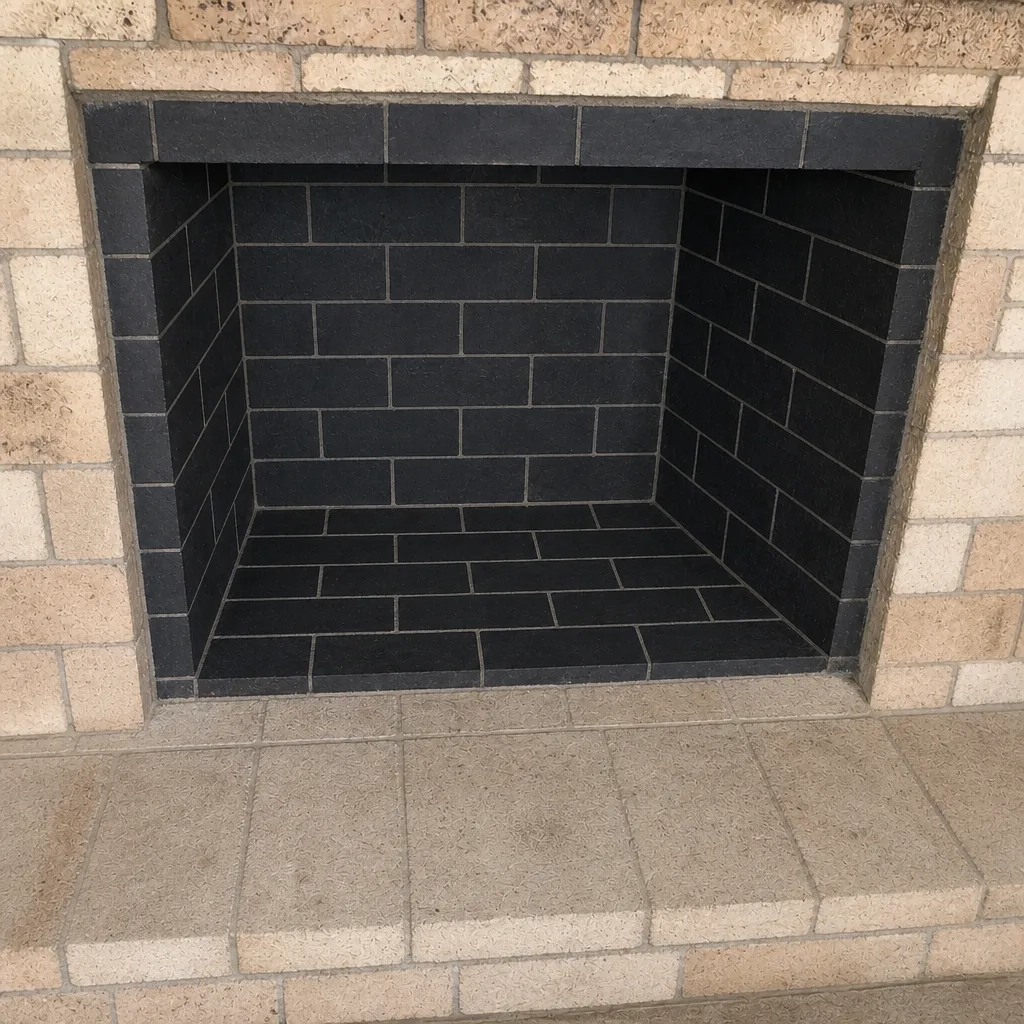
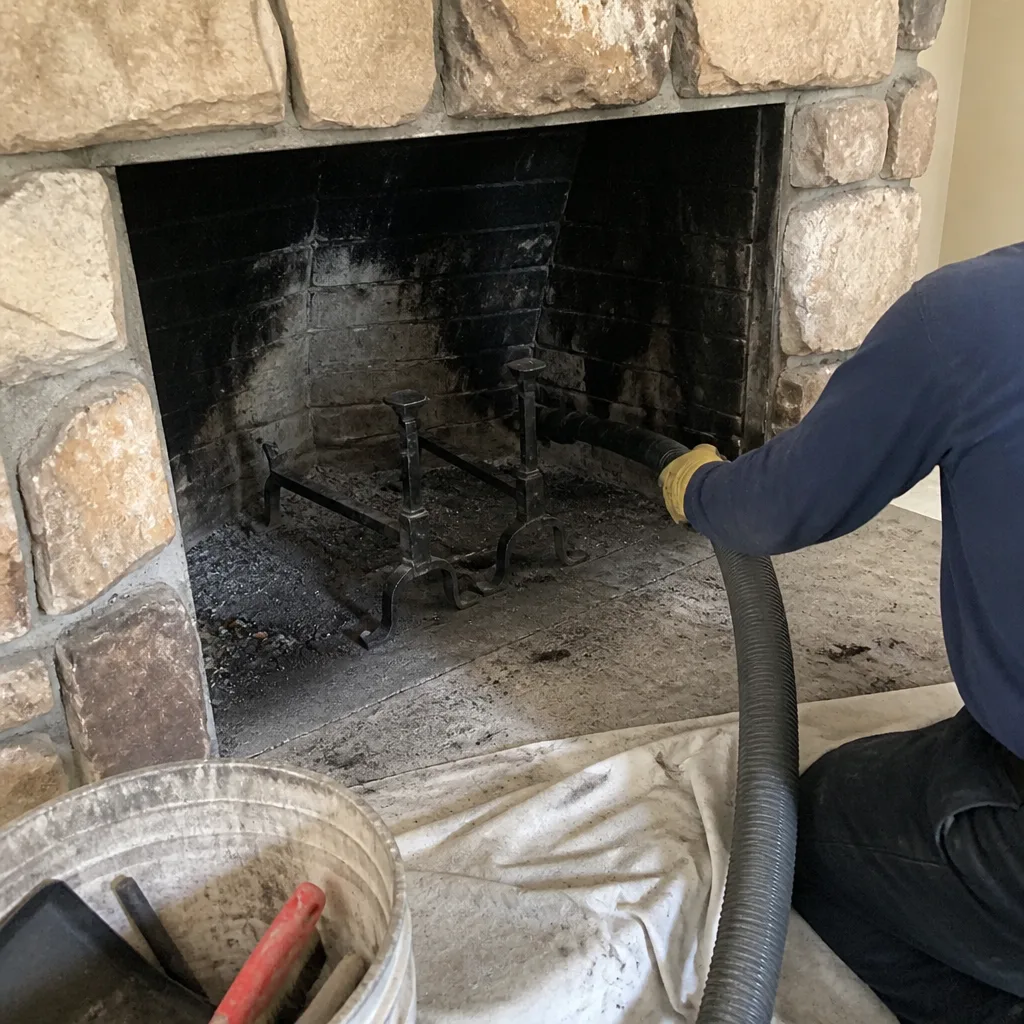
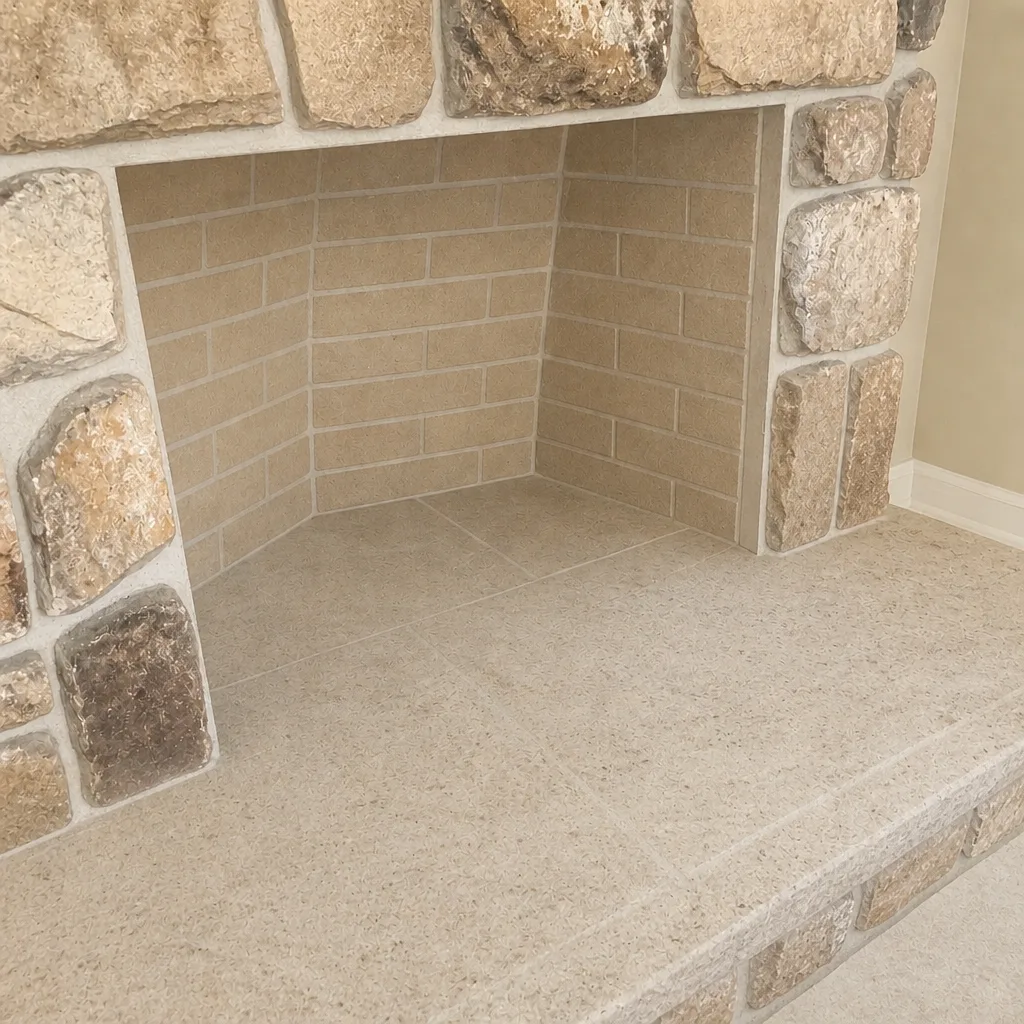
See the difference
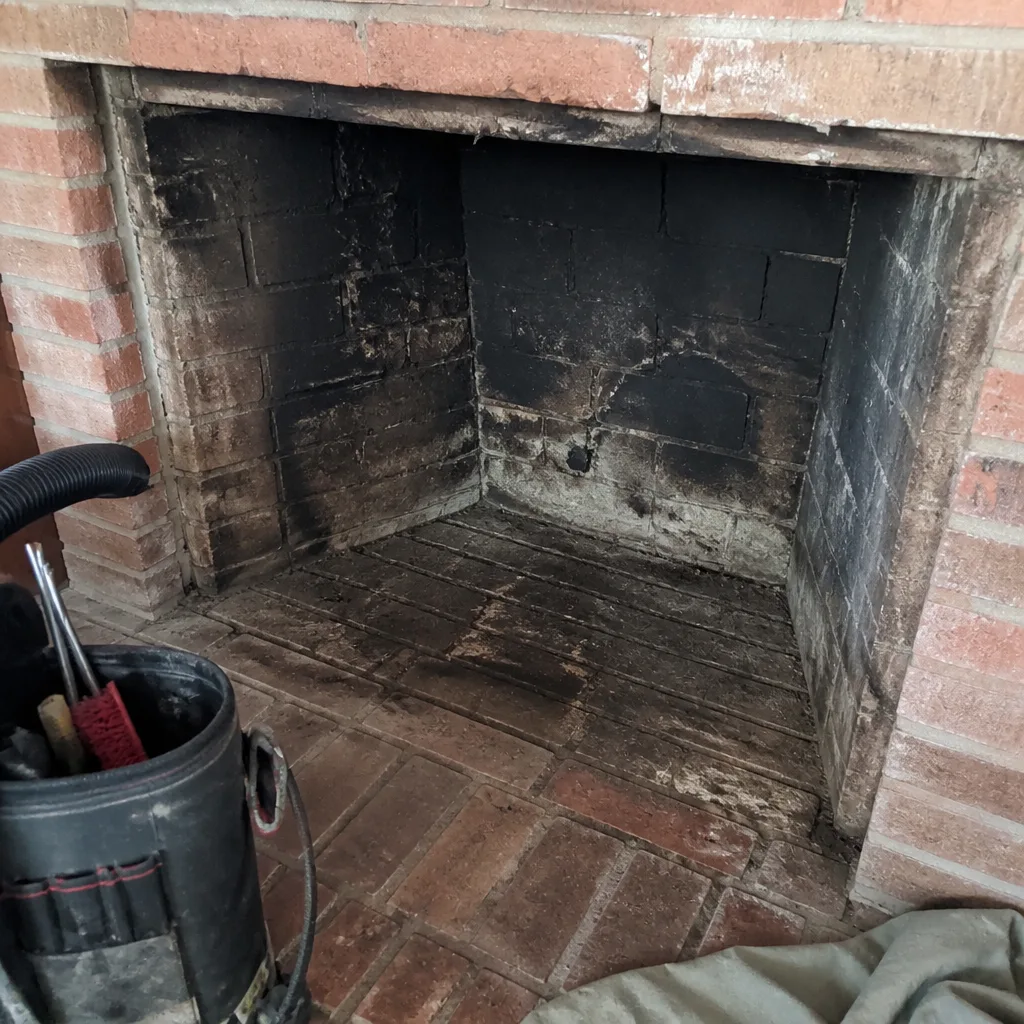 Before
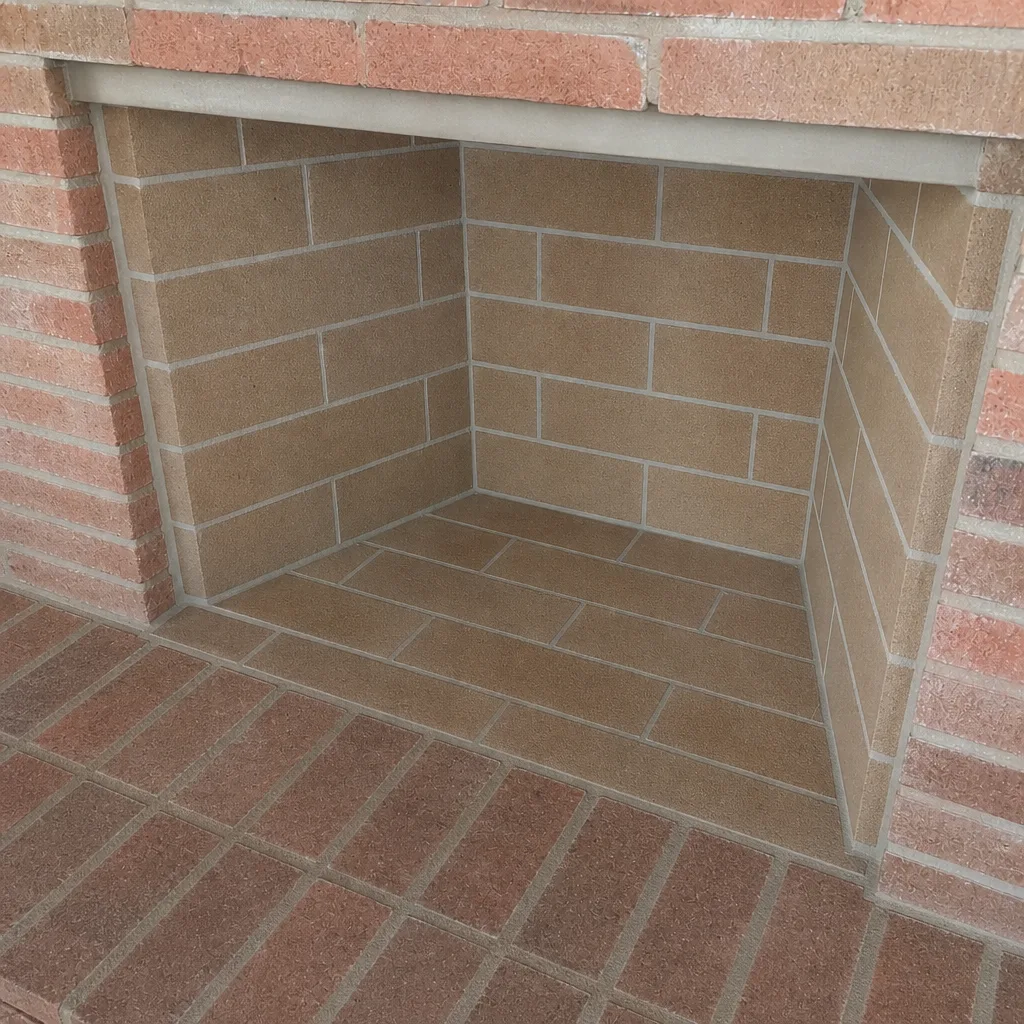 After
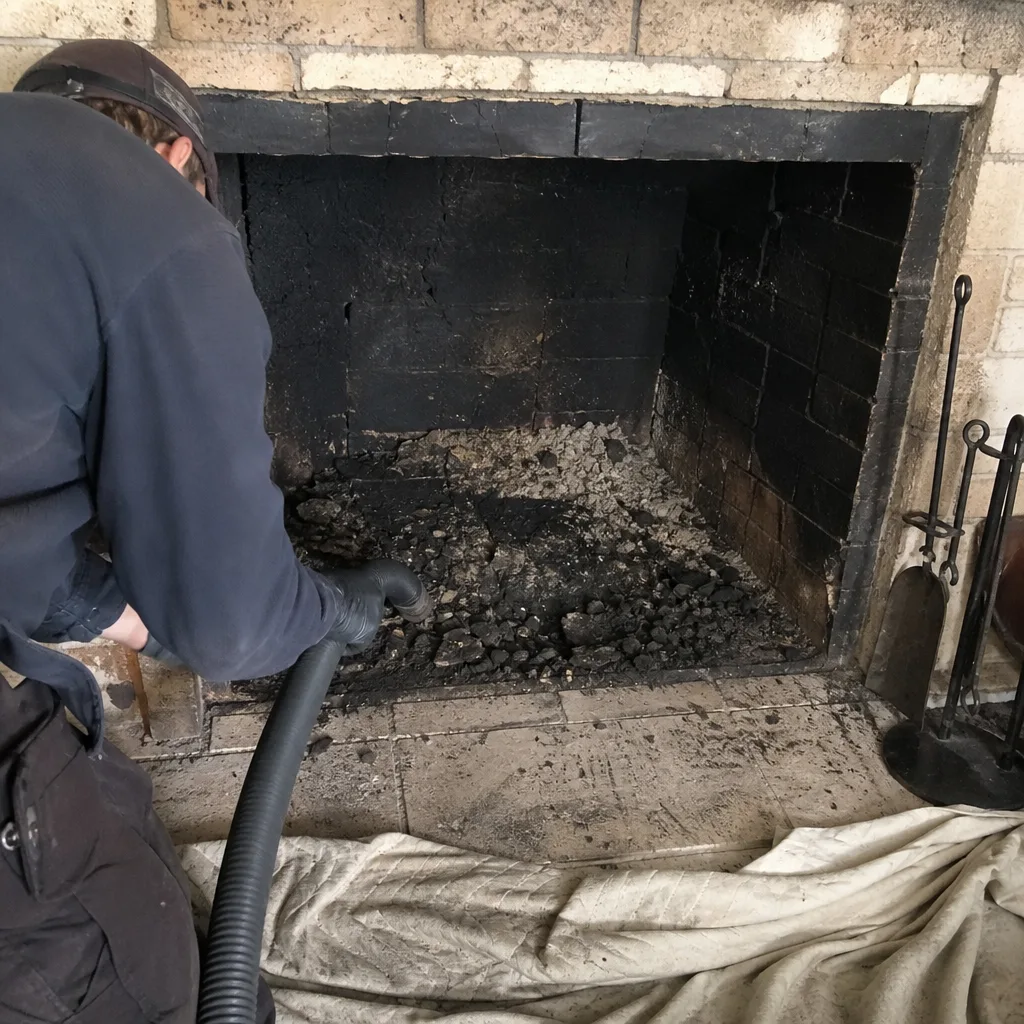 Before
 After
 Before
 After