
Last updated November 16, 2026
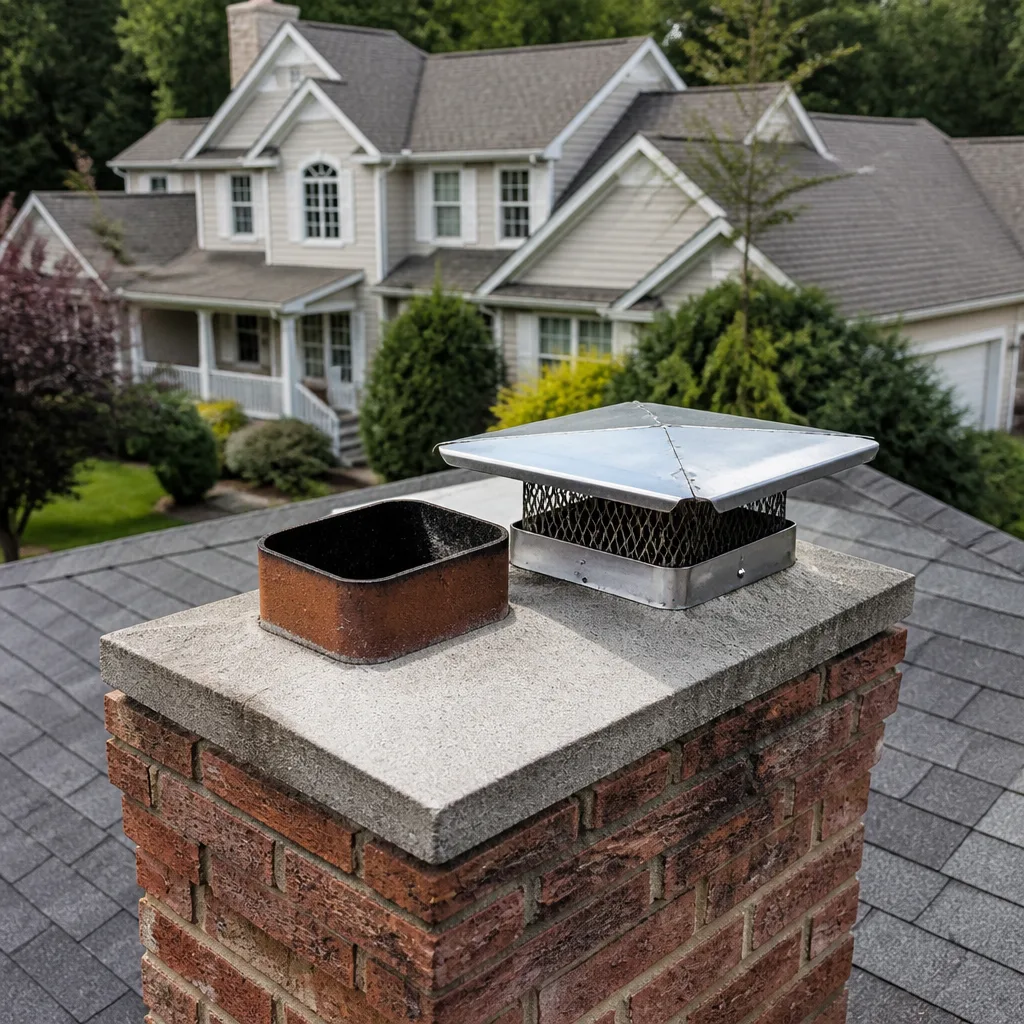 Sweep & inspection
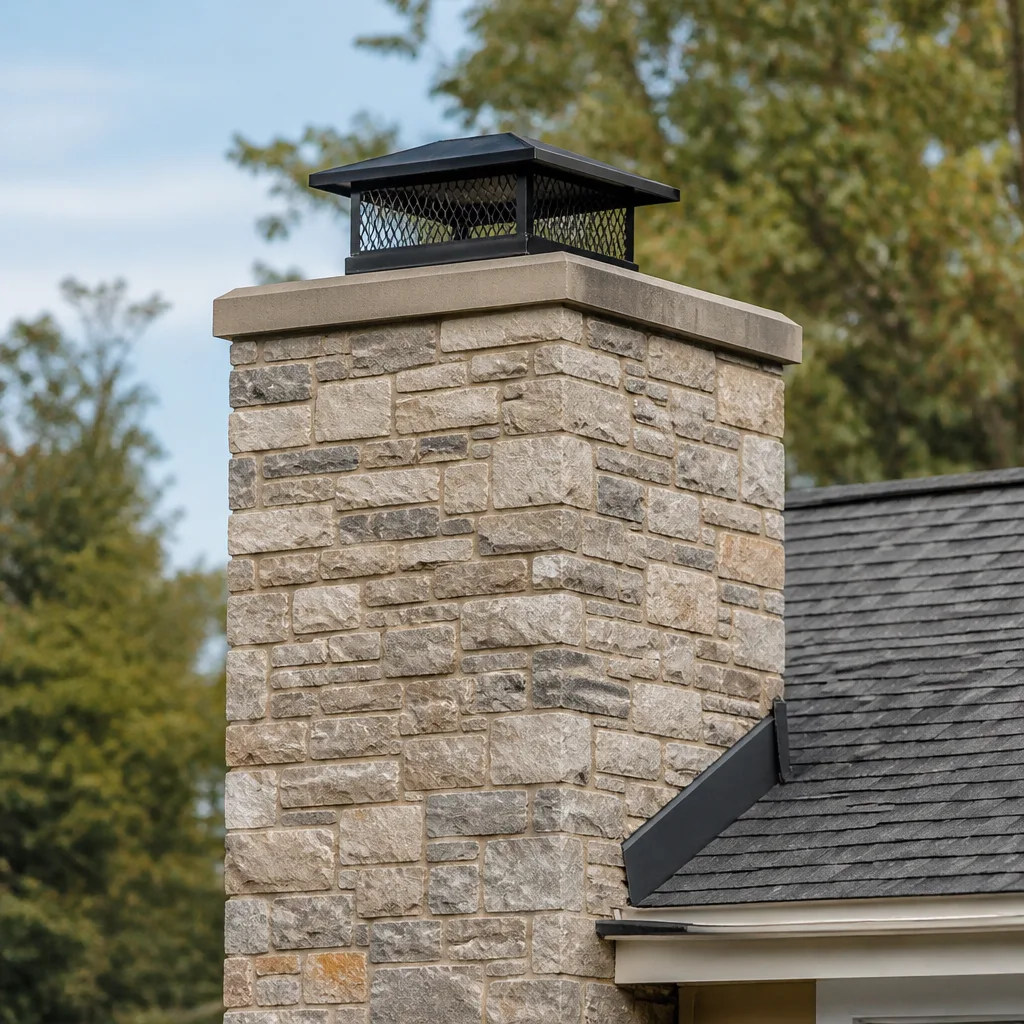 Caps & crowns
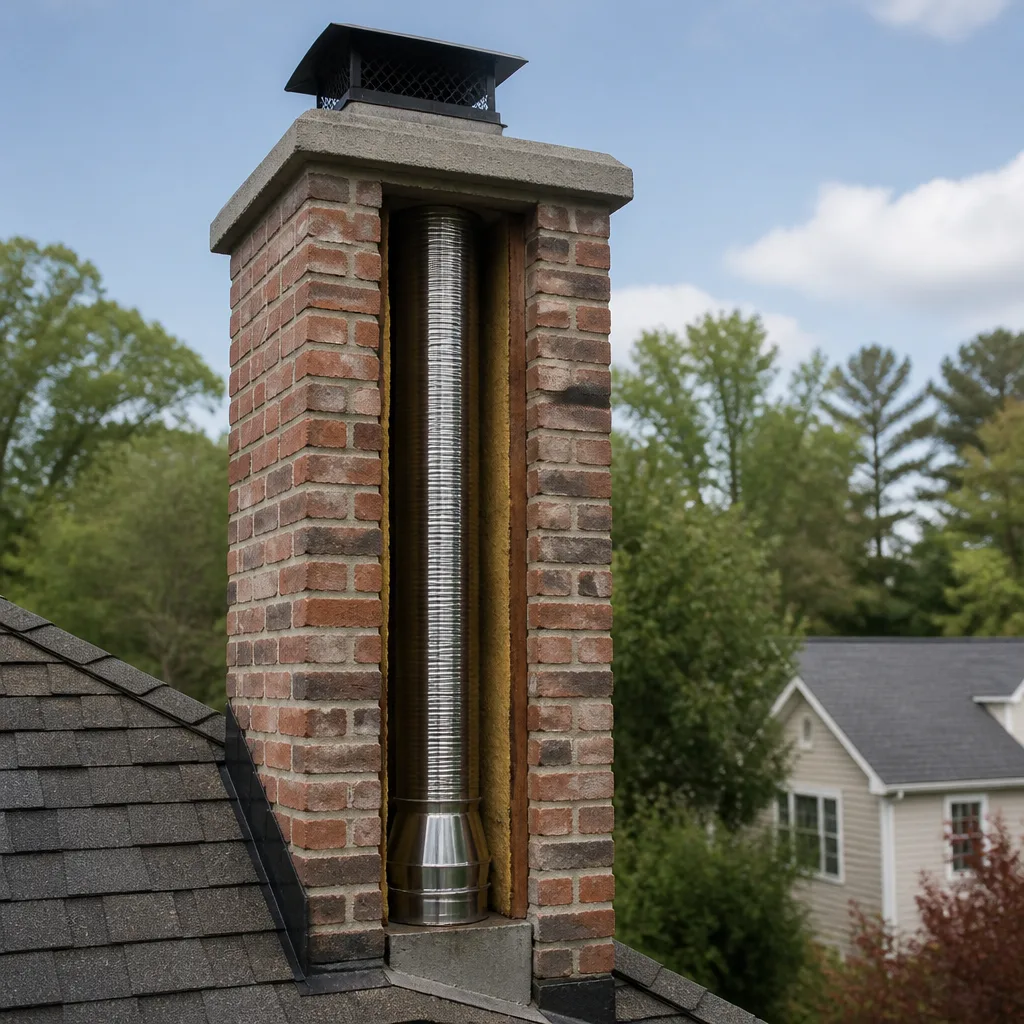 Flue relining
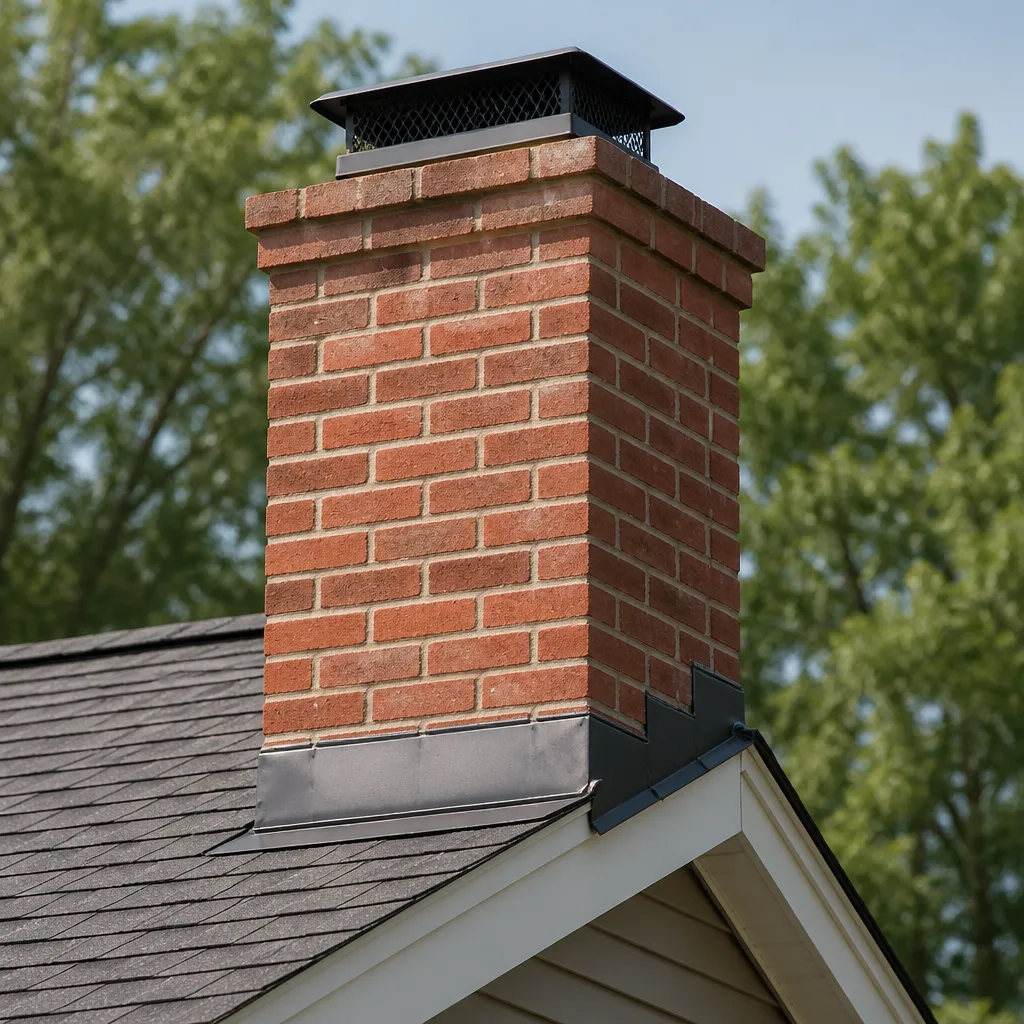 Masonry repair
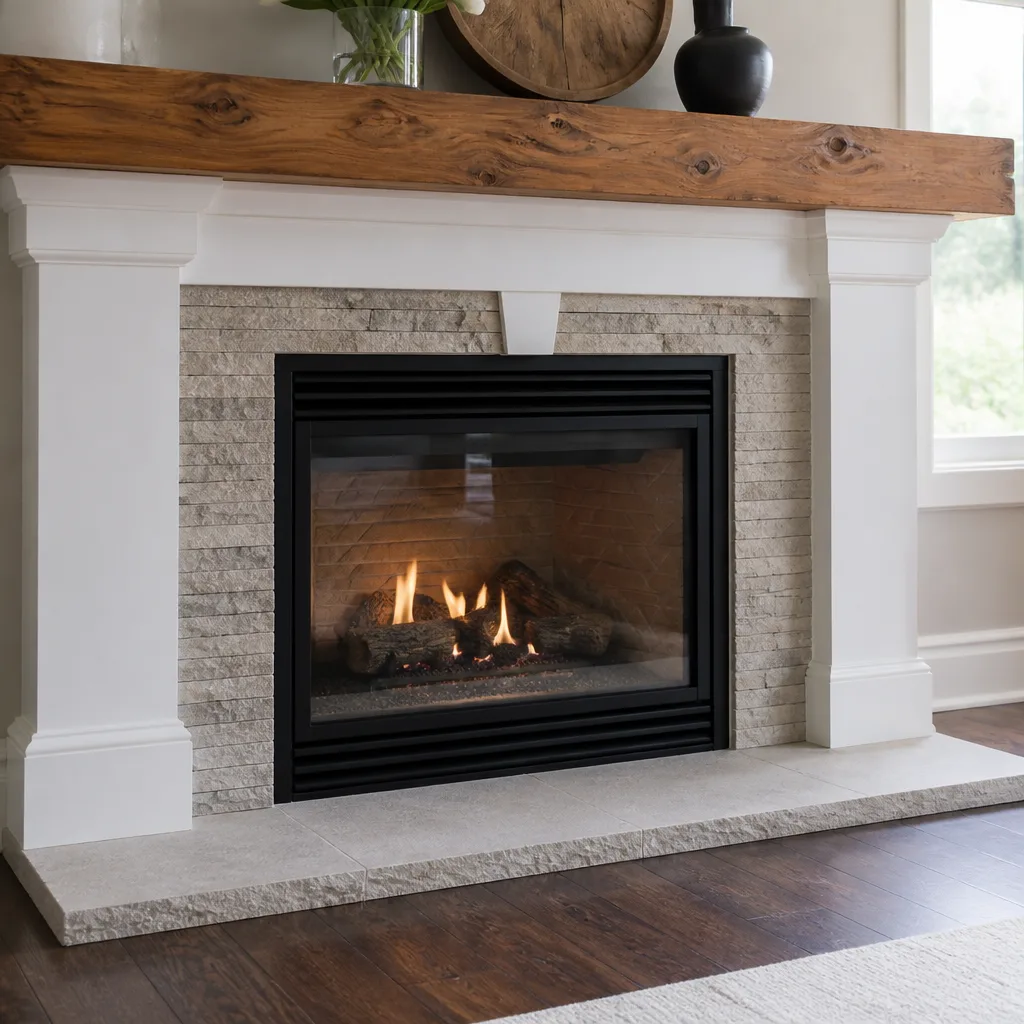 Gas fireplace service
Level 1 sweep and inspection to the NFPA 211 annual standard - flue, crown, cap, and flashing checked and photographed
Chimney sweep logs do not sweep chimneys. They loosen some creosote - which then falls where a brush and vacuum still have to collect it.
Choosing the Right Chimney Cleaning Brand: A Buyer’s Guide for West Jordan
Ask most homeowners in West Jordan what brand of creosote remover their sweep applied last fall and you’ll usually get a shrug. That’s a telling answer. A technician who can’t name the product they’re putting in your flue, or the liner system they’re proposing for your chimney, is working from whatever sits on the hardware-store shelf. That tells you something specific about quality control. The brands a chimney professional specifies are not a marketing detail – they’re a signal of how carefully the whole job is run. This guide walks you through the professional-grade brands in chimney care, what each category does, how liner selection actually works, and the exact questions that separate a specialist with real supplier relationships from a generalist picking up retail products on the way to your house.
Quick Answer
The right chimney cleaning and repair brands are the professional-grade products specified by trained sweeps – manufacturers like HeatShield, Gelco, Olympia Chimney, Famco, and Copperfield – not generic retail substitutes. In West Jordan, matching the brand to the job matters most for liner systems, where flexible and rigid products solve different structural problems. Ask any contractor which brands they stock and why; the answer separates specialists from generalists faster than any credential.
Styles & brands we work with
- Sweep & inspection
- Caps & crowns
- Flue relining
- Masonry repair
- Gas fireplace service
Table of Contents
- What Are the Recognized Professional Brands in Chimney Care?
- What Category Does Each Brand Serve, and Why Does It Matter?
- What Does “Chimney Liner” Brand Selection Actually Mean for West Jordan Homes?
- Flexible vs. Rigid Relining: Which Conditions Each Product Is Designed For
- How Do You Ask a Contractor About Their Product Sourcing?
- What Do CSIA, NCSG, and NFI Signal About a Company?
- Why Brand Choice Matters for Warranties and Insurance Claims
- How to Evaluate Credentials and Brands Together
What Are the Recognized Professional Brands in Chimney Care?
The chimney trade has a defined set of manufacturers that trained professionals specify because their products are engineered for the conditions a chimney actually creates – high heat, creosote exposure, acidic condensate, and constant thermal cycling. These aren’t household names the way appliance brands are, but they show up on the job every day in professional chimney work.
Here are the core brands and what area of the trade each is known for:
- HeatShield – a ceramic-based resurfacing system used to repair damaged flue tiles from the inside without a full tear-out. It restores a smooth, sealed flue surface.
- DuraFlex – flexible stainless steel liner systems, the standard for relining a chimney where the flue has failed or is undersized.
- Gelco – chimney caps, crowns, and accessory products that protect the top of the system from water and animal intrusion.
- Olympia Chimney – liner systems, venting, and related components used in both repair and new installation work.
- Famco – venting and capping products that address airflow and top-of-chimney protection.
- Copperfield – chimney caps and venting accessories, often chosen for the finishing details that keep a system sealed.
Why does this matter to a homeowner in West Jordan? Because a professional who specifies these brands has made a deliberate choice. These products are engineered to specific standards, backed by manufacturer documentation, and chosen by CSIA-trained technicians across the country. A sweep who reaches for whatever’s cheapest or easiest is making a different, less careful choice. When we talk about “the brands professionals trust,” this is what that means in practice – not a slogan, but a concrete list of manufacturers whose products behave predictably because they were built for this work.
The catalog matters because chimney systems are assemblies, not single products. A liner, a cap, a crown, and venting all need to work together. Recognizing the brand behind each component is the first step in evaluating whether a repair will hold up.
What Category Does Each Brand Serve, and Why Does It Matter?
Chimney care breaks into a few functional categories, and understanding them helps you read a contractor’s proposal with a sharper eye. Each category solves a distinct problem, and the brand within it should match the task.
- Cleaning and creosote treatment – products that break down and remove creosote buildup so a sweep can clear the flue safely. This is the routine-maintenance layer.
- Resurfacing and restoration – ceramic and coating systems (like HeatShield) that repair cracked or spalled flue tiles without removing them.
- Relining – stainless steel flexible and rigid liner systems (like DuraFlex and Olympia Chimney) that give a failing flue a new, correctly sized interior surface.
- Protection and accessories – caps, crowns, and venting (like Gelco, Famco, and Copperfield) that seal the top of the system and manage airflow.
- Inspection support – camera equipment and diagnostic tools that let a sweep actually see the flue interior before recommending anything.
A specialized company handles all five of these, which is why working with one provider for sweep, repair, and inspection removes the coordination gap. When the person cleaning your flue is also the one who inspects and repairs it, no one hands off a half-finished job to the next contractor. In West Jordan, that continuity matters because a lot of the housing stock has chimneys that are old enough to need more than a routine sweep – and the diagnosis and the repair shouldn’t live with two different companies.
Here’s the practical point: if a contractor’s proposal names a brand but can’t explain which category it belongs to or why it’s the right choice for your flue, that’s a red flag. The brand should connect to a specific problem. A cap recommendation should name the cap brand and why it fits your crown. A relining proposal should name the liner system and explain the sizing. That’s how you can tell a professional is working from product knowledge rather than a price sheet.
What Does “Chimney Liner” Brand Selection Actually Mean for West Jordan Homes?
A chimney liner is the inner surface that contains the smoke, heat, and gases as they travel up and out of your home. When that liner fails, the chimney stops doing its most important job safely. Brand selection for a liner is not a cosmetic choice – it determines whether the new system is correctly sized, properly rated for the appliance it serves, and documented for the future.
In West Jordan, the specific driver is the combination of wood-burning appliances and older homes. A lot of the housing was built decades ago, when liners were often installed at a different standard than today. Those flues can be cracked, deteriorated, or simply undersized for a modern wood stove or insert. When that happens, the choice between a flexible liner system and a rigid relining product is the core decision.
What brand selection actually controls:
- Sizing accuracy – a properly specified liner matches the appliance’s venting requirement, not just the existing flue dimensions.
- Material and temperature rating – recognized liner manufacturers publish ratings; generic products often don’t.
- Installation compatibility – a liner system is designed to be installed a certain way, and mixes of incompatible components create weak points.
- Documentation – manufacturer literature is what you or a future owner can point to when the repair is questioned.
This is where capability shows. A company that works with HeatShield and DuraFlex liner capabilities can handle complex relining and restoration, not just surface-level sweeping. A ceramic resurfacing system can repair tiles that are damaged but still structurally sound; a flexible liner system is the answer when the flue itself has to be re-established. Knowing which one your chimney needs is the professional judgment that a generalist handyman simply doesn’t bring. The right liner, installed right, is a decades-long decision – and it should be made by someone who works with the actual liner brands every week.
Flexible vs. Rigid Relining: Which Conditions Each Product Is Designed For
Most West Jordan homes that need relining will be dealing with one of two product types, and the conditions that call for each are different. Flexible liner systems are the more common solution in residential work. Rigid relining products are used when the geometry or the demand calls for a more structural approach.
Flexible liner systems are designed for:
- Chimneys with offsets, bends, or irregular flue paths that a rigid product can’t follow.
- Residential flues where the existing masonry chase is intact but the interior tile is failing.
- Wood stoves and inserts that need a correctly sized stainless liner dropped through the existing flue.
- Installations where minimizing disruption to the masonry is a priority.
Rigid relining products are designed for:
- Straight flues where a sectional rigid liner can be installed cleanly.
- Situations that call for more structural rigidity or specific venting configurations.
- Larger appliances or commercial-adjacent setups with different venting demands.
The decision between them is not a preference – it follows from what the chimney looks like inside. That’s why a camera inspection comes before any relining recommendation. We don’t specify a liner brand until we’ve seen the flue. Gelco and Olympia Chimney products are part of the sourcing side of this work, and the sizing decisions they support are the difference between a liner that vents correctly and one that doesn’t.
One more practical note for West Jordan: our dry summers and cold winters put a chimney through real thermal cycling over the year. A correctly specified, branded liner is built for that stress. A generic liner that was never engineered for the temperature swings of a high-desert climate may not be. When a contractor tells you the brand they’re using and why it was chosen for your conditions, they’re giving you a piece of evidence you can actually evaluate.
How Do You Ask a Contractor About Their Product Sourcing?
You don’t need to become a chimney expert to evaluate a contractor’s product knowledge. You need to ask a few direct questions and listen to how the answer lands. A professional with established supplier relationships answers easily and specifically. A generalist gets vague.
Ask these, and pay attention to the difference between a clear answer and a generic one:
- “Which brands do you use for liners, and why?” – A specialist names specific systems and explains the sizing and material logic. A generalist says “we use good stuff.”
- “Where do you buy your products?” – A professional has a supplier relationship with a recognized manufacturer or distributor. Someone buying retail is telling you something.
- “What brand of cap or crown are you recommending, and what does it protect?” – The answer should connect the brand to the job it does (water, animals, airflow).
- “Will I get manufacturer documentation with the repair?” – Recognized brands come with literature, ratings, and warranty paperwork. Ask for it.
- “Can you show me the flue on camera before recommending anything?” – The answer separates a professional who diagnoses from one who estimates from the ladder.
These questions work because they’re hard to fake. A person who works with professional-grade products every day can talk about them the way a mechanic talks about parts. A person who doesn’t will answer in generalities. The conversation itself tells you which one you’re dealing with.
At Chimney Sweep West Jordan, we work with the brands professionals trust – HeatShield, DuraFlex, Gelco, Olympia Chimney, Famco, and Copperfield – and we’re comfortable being asked why each one is specified. That’s the standard you should hold any contractor to, whether you work with us or not. If you want to see how that conversation goes, you can reach a chimney specialist in West Jordan who will walk you through the product decisions on your own chimney.
What Do CSIA, NCSG, and NFI Signal About a Company?
Industry associations are not just badges on a website. Each one represents a different commitment to staying current with product and technique standards, and together they tell you whether a company is actively part of the professional conversation or just borrowing the vocabulary.
- CSIA (Chimney Safety Institute of America) – the body that trains and certifies chimney sweeps. A CSIA-trained technician has been taught to industry standards, including how to evaluate and specify recognized products. When someone mentions CSIA training, they’re signaling exposure to the same materials used by trained professionals nationwide.
- NCSG (National Chimney Sweep Guild) – the trade guild for the industry. Membership means a company is connected to a network that shares product updates, safety bulletins, and best practices.
- NFI (National Fireplace Institute) – the certification body for hearth appliance installation and venting. NFI training is specifically relevant to liner sizing and appliance venting, which is exactly the product decision that matters most in relining work.
What these signals tell you is that a company is plugged into a professional ecosystem where product standards evolve and get communicated. A sweep who stays current with the guild and the certification bodies knows when a product line changes, when a rating standard updates, and when a new material becomes the right specification for a job. A generalist who doesn’t belong to any of these has no such channel. Their product knowledge is whatever the last trip to the store taught them.
These associations don’t replace brand knowledge – they complement it. A specialist who belongs to the professional ecosystem and specifies recognized brands is working with current, documented products. That’s the combination to look for in West Jordan, especially on older homes where the wrong product decision can be expensive to undo.
Why Brand Choice Matters for Warranties and Insurance Claims
When a chimney repair is involved, the brand of the product installed becomes part of your home’s documentation. That’s not a minor point. If the repair is ever questioned – by a future buyer, an inspector, or an insurance adjuster – the manufacturer’s literature and the recognized brand behind the product are what support the work.
Here’s how it plays out:
- Warranty coverage – recognized manufacturers back their products with documented warranties. Generic or unbranded materials often carry no such support, which means the repair rests entirely on the installer’s word.
- Insurance claims – if a chimney-related loss ever comes up, an adjuster will ask what was installed and when. A branded product with manufacturer documentation is far easier to substantiate than an unlabeled one.
- Future sale – a home with a documented, brand-specific liner installation is easier to stand behind than one with an unknown repair. That paper trail has real value.
- Accountability – when a product comes with a manufacturer behind it, there’s a second layer of accountability beyond the contractor.
This is why “the right liner, installed right” is not just a slogan about craftsmanship. It’s about a repair that can be defended on paper as well as in practice. A West Jordan homeowner who pays for relining deserves the documentation that goes with a recognized brand, not a receipt for materials of unknown origin.
The same logic applies to smaller work. A cap from a recognized manufacturer, a crown repair done with the right product, a resurfacing job with documented materials – each adds a piece to the record. Over the life of a chimney, that record is what distinguishes a well-maintained system from one with a vague repair history. When we recommend chimney repair, the brand specification is part of the recommendation, not an afterthought.
How to Evaluate Credentials and Brands Together
The most reliable way to judge a chimney contractor in West Jordan is to look at two things at once: their credentials and their product choices. Either one alone can be misleading. A credential without the right products is bookkeeping. The right products without credentials is luck. Together they tell a coherent story.
Use this checklist when you talk to a contractor:
- Ask which brands they use for cleaning products, resurfacing, relining, and accessories. Note whether the answers are specific.
- Ask about training and association membership – CSIA, NCSG, NFI. A specialist should be able to speak to this comfortably.
- Ask how they decide which product to recommend – the answer should involve inspection evidence, not a default.
- Ask for documentation with any repair. Recognized brands come with it.
- Ask whether inspection and repair are done by the same company, and why that matters to them.
A company that passes all five of these is one you can trust with the diagnosis and the repair. A company that stumbles on any of them is telling you where the gaps are. The point of this guide isn’t to make you suspicious of everyone – it’s to give you the questions that make the honest, careful contractors stand out clearly from the rest.
Our own approach stacks these signals deliberately. We work with six recognized professional chimney brands, and our technicians have up to 8 years of experience applying them. We handle sweep, repair, and inspection under one roof so the person diagnosing your chimney is the same professional specifying the repair. And every visit is treated as a safety evaluation, because your fireplace is a heating appliance and should be treated like one. If you’re comparing contractors in West Jordan, these are the questions to bring to the conversation – and we’re glad to answer them. To book a chimney sweep, just reach out and we’ll get you on the schedule.
Common Mistakes to Avoid
- Not asking which brand of product will be used. “We’ll use a good liner” isn’t an answer. A professional names the product and explains why it fits your flue; if they can’t, you’ve learned something.
- Assuming a general handyman is cheaper in the end. A generalist buying retail products may quote a lower number, but the repair has no manufacturer documentation behind it. In an older West Jordan home with a failing flue, that gap can cost more than the savings.
- Letting a relining recommendation stand without seeing the flue. If a contractor pitches a liner without a camera inspection, they’re guessing. The brand and the size both depend on what the flue actually looks like.
- Mixing incompatible components. A cap from one product line on a crown from another, or a liner sized to the wrong appliance, creates weak points. Recognized systems are designed to work together – don’t let a mismatch get installed because it was on hand.
- Treating the inspection as a formality. A diagnostic inspection is the piece that tells you what your chimney actually needs. Skipping it or rushing it to “get to the cleaning” is how small problems become repairs.
- Discarding the manufacturer documentation. When you get literature and warranty paperwork with a repair, keep it. It’s the record that supports the work if it’s ever questioned.
- Assuming all cleaning products are equal. Creosote treatment products vary in how they work and what they’re rated for. A sweep who names the brand and explains the treatment is giving you a level of transparency worth having.
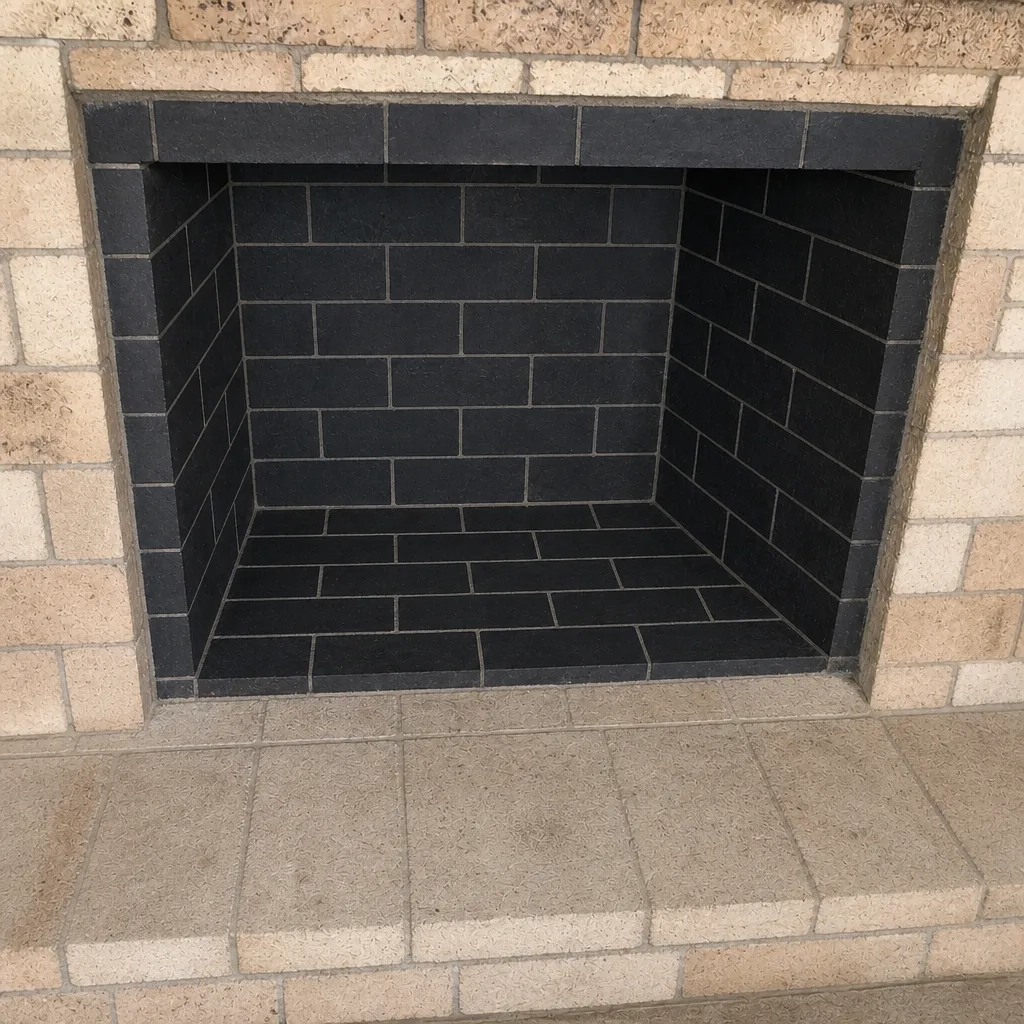
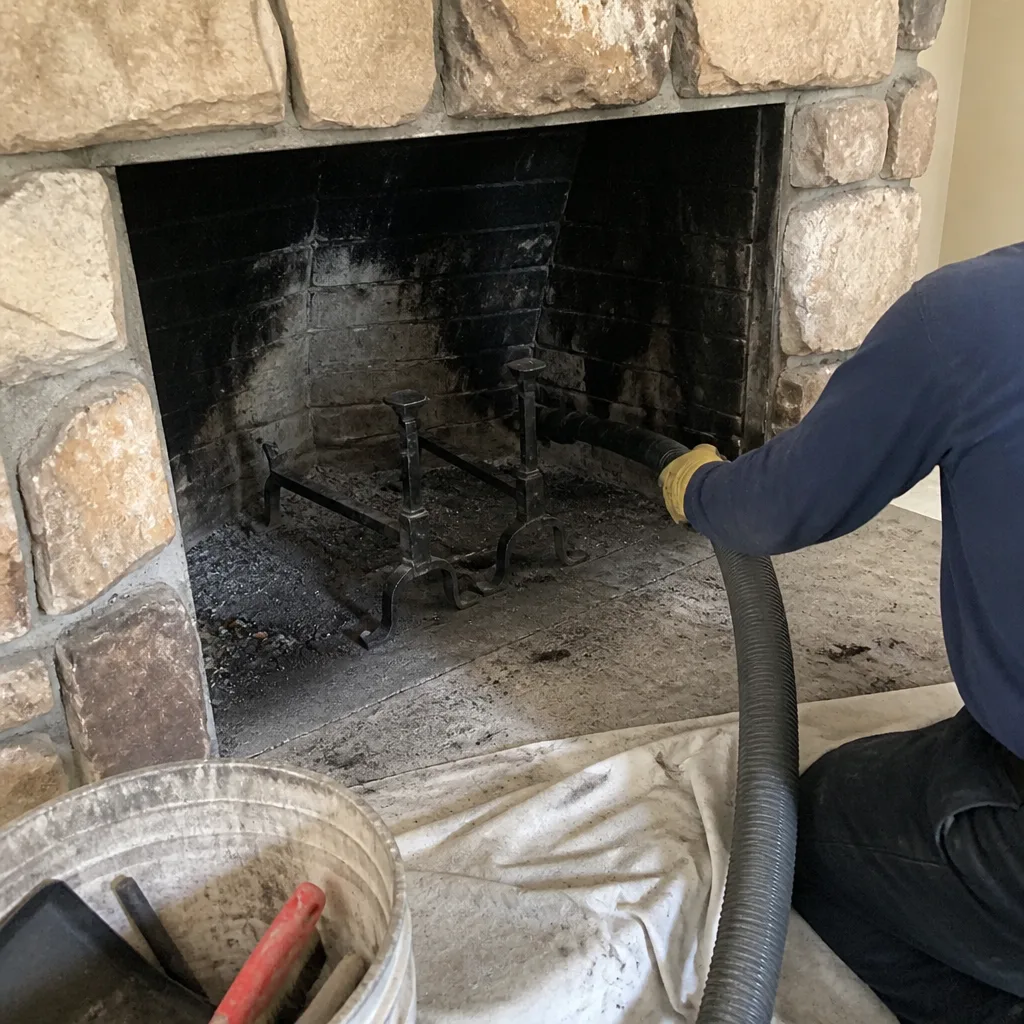
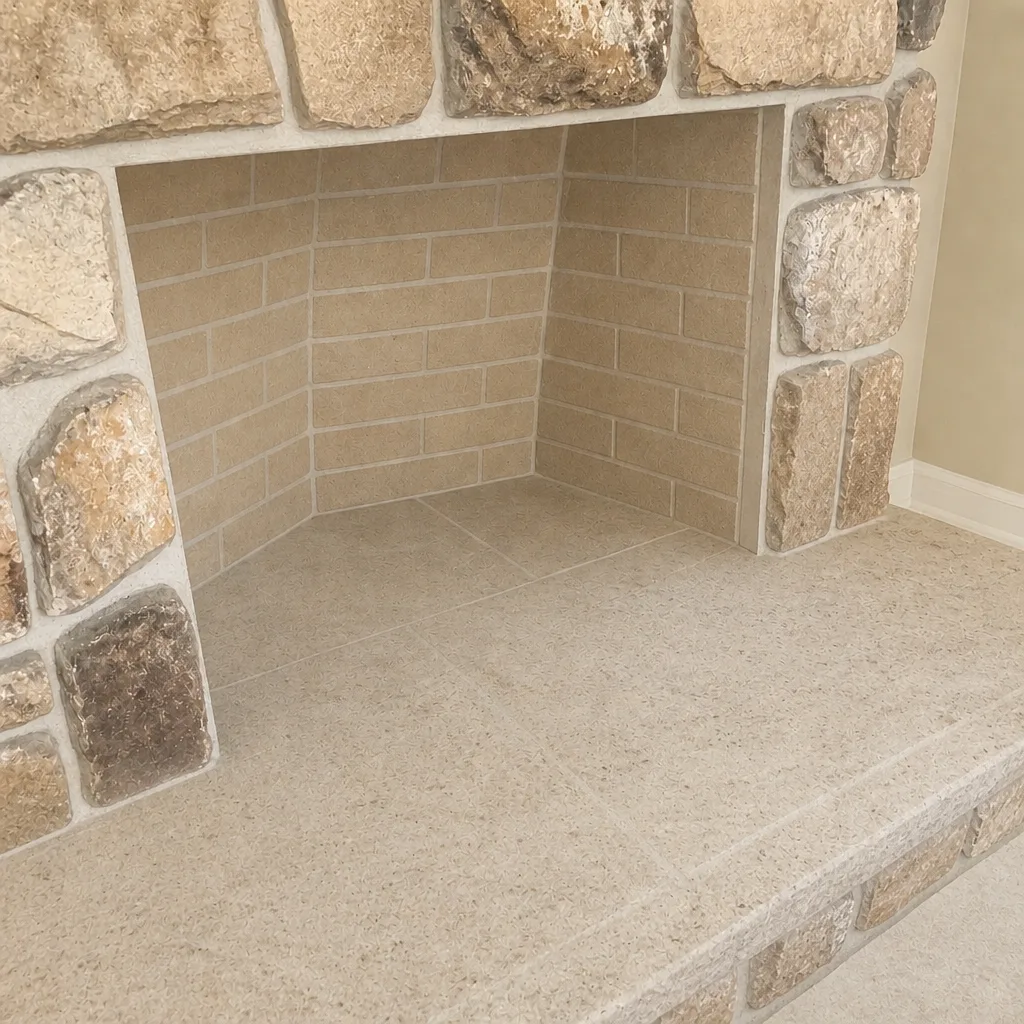
See the difference
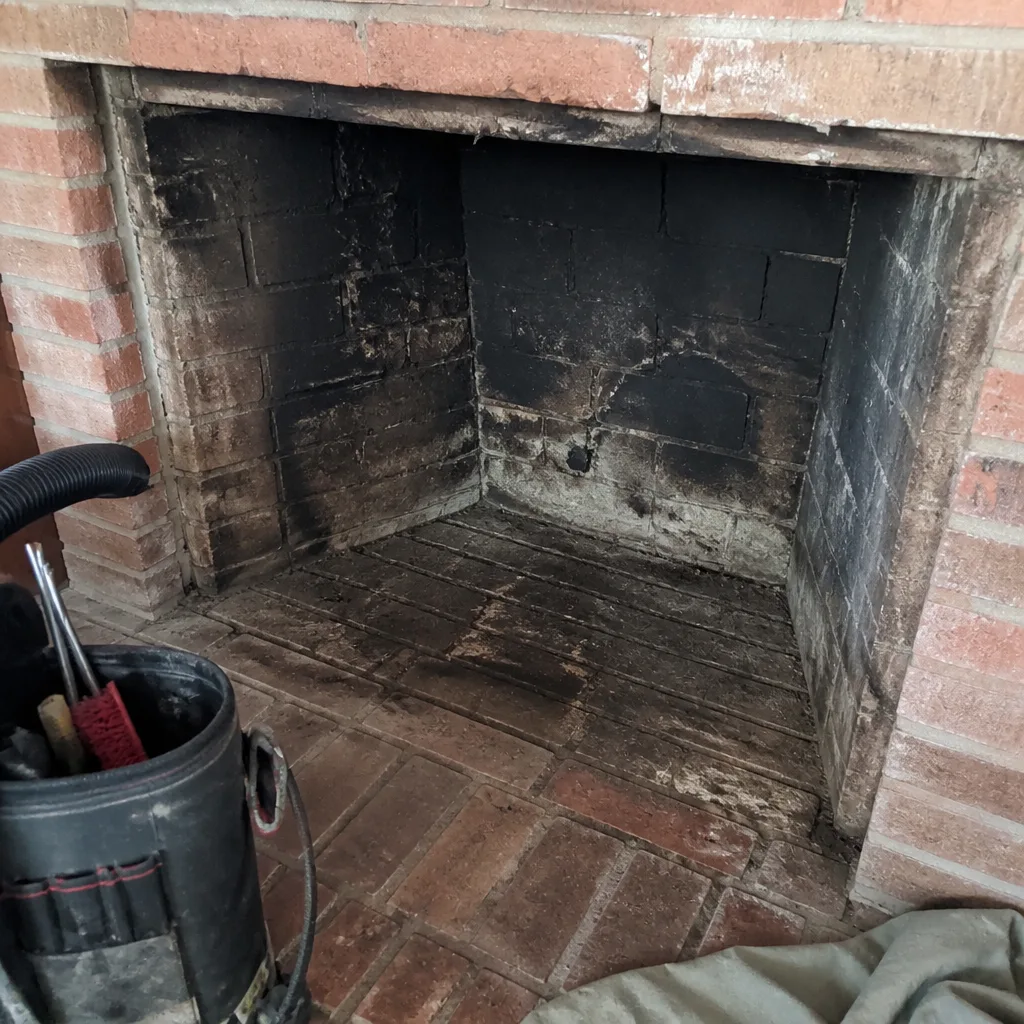 Before
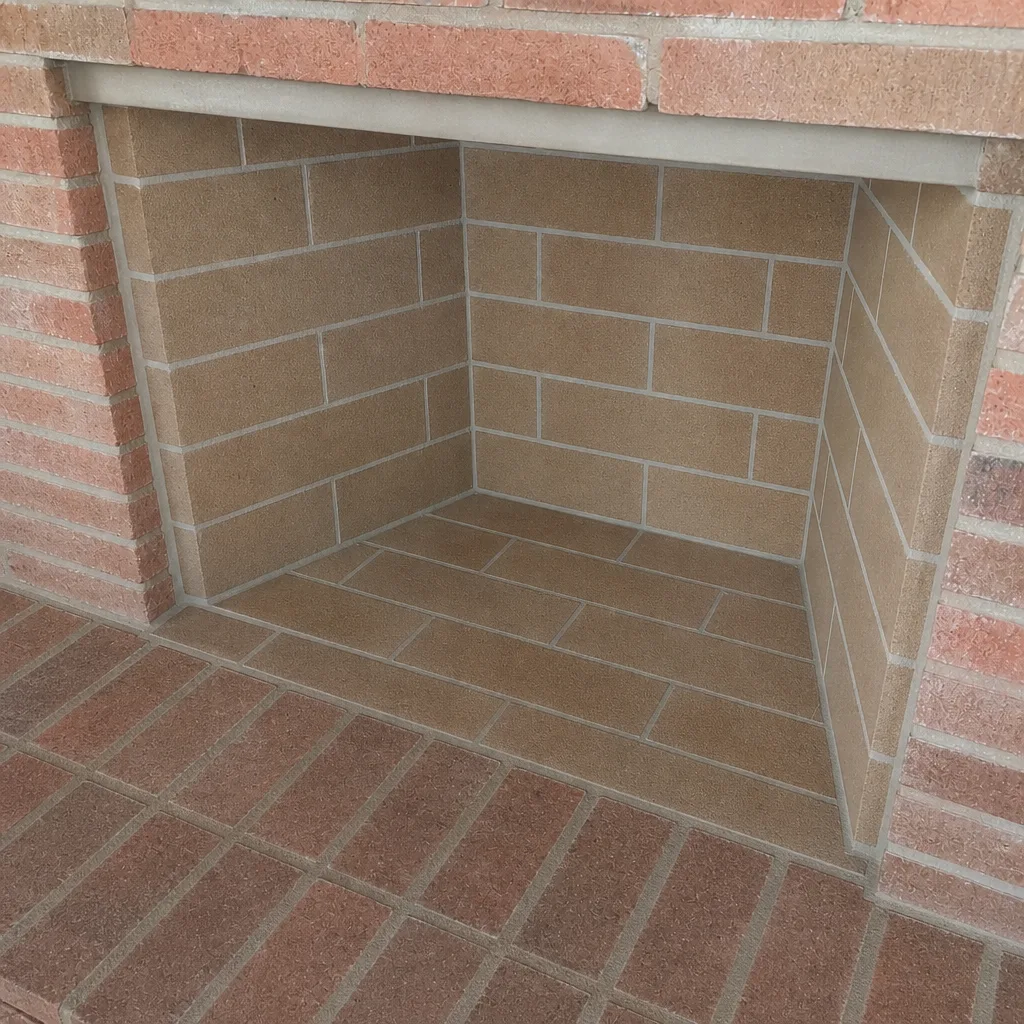 After
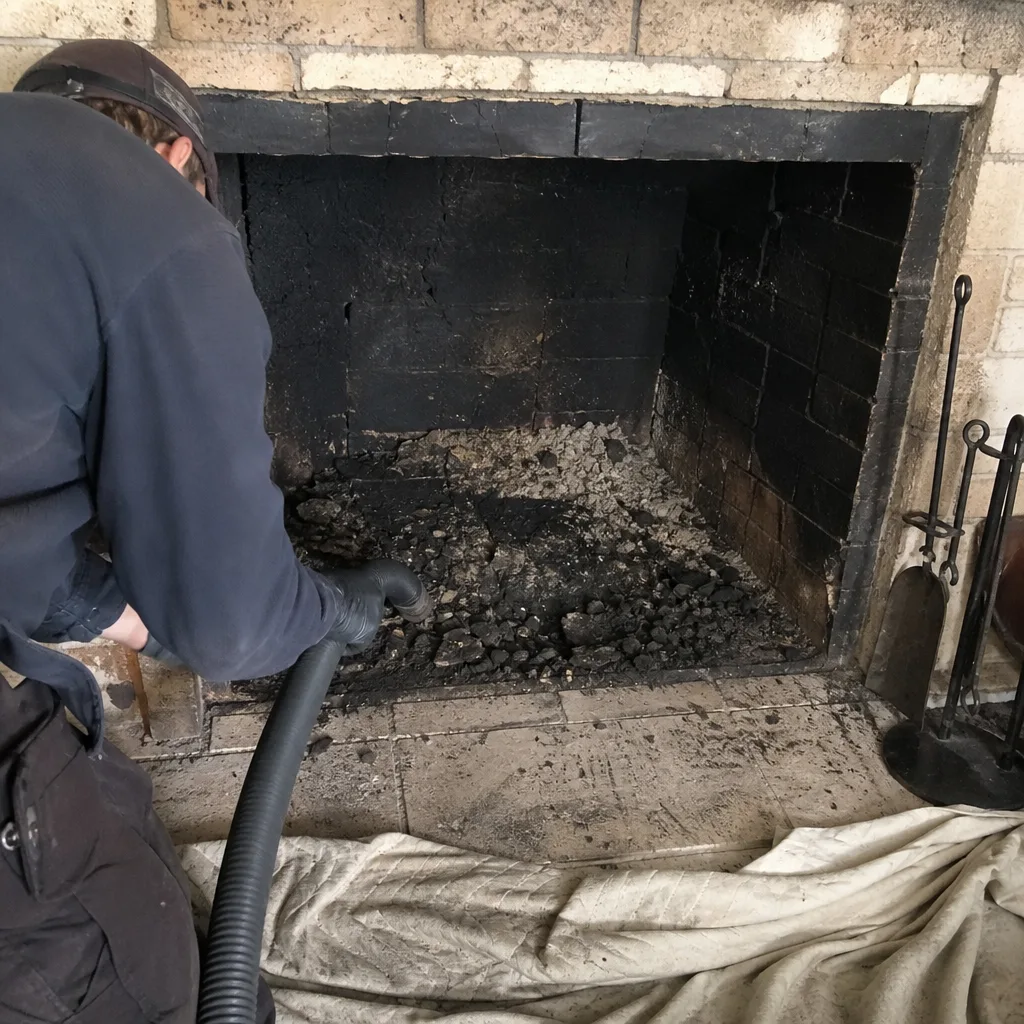 Before
 After
 Before
 After
When to Call a Professional
Some chimney conditions call for a professional rather than a wait-and-see. If you’re burning wood and haven’t had the flue cleaned in more than a year of regular use, it’s time to schedule a sweep. If you’ve noticed a strong smoky smell, visible creosote buildup, or a draft that used to draw well and doesn’t anymore, those are signs to get it looked at. A cracked or damaged flue tile, a cap that’s missing or damaged, or a chimney that has taken water damage should be inspected before the next burn season. And if you’re buying a home in West Jordan with an older chimney, a diagnostic inspection before you close is worth every minute. A professional treats this as a safety evaluation, not a sales visit.
Chimney Sweep West Jordan offers free estimates in West Jordan – call (877) 404-8451. We answer 24/7. Fast dispatch from 7am to 7pm, Sunday through Friday.
Frequently Asked Questions
The recognized professional brands include HeatShield for ceramic resurfacing, DuraFlex and Olympia Chimney for liner systems, and Gelco, Famco, and Copperfield for caps, crowns, and venting accessories. These are specified by trained professionals because they’re engineered for chimney conditions and come with manufacturer documentation. Ask any contractor which brands they use and why – the specificity of the answer tells you a lot. Call (877) 404-8451 for an exact quote on your chimney – estimates are free.
A flexible liner is designed for chimneys with bends, offsets, or irregular flue paths, while a rigid relining product suits straight flues and specific venting configurations. The right choice depends on what a camera inspection shows inside your chimney, not on preference. The brand and the size both need to match the appliance and the flue geometry. Call (877) 404-8451 and we’ll walk you through what your chimney actually needs – estimates are free.
Ask three questions: which brands do you use, where do you source them, and will I get manufacturer documentation with the repair. Professionals answer all three with specifics, including brand names and supplier relationships. A generalist buying retail gives vague answers and rarely has warranty paperwork to offer. Call (877) 404-8451 for an exact quote – estimates are free.
Yes – recognized brands come with manufacturer documentation and warranties, which are what support a repair if it’s ever questioned. An adjuster or inspector will want to know what was installed and when, and branded products are far easier to substantiate than unlabeled materials. Keep the paperwork from any repair. Call (877) 404-8451 for an exact quote – estimates are free.
Each association represents a channel for staying current with product and technique standards. CSIA training covers evaluation and specification to industry standards, NCSG membership connects a company to shared safety and product updates, and NFI certification is specifically relevant to liner sizing and appliance venting. Together they signal that a company’s product knowledge is current, not frozen at whatever it learned years ago. Call (877) 404-8451 – estimates are free.
Yes. A relining recommendation should always follow a camera inspection, because the flue’s actual condition determines both the liner brand and the size. Without that inspection, a recommendation is a guess. Ask to see the flue on camera before you agree to anything – a professional will show you. Call (877) 404-8451 for an exact quote – estimates are free.
The Bottom Line
The brands a chimney company uses are a concrete, checkable signal of how carefully they work. Recognized professional products – HeatShield, DuraFlex, Gelco, Olympia Chimney, Famco, and Copperfield – are engineered for chimney conditions and come with documentation. Generic substitutes don’t. When you pair that product knowledge with CSIA, NCSG, and NFI affiliation and a full sweep-repair-inspection service from one specialist, you have a company that can be evaluated on evidence rather than a reassuring website. In West Jordan, where older homes and wood-burning appliances make product decisions consequential, that’s the standard worth holding every contractor to.
If you’d like to talk through your own chimney – which products fit, what the inspection should cover, and what the work actually involves – call (877) 404-8451 for a free estimate. We answer 24/7. Fast dispatch from 7am to 7pm, Sunday through Friday.
Written by the team at Chimney Sweep West Jordan.