
Last updated November 16, 2026
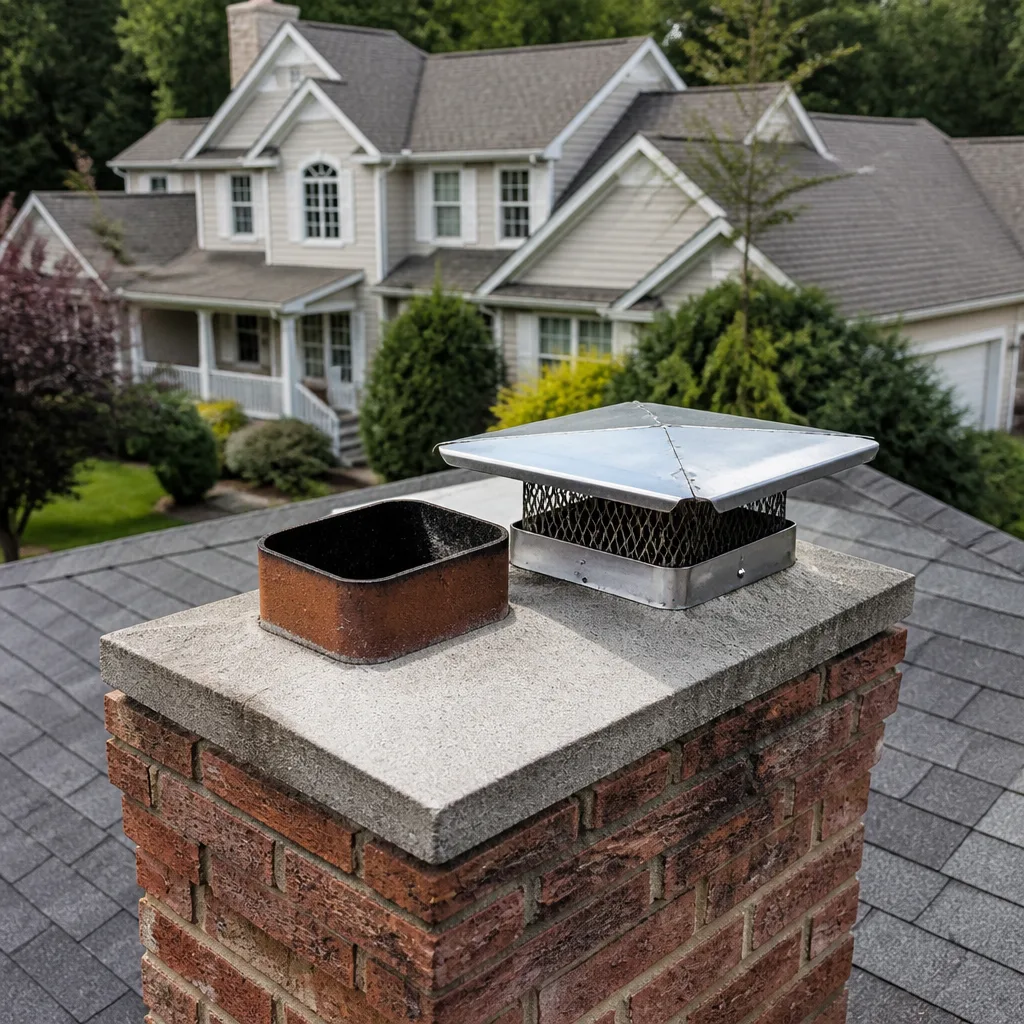 Sweep & inspection
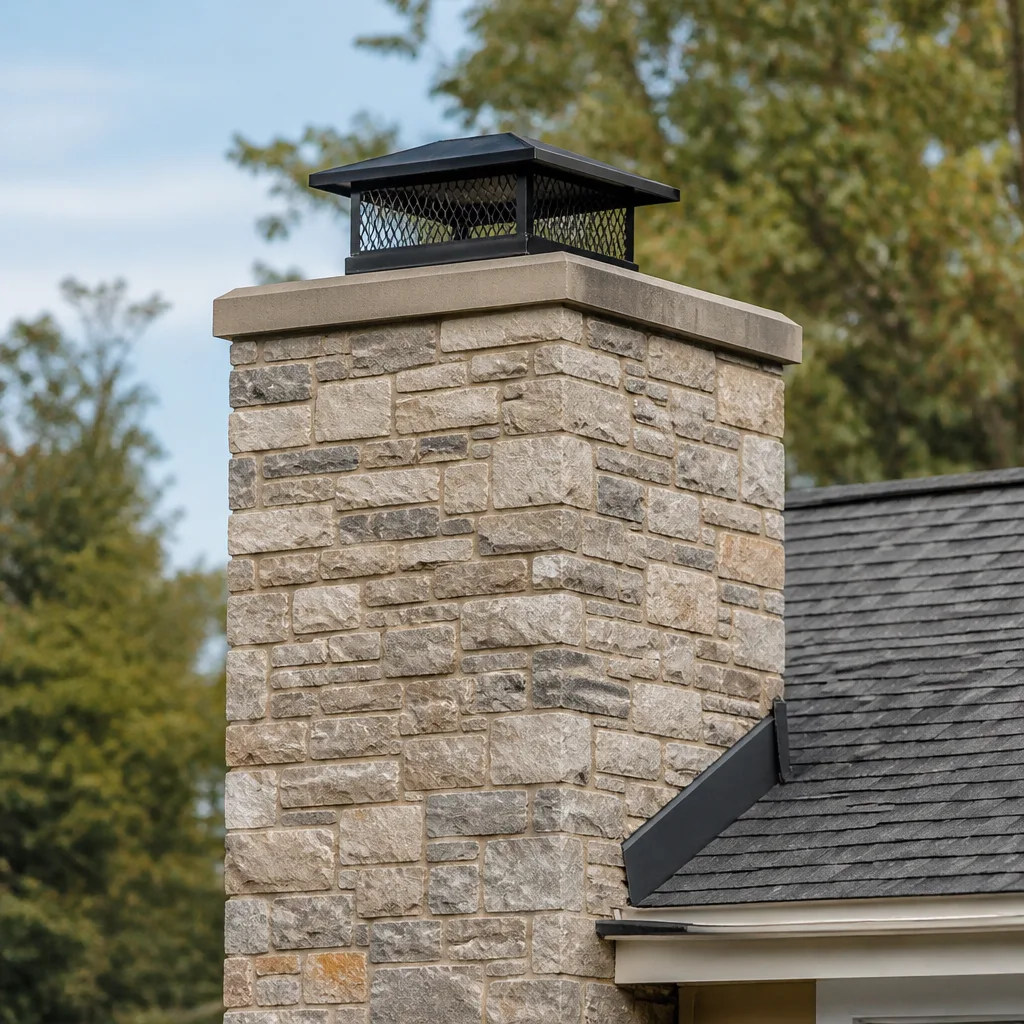 Caps & crowns
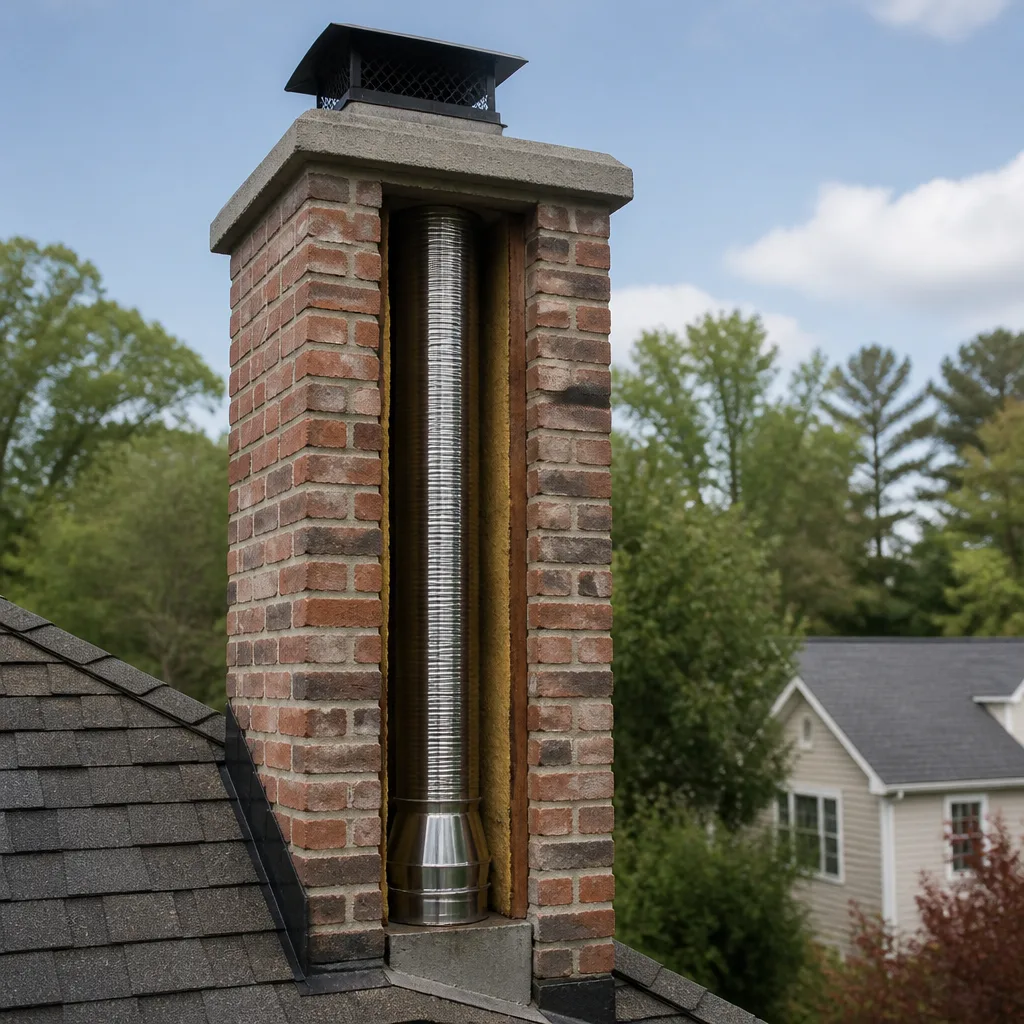 Flue relining
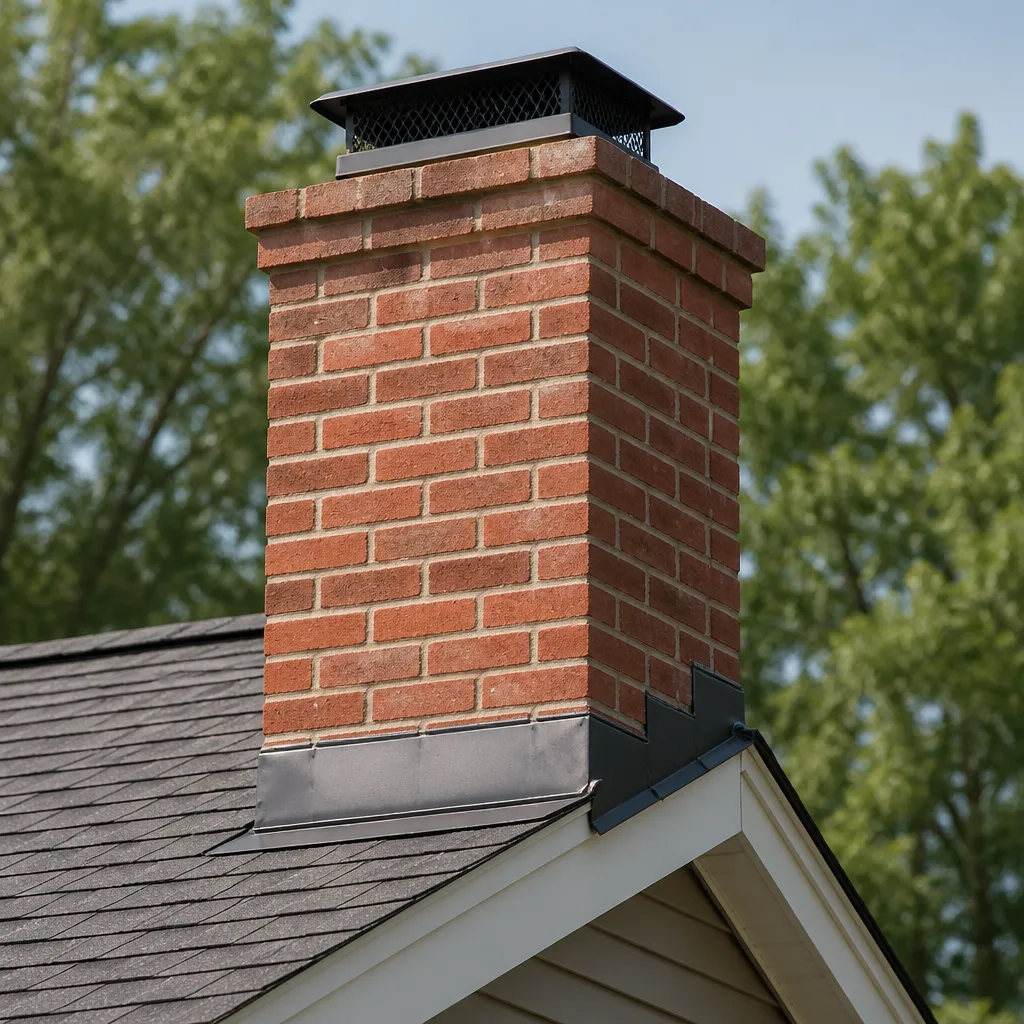 Masonry repair
 Gas fireplace service
Level 1 sweep and inspection to the NFPA 211 annual standard - flue, crown, cap, and flashing checked and photographed
Chimney sweep logs do not sweep chimneys. They loosen some creosote - which then falls where a brush and vacuum still have to collect it.
Chimney Sweep Maintenance Schedule: What to Do and When
If you burned four cords of wood last winter but only sweep once every two years because “that’s what everyone does,” you may already be past the creosote threshold where a chimney fire becomes likely. The one-year rule isn’t arbitrary. It’s a floor set for the average household, and plenty of West Jordan homes burn well above average. The right maintenance schedule depends on what you burn, how often you burn it, how dry the wood is, and how old your liner is. This guide builds a calendar around those factors so you stop guessing and start maintaining on a schedule that matches how your system actually gets used.
Quick Answer
Most wood-burning fireplaces and stoves need a professional sweep once a year, and heavier users should be inspected at that same annual visit. Gas inserts need an annual inspection even though they produce little creosote. Pellet stoves typically need sweeping once a year with the venting checked each season. Schedule the sweep in late summer, before your first burn, so you start the heating season with a clean, verified flue.
Styles & brands we work with
- Sweep & inspection
- Caps & crowns
- Flue relining
- Masonry repair
- Gas fireplace service
Table of Contents
- Why the Annual Sweep Is a Floor, Not a Ceiling
- Usage-Based Scheduling: Cords, Burn Hours, and Wood Moisture
- Separate Timelines for Wood Fireplaces, Gas Inserts, and Pellet Stoves
- Pre-Season vs. Post-Season: Why Late Summer Wins
- What to Check Between Professional Visits
- How Liner Age and Material Change Your Schedule
- West Jordan Factors That Affect Your Chimney
- How to Build Your Own Maintenance Calendar
Why the Annual Sweep Is a Floor, Not a Ceiling
The one-year rule comes from the National Fire Protection Association, which recommends chimneys, fireplaces, and vents be inspected annually and cleaned as needed. Read that carefully: inspected annually, cleaned as needed. The inspection is the fixed interval. The cleaning depends on what the inspection finds. For a light user, an annual inspection may confirm the flue is still clean enough to skip a sweep. For a heavy user, the same inspection may reveal a quarter-inch of glazed creosote that needs professional removal before the season starts.
That distinction matters in West Jordan, where winters run long enough that many households burn daily from November into March. Five months of daily fires produces far more creosote than a few weekend fires in December. Treating both households on the same two-year schedule is how chimneys get into trouble.
We tell homeowners to think of the annual inspection as the checkup and the sweep as the treatment. You don’t skip the checkup because you feel fine. You go, and the doctor tells you whether anything needs doing. Our chimney sweep visits work the same way: we inspect first, then sweep what actually needs sweeping, and we show you what we found.
What “As Needed” Really Means
- Light use (a few fires a month, seasoned wood): annual inspection, sweep roughly every other year if the flue stays clean.
- Moderate use (several fires a week through winter): annual sweep and inspection together.
- Heavy use (daily fires, four or more cords a season): annual sweep, plus a mid-season visual check of the firebox and cap.
- Any use with poor wood or a cold flue: annual sweep at minimum, because creosote accumulates faster than the burn volume suggests.
Usage-Based Scheduling: Cords, Burn Hours, and Wood Moisture
How fast creosote builds depends on three things: how much you burn, how hot the fire runs, and how dry the wood is. Cord volume is the easiest proxy. A household burning one or two cords a season is a light-to-moderate user. Three cords is moderate-to-heavy. Four or more cords, burned in a standard fireplace or an older stove, puts you in the category where an annual sweep is the minimum and a mid-season look is wise.
Burn hours tell a similar story. A fire that smolders for six hours deposits more creosote than a hot fire that burns clean for two. Smoldering happens when the air supply is choked down, when the wood is damp, or when the flue is cold. All three are common in West Jordan, especially in older homes with exterior chimneys that take a while to warm up.
Wood moisture is the factor most homeowners underestimate. Seasoned firewood is typically dried to around 20 percent moisture content or less. Wood above that burns cooler, produces more smoke, and leaves more creosote on the flue walls. If you’re buying wood by the cord and stacking it a few weeks before the season, it’s probably not dry enough. Split wood needs months of air drying, not weeks.
Rough Creosote Thresholds
- Up to 1/8 inch: normal buildup, sweep at the annual visit.
- 1/8 to 1/4 inch: sweep now, and check why buildup is running ahead of schedule.
- 1/4 inch or more, or glazed creosote: this is the stage where a chimney fire becomes a real risk. Stop burning until it’s cleaned.
We check creosote depth on every sweep. It’s the single most useful number for setting your next interval, and it’s the reason a one-size schedule doesn’t work.
Separate Timelines for Wood Fireplaces, Gas Inserts, and Pellet Stoves
Wood, gas, and pellet systems have fundamentally different maintenance needs, and lumping them together is where a lot of generic advice falls apart.
Wood-Burning Fireplaces and Stoves
Annual inspection, with sweeping on the schedule your creosote depth and burn volume dictate. Wood is the fuel that produces creosote, so wood systems carry the most maintenance weight. If you’re running a wood stove with a stainless liner, the liner itself needs a visual inspection each year, not just a sweep.
Gas Inserts and Gas Log Sets
Gas produces almost no creosote, but it does produce moisture and mild acidity in the venting, and the burners, logs, and connection points need checking for debris, blockage, and proper venting. Annual inspection is the standard here. A gas insert isn’t a “set it and forget it” appliance; it’s a heating appliance with a vent, and vents need eyes on them once a year. We check venting termination, cap condition, and the burner assembly on every gas inspection.
Pellet Stoves
Pellet stoves need the firebox and venting swept once a year in most households, and the venting checked more often if the stove runs hard. Pellet ash is finer than wood ash and finds its way into the vent, so the venting inspection is the part that matters most. If your pellet stove has a vertical vent run, pay particular attention to the cap and any horizontal sections where ash can collect.
Side-by-Side Comparison
- Wood fireplace: annual inspection, sweep as creosote dictates (often annually for regular users).
- Wood stove: annual inspection and sweep, liner checked each year.
- Gas insert: annual inspection, burner and venting checked, sweep rarely needed.
- Pellet stove: annual sweep and venting inspection, cap checked each season.
Pre-Season vs. Post-Season: Why Late Summer Wins
Sweeping in late summer, before your first burn, beats waiting until spring. It isn’t close. Here’s why: the purpose of a sweep is to start the season with a clean, verified flue. A spring sweep cleans up after the season and then sits unused for six months, during which time anything missed or any new problem goes unnoticed until you light the first fire. A late-summer sweep catches problems while there’s still time to fix them before the cold sets in.
There’s a practical side too. Late summer is when you can still get on a schedule without a rush, and when a repair found during inspection can be completed before the first hard freeze. In West Jordan, an early cold snap in October can catch homeowners who planned to “get to it” and then didn’t. Booking in July or August means the work is done before the season starts, not squeezed in after.
Why Not Wait Until Spring?
- A spring sweep cleans the flue and then leaves it idle, so any crack or cap issue found in the cleaning has months to sit unseen.
- Problems found in spring may get deferred all summer and forgotten by fall.
- Fall booking fills up, so a spring-only household that needs a repair is trying to schedule it during the busiest weeks.
- A pre-season sweep means every fire you light that winter starts from a verified baseline.
If you’ve already burned a season without a sweep, don’t wait for next summer. Book now, get the flue evaluated, and reset your schedule going forward. A late-summer sweep this year sets up a clean calendar next year.
What to Check Between Professional Visits
You don’t need to climb on the roof or open up the flue, and we’d rather you didn’t. But a few simple checks between professional visits keep you informed and catch obvious problems early. None of these require tools or training, and none of them void a warranty.
The Firebox and Damper
Open the damper and watch it move. It should open and close smoothly and seat fully in both positions. A damper that sticks, hangs up, or won’t seal is worth flagging at your next visit. In the firebox, look for cracked or crumbling brick, gaps in the mortar joints, and any loose pieces. Small hairline cracks in the firebrick are common and not automatically a problem; a gap or a missing chunk is worth a call.
The Cap and Crown
From the ground, look at the cap on top of the chimney. It should be intact, seated flat, and free of visible rust-through or missing screen. A damaged cap lets water, birds, and debris into the flue. The crown, the concrete top around the flue, should slope away from the opening; a cracked or flat crown lets water pool and work its way into the masonry. If you can see damage from the ground, it’s worth having it looked at.
The Visible Liner
Shine a light up the flue from the firebox and look at what you can see of the liner. Clay tile liners should show intact tiles with tight joints. Stainless liners should show smooth, unbroken sections. Cast-in-place liners should look uniform. You’re not diagnosing anything, just noting anything that looks off, and mentioning it when you call.
Smoke and Draft
Watch how the fire behaves. A fire that smokes into the room, especially on startup or on windy days, is telling you something about draft. Note when it happens and mention it at your next inspection. Draft problems often trace back to a cold flue, a blocked cap, or a liner issue, and they’re much easier to diagnose with a description than a guess.
How Liner Age and Material Change Your Schedule
The liner is the part of the chimney that contains the fire and the flue gases, and its age and material matter as much as how much you burn. A newer stainless liner holds up well and tolerates the annual inspection schedule. An older clay tile liner, or one that’s already showing cracks, may need closer attention.
Clay Tile Liners
Clay tile is the traditional liner in many older West Jordan homes. It’s durable but brittle, and it cracks under thermal stress over time. Once a tile cracks, the flue gases can reach the masonry around it, and that’s a problem that needs addressing before the next season. If your home has a clay tile liner, plan on an annual inspection that specifically checks the tiles, and treat any crack as a repair item rather than a wait-and-see.
Stainless Steel Liners
Stainless liners, like the DuraFlex systems we install, are durable and resist the corrosion that comes from flue gases and moisture. They still need an annual inspection, but a well-installed stainless liner in good condition usually needs less corrective work than an aging clay tile liner. The inspection confirms the liner is intact and correctly connected at both ends.
Cast-in-Place Liners
Cast-in-place liners, such as HeatShield restoration systems, are applied to the inside of the existing flue to seal cracks and restore the liner surface. They’re a good option for older chimneys where the original clay tile is compromised. Once restored, the liner needs the same annual inspection as any other, with attention to the seal at the top and bottom.
A Simple Rule
- Newer stainless or cast-in-place liner: annual inspection, sweep on the creosote schedule.
- Older clay tile liner: annual inspection with specific attention to tile cracks and joint integrity.
- Any liner with known damage: address it before the next burn season, not after.
If your inspection turns up liner damage, we handle the repair side as well, from relining to chimney repair, using the professional-grade brands we work with every day.
West Jordan Factors That Affect Your Chimney
West Jordan sits in the Salt Lake Valley, and the local climate shapes how a chimney behaves. Winters are cold enough that many households burn daily for months, which pushes creosote accumulation toward the heavy-use end of the scale. The valley’s inversion periods, when cold air traps smoke and particulates near the ground, are another reason to burn clean and keep the flue clear; a smoky, smoldering fire contributes to the same air quality problems the valley already struggles with.
Housing stock matters too. West Jordan has a mix of older homes with clay tile liners and newer construction with stainless systems. The older homes often have exterior chimneys, which run cold and are more prone to creosote and draft issues than interior chimneys. If your home is one of the older ones, an annual inspection with attention to the liner and the crown is worth more than a quick sweep.
Altitude plays a role as well. At roughly 4,000 to 5,000 feet across the valley, wood burns a little differently and draft can be weaker than at sea level, which is one more reason to keep the flue clean and to burn dry wood. The neighborhood matters less than the house itself, but if you’re in an area with a lot of mature trees, check the cap for debris more often. Our team covers West Jordan and the surrounding valley, and we see these patterns across the city.
How to Build Your Own Maintenance Calendar
Here’s a step-by-step way to set your schedule for the year, based on how your system actually gets used. Work through it once, and you’ll have a calendar that fits your household instead of a generic rule that doesn’t.
- Log your burn volume. Keep a rough count of cords or a sense of how many fires you light per week through the season. Most homeowners can estimate this within a cord.
- Check your wood moisture. A moisture meter is inexpensive and settles the question. If your wood reads above about 20 percent, plan on more frequent inspection until you’re burning seasoned wood.
- Identify your fuel type and liner material. Wood, gas, or pellet, and clay tile, stainless, or cast-in-place. That combination sets the baseline interval.
- Pick your inspection month. Late summer, before the first burn. Book it early so it’s on the calendar and done.
- Schedule the sweep at the same visit as the inspection. One visit covers both, and the inspection determines whether the sweep is needed.
- Set a mid-season check reminder. For heavy users, a quick visual check of the firebox and cap halfway through winter catches problems early.
- Note anything unusual during the season. Smoke in the room, a draft that’s changed, a damper that sticks. Mention it at the next inspection.
If you’d rather skip the calendar-building and just get on a schedule, one call covers sweep, repair, and inspection. We inspect first, tell you what your chimney actually needs, and book the work that’s genuinely needed.
Common Mistakes to Avoid
- Treating the one-year rule as optional. The NFPA recommends an annual inspection, and skipping it lets small problems become repair jobs. In a cold-winter city like West Jordan, the inspection is the cheapest maintenance you’ll ever do.
- Sweeping on a fixed two-year cycle regardless of use. A heavy burner and a light burner shouldn’t be on the same schedule. Let creosote depth and burn volume set the interval.
- Burning unseasoned wood. Damp wood is the fastest way to accelerate creosote buildup, and it’s the most common cause of a flue that clogs ahead of schedule.
- Waiting until spring to sweep. A spring sweep cleans up after the season and then leaves the flue idle for months. Sweep before the first burn, not after the last.
- Ignoring the cap and crown. Water is the slow killer of masonry chimneys, and a cracked crown or missing cap is the usual entry point. Check it from the ground each season.
- Assuming a gas insert needs no maintenance. Gas produces little creosote, but the venting and burner still need an annual look. “Gas is clean” doesn’t mean “maintenance-free.”
- Putting off a known liner crack. A cracked liner lets flue gases reach the masonry, and that’s a repair item, not a wait-and-see. Deal with it before the next season.
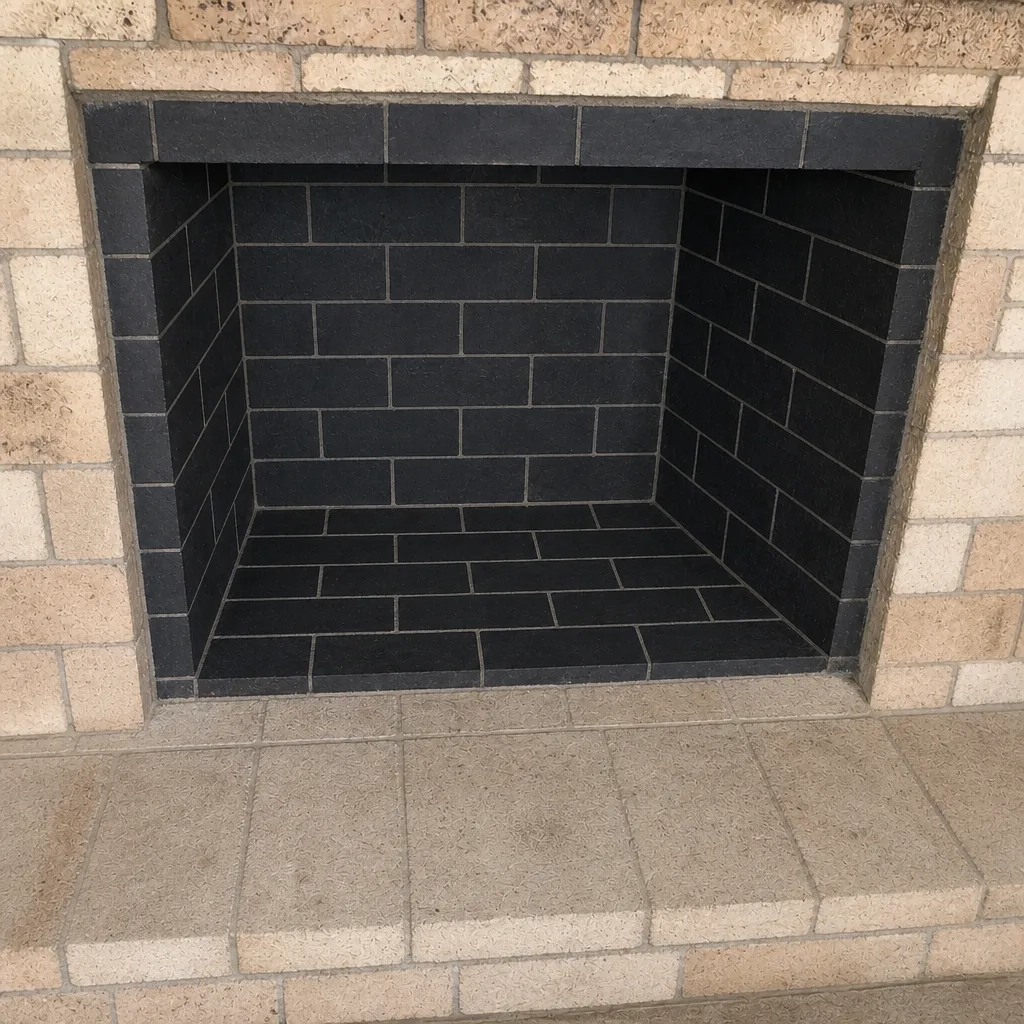
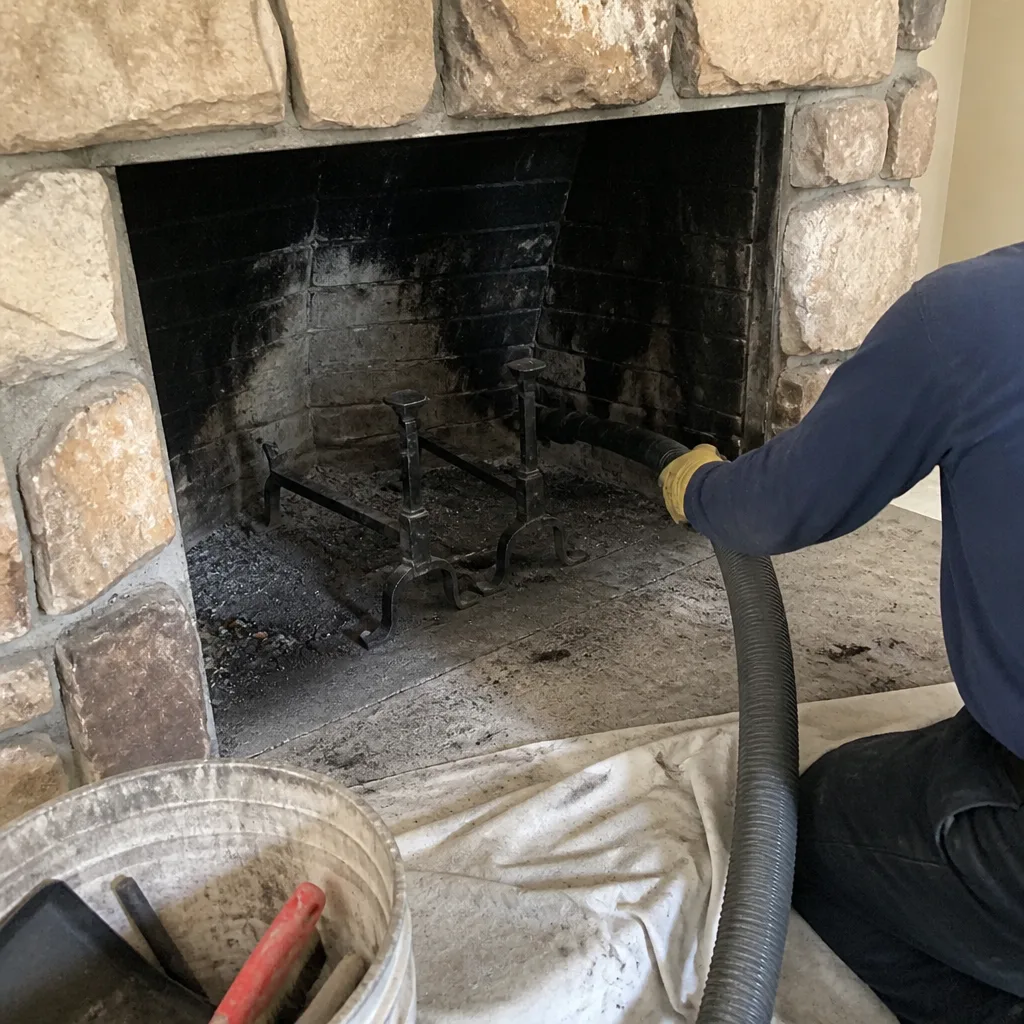
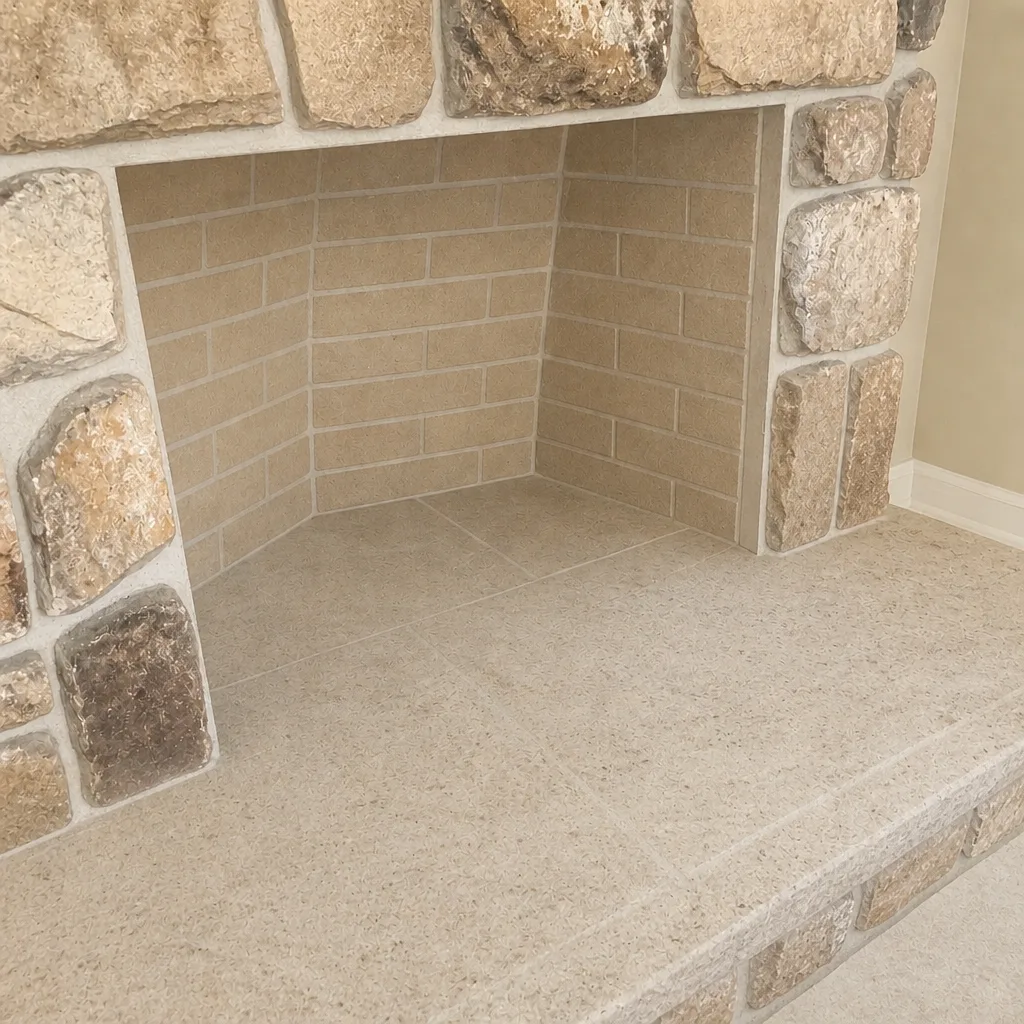
See the difference
 Before
 After
 Before
 After
 Before
 After
When to Call a Professional
Call a professional if you see smoke backing into the room, notice a strong creosote smell, find cracked or loose firebrick, or see damage to the cap or crown from the ground. Call if it’s been more than a year since your last inspection, if you’ve moved into a home with an unknown chimney history, or if your liner is older clay tile and you haven’t had it looked at recently. Don’t climb on the roof or open up the flue yourself; chimney work involves heights and confined spaces, and the inspection is the part that catches problems early. Chimney Sweep West Jordan offers free estimates in West Jordan, call (877) 404-8451. We answer 24/7 with fast dispatch from 7am to 7pm.
Frequently Asked Questions
Most wood-burning chimneys should be inspected once a year and swept when the inspection finds enough creosote to warrant it, which for regular users is often annually. Heavy users who burn several cords a season should treat the annual sweep as a minimum and consider a mid-season visual check. Light users may be able to stretch the sweep to every other year if the flue stays clean. Call (877) 404-8451 for an exact quote, estimates are free.
Late summer, before the first burn, is the better choice. A pre-season sweep starts you off with a verified clean flue and catches problems while there’s time to fix them before the cold. A spring sweep cleans up after the season and then sits idle for months. Book your sweep in late summer and you’ll get the most out of it.
No. Pellet stoves typically need the firebox and venting swept once a year, but the venting and cap need closer attention than a wood fireplace’s because fine pellet ash collects there. Gas inserts go the other direction: little creosote, but an annual inspection of the burner and venting is still the standard. Each fuel type has its own timeline.
The inspection tells you. A stainless liner with cracks, a clay tile liner with broken tiles or open joints, or a cast-in-place liner with a failed seal are all candidates for repair or relining. Nothing gets recommended without a clear look at the liner’s condition. Call (877) 404-8451 to schedule an inspection, estimates are free.
Check the damper for smooth operation, look at the cap and crown from the ground, shine a light up the flue from the firebox to note anything that looks off, and pay attention to how the fire drafts. These checks don’t replace an inspection, but they help you describe problems accurately when you call. None of them require climbing on the roof.
The annual inspection is still recommended even for light use, because the inspection is what tells you whether a sweep is needed. Light use may mean you skip the sweep, not the inspection. In West Jordan, where winters are long, even a few fires a week adds up over a season. Call (877) 404-8451 for an exact quote, estimates are free.
The Bottom Line
The annual sweep is the floor, not the ceiling. Build your schedule around what you burn, how much, how dry the wood is, and what your liner is made of. Wood fireplaces and stoves need the most attention, gas inserts need an annual inspection even with little creosote, and pellet stoves need the venting checked closely. Sweep in late summer, before the first burn. Check the cap, damper, and visible liner between visits. And when in doubt, get the inspection, because it’s the cheapest part of chimney care and the one that catches problems early. Our technicians have up to 8 years of experience, and we work with the brands professionals trust, from Gelco and Olympia Chimney to Famco and Copperfield. For a free estimate and a schedule built around your chimney, call (877) 404-8451. We answer 24/7 with fast dispatch from 7am to 7pm, Sunday through Friday.
Written by the team at Chimney Sweep West Jordan.